Is Rennet Vegan? Animal, Microbial, and Vegetable Rennet Explained
In this guide5
No, animal rennet is not vegan. It is an enzyme complex extracted from the stomach lining of slaughtered calves, and it plays a central role in traditional cheesemaking. While plant-based and microbial alternatives exist, any cheese made with dairy milk remains off the table for vegans regardless of which rennet was used to set it.
What Is Rennet?
Rennet is a group of enzymes that causes milk proteins (primarily casein) to coagulate, forming the solid curds that become cheese. Without some form of coagulant, milk simply stays liquid and ferments rather than setting into curds.
The principal enzyme in rennet is chymosin. In young nursing mammals, chymosin is produced naturally in the fourth stomach chamber (the abomasum) to help digest their mother's milk. Cheesemakers discovered long ago that drying and processing those stomach linings created a reliable, concentrated coagulant.
Beyond chymosin, traditional animal rennet also contains pepsin and lipase, both of which contribute to the depth of flavour in aged cheeses. This complexity is part of why many artisan cheesemakers still prefer calf rennet for long-aged styles.
Is Rennet Vegan, and Why?
The answer depends on the type, but the bottom line is the same for vegans in every case.
Animal rennet is clearly not vegan. Calves are slaughtered, their stomachs removed, and the inner mucosa is scraped, dried, and processed into liquid or powdered form. The animals used are predominantly young, unweaned calves, often a direct co-product of the veal industry. Lamb and kid goat rennet is produced the same way for some specialty cheeses. This process is incompatible with veganism by any definition.
Microbial rennet is derived from fungi, most commonly Rhizomucor miehei, through a fermentation process that involves no animal tissue. It is considered vegan-friendly as a standalone ingredient. However, it is still used to make dairy cheese, which means the finished product is not vegan.
Fermentation-produced chymosin (FPC) is the dominant type used today, estimated to be used in around 80 to 90 percent of commercially produced cheese worldwide. FPC is made by inserting the gene sequence for chymosin (originally from a calf) into a microorganism such as a yeast or fungus. The microorganism is removed from the final purified enzyme. FPC is generally accepted as vegan-compatible as an ingredient, but again, the cheese it sets is made from dairy milk and is therefore not vegan.
Vegetable rennet comes from plant sources with natural coagulating properties: fig sap, thistle flowers, nettle leaves, and artichokes are the most common. The active enzyme in thistle rennet is cardosin rather than chymosin. Vegetable rennet is vegan as an isolated ingredient, but it is used almost exclusively in dairy cheesemaking.
The key point for vegans is this: no matter which rennet coagulates the milk, the resulting cheese is a dairy product obtained from animals. The rennet question is secondary to the dairy question.
Where Rennet Hides: Foods and Products to Watch
Rennet is present in virtually all dairy cheese, but some categories are especially certain to contain the animal-derived form.
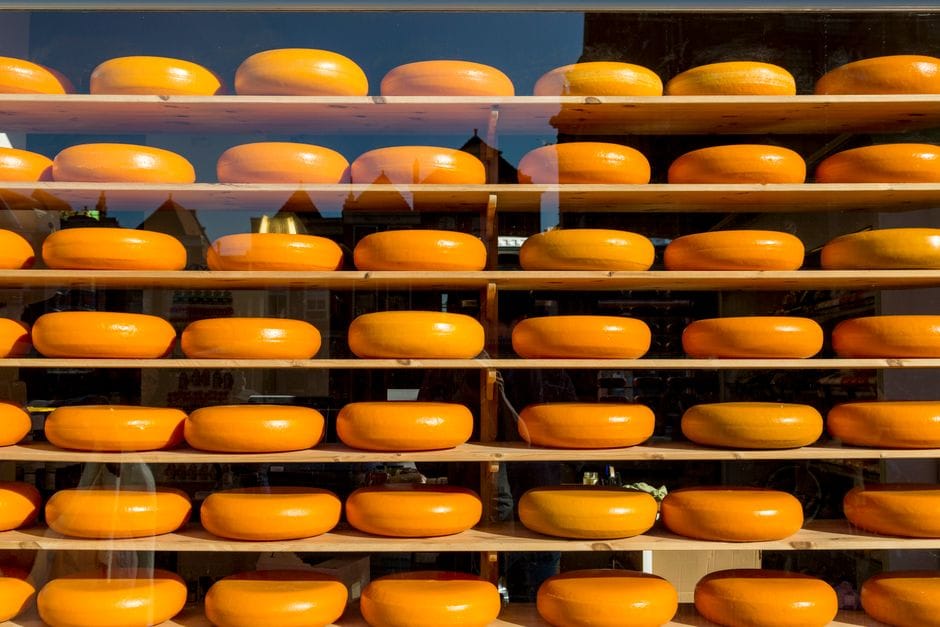
PDO-protected European hard cheeses are legally required by their production specifications to use animal rennet. Parmigiano-Reggiano, Grana Padano, and Pecorino Romano all fall into this category. Their protected designation of origin (PDO) rules mandate calf or lamb rennet as part of what defines the product. There is no version of authentic Parmigiano-Reggiano made without animal rennet.
Traditional British and continental hard cheeses such as traditional cloth-bound Cheddars, aged Gouda, and Manchego often use animal rennet, though the rules are less rigid than for Italian PDO cheeses.
Processed cheese products and ready meals sometimes list rennet-set cheese as an ingredient deep in the label, making the rennet type invisible to the consumer.
Vegetarian cheese is the label category that confuses many people. Vegetarian cheese simply means the coagulant used was not animal rennet. The cheese itself is still made from cow, sheep, or goat milk. It is suitable for vegetarians who avoid slaughter by-products, but it is not vegan.
How to Spot Rennet on a Label
Rennet disclosure on food labels is inconsistently regulated. In the United States, manufacturers are not required to specify the source of the rennet used. In the United Kingdom, vegetarian cheeses must be clearly labelled, which makes reading British labels somewhat easier.
Here is what you will typically see on ingredient lists:
- "Enzymes" is the most common and least informative term. Under U.S. FDA rules, enzymes from animal, plant, or microbial sources can all be listed simply as "enzymes." A cheese made with calf rennet and one made with microbial rennet can carry identical ingredient statements.
- "Rennet" without qualification usually refers to animal rennet in traditional production contexts.
- "Animal rennet" or "traditional rennet" signals the calf-derived form directly.
- "Microbial enzymes," "vegetable rennet," or "non-animal rennet" are positive signals that the coagulant is not from slaughtered animals, though the cheese is still dairy.
- Vegetarian Society approval marks (the green seedling logo) confirm non-animal rennet was used, but do not make the cheese vegan.
For vegans, the rennet type is ultimately a secondary concern. Any cheese that contains dairy milk is not vegan. If you want to be certain you are avoiding animal rennet as well, contact the manufacturer directly or look for a Certified Vegan mark, which applies only to fully plant-based products.
Vegan Alternatives to Rennet-Set Cheese
The good news is that the range and quality of vegan cheese has expanded significantly. None of these alternatives use rennet because they do not use dairy milk.
Cashew-based cheeses are among the most popular. Cashews blend into a creamy, neutral base that ferments well with added cultures, producing tangy, complex flavours that rival dairy equivalents in spreads and soft rounds.
Coconut oil cheeses are used widely in commercial slices and shreds because they melt reliably. Brands including Violife use this base.
Nut-based aged and fermented cheeses have become a growth category. Some producers age cashew or almond cheeses in the same style as traditional wheels, developing rinds and depth of flavour over weeks or months.
Tofu and soy-based cheeses offer high protein and a firmer texture suited to crumbling and grilling styles.
Nutritional yeast is not a cheese substitute on its own, but it is the ingredient that gives homemade vegan cheese sauces and spreads their characteristic savoury, cheesy flavour. It contains naturally occurring glutamates and B vitamins.
For cooking applications that call for Parmesan, a blend of ground cashews, nutritional yeast, and salt produces a convincing topping. For melting, coconut-oil-based commercial shreds perform well in baked dishes and pizzas.
Frequently asked questions
Is microbial rennet vegan?+
Microbial rennet itself is produced without animal involvement, using fungal fermentation, so it is considered vegan as an isolated ingredient. However, it is used to make dairy cheese, which contains cow, sheep, or goat milk. The finished cheese is not vegan regardless of which coagulant set it.
Is cheese made with vegetable rennet vegan?+
No. Vegetable rennet is plant-derived and involves no slaughter, but it is a coagulant for dairy milk. The resulting cheese is still an animal product. Vegetarian cheese made with vegetable or microbial rennet is suitable for vegetarians who avoid slaughter by-products, but it is not vegan.
Which cheeses always contain animal rennet?+
Parmigiano-Reggiano, Grana Padano, and Pecorino Romano are legally required to use animal rennet under their protected designation of origin (PDO) specifications. Authentic versions of these cheeses cannot be made with any other coagulant and still carry the PDO name.
How can I tell if a cheese used animal rennet from the label?+
It is often impossible to tell from the label alone. In the United States, all rennet types can be listed simply as "enzymes" without specifying the source. Terms like "animal rennet" or "traditional rennet" confirm the animal-derived form, while "microbial enzymes" or "vegetable rennet" indicate non-animal sources. If in doubt, contact the manufacturer directly or choose products certified vegan.
Written by
VeganDigest Editorial is the small independent team that researches and fact-checks this site. We are not doctors or dietitians. For every is-it-vegan verdict we read the product's current ingredient list and manufacturer information, and for anything health-related we report guidance from recognized bodies such as the NHS, the Vegan Society, and the Academy of Nutrition and Dietetics rather than offering medical advice. Every page shows the date it was last verified, and our full process is on the How We Verify page.

Comments