Is Lucky Charms Vegan?
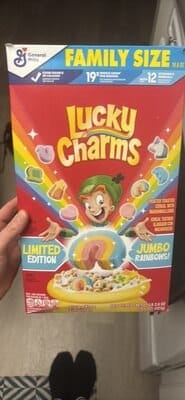
Not Vegan
Not certifiedLucky Charms cereal is not vegan. The marshmallow pieces (General Mills calls them "marbits") contain gelatin derived from pork, which is confirmed by the company. Every standard variety of Lucky Charms sold in the US includes this ingredient, and General Mills has not reformulated the product as of mid-2026.
The catch: The marshmallows contain pork gelatin. There is no version of Lucky Charms without marshmallows that still carries the Lucky Charms name, so the whole product line is out for vegans and vegetarians.
Category
Cereal
Verdict
Not Vegan
Brand
General Mills
Which Lucky Charms flavors are vegan?
| Flavor | Vegan? | Why |
|---|---|---|
| Original | Not Vegan | marshmallow marbits contain pork gelatin, confirmed by General Mills |
| Chocolatey Chocolate | Not Vegan | same pork gelatin in marbits, no milk in cereal itself |
| Minis | Not Vegan | identical marbit recipe, same pork gelatin, not labeled gluten-free |
| S'mores | Not Vegan | gelatin in marbits plus whole grain wheat in the cereal pieces, not gluten-free |
| Berry Swirl | Not Vegan | pork gelatin in marbits, no milk in ingredient list |
| Jumbo Rainbow (2025) | Not Vegan | larger marshmallow shapes, same pork gelatin formula, whole grain oats base |
| Rainbow Sprinkles (2025) | Not Vegan | birthday cake-flavored confetti pieces plus marbits with pork gelatin |
The marshmallow shapes in Lucky Charms list gelatin directly on the label under the marshmallow ingredients: sugar, modified cornstarch, corn syrup, dextrose, gelatin, and calcium carbonate. General Mills has confirmed the gelatin is pork-sourced, not beef.
This rules out the cereal for vegans, vegetarians, and people who avoid pork for religious reasons (halal, kosher). The added Vitamin D3, common in fortified cereals, is also typically derived from lanolin (sheep wool grease), which adds a second animal-derived ingredient, though gelatin is the primary disqualifier.
All US retail variants as of 2026 contain marshmallows: original, Frosted, Gluten Free, Minis, and limited seasonal editions. The Gluten Free version uses the same marshmallow recipe and still contains pork gelatin.
As of early 2026, PETA has an active campaign pressing General Mills to switch to plant-based gelatin alternatives such as agar-agar or pectin, indicating no reformulation has happened yet. No vegan-certified Lucky Charms product exists in any region as of this writing.
Related ingredient guides: Is gelatin vegan? · Is vitamin D3 vegan?
What makes it non-vegan
- ✕Gelatin (pork-derived)
- ✕Vitamin D3 (lanolin/sheep-derived)
Vegan alternatives
- ✓ Three Wishes Cereal (grain-free, no marshmallows, vegan)
- ✓ One Degree Organics Sprouted Brown Rice Cacao Crisps
- ✓ Nature's Path Corn Puffs (plain, vegan)
- ✓ 365 by Whole Foods Market Honey (avoid) or plain Os cereals
- ✓ Magic Spoon Cereal (uses no gelatin, but contains whey, so NOT vegan either, check label carefully)
As an Amazon Associate we earn from qualifying purchases.
Looking to make your own? Browse our vegan swaps.
Other cereal
Frequently asked
Is Lucky Charms Vegan?
Lucky Charms cereal is not vegan. The marshmallow pieces (General Mills calls them "marbits") contain gelatin derived from pork, which is confirmed by the company. Every standard variety of Lucky Charms sold in the US includes this ingredient, and General Mills has not reformulated the product as of mid-2026.
Is Lucky Charms gluten-free?
It depends on the variety. Several varieties including Original, Jumbo Rainbow, Berry Swirl, and Minis carry a gluten-free label because General Mills processes the oats to keep gluten below 20 ppm (the FDA threshold), using dedicated trucks and triple testing. However, this is not certified by an independent body such as the Gluten-Free Certification Organization (GFCO), so many celiac-disease patients report symptoms. S'mores contains whole grain wheat and is not gluten-free. For confirmed celiac disease, independently certified alternatives are a safer choice.
Is Lucky Charms kosher or halal?
No. The marshmallow marbits in every US Lucky Charms variety contain pork-derived gelatin, which General Mills has publicly confirmed. Pork gelatin is neither kosher nor halal, and Lucky Charms carries no kosher or halal certification.
Does Lucky Charms contain dairy or is it made on shared equipment with milk?
The cereal pieces and marbits themselves do not list milk or any dairy ingredient. Lucky Charms does not carry a 'may contain milk' or 'made on shared equipment with milk' advisory on the label, making it technically dairy-free for lactose-intolerant consumers. That said, always check the current package, as General Mills can change production lines.
Is the UK or international version of Lucky Charms different?
Yes. Lucky Charms sold in the UK specifies beef gelatin rather than pork gelatin in its ingredient list. This makes no difference for vegan or vegetarian consumers (both sources are animal-derived), but it is relevant for people avoiding pork for religious reasons (halal, kosher). The UK version is also imported and not subject to the same gluten-free labeling that General Mills uses in the US.
Was Lucky Charms ever vegan? Did it used to have plant-based marshmallows?
No. Lucky Charms launched in 1964 with marshmallow shapes as a core feature from day one, and gelatin has been part of that marshmallow recipe since launch. There was never a commercial vegan version of Lucky Charms. General Mills has not announced a reformulation as of mid-2026, and PETA has an active campaign pressing the company to switch to plant-based alternatives such as agar-agar or pectin, which confirms no change has happened.
What is the catch with Lucky Charms?
The marshmallows contain pork gelatin. There is no version of Lucky Charms without marshmallows that still carries the Lucky Charms name, so the whole product line is out for vegans and vegetarians.
What can I use instead of Lucky Charms?
Vegan options include Three Wishes Cereal (grain-free, no marshmallows, vegan), One Degree Organics Sprouted Brown Rice Cacao Crisps, Nature's Path Corn Puffs (plain, vegan), 365 by Whole Foods Market Honey (avoid) or plain Os cereals.
Is Lucky Charms certified vegan?
Lucky Charms does not carry a third-party vegan certification, so the verdict here is based on its current ingredient list and manufacturer information.
Sources
- www.peta.org/media/news-releases/marshmallow-makeover-peta-presses-general-mills-to-make-lucky-charms-vegan
- caring-consumer.com/brands/food/lucky-charms
- veganfoundry.com/are-lucky-charms-vegan
- www.luckycharms.com/products/lucky-charms-chocolatey-chocolate
- www.luckycharms.com/products/lucky-charms-smores
- www.luckycharms.com/products/lucky-charms-berry-swirl-breakfast-cereal-with-marshmallows-kids-breakfast-cereal-made-with-whole-grain
- www.luckycharms.com/products/lucky-charms-minis-cereal-with-marshmallows-breakfast-cereal
- www.luckycharms.com/products/lucky-charms-jumbo-rainbow
- www.luckycharms.com/products/lucky-charms-rainbow-sprinkles
- www.generalmills.com/news/stories/celebrating-60-years-of-magical-marshmallows-with-lucky-charms
- support.peta.org/page/39390/action/1
- www.tastingtable.com/1965168/childhood-cereal-lucky-charms-gluten-free
- www.amazon.co.uk/General-Mills-Lucky-Charms-Marshmallows/dp/B000VDSS28
Last verified June 21, 2026. See how we verify. Always confirm on the current product label, since recipes change. Product photo via Open Food Facts.
Comments