Is Vitamin D3 Vegan? What Every Plant-Based Shopper Needs to Know
In this guide5
No, most vitamin D3 is not vegan. The overwhelming majority of vitamin D3 (cholecalciferol) found in supplements and fortified foods is extracted from lanolin, a grease secreted by sheep's skin, or from fish liver oil. A plant-based version derived from lichen does exist and is fully vegan, but it remains a minority in the marketplace. Knowing which form you are buying, and where animal-derived D3 quietly turns up in everyday grocery items, is one of the most practical label-reading skills a vegan can develop.
What Is Vitamin D3?
Vitamin D3, also called cholecalciferol, is the form of vitamin D that the human body produces when bare skin is exposed to UVB sunlight. It is fat-soluble and plays a central role in regulating calcium and phosphate in the body, which in turn supports bone density, muscle function, and immune health. The Vegan Society notes that vitamin D is sometimes called "the sunshine vitamin" because sunlight exposure is the body's primary natural route to getting it.
Two supplemental forms of vitamin D dominate the market. Vitamin D2 (ergocalciferol) is manufactured by exposing ergosterol from yeast to ultraviolet light, making it fully plant-based. Vitamin D3 (cholecalciferol) is the more potent form and is more effective at raising and sustaining blood levels of vitamin D than D2, according to research cited by the Vegetarian Resource Group. That efficacy advantage makes D3 the form most commonly added to food products and supplements, which is precisely why its animal origin matters to vegans.
Is Vitamin D3 Vegan? The Full Picture
In most cases, no. Here is why.
The lanolin route. Lanolin is a waxy, fatty substance secreted by the sebaceous glands of sheep to waterproof and protect their wool. After shearing, the raw wool is washed with hot water and detergents, and lanolin is recovered from that wash water. The lanolin is then processed to extract 7-dehydrocholesterol, which is irradiated with UV light to convert it into cholecalciferol, the same chemical as human-skin-produced D3. Because lanolin comes directly from an animal, this form is not vegan.
The fish route. A smaller proportion of commercial D3 is derived from fish liver oil. This is also not vegan.
The lichen exception. Lichen is a composite organism formed from a symbiotic relationship between fungi and algae. Certain lichen species naturally synthesize vitamin D3 when exposed to sunlight, in the same UV-triggered mechanism that human skin uses. The D3 extracted from lichen is chemically identical to lanolin-derived cholecalciferol and has been shown to have comparable bioavailability and effectiveness, according to Vegetology. Vitashine is a widely cited lichen-based D3 ingredient that holds Vegan Society registration. Lichen-derived D3 is genuinely vegan, but products using it represent a small share of the total market.
What about D2? Vitamin D2 is always plant-based. It is made by irradiating ergosterol from yeast. It is a legitimate vegan option, though some practitioners recommend slightly higher doses to match the blood-level impact of D3.
Where Vitamin D3 Hides in Everyday Food and Supplements
This is where the issue becomes genuinely tricky. Animal-derived D3 turns up in product categories that many vegans assume are safe.
Fortified plant milks. Soy, oat, almond, and rice milks are commonly fortified with vitamin D. Soy milk brands have historically used D2, which is vegan-safe, but other plant milks vary widely. Some use D3, and the label rarely specifies the source. Always check, or contact the manufacturer.
Breakfast cereals. Many mainstream cereals are fortified with vitamin D3 derived from lanolin. Plant Based News specifically flags several well-known cereal brands as likely using animal-based D3. Labels almost never state the origin, listing only "vitamin D3" or simply "vitamin D."
Fortified orange juice. Juice brands that add vitamin D tend to use D3, and lanolin is the standard commercial source. If the carton is not certified vegan, assume lanolin until confirmed otherwise.
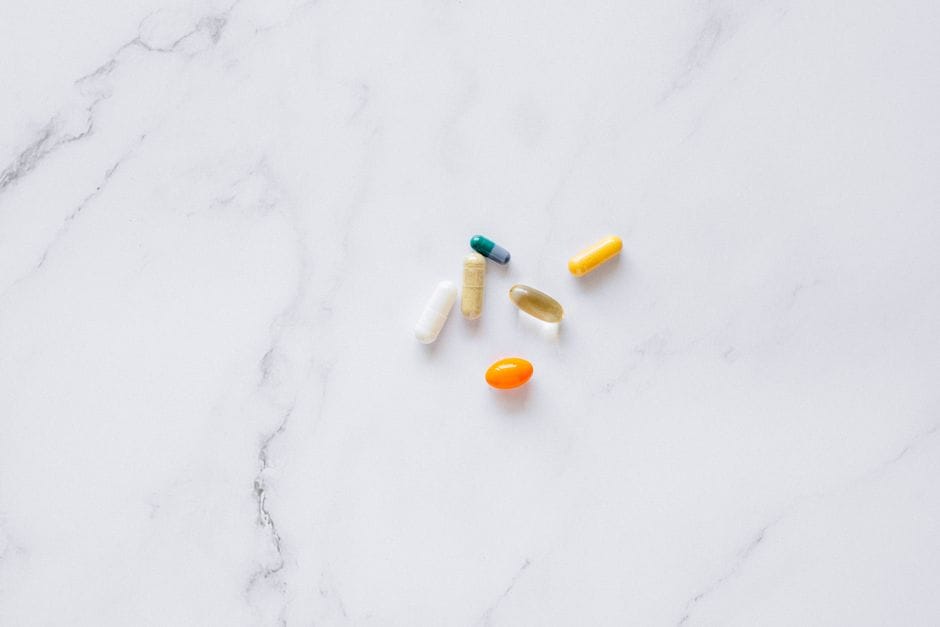
Multivitamins and single-nutrient D supplements. The vast majority of over-the-counter vitamin D supplements use lanolin-derived D3. Softgel capsules add a second concern because the capsule shell is often made from gelatin, which is also animal-derived.
Protein powders and meal replacement shakes. Many of these are enriched with vitamins including D3, and the source is rarely disclosed on the front of pack.
Margarine and spreads. Some fortified spreads contain D3. Not all vegan-positioned spreads are fortified with vitamin D at all, but those that are may use animal-derived D3 unless certified.
How to Spot Vegan D3 on Labels
Reading labels for vitamin D3 requires more than a glance at the ingredient list because the source is rarely printed there.
Look for the word "lichen." A product using lichen-derived D3 will usually say so, because it is a genuine selling point. Phrases such as "D3 from lichen," "plant-based D3," or a trademark name like Vitashine are positive signs.
Check for vegan certification. A Vegan Society Trademark, Certified Vegan logo (from Vegan Action), or equivalent third-party mark means the D3 source has been verified. These symbols are the most reliable shortcut.
Treat unlabeled D3 as animal-derived. The Vegetarian Resource Group found that cereals, orange juice, and margarines are typically fortified with lanolin-derived D3, while soy milk is more likely to use D2. If a product simply lists "vitamin D3" with no certification, the default assumption should be lanolin.
Check the capsule shell too. On supplements, look for capsule materials listed as hypromellose (HPMC) or cellulose rather than gelatin. A lichen-derived D3 in a gelatin capsule is still not fully vegan.
Contact the brand. Many manufacturers will confirm the source of their vitamin D in writing. If a product matters to you and the label is unclear, a short email to their customer service is often the fastest route to a definitive answer.
Vegan Alternatives for Getting Enough Vitamin D
Vegans have solid options for maintaining healthy vitamin D levels without relying on animal-derived D3.
Lichen-derived D3 supplements. These are now widely available from specialist vegan supplement brands online and in health stores. Look for products using Vitashine or similar registered vegan D3 ingredients. They provide the same potency as lanolin-derived D3 with no animal involvement.
Vitamin D2 supplements. D2 is fully vegan and effective at preventing deficiency. Some practitioners recommend taking a slightly higher dose or supplementing more consistently to match the sustained blood-level effect of D3.
Fortified plant milks with D2. Soy milk brands have historically favored D2 fortification. Checking the label or the brand's FAQ page can confirm which form they use.
UV-exposed mushrooms. Mushrooms exposed to sunlight or UV lamps can accumulate meaningful amounts of vitamin D2. Placing commercially available mushrooms gill-side up in direct midday sunlight for around 15 to 30 minutes is a real food-based source, though the amount varies.
Sunlight. The body produces D3 in the skin from UVB exposure. Around 10 to 30 minutes of midday sun on arms and legs several times a week is enough for many people in summer months. This is the only route to genuinely "vegan" cholecalciferol, since the body makes it without any animal ingredients. The Vegan Society recommends supplementing from October through March in northern latitudes where winter sun is too weak to trigger synthesis.
Frequently asked questions
Is vitamin D2 always vegan?+
Yes. Vitamin D2 (ergocalciferol) is produced by exposing ergosterol from yeast to ultraviolet light. No animal products are involved at any stage, making it suitable for vegans. It is less potent than D3 at raising blood vitamin D levels, but it is an effective and genuinely plant-based option.
Can I tell from a supplement label whether the D3 is from lanolin or lichen?+
Not always. Most labels simply list "cholecalciferol" or "vitamin D3" without naming the source. The clearest signals are a Vegan Society Trademark or equivalent certification, or a phrase such as "from lichen" or a named vegan ingredient like Vitashine. If none of those appear, the D3 is almost certainly from lanolin.
Are plant milks safe to assume vegan for vitamin D?+
Not automatically. Soy milks have historically used vitamin D2, which is vegan. Other plant milks, including some oat and almond varieties, are sometimes fortified with D3. Because the source is rarely stated on the carton, it is worth checking the brand's website or contacting them directly if the product is not certified vegan.
Is sunlight-produced vitamin D vegan?+
Yes. When human skin converts UVB sunlight into cholecalciferol, the process is entirely internal and involves no animal-derived ingredients. Sunlight exposure is the one route to getting the D3 form of vitamin D that is unambiguously vegan. Supplementing with lichen-derived D3 covers the gap during winter months or for those who cannot get regular sun exposure.
Written by
VeganDigest Editorial is the small independent team that researches and fact-checks this site. We are not doctors or dietitians. For every is-it-vegan verdict we read the product's current ingredient list and manufacturer information, and for anything health-related we report guidance from recognized bodies such as the NHS, the Vegan Society, and the Academy of Nutrition and Dietetics rather than offering medical advice. Every page shows the date it was last verified, and our full process is on the How We Verify page.

Comments