Is Prego Pasta Sauce Vegan?
It Depends
Not certifiedMost of Prego's classic tomato-based sauces are vegan, including the popular Traditional, No Sugar Added Traditional, Roasted Garlic and Herb, and Fresh Mushroom varieties. However, several flavor lines are clearly not vegan: all Alfredo and cheese sauces contain cream, butter, real cheese, whey, and often egg yolks; meat varieties contain beef, pork, or Italian sausage. Roughly a third of the full Prego lineup is off-limits for vegans.
The catch: The "Three Cheese" and Alfredo lines look like pasta sauce but contain multiple dairy ingredients including cream, real cheese, whey, and enzyme-modified egg yolks. The word "Flavored with Meat" on certain red-sauce jars also signals actual beef or pork inside, not just seasoning.
Category
Condiments
Verdict
It Depends
Brand
Prego (Campbell's)
The Prego Traditional sauce ingredient list is clean: tomato puree, diced tomatoes, sugar, canola oil, dried onions, dried garlic, spices, basil, citric acid, onion extract, garlic extract. No hidden dairy, no animal stock.
Campbell's labels the Traditional and No Sugar Added Traditional as vegan on their own website. The same clean profile applies to other plain tomato varieties like Roasted Garlic and Herb and Fresh Mushroom.
Problems start the moment you move to any of these sub-lines: (1) Cheese sauces: Three Cheese contains granular cheese, ricotta, whey, and parmesan paste. Creamy Cheddar Cheese Sauce contains cream, cheddar, butter, whey, sour cream, and milk.
(2) Alfredo sauces: All Alfredo varieties (Homestyle, Four Cheese, Roasted Garlic and Parmesan) contain cream, multiple real cheeses, butter, dehydrated whey, nonfat dry milk, and enzyme-modified egg yolks. (3) Meat sauces: "Flavored with Meat" contains real beef and beef fat.
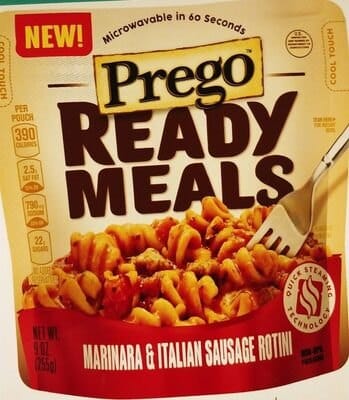
Bolognese contains seasoned beef and pork crumbles. Italian Sausage and Garlic contains pork sausage.
Prego also sells a "Plant Protein" line that uses soy-based vegan meat crumbles, which is fully vegan. When shopping, safe choices are any jar labeled simply with a tomato-based description and no mention of cheese, Alfredo, or meat.
Always read the label since formulations can change.
Related ingredient guides: Is whey vegan?
What makes it non-vegan
- ✕cream
- ✕cheddar cheese (milk)
- ✕parmesan cheese (part-skim milk)
- ✕romano cheese (cow's milk)
- ✕ricotta cheese (whey, cream)
- ✕butter
- ✕enzyme modified egg yolks
- ✕whey
- ✕nonfat dry milk
- ✕beef
- ✕pork
- ✕Italian sausage (pork)
Vegan alternatives
- ✓ Rao's Homemade Marinara Sauce (vegan, clean ingredients)
- ✓ Muir Glen Organic Tomato Basil Pasta Sauce (certified organic, vegan)
- ✓ Barilla Tomato and Basil Sauce (vegan-friendly classic)
- ✓ Victoria Fine Foods Marinara Sauce (vegan)
- ✓ Amy's Organic Marinara Pasta Sauce (vegan)
As an Amazon Associate we earn from qualifying purchases.
Prefer to make it from scratch? Try our vegan mayo, vegan ranch, or vegan sour cream recipes, or browse all vegan swaps.
Other condiments
Frequently asked
Is Prego Pasta Sauce Vegan?
Most of Prego's classic tomato-based sauces are vegan, including the popular Traditional, No Sugar Added Traditional, Roasted Garlic and Herb, and Fresh Mushroom varieties. However, several flavor lines are clearly not vegan: all Alfredo and cheese sauces contain cream, butter, real cheese, whey, and often egg yolks; meat varieties contain beef, pork, or Italian sausage. Roughly a third of the full Prego lineup is off-limits for vegans.
What is the catch with Prego Pasta Sauce?
The "Three Cheese" and Alfredo lines look like pasta sauce but contain multiple dairy ingredients including cream, real cheese, whey, and enzyme-modified egg yolks. The word "Flavored with Meat" on certain red-sauce jars also signals actual beef or pork inside, not just seasoning.
What can I use instead of Prego Pasta Sauce?
Vegan options include Rao's Homemade Marinara Sauce (vegan, clean ingredients), Muir Glen Organic Tomato Basil Pasta Sauce (certified organic, vegan), Barilla Tomato and Basil Sauce (vegan-friendly classic), Victoria Fine Foods Marinara Sauce (vegan).
Is Prego Pasta Sauce certified vegan?
Prego Pasta Sauce does not carry a third-party vegan certification, so the verdict here is based on its current ingredient list and manufacturer information.
Sources
Last verified June 20, 2026. See how we verify. Always confirm on the current product label, since recipes change. Product photo via Open Food Facts.
Comments