Vegan Sour Cream That Actually Tastes Tangy
- Gluten-free
- Soy-free
- Oil-free
In this guide8
The first batch of vegan sour cream I ever made tasted like sweetened nut paste. I'd done the soaked-cashew thing, blended it smooth, dolloped it proudly onto a bowl of chili, and taken a bite expecting that sharp cool tang that cuts through spice. Instead I got... creamy.
Pleasant. Completely wrong. It was missing the entire point of sour cream, which is right there in the name.
Sour.
Here's the thing nobody tells you when you start: cashews are sweet. Mildly, but enough that they fight you. They soak up acid like a sponge, and most recipes don't tell you to keep going long past the point where you think you've added enough lemon.
Once I understood that, the whole thing clicked. Now I make this weekly, and I genuinely prefer it to the dairy version I grew up spooning onto baked potatoes.
This guide covers the from-scratch recipe (cashew and a lighter tofu version), exactly how to land the tang, and an honest rundown of the store-bought brands worth your money. Jump to recipe if you're in a hurry, but the tang section is the part that actually matters.
Why dairy sour cream isn't vegan
Sour cream is one of those products where the "sour" comes from a real fermentation. You take dairy cream, introduce lactic acid bacteria, and let them sit in a warm spot.
The bacteria eat the milk sugars and produce lactic acid, which both thickens the cream and gives it that characteristic tang. It's genuinely fermented food. It's also entirely built on cow's milk, which makes it firmly not vegan.
There's no hidden gray area here, no "well it depends on the brand" like you get with some processed foods. Standard sour cream is dairy cream plus bacterial culture, sometimes with rennet or gelatin or modified milk ingredients added for stability.
If you ever want to sanity-check a tub you're holding in the store, run the label through the vegan ingredient checker or look the brand up in our Is It Vegan database. But for anything labeled plain "sour cream," you already know the answer.
What we're doing from scratch is recreating that tang without the dairy. The fermentation flavor we fake with acid, lemon juice and vinegar standing in for the lactic acid the bacteria would have made. It's not a perfect chemical match, but on the tongue, it's close enough that I've served it to dairy-eaters who didn't clock it.
The cashew base, and why it works
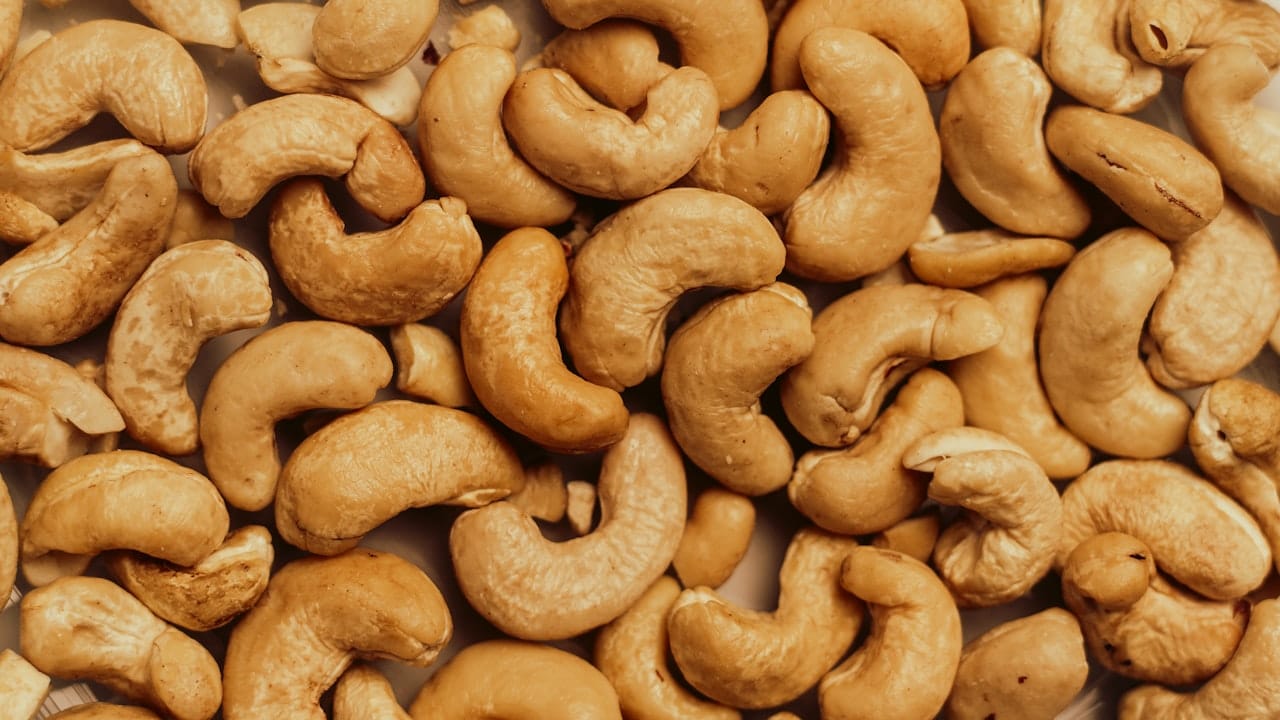 Photo: Kischmisch / Unsplash
Cashews are the workhorse of dairy-free cooking for a reason. They're lower in fiber than most nuts, so when you soak and blend them, they break down into something genuinely smooth rather than gritty. No chalky aftertaste, no obvious nuttiness shouting over everything else.
They turn into a blank, rich, creamy canvas. If you've already made cashew cream, you know exactly what I mean. Sour cream is basically that, but pushed hard in the acid direction and kept thick.
The soak matters. Cover your cashews in cold water overnight, or use the shortcut I lean on most days: pour just-boiled water over them and let them sit for 25 minutes.
Either way, you're softening the cell walls so your blender can fully emulsify the fat and water into something dairy-smooth. Skip the soak and you'll get a grainy, slightly granular texture that never quite resolves, even in a Vitamix.
You do want a decent blender for this. A high-speed one (Vitamix, Blendtec, a strong NutriBullet) gets you silky in about 90 seconds. A standard countertop blender will get there too if your cashews are well-soaked and you're patient, maybe two to three minutes with a scrape-down.
A food processor won't, it'll leave you with a textured spread rather than a smooth cream.
Getting the tang right (this is the whole job)
This is where most homemade vegan sour cream falls apart, so read this part twice.
The recipe calls for two acids working together, and they do different jobs. Lemon juice gives you that bright, fresh sourness up front. Apple cider vinegar gives you the deeper, slightly funky, fermented note that makes it read as actual sour cream rather than just lemony cashew cream.
You need both. Drop the vinegar and it tastes like a salad dressing. Drop the lemon and it tastes flat and one-note.
Here's the rule that saved me: add acid in stages, and keep going past the point where you think you're done. Blend, taste, and ask yourself, does this make me blink slightly? If not, it's not tangy enough yet.
Cashews mute acid more than you'd expect, so a quantity that would be aggressive in a vinaigrette lands as merely pleasant here. Add another teaspoon of lemon, blend, taste again.
Salt is the secret second lever. A proper pinch of salt doesn't just season the cream, it sharpens your perception of the sourness. If your sour cream tastes flat but you're worried about adding more acid, try a little more salt first.
Often that's the missing piece.
One more thing that took me a while to learn: the tang develops overnight. Whatever you taste right after blending will read a notch sharper after a night in the fridge as the flavors settle and marry. So aim for slightly too tangy when you blend.
If it tastes perfectly balanced warm and fresh, it'll taste a little dull tomorrow.
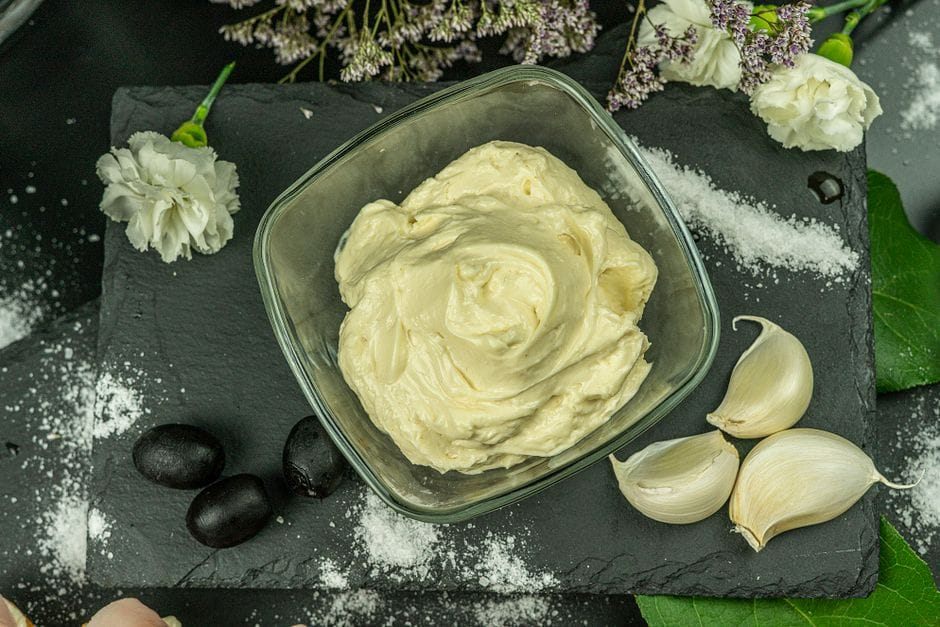
The tofu version (lighter, even tangier)
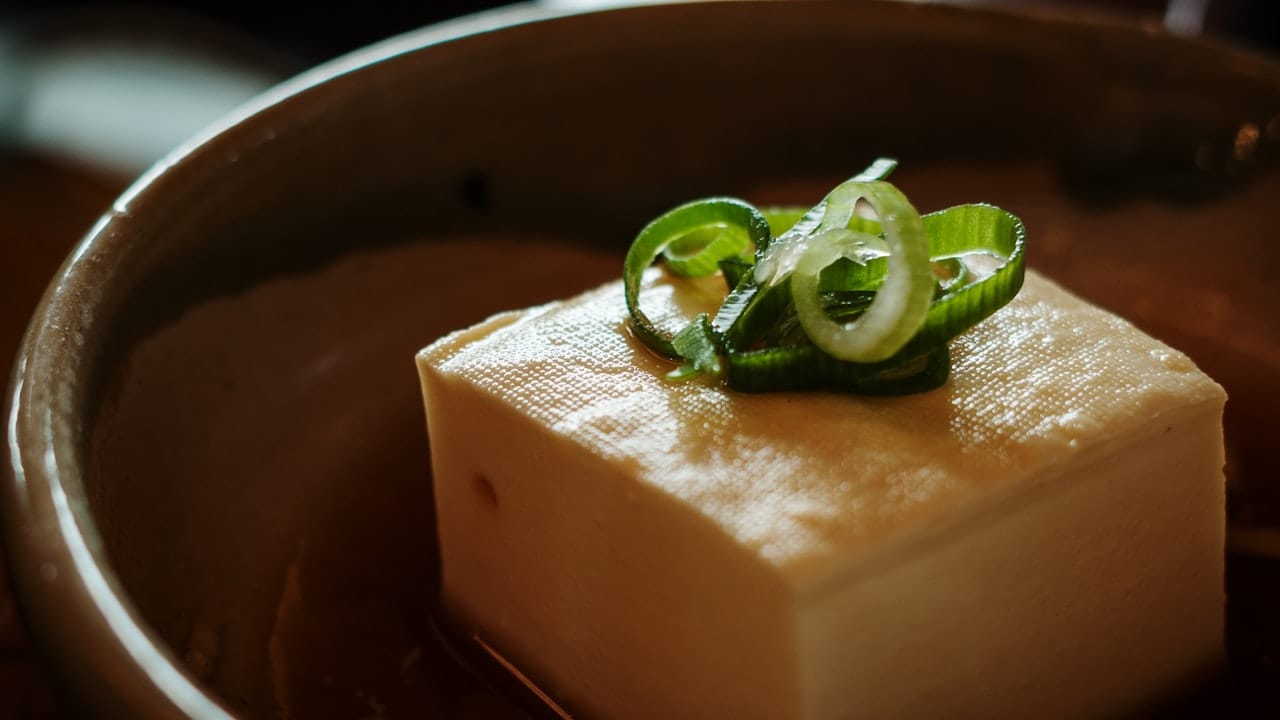 Photo: Leongsan / Unsplash
Some nights I don't want the richness of cashews, or I've run out, or I want more protein and less fat. That's when I make the tofu version, and honestly it might be the tangier of the two.
Blend about 200 g of drained firm silken or soft tofu with lemon juice, apple cider vinegar, salt, and a teaspoon of neutral oil to add back a little of the fattiness that makes sour cream feel like sour cream. No soaking, no waiting, it comes together in two minutes flat.
Because tofu is far less sweet than cashews, it doesn't fight the acid the same way, so the tang comes through faster and you need slightly less lemon to get there.
The trade-off is texture. Tofu sour cream is a touch lighter and ever so slightly thinner, and it can carry a faint beany note if you use a cheaper tofu, so drain it well and lean on a good brand.
If you're new to working with it, our notes on how to cook tofu and how to press tofu are worth a read, though for this you want silken or soft tofu and you don't press it. I reach for the tofu version when I'm topping tacos or a chili and want something that feels lighter against a heavy, rich dish.
The best store-bought vegan sour cream
I make my own most weeks, but I keep a tub in the fridge for the nights I don't. Here's my honest take on the three brands you're most likely to find.
Forager Project Dairy-Free Sour Cream. This is my top pick. It's cashew-based and organic, and it's the one that comes closest to nailing real tang rather than just being creamy. The texture is thick and proper, it holds a dollop, and the flavor is genuinely cultured.
If your store carries it, start here.
Kite Hill Sour Cream Alternative. Kite Hill builds its dairy-free products on cultured almond milk, and you can taste the fermentation, which I appreciate. It's a little softer and looser than Forager, slightly more delicate in flavor, but it's a clean, well-made product.
You can read more about the brand's range in our Kite Hill rundown. Great for dips and dressings where a slightly thinner texture is no problem.
Tofutti Sour Supreme. The old guard. Tofutti has been around far longer than the others, it's soy-based, and it's usually the cheapest and most widely available of the three.
The flavor is milder and a bit less "fermented" tasting, and the ingredient list is more processed, but it melts into a baked potato beautifully and it's reliably easy to find. A solid budget default.
A quick honesty note: formulations change, and a brand can quietly tweak ingredients. If you're ever unsure about a specific tub, the fastest check is to scan the label with the ingredient checker rather than trusting a label you saw a year ago.
How I actually use it
This is the fun part, because sour cream earns its place by what it does to other food.
Tacos and burrito bowls. The original use, and still the best. That cool, tangy dollop is what balances the heat and the salt of a loaded taco. The tofu version is my pick here because it's lighter against everything else going on.
Baked potatoes. A hot, fluffy baked potato split open with a spoonful of cold tangy sour cream melting into it is one of the great simple pleasures, vegan or not. The cashew version's richness shines here. Add chives, a little salt, done.
Dips. Fold in chopped herbs, garlic, and a squeeze more lemon and you've got a ranch-style dip or a green-onion dip in minutes. Blended with herbs it's also a fantastic drizzle for grain bowls. This is where homemade really pulls ahead of store-bought, because you control the thickness.
Dolloped on soups and chili. Stir a spoonful into a bowl of black bean soup or smoky chili right before eating. Add it cold, on top, off the heat, so it doesn't split. That swirl of tang against a deep savory soup is exactly the contrast you want.
In baking and dressings. It adds moisture and a faint tang to muffins and quick breads, the same way dairy sour cream does. If you're building a dairy-free kitchen, it sits naturally alongside the other substitutes you'll lean on, like a good vegan butter and a jar of vegan mayo.
What I got wrong so you don't have to
A few hard-won lessons from batches that flopped.
I once tried to "thicken" a too-thin batch by adding more cashews to already-blended cream, and just made the blender struggle and the texture grainy. Don't do that.
If it's too thin, you added too much water at the start, so the fix for next time is less water, not more solids. Start thick. You can always loosen with a teaspoon of water.
I've also boiled it. Stirred a generous dollop into a sauce that was still actively bubbling, watched it go grainy and slightly split, and learned my lesson. Treat it like dairy sour cream: it's a finishing ingredient, added off the heat.
Same rule, same reason.
And early on I under-salted constantly, because I was nervous about it tasting salty. But salt is what makes the tang pop. An under-salted sour cream tastes flat and rich, never sharp, no matter how much lemon you pour in.
Season it properly.
The takeaway
Good vegan sour cream comes down to one idea: don't be shy with the acid. Cashews are sweet and they'll soak up far more lemon and vinegar than you expect, so keep tasting and keep adding until it makes you blink.
Salt to sharpen it, chill it overnight to let the tang settle, and you'll have something that genuinely earns the word "sour."
Keep a tub of Forager in the fridge for the busy nights, make the cashew version when you want it rich, and reach for the tofu version when you want it light. Once you've got the tang dialed in, you'll stop thinking of this as a substitute at all. It's just sour cream, and it happens to be vegan.
The recipe
Tangy Cashew Vegan Sour Cream
Prep
10 min
Total
10 min
Makes
about 1.25 cups (300 ml)
Ingredients
- 1 cup (140 g) raw cashews, soaked and drained (see notes for the quick soak)
- 1/3 cup (80 ml) fresh cold water, plus more as needed
- 2 Tbsp fresh lemon juice (from about 1 large lemon)
- 2 tsp apple cider vinegar (this is what makes it taste fermented)
- 1/2 tsp fine sea salt, plus more to taste
- 1 tsp nutritional yeast (optional, for a faint cultured savoriness)
- 1/4 tsp Dijon mustard (optional, deepens the tang without tasting like mustard)
Instructions
- 1 Drain the soaked cashews and rinse them well under cold water.
- 2 Add the cashews, 1/3 cup water, lemon juice, vinegar, and salt to a high-speed blender.
- 3 Blend on high for 60 to 90 seconds, stopping once to scrape down the sides, until completely smooth with no grit.
- 4 Taste. It should taste noticeably tangy and a touch salty. If it's flat, add lemon and vinegar 1 teaspoon at a time, blending between additions.
- 5 Add the nutritional yeast and Dijon if using, then blend for 10 more seconds.
- 6 If it's thicker than you want, add water 1 teaspoon at a time and blend briefly. Keep it spoonable, not pourable.
- 7 Transfer to a sealed jar and chill for at least 30 minutes. It firms up and the tang settles in as it sits.
Notes
- ·Quick soak: pour just-boiled water over the cashews and leave for 20 to 30 minutes, then drain. Overnight cold soak (6 to 8 hours) also works.
- ·Tofu version: blend 200 g drained firm silken or soft tofu with 1.5 Tbsp lemon juice, 1.5 tsp apple cider vinegar, 1/2 tsp salt, and 1 tsp neutral oil. No soaking needed. Lighter, tangier, lower in fat.
- ·The tang keeps developing overnight. If it tastes balanced right after blending, it may taste a little flat tomorrow, so err slightly sharp.
Calories
70 per 2 Tbsp
Protein
2 g
Fat
6 g
Carbs
3 g
Frequently asked questions
Is store-bought sour cream vegan?+
No, regular sour cream is not vegan. It's made by fermenting dairy cream with lactic acid bacteria, so the base is cow's milk. You'll find plenty of dedicated vegan sour creams in the chilled aisle, though. Forager, Kite Hill, and Tofutti all make solid ones, and they're clearly labeled.
Why isn't my homemade vegan sour cream tangy enough?+
Almost always because you stopped adding acid too early. Cashews are rich and naturally sweet, so they swallow a surprising amount of lemon and vinegar before the tang shows up. Add acid in stages, blend, taste, and keep going until it makes you blink slightly. A little salt also sharpens the perception of tang.
How long does homemade vegan sour cream last in the fridge?+
The cashew version keeps for about 5 days in a sealed jar, and the tofu version for around 4. Both thicken as they sit, which you can loosen with a teaspoon of water and a stir. If you see any color change or smell anything off, toss it. There's no preservative in here doing the heavy lifting.
Can I cook with vegan sour cream or only use it cold?+
You can cook with it, but stir it in off the heat or at the very end. Cashew-based sour cream can split or turn grainy if you boil it hard, the same way dairy sour cream curdles. Dollop it on after plating, or fold it into a warm (not bubbling) sauce. For chilled uses like dips and tacos, it's perfect straight from the jar.
Written by
VeganDigest Editorial is the small independent team that researches and fact-checks this site. We are not doctors or dietitians. For every is-it-vegan verdict we read the product's current ingredient list and manufacturer information, and for anything health-related we report guidance from recognized bodies such as the NHS, the Vegan Society, and the Academy of Nutrition and Dietetics rather than offering medical advice. Every page shows the date it was last verified, and our full process is on the How We Verify page.
Comments