Vegan Ranch Dressing (Creamy and Herby)

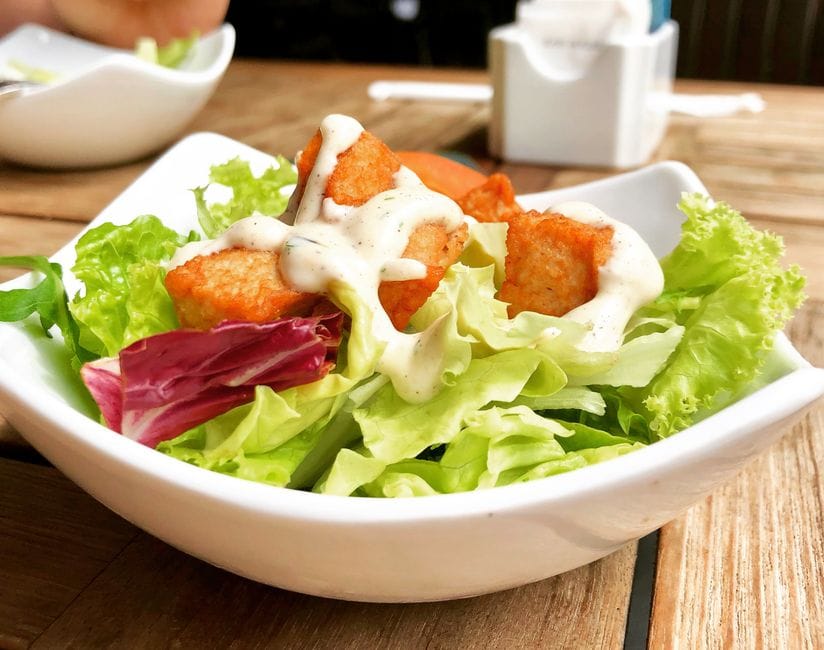
- Nut-free
- Oil-free
In this guide9
- 01Why regular ranch isn't vegan
- 02The fake buttermilk that makes it taste like ranch
- 03The mayo base (the fast everyday version)
- 04The cashew version (richer, soy-free)
- 05Getting the herb and tang balance right
- 06Is store-bought vegan ranch any good, and which brands win
- 07How I actually use it
- 08What I got wrong so you don't have to
- 09The takeaway
The first vegan ranch I made was a beige tragedy. I'd whisked vegan mayo with some plant milk, shaken in garlic powder, and called it done. It looked the part.
Then I dunked a carrot, took a bite, and got nothing. Not bad, exactly, just flat and creamy and completely beside the point.
Ranch is supposed to be tangy and bright and a little punchy with herbs and garlic, and mine tasted like seasoned mayonnaise that had given up.
The fix turned out to be two things I'd skipped: acid and fresh dill. Real ranch is built on buttermilk, which is tangy and slightly sour, and on a real green hit of herbs. Leave those out and you have a sad white sauce.
Put them back and the whole thing snaps into focus. I make this almost weekly now, mostly because I keep finding new things to dunk in it, and I genuinely prefer it to the bottled dairy ranch I grew up squeezing onto pizza crusts.
This guide covers the from-scratch recipe (a quick vegan-mayo version and a richer cashew one), how to land the tang and herb balance, whether store ranch is vegan, and an honest rundown of the brands worth buying. Skip to the recipe if you're hungry, but the tang section is where the magic happens.
Why regular ranch isn't vegan
Ranch is one of those sauces that sounds like it might sneak under the wire, but it doesn't. The classic formula is buttermilk plus either mayonnaise or sour cream, blended with garlic, onion, herbs, and salt. Every one of those base ingredients is an animal product.
Buttermilk is cultured dairy milk. Mayonnaise is built on eggs. Sour cream is fermented dairy cream.
So the foundation of ranch, before you even get to the seasonings, is dairy and egg stacked together.
Bottled versions add more. You'll often see buttermilk solids, whey, milk protein concentrate, or modified milk ingredients listed for thickness and that tangy flavor. None of it is vegan.
If you ever want to sanity-check a specific bottle you're holding, run the label through the vegan ingredient checker or look the brand up in our Is It Vegan database. But for any bottle labeled plain "ranch," you already know the answer without reading further.
What we're doing from scratch is rebuilding that buttermilk tang and herby depth without the dairy or egg. The mayo we swap for vegan mayo, which is plenty creamy.
The buttermilk we fake with plant milk and acid, which is genuinely the easiest part of the whole thing, as I'll show you in a second. You can read more about the broader category of dairy-free swaps over in our substitutes hub, but ranch is one of the simplest to nail.
The fake buttermilk that makes it taste like ranch
 Photo: Loren Castillo / Pexels
Here is the single trick that separates real ranch from seasoned mayo, and it takes five minutes and two ingredients.
Buttermilk is what gives ranch its tang and that faint cultured sourness underneath the herbs. You can recreate it shockingly well by souring plant milk.
Stir a little lemon juice and apple cider vinegar into unsweetened soy or oat milk, let it sit for five minutes, and it curdles slightly and turns tangy. That's it. That's vegan buttermilk, and it's the backbone of a believable ranch.
I keep a deeper walkthrough in our vegan buttermilk notes, but the short version lives right in the recipe above.
Use unsweetened plant milk, and I mean check the carton, because sweetened oat milk in a savory dressing tastes faintly dessert-like in a way you can't quite place. Soy milk gives the most neutral, dairy-like result and curdles reliably. Oat milk works and is a touch creamier.
If you want to understand why some plant milks thicken and others stay thin, our piece on oat milk gets into the starch behavior, which matters more than you'd think for a dressing.
The acid does double duty. Lemon juice brings the bright, fresh sourness up front. Apple cider vinegar brings the deeper, slightly funky note that reads as actual cultured buttermilk rather than just lemony milk.
Use both. Drop the vinegar and it tastes like a lemon dressing. Drop the lemon and it tastes flat and one-dimensional. Together they do the job the bacteria would have done in real buttermilk.
The mayo base (the fast everyday version)
Most weeknights I reach for the vegan-mayo version because it comes together in the time it takes to chop the herbs. Vegan mayo already gives you the emulsified richness and body that ranch needs, so you're really just flavoring it and loosening it to a pourable consistency.
Whisk the soured plant milk into the mayo until it's smooth, then build in the garlic powder, onion powder, salt, and pepper. Use powder, not fresh garlic, and here's why: raw garlic is sharp and aggressive and keeps getting stronger as the dressing sits, so by the next day your ranch tastes like a garlic bomb.
Garlic powder gives you even, mellow, classic ranch flavor that stays put. Same logic for onion powder over fresh onion. This is the rare case where the powdered version is genuinely the right call, not a shortcut.
For the mayo itself, any good store-bought vegan mayo works (Follow Your Heart Vegenaise and Hellmann's Vegan are both excellent here), or use homemade. Our vegan mayo recipe with aquafaba is a good place to start, and you can read why aquafaba emulsifies so well in the egg-substitute guide. The richer and more neutral your mayo, the better the ranch.
The cashew version (richer, soy-free)
 Photo: AI25.Studio Studio / Pexels
When I want something thicker, or I'm cooking for someone avoiding soy, I make the cashew version. It's the same flavor blueprint, just built on a blended cashew base rather than mayo.
Soak a cup of cashews, then blend them with water, the lemon and vinegar, the garlic and onion powder, and salt until completely silky. Stir the herbs in by hand afterward so they stay visible and fresh rather than getting pulverized into green specks.
The result is thicker and creamier, with a rounder mouthfeel that clings to a wedge of romaine. If you've already made cashew cream, you know the texture, and ranch is basically that pushed in the tangy, herby direction.
The soak matters. Cover your cashews in cold water overnight, or pour just-boiled water over them and let them sit for 25 minutes for a quick soak. You want them soft enough that a high-speed blender turns them glassy-smooth in about 90 seconds.
Skip the soak and you get a grainy dressing that never fully resolves, and a food processor won't get there either. One note on tang: cashews are naturally a little sweet, so they soak up acid more than you'd expect.
Lean harder on the lemon and vinegar than feels reasonable, and keep tasting.
Getting the herb and tang balance right
This is the part that actually decides whether your ranch is good, so read it slowly.
Fresh dill is the signature. It's the herb your brain associates with ranch even if you've never consciously noticed it. Fresh dill tastes green, grassy, and slightly anise-bright in a way dried dill just doesn't.
If you can get fresh, get fresh. Chop it fine so you get a little in every dip. I add chives or parsley alongside for a second green note, but dill is the one doing the heavy lifting.
If you only have dried dill, it still works, but make the ranch at least an hour ahead so the dried herbs rehydrate and bloom into the dressing instead of tasting dusty.
On the tang: ranch should make you sit up a little. If it tastes creamy but dull, you're short on acid, salt, or both. Add lemon a teaspoon at a time, blend or whisk, and taste.
Then add salt, because here's the thing most people miss, salt is what makes the tang register. An under-salted ranch tastes flat and rich no matter how much lemon you pour in, because your palate can't read the sourness clearly without the salt sharpening it.
So season properly, and don't be timid.
Let it rest. This is non-negotiable for me now. Straight after mixing, the garlic and onion powders taste raw and a little harsh, and the herbs haven't released their flavor yet.
Thirty minutes in the fridge, and ideally a few hours, transforms it. The flavors marry, the garlic mellows, the dill blooms, and the tang settles into something rounded instead of sharp-edged. Make it ahead if you can.
Is store-bought vegan ranch any good, and which brands win
Plenty of nights I don't make it from scratch, so I've worked through the bottles. Here's my honest take on the ones you're most likely to find.
Follow Your Heart Vegan Ranch. This is my top pick. The same company makes Vegenaise, so they clearly know their way around a creamy emulsion, and it shows.
The texture is thick and proper, it clings to a carrot the way ranch should, and crucially it actually tastes tangy and herby rather than just creamy. If your store carries it, start here. It's the closest to a really good homemade batch.
Daiya Homestyle Ranch. The most widely available of the bunch, and the most kid-friendly. It's milder, a touch sweeter, and very smooth, which makes it an easy crowd-pleaser, especially with people new to dairy-free food.
It's a little less sharp and herb-forward than I personally want, but it's reliable, it's everywhere, and it pours nicely over a salad. A safe default.
Daiya is the same brand behind a lot of dairy-free cheese, and you can read where it lands in our wider substitutes coverage.
Hidden Valley Plant Powered Ranch. The original ranch brand made a vegan version, which is interesting because they have decades of practice at this exact flavor. It tastes recognizably like the ranch a lot of people grew up with, mellow and creamy. Availability is patchier than Daiya, but worth grabbing if you see it.
A quick honesty note: formulations change, and brands quietly tweak recipes. If you're ever unsure about a specific bottle, scan the label with the ingredient checker rather than trusting a label you read a year ago.
For broader context on how strict "vegan" labeling is, the Vegan Society trademark is a reliable signal when you see it on a bottle.
How I actually use it
Ranch earns its place by what it does to other food, and it does a lot.
As a dip for raw vegetables. The original and still elite. Cold crunchy carrots, celery, cucumber, and bell pepper into a thick batch of ranch is the snack I make on autopilot. Halve the plant milk for a scoopable dip rather than a pourable dressing.
Over salads. Pour it over crisp romaine, shredded cabbage, or a loaded chopped salad. A wedge of iceberg with cold ranch and cracked pepper is absurdly good for how little effort it takes.
With anything crispy. Air-fried cauliflower, crispy tofu, and roasted chickpeas all beg for ranch. If you're making the tofu, our notes on how to cook tofu in the air fryer get it properly crunchy, and the ranch does the rest.
On pizza, wraps, and bowls. Drizzle it on a grain bowl, spread it in a wrap instead of mayo, or dunk pizza crusts in it like I did as a kid. It sits naturally next to a jar of vegan mayo and a tub of vegan sour cream, which, if you fold herbs into it, is basically ranch's thicker cousin.
What I got wrong so you don't have to
A few hard lessons from batches that flopped.
I used fresh minced garlic in an early batch, thinking fresh is always better. By day two it had taken over and tasted like raw garlic and not much else. Powder, always powder, for ranch.
I skipped the acid more than once, figuring the mayo's own tang would carry it. It never did. Mayo is rich, not sour, and ranch needs that buttermilk sourness to taste like ranch.
The five-minute soured plant milk is the whole reason this works, so don't shortcut it down to a splash of milk.
And I served it immediately too many times, then wondered why it tasted harsh. Give it thirty minutes minimum in the fridge. The difference between fresh-mixed and rested ranch is night and day, and it costs you nothing but a little patience.
The takeaway
Good vegan ranch comes down to two things people skip: a real tang and real herbs. Sour your plant milk with lemon and vinegar so you've got buttermilk doing its job, lean on fresh dill, use garlic and onion powder rather than fresh, and salt it properly so the tang actually lands.
Let it rest, taste as you go, and don't stop adding acid until it makes you sit up.
Keep a bottle of Follow Your Heart in the fridge for the busy nights, make the mayo version when you want it fast, and blend the cashew version when you want it rich and soy-free. Once you've got the tang and herbs dialed in, you'll stop thinking of this as a substitute.
It's just ranch, and it happens to be vegan.
The recipe
Creamy Herby Vegan Ranch Dressing
Prep
10 min
Total
10 min
Makes
about 1.25 cups (300 ml), 8 servings
Ingredients
- 1/2 cup (120 g) vegan mayo (the base; gives it body and that classic ranch richness)
- 1/4 cup (60 ml) unsweetened plant milk (soy or oat hold up best; this thins it to pourable)
- 2 tsp fresh lemon juice (the up-front bright tang)
- 1 tsp apple cider vinegar (the deeper buttermilk note; do not skip this)
- 2 Tbsp fresh dill, finely chopped (the signature herb; or 2 tsp dried)
- 1 Tbsp fresh chives or parsley, finely chopped (for a fresh green lift)
- 1/2 tsp garlic powder (powder, not fresh, so the flavor is even and not sharp)
- 1/2 tsp onion powder (the other half of the classic ranch backbone)
- 1/2 tsp fine sea salt, plus more to taste (this is what makes the tang pop)
- Fresh black pepper, to taste (a generous few cracks; ranch likes pepper)
Instructions
- 1 Make the quick buttermilk: stir the lemon juice and apple cider vinegar into the plant milk and let it sit for 5 minutes. It will look slightly curdled, which is exactly what you want.
- 2 Add the vegan mayo to a bowl or jar, then pour in the soured plant milk and whisk until completely smooth.
- 3 Whisk in the garlic powder, onion powder, salt, and a few generous cracks of black pepper.
- 4 Stir in the chopped dill and chives until evenly distributed through the dressing.
- 5 Taste. It should be noticeably tangy and well seasoned. If it is flat, add lemon and salt a little at a time, tasting between each addition.
- 6 If it is thicker than you like, loosen with plant milk 1 teaspoon at a time until it pours the way you want.
- 7 Cover and chill for at least 30 minutes so the herbs and garlic bloom and the flavors marry. It tastes markedly better after this rest.
Notes
- ·Cashew version: blend 1 cup (140 g) soaked cashews with 1/2 cup water, the lemon, vinegar, garlic and onion powder, and salt until silky, then stir in the herbs by hand. Thicker, richer, soy-free.
- ·Dip vs dressing: for a thick dip, halve the plant milk. For a pourable salad dressing, add an extra 2 to 3 tablespoons until it coats a spoon and slides off.
- ·Dried dill works but tastes greener and brighter with fresh. If using dried, make the ranch at least an hour ahead so it has time to rehydrate.
Calories
90 per 2 Tbsp
Protein
0 g
Fat
9 g
Carbs
1 g
Frequently asked questions
Is store-bought ranch vegan?+
No, regular bottled ranch is not vegan. The base is buttermilk and either mayonnaise or sour cream, all dairy or egg products. Some brands also list whey or milk solids further down the label. The good news is there are several dedicated vegan ranches now, and they're clearly marked, so you don't have to squint at fine print to find one.
Which store-bought vegan ranch is best?+
Follow Your Heart Vegan Ranch is my top pick for flavor and tang, with a thick, proper dressing texture. Daiya Homestyle Ranch is the easiest to find and very kid-friendly, though a touch sweeter and milder. Hidden Valley also makes a Plant Powered Ranch now. All three are solid, and which one wins depends on whether you want sharp and herby or mellow and creamy.
Why does my homemade vegan ranch taste flat?+
Almost always missing acid and salt. Ranch lives on tang, so if it tastes creamy but dull, add lemon juice or vinegar a teaspoon at a time and a proper pinch of salt, then taste again. The other common culprit is dried dill standing in for fresh. Fresh herbs change the whole thing. If you only have dried, let the dressing sit an hour so they rehydrate and bloom.
How long does homemade vegan ranch keep?+
About 5 days in a sealed jar in the fridge for the mayo-based version, and roughly 4 days for the cashew version. It thickens as it sits because the herbs and starch keep absorbing liquid, so loosen it with a teaspoon of plant milk and a stir before serving. If you see any color change or smell anything sour beyond the intended tang, toss it.
Written by
VeganDigest Editorial is the small independent team that researches and fact-checks this site. We are not doctors or dietitians. For every is-it-vegan verdict we read the product's current ingredient list and manufacturer information, and for anything health-related we report guidance from recognized bodies such as the NHS, the Vegan Society, and the Academy of Nutrition and Dietetics rather than offering medical advice. Every page shows the date it was last verified, and our full process is on the How We Verify page.
Comments