Are Mono and Diglycerides Vegan? The Label Does Not Tell You

In this guide5
Mono and diglycerides may or may not be vegan: they are emulsifiers derived from either plant oils or animal fat, and the ingredient label almost never discloses which source was used. That one line of ambiguity makes them one of the most debated gray-area ingredients in vegan food shopping. Most commercial batches are plant-derived, but animal-fat versions exist and are chemically indistinguishable on a label. Strict vegans avoid them unless verified; more pragmatic vegans often accept them given the odds. The only reliable path to certainty is contacting the manufacturer directly or choosing products with a certified-vegan seal.
What Are Mono and Diglycerides?
Mono and diglycerides (listed in Europe as E471) are a class of emulsifiers made by bonding fatty acids to a glycerol molecule. Monoglycerides carry one fatty acid chain; diglycerides carry two. They are partial breakdown products of triglycerides, the fats found in both plant oils and animal tissue.
Manufacturers produce them industrially through a process called glycerolysis: triglycerides (from oils or fats) react with glycerol under heat and an alkaline catalyst, and the resulting mixture is then purified by molecular distillation. The finished additive performs a simple but valuable job in processed food: it helps oil and water stay blended, preventing separation and improving texture.
The US Food and Drug Administration classifies mono and diglycerides as Generally Recognized As Safe (GRAS). They appear in the ingredient list simply as "mono and diglycerides" or "mono- and diglycerides of fatty acids," with no indication of the source oil or fat.
Are Mono and Diglycerides Vegan?
The honest answer is: it depends on the batch, and the label will not tell you.
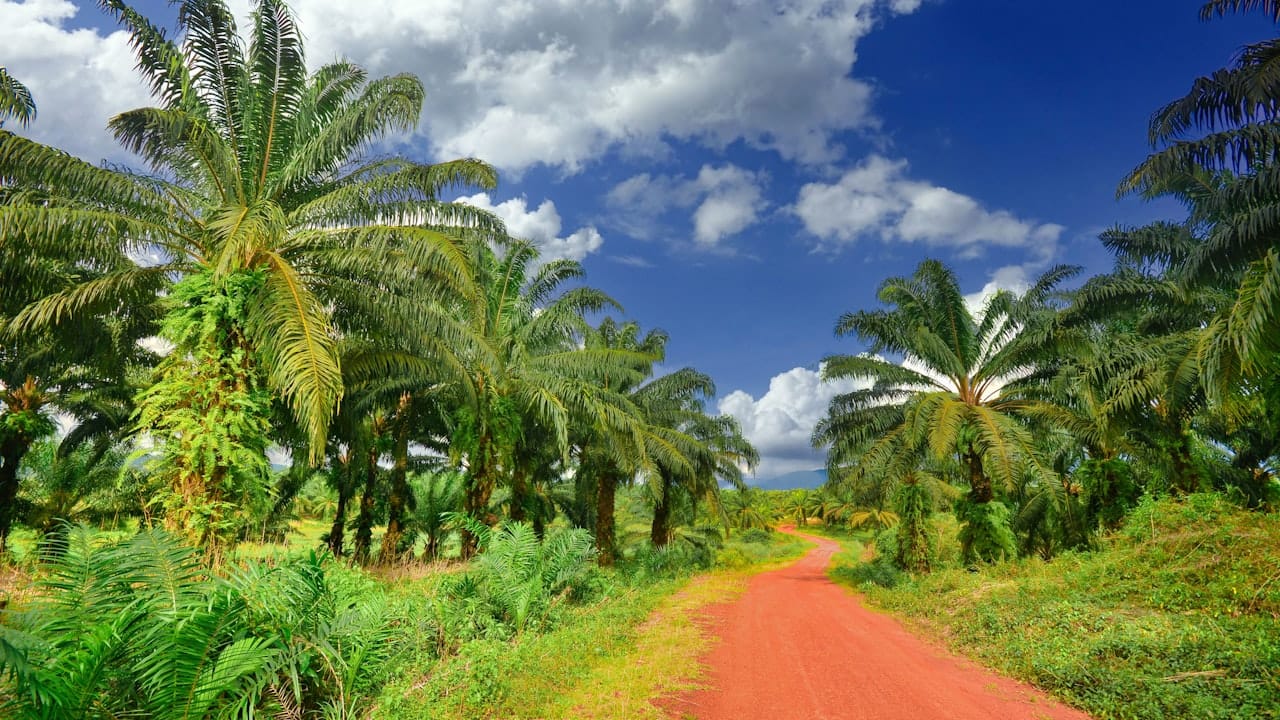
The raw material can come from plant oils such as soybean, sunflower, canola, coconut, and palm, or from animal fats such as lard (pork) or tallow (beef). The finished molecules are chemically identical regardless of origin, so there is no way to distinguish them by reading an ingredient list.
The Vegan Society flags E471 as "sometimes derived from animal fats" and recommends looking for the Vegan Trademark or contacting the supplier before purchasing. PETA's animal-derived ingredients list also includes monoglycerides, noting they may come from animal fat with the note "alternative: vegetable glycerides."
In practice, most commercially produced mono and diglycerides in the United States and Europe come from vegetable oils because plant-based feedstocks are cheaper and more abundant. That statistical reality shapes how different vegans approach the ingredient:
Strict vegans treat mono and diglycerides as a non-vegan ingredient until proven otherwise, avoiding any product that lists them without a certified-vegan logo or manufacturer confirmation of plant origin.
Pragmatic vegans often accept them, reasoning that the overwhelming majority of batches are plant-derived and that the Vegan Society's own definition of veganism includes the phrase "as far as is possible and practicable," which leaves room for unverifiable trace-level ambiguity in mass-produced food.
Both positions are defensible. The key is making an informed choice rather than assuming one way or the other.
Where Mono and Diglycerides Hide
These emulsifiers are among the most widely used food additives in processed food. You will find them in:
- Bread and baked goods. Sandwich bread, burger buns, dinner rolls, muffins, and packaged cakes use them to slow staling and keep crumb texture soft for longer.
- Margarine and spreads. They stabilize the water-in-oil emulsion that gives margarine its spreadable consistency.
- Peanut butter. Commercial (non-natural) peanut butter relies on them to prevent oil separation on the shelf.
- Ice cream and frozen desserts. They contribute a smoother, creamier mouthfeel and help prevent large ice crystals from forming.
- Non-dairy creamers. Many plant-based coffee creamers use them to keep the liquid homogeneous.
- Chocolate and candy coatings. They improve flow during manufacturing and give finished products a glossy surface.
- Processed cheese and cheese spreads. They help emulsify fat into a uniform texture.
- Salad dressings and mayonnaise alternatives. They keep oil and vinegar from separating in the bottle.
- Cosmetics. Some skin creams and hair conditioners list them as texture agents.
Because they appear across so many product categories, vegans who choose to avoid them need to read labels on almost every processed item they buy.
How to Spot the Source on a Label (and Why You Usually Cannot)
The frustrating reality is that standard labeling rules in the United States and most other markets do not require manufacturers to disclose whether an emulsifier comes from a plant or animal source. The words "mono and diglycerides" cover both possibilities equally.
A few useful signals exist, though none is definitive on its own:
Certified-vegan seal. A Vegan Society Trademark, Certified Vegan (Vegan Action), or similar third-party vegan certification means an auditor has traced the ingredient back to a plant source. This is the most reliable indicator.
"Vegetable" qualifier. Some labels say "vegetable mono and diglycerides" or "from vegetable oil." This is a stronger signal but is voluntary and unregulated, so it depends on the manufacturer's honesty.
Kosher or halal certification alone is not enough. Kosher Pareve status means no dairy or pork, but beef-derived E471 can still be kosher. Halal certification rules out pork but also allows beef-derived versions. Neither certification confirms vegan status.
Contact the manufacturer. The Vegan Society recommends this directly. A customer-service email or call asking "What is the source of the mono and diglycerides in [product]?" will usually get a straightforward answer. Many large brands have this information on file and are happy to share it.
Vegan Alternatives and Workarounds
If you want to sidestep the uncertainty entirely, several approaches work well:
Choose whole-food or minimally processed options. Natural peanut butter (oil and peanuts only), homemade bread, and unprocessed foods contain no added emulsifiers at all.
Look for verified plant-based emulsifiers. Lecithin from sunflower or soy (when labeled as such) is a common vegan alternative. Pectin, guar gum, and locust bean gum serve emulsifying or stabilizing roles in many clean-label products.
Choose certified-vegan brands. A growing number of brands now formulate explicitly for vegan consumers and carry third-party certification, removing the guesswork.
Make it at home. Bread baked from flour, water, yeast, and salt needs no emulsifier. Blended cashews, coconut cream, or aquafaba replicate creamy textures in many recipes without any ambiguous additives.
The goal is not to stress over every label but to know what the ingredient is, understand the ambiguity, and have a clear personal policy for how to handle it.
Frequently asked questions
Are mono and diglycerides always made from animal fat?+
No. Most commercial mono and diglycerides are produced from plant oils such as soybean, sunflower, or canola because plant-based feedstocks are cheaper and more widely available. However, animal-fat versions (derived from pork or beef tallow) are also produced, and the label does not specify which source was used in a given product.
What does E471 mean on an ingredient label?+
E471 is the European Union food additive code for mono- and diglycerides of fatty acids. It identifies the same ingredient you will see listed as 'mono and diglycerides' on US labels. The E number says nothing about whether the source is plant or animal.
If a product is labeled 'non-dairy,' does that mean the mono and diglycerides are vegan?+
Not necessarily. A 'non-dairy' label means the product contains no milk or cream, but the mono and diglycerides could still come from animal fat (such as beef tallow), which is not a dairy product. Always look for a certified-vegan seal or confirm the source with the manufacturer.
How do I find out if the mono and diglycerides in my favorite bread are vegan?+
The most reliable method is to contact the manufacturer directly. Most brands have a customer service email or phone line, and asking 'What is the source of the mono and diglycerides in this product?' usually produces a clear answer. Alternatively, look for a certified-vegan or Vegan Trademark logo on the packaging, which means an auditor has already confirmed the plant origin.
Written by
VeganDigest Editorial is the small independent team that researches and fact-checks this site. We are not doctors or dietitians. For every is-it-vegan verdict we read the product's current ingredient list and manufacturer information, and for anything health-related we report guidance from recognized bodies such as the NHS, the Vegan Society, and the Academy of Nutrition and Dietetics rather than offering medical advice. Every page shows the date it was last verified, and our full process is on the How We Verify page.

Comments