How to Cook Lentils (Every Type, No Mush)

 Jump to recipe ↓
 In this guide8
The first lentil dish I ever cooked was a disaster, and it was entirely avoidable. I dumped a bag of red lentils into a pot, walked away to answer the door, and came back twenty minutes later to a beige paste that had welded itself to the bottom.
I had treated lentils like one single ingredient with one cook time. They are not. A red lentil and a French lentil behave so differently that using the same method for both is how you end up with either glue or gravel.
So here is the thing nobody told me early on: the word "lentils" covers at least five common types, and the difference between a salad you are proud of and a sad pot of mush is knowing which one is in your hand. The good news is that lentils are also the easiest pulse in the cupboard.
No overnight soak, no baking soda math, no two-hour stovetop vigil like with dried chickpeas. You can go from dry bag to dinner in under an hour, every single time, once you match the type to the goal.
Lentils need no soaking, ever
Let me get the biggest myth out of the way first. You do not soak lentils. Unlike larger beans, lentils are small and thin enough that they cook through from dry in fifteen to forty minutes.
Soaking them barely speeds anything up, and with the softer types it actively works against you, because they start breaking down before they even hit the heat.
All you do is rinse. Tip the lentils into a sieve, run cold water over them, and swish them around with your fingers for a few seconds.
Spread them out for one quick look while they drain, because dried lentils occasionally hide a tiny stone or a shriveled dud, and biting a pebble at dinner is a memory that sticks. That is the entire prep.
This is exactly why lentils are my answer when someone wants the cheap, high-protein, no-planning food of dried beans without the soak-the-night-before commitment. If you are building a vegan diet around pulses, they are also one of the simplest ways to hit your protein without much thought.
The Vegan Society lists lentils among the staple protein sources it recommends building meals around, and they are right; a cooked cup carries a serious amount of protein and fiber for the price.
I should add one honest caveat about the no-soak rule, because there is a sliver of truth in the old advice. Some people find lentils easier to digest when they have been soaked for a few hours, since soaking starts to break down some of the compounds that cause gas.
If that is you, a short soak of two or three hours does no harm to the firmer types like French or green. It will not make them cook meaningfully faster, and it will make red lentils fall apart, so soak for comfort if you need to, not for speed.
The five types and exactly how long each takes
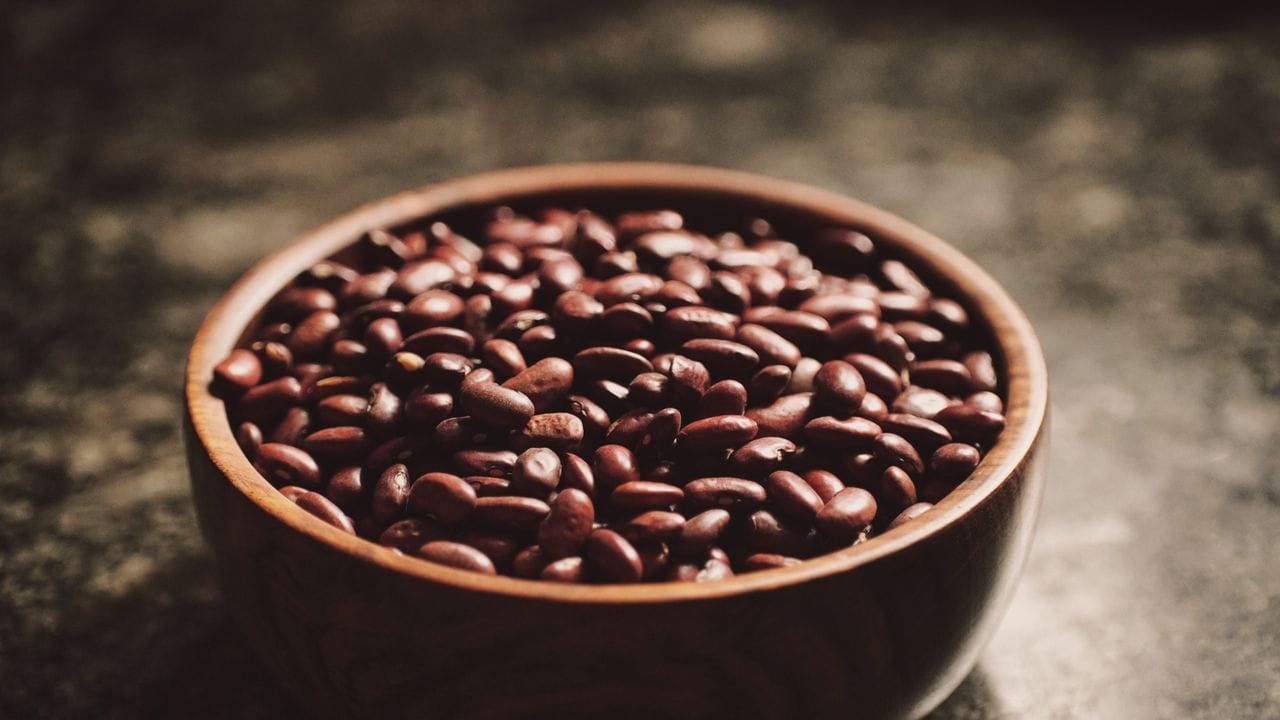
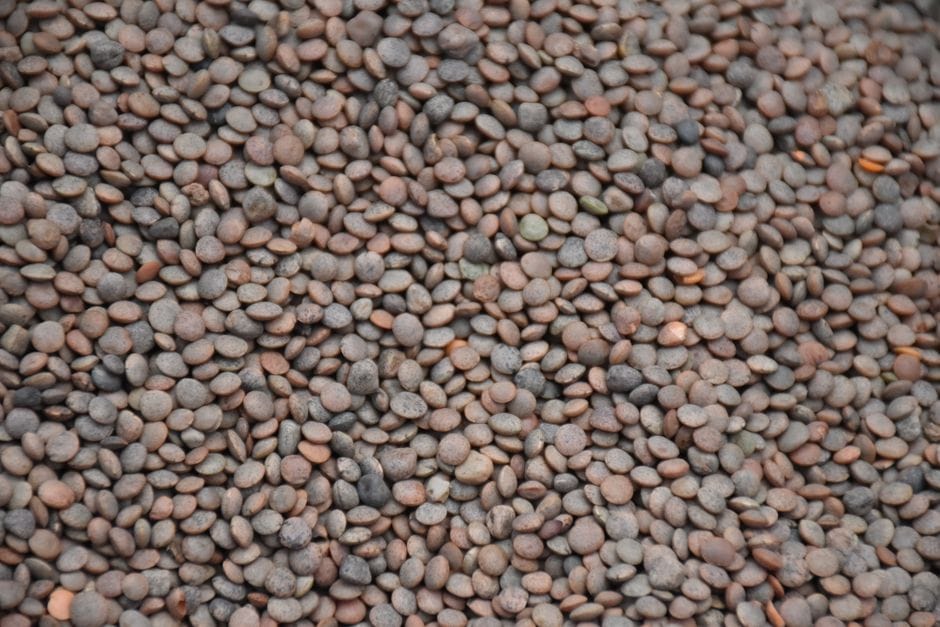 Photo: micka randrianjafisolo / Pexels
Here is the part to actually bookmark. These are stovetop times for unsoaked lentils at a gentle simmer, and they assume reasonably fresh lentils. Old ones take longer and sometimes never fully soften.
Red and yellow lentils (split): 15 to 20 minutes. These are husked and split, so they cook fast and collapse into a soft, creamy puree. They lose their shape completely.
This is a feature, not a flaw, but only if you want it. Red lentils are the dal lentil, the soup-thickener, the one that disappears into a sauce.
Brown lentils: 20 to 30 minutes. The everyday workhorse, the kind you find in the big cheap bags at the supermarket. They hold their shape if you are careful and turn soft and earthy if you push past it.
Forgiving and versatile.
Green lentils (common green or large green): 25 to 35 minutes. A little firmer than brown, with a peppery edge. They hold up better in salads but can go soft if you wander off.
Black lentils (beluga): 20 to 25 minutes. Small, glossy, and named for caviar because that is what they look like cooked. They keep their shape beautifully and have the most robust, almost meaty texture of the lot.
My favorite for anything where I want the lentils to stay distinct and a bit dramatic on the plate.
French lentils (Le Puy, or lentilles vertes): 25 to 35 minutes. The aristocrat. These are the ones that hold their shape no matter what, with a firm, almost al dente bite and a deep, slightly mineral flavor.
Genuine Le Puy lentils from the Auvergne region of France carry a protected designation, and they cost more, but for a salad or a side where every lentil should stay whole, nothing else comes close. Brands like Bob's Red Mill sell a "black" or "petite French green" version that behaves the same way for less money.
Start tasting a few minutes before the low end of each range. Doneness is a texture you decide on, not a timer. I pull green, black, and French lentils the moment they are tender with a tiny bit of resistance left, because they keep softening in their own heat after you drain them.
How to keep lentils whole
If you want lentils that stay separate and intact for a salad, a grain bowl, or a side, the method matters as much as the type. Start with a shape-holder: French, black, or green lentils, in that order of reliability.
Put the rinsed lentils in a pot and cover generously with water, around three to four cups of water per cup of dry lentils. You are going to drain them, so the exact amount is loose; you just need enough that they stay submerged the whole time.
Bring it up to a boil, then immediately drop the heat to a bare simmer, the lazy-bubble kind where the surface barely moves. A hard rolling boil is the single most common reason whole lentils turn to mush, because the violent motion knocks them apart. Keep it gentle.
Cook with the lid off or barely ajar so you can watch them, and start tasting early. The second they hit tender-with-a-bite, drain them in a sieve and spread them on a tray or wide plate to stop the carryover cooking.
Do not let them sit in their hot water "to keep warm," because they will keep softening and you will lose the texture you just nailed. A splash of olive oil and a pinch of salt while they are warm, and they are ready for anything.
How to make dal and creamy lentils
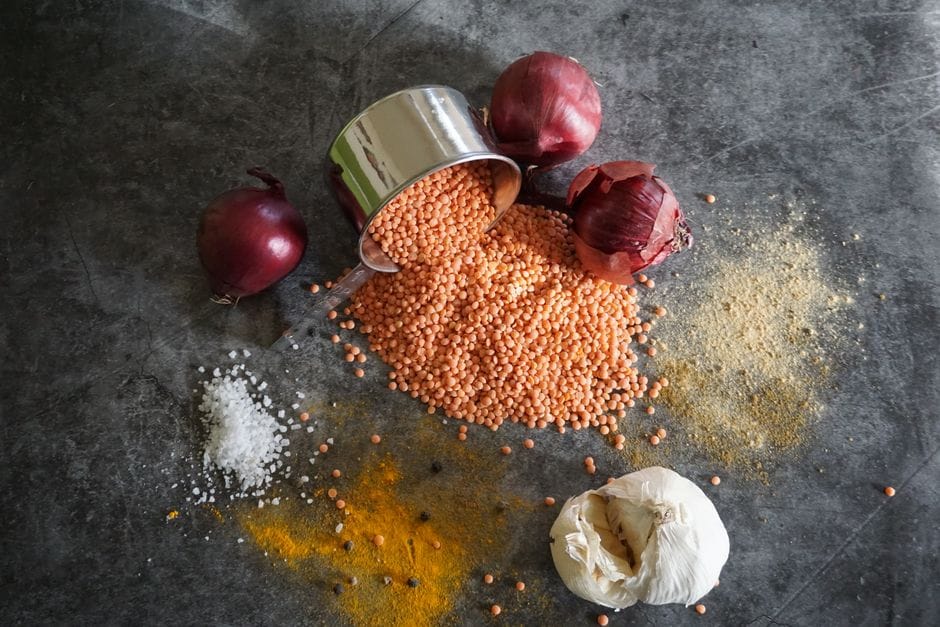
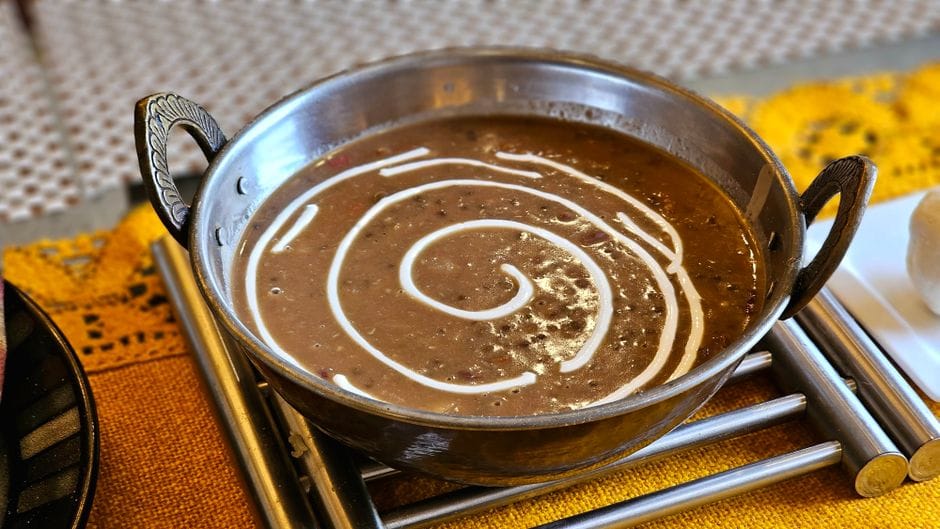 Photo: Muhammad Khawar Nazir / Pexels
Now flip everything. When you want a thick, comforting dal or a soup body that thickens itself, you want the lentils to break down, and you choose the opposite type: red or yellow split lentils, or plain brown lentils cooked long and hard.
For a basic dal, rinse one cup of red lentils until the water runs less cloudy, then add them to a pot with three to four cups of water or vegetable broth. Here you do not drain, because the starch the lentils release is the whole point.
Bring it to a boil, skim off the foam that rises in the first few minutes, then simmer, stirring now and then so the bottom does not catch. This is exactly where my very first batch failed: red lentils sink and stick fast, so you cannot fully walk away.
In twenty to thirty minutes they collapse into a thick, golden puree you can whisk smooth or leave a little rustic.
The flavor comes after. I bloom cumin, garlic, ginger, turmeric, and a little chili in oil and stir that in at the end, the classic tarka.
A spoon of coconut milk makes it richer; for a milder creaminess without the coconut flavor, a swirl of cashew cream does the same job. If you are reaching for a packaged simmer sauce or boxed broth to speed this up, give the label a quick check first, because stocks and curry pastes hide animal ingredients more often than you would think.
I run anything questionable through the vegan ingredient checker or look the brand up in the Is It Vegan database before it goes in.
When to salt, and the acid trap
There is a long-running argument that salt makes pulses tough, so you should add it only at the end. With big beans I am cautious about it. With lentils, in my own kitchen, I salt the cooking water from the start and have never had a problem.
Lentils cook so quickly that even if salt firms the skins slightly, they soften long before it matters, and salting throughout gives you seasoning all the way through instead of a bland interior. Use roughly half a teaspoon of salt per cup of dry lentils as a starting point and adjust at the end.
Acid is the real saboteur, and this is the one to remember. Tomatoes, vinegar, and lemon juice all firm up the lentil skins and can stop them softening entirely.
I have made the mistake of building a tomato-heavy lentil stew, adding the tomatoes at the start, and wondering forty-five minutes later why the lentils were still chalky. The fix is simple: cook the lentils until they are nearly tender first, then add anything acidic.
A squeeze of lemon to finish a dal is wonderful. A can of tomatoes at minute one is how you get gravel.
Ratios, doneness, and the cheat sheet
To keep it straight in your head, there are really only two modes.
For drain-and-keep-whole lentils (green, brown, black, French), use about three cups of water to one cup of dry lentils, simmer gently, and pour off the extra at the end. Doneness is tender with a slight bite.
For dal and creamy lentils (red, yellow, or brown cooked down), use three to four cups of liquid per cup, do not drain, stir to prevent sticking, and cook until they break down. Doneness is when the lentils have lost their shape and the pot has thickened.
One pound of dry lentils, which is a little over two cups, makes roughly five to six cups cooked. I almost always make a full bag, because the stove is on for the same twenty-five minutes whether I cook one cup or three, and cooked lentils are one of the most useful things to have in the fridge.
Storing cooked lentils
Cooked lentils keep in an airtight container in the fridge for about five days. I let them cool first, undressed, so they do not get sour or sticky, and I dress only the portion I am about to eat. For salads I store the plain lentils and the dressing separately, because lentils sitting in vinaigrette go soft and dull overnight.
They freeze beautifully, which is the real reason to cook a big batch. Spread cooled, drained lentils on a tray to freeze loose, then tip them into a bag so they do not clump, and they keep for around three months.
Dal freezes well too, though it thickens, so loosen it with a splash of water when you reheat. Frozen cooked lentils go straight from the freezer into soups, stews, and grain bowls with no thawing, which turns a thirty-minute job into a thirty-second one on a busy night.
The takeaway
Stop thinking about "lentils" as one ingredient. Decide first whether you want them whole or collapsed, then pick the type to match: French, black, or green for shape, red or brown cooked down for dal. No soaking, salt from the start, and keep anything acidic out of the pot until the lentils are already tender.
Simmer gently, taste early, and drain the moment they hit the bite you want. Do that, and you will never serve a pot of beige mush by accident again.
The recipe
How to Cook Lentils (Whole, No Mush)
Prep
5 min
Cook
25 min
Makes
4 servings
Ingredients
- 1 cup dry lentils (French, black, or green for shape; see notes for red or brown dal)
- 3 cups water (plus extra to top up if needed)
- 1/2 teaspoon salt
- Drizzle of olive oil, to finish
Instructions
- 1 Tip the dry lentils into a sieve and rinse under cold running water, swishing them around with your fingers for a few seconds. Spread them out briefly and pick through for any small stones or shriveled duds.
- 2 Put the rinsed lentils in a pot and add about 3 cups of water. They just need to stay submerged, so top up if necessary.
- 3 Bring the pot to a boil, then immediately drop the heat to a bare simmer where the surface barely moves. A hard rolling boil knocks the lentils apart and causes mush.
- 4 Cook with the lid off or barely ajar so you can watch them. Start tasting a few minutes before the low end of the time range: French and green lentils take 25 to 35 minutes, black lentils 20 to 25 minutes, brown lentils 20 to 30 minutes.
- 5 The moment the lentils are tender with a slight bite still left, drain them in a sieve. Do not let them sit in their hot water, as they will keep softening.
- 6 Spread the drained lentils on a tray or wide plate to stop carryover cooking.
- 7 Drizzle with a little olive oil and add a pinch of salt while still warm. Use straight away or cool for storage.
Notes
- ·No soaking needed. Lentils are small and thin-skinned and cook through from dry in 15 to 40 minutes depending on the type.
- ·Keep the simmer gentle. A rolling boil is the most common cause of mushy whole lentils.
- ·Salt from the start is fine with lentils. Use about 1/2 teaspoon per cup of dry lentils as a starting point and adjust at the end.
- ·Add acid (tomatoes, vinegar, lemon juice) only after the lentils are already tender. Adding it at the start firms the skins and can stop them softening.
- ·For dal or creamy lentils, use red or yellow split lentils with 3 to 4 cups of liquid per cup of dry lentils and do not drain. Simmer 15 to 20 minutes, stirring now and then, until they collapse into a thick puree.
- ·Old lentils (stored for a year or two) may never fully soften. Buy fresh stock if lentils stubbornly stay hard.
Frequently asked questions
Do you have to soak lentils before cooking?+
No. Lentils are the one pulse you can cook straight from dry, with no soaking at all. They are small and thin-skinned, so they soften in 15 to 40 minutes depending on the type. A quick rinse and a pick-through for the occasional small stone is all they need. Soaking only shaves a few minutes off and can make delicate types like red lentils turn to mush faster, so I skip it.
Why are my lentils still hard after an hour of cooking?+
Almost always one of two things. Either the lentils are old, since pulses that have sat in a bag for a couple of years can refuse to soften no matter how long you cook them, or you salted or added acid too early. Salt is fine, but a big splash of tomato, vinegar, or lemon at the start firms the skins and stalls the softening. Add acidic ingredients only after the lentils are already tender.
What is the ratio of water to lentils?+
For lentils you plan to drain, like green, brown, black, or French, use about 3 cups of water to 1 cup of dry lentils and pour off any extra at the end. For red lentils and dal, where you want them to break down into a thick puree, use 3 to 4 cups of liquid per cup and do not drain. The exact number matters less than tasting and topping up with hot water if the pot runs dry.
Are canned lentils as good as dried?+
For convenience, canned lentils are genuinely useful and I keep a couple of tins around. They are already soft, so they are best stirred into soups and salads at the end rather than cooked further. Dried lentils cost a fraction as much, hold their shape far better, and give you real control over the final texture. For anything where the lentil is the star, cook from dry.
Written by
VeganDigest Editorial is the small independent team that researches and fact-checks this site. We are not doctors or dietitians. For every is-it-vegan verdict we read the product's current ingredient list and manufacturer information, and for anything health-related we report guidance from recognized bodies such as the NHS, the Vegan Society, and the Academy of Nutrition and Dietetics rather than offering medical advice. Every page shows the date it was last verified, and our full process is on the How We Verify page.
Comments