Vegan Caesar Dressing (Creamy, No Anchovy)

 Jump to recipe ↓
 In this guide5
This vegan caesar dressing is genuinely creamy, briny, and rich without any anchovies, eggs, or dairy. Soaked cashews form the base, capers and nori deliver the oceanic umami that caesar is known for, and tamari adds a deep savory backbone. Blend everything for 60 to 90 seconds and you have a dressing that holds up to romaine, kale, or a hearty grain bowl.
The method works because each ingredient is doing a specific job. You are not just removing things and hoping for the best. You are replacing the function of each non-vegan component with something that replicates it precisely.
Why This Recipe Works
Classic caesar dressing draws its character from three things: richness (egg yolks and oil), brine and umami (anchovies), and sharpness (lemon, mustard, and garlic). Every vegan caesar that succeeds addresses all three of these pillars rather than leaning on one.
Raw cashews, soaked in hot water, blend into a fat-rich cream that mimics the body of egg yolk emulsion. They have a mild flavor that takes on whatever you blend with them, which makes them ideal here. Capers contribute salt and a sharp, fermented brine that is surprisingly close to the preserved-fish quality of anchovies. A half-sheet of nori, torn into pieces before blending, pushes that further with a clean oceanic note that you cannot quite identify in the finished dressing but would notice if it were missing. Tamari (fermented soy sauce without wheat) adds a low, savory depth. Dijon mustard acts as an emulsifier and contributes a mild heat. Fresh lemon juice and raw garlic complete the classic profile.
The result is not a compromise. It is a functionally accurate version that can stand in for the original in any context.
Ingredients and What Each One Does
1 cup raw cashews, soaked and drained. The fat and protein in cashews give the dressing its creamy, pourable body. Use raw, unsalted cashews. Roasted cashews will taste off.
1/2 cup water. Start here for a dressing-thick consistency. Add more tablespoon by tablespoon if you want it thinner or more pourable.
3 tablespoons fresh lemon juice. This is the brightness that cuts through the fat. Bottled lemon juice works but fresh is noticeably better.
2 tablespoons nutritional yeast. Adds a savory, slightly cheesy flavor and rounds out the umami. It also contributes a small amount of body.
1 tablespoon Dijon mustard. Mustard is an emulsifier, meaning it helps the water and fats stay blended together. It also adds a gentle sharpness that traditional caesar relies on.
1 tablespoon capers, plus 1 teaspoon of the brine. The capers replace anchovies for salt and fermented brine. Including a small splash of the packing brine intensifies this effect.
1/2 sheet nori, torn into small pieces. Nori is dried seaweed, and it carries a mild, clean oceanic flavor. Blended in at this quantity it does not make the dressing taste like sushi. It makes it taste like a proper caesar.
1 tablespoon tamari (or soy sauce). Fermented and deeply savory, tamari adds the kind of low background umami that anchovy paste contributes in the traditional recipe.
2 cloves garlic. Raw garlic has bite and presence. Use two medium cloves for a dressing with a noticeable but not overwhelming garlic flavor.
1/4 teaspoon fine sea salt, plus more to taste. Between capers, tamari, and caper brine there is already salt in the recipe. Start conservatively and adjust after blending.
Fresh black pepper to taste.
Method Tips for the Best Texture
The single most important step is soaking the cashews. Under-soaked cashews will not blend completely smooth no matter how long you run the blender, and you will get a slightly gritty dressing. There are two reliable methods.
The fast method: pour boiling water over the cashews and let them sit for 20 to 30 minutes. Drain before blending.
The overnight method: cover cashews in cold water and refrigerate for at least 4 hours or up to 12. This produces a very slightly creamier result and is worth doing if you plan ahead.
After soaking and draining, add everything to a high-speed blender. Blend on the highest setting for 60 to 90 seconds without stopping. You want the nori fully pulverized and the cashews completely smooth. In a standard blender, run it a full 90 seconds and scrape down the sides once mid-way through.
Taste after blending. If it needs more salt, add a small pinch. If it needs more brine or brightness, add an extra teaspoon of lemon juice or caper brine. If it seems flat, a small extra pinch of nutritional yeast usually fills the gap.
The dressing thickens as it chills. If it comes out thicker than you want after refrigerating, stir in water one tablespoon at a time until it loosens to a pourable consistency.
Variations Worth Trying
Nut-free version. Swap the cashews and water for 3/4 cup of vegan mayonnaise. The dressing will be richer and slightly denser, and you can skip the soaking step entirely. Blend or whisk everything together.
Oil-free version. The base recipe as written is already oil-free. If you want a slightly lighter texture, add one extra tablespoon of lemon juice and reduce the cashews to 3/4 cup.
Extra nori version. If you want a stronger oceanic note, use a full sheet of nori. This pushes the flavor toward something close to a Caesar made with actual anchovy paste, which some people find more satisfying.
Add white miso. A teaspoon of white miso paste (check that it is alcohol-free) layered in with the capers adds another dimension of fermented umami. This is a small change with a noticeable effect.
Spicy caesar. Add a pinch of cayenne or a small slice of fresh chili before blending. This works well on kale salads where you want the dressing to cut through the bitterness of the greens.
How to Use and Store This Dressing
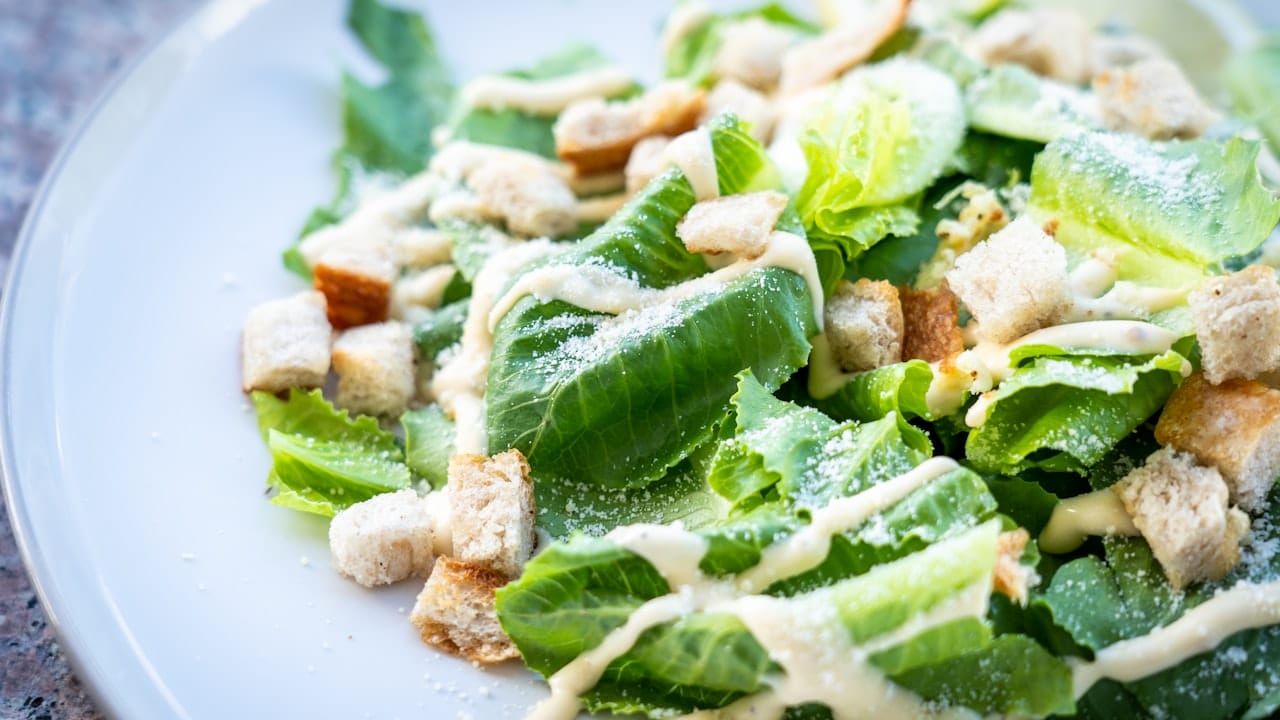
The obvious use is a classic romaine caesar salad with vegan croutons and vegan parmesan shaved or crumbled over the top. But this dressing has a broader range than that.
It works as a dip for raw vegetables, as a spread on wraps and sandwiches, and as a sauce over roasted broccoli or cauliflower. Thin it slightly and toss it with cooked pasta and white beans for a fast weeknight meal. It also makes an excellent dipping sauce for crispy baked chickpeas.
Storage is simple. Pour the dressing into a jar or airtight container and refrigerate. It keeps well for up to 7 days. The flavor actually deepens by day two as the garlic and nori settle into the base, so making it the night before a dinner party is worth doing.
Do not freeze this dressing. Frozen and thawed cashew-based sauces sometimes separate and the texture does not fully recover even after re-blending.
The recipe
Vegan Caesar Dressing
Prep
30 min
Total
30 min
Makes
8 servings (about 1 cup total, 2 tablespoons each)
Ingredients
- 1 cup raw cashews, soaked in hot water 20 to 30 minutes and drained
- 1/2 cup water (plus more to thin if needed)
- 3 tablespoons fresh lemon juice
- 2 tablespoons nutritional yeast
- 1 tablespoon Dijon mustard
- 1 tablespoon capers, drained, plus 1 teaspoon caper brine
- 1/2 sheet nori, torn into small pieces
- 1 tablespoon tamari or soy sauce
- 2 cloves garlic
- 1/4 teaspoon fine sea salt, plus more to taste
- Fresh black pepper to taste
Instructions
- 1 Soak the cashews: place raw cashews in a bowl and cover with boiling water. Let soak 20 to 30 minutes until softened. Drain and rinse well. (Alternatively, soak in cold water overnight and drain.)
- 2 Combine all ingredients in a high-speed blender: drained cashews, water, lemon juice, nutritional yeast, Dijon mustard, capers, caper brine, torn nori pieces, tamari, and garlic.
- 3 Blend on high speed for 60 to 90 seconds without stopping until completely smooth and creamy. Scrape down the sides once if needed.
- 4 Taste and adjust: add a pinch of salt, more lemon juice for brightness, or an extra teaspoon of caper brine for more brine and depth.
- 5 For a thinner consistency, add water one tablespoon at a time and blend briefly to incorporate.
- 6 Transfer to an airtight jar and refrigerate for at least 15 minutes before serving. The dressing thickens as it chills.
Notes
- ·Soaking the cashews is not optional for a smooth result. Even in a high-speed blender, under-soaked cashews produce a slightly gritty texture.
- ·The dressing tastes best on day two. Make it the night before if you have time.
- ·Nut-free swap: replace the cashews and water with 3/4 cup vegan mayonnaise and whisk or blend everything together.
- ·Tamari is naturally gluten-free. If using soy sauce, the recipe will contain gluten.
- ·For a stronger oceanic note, use a full sheet of nori instead of half.
- ·Store refrigerated in a sealed jar for up to 7 days. Do not freeze.
Frequently asked questions
What replaces anchovies in vegan caesar dressing?+
The combination of capers and nori does most of the work. Capers contribute the salty, fermented brine that anchovies provide, and nori adds a mild oceanic flavor. Tamari brings additional umami depth. Together these three ingredients closely replicate the role anchovies play in a traditional caesar without any fish.
Can I make this without a high-speed blender?+
Yes, but soak the cashews longer, at least 4 hours in cold water or overnight. A standard blender needs more softened cashews to achieve a smooth result. Blend on high for the full 90 seconds and stop to scrape down the sides at least once. The texture may be slightly less silky than a high-speed blender version but it will still work.
How long does vegan caesar dressing keep?+
Up to 7 days refrigerated in an airtight container. The flavor deepens after 24 hours as the garlic and nori settle into the base. If the dressing thickens after chilling, stir in a tablespoon of cold water to loosen it before serving.
Is this recipe nut-free?+
Not as written, since it is built on cashews. For a nut-free version, replace the cashews and the 1/2 cup water with 3/4 cup of your favorite vegan mayonnaise. Skip the soaking step and simply blend or whisk everything together. The result is richer and slightly denser but just as flavorful.
Written by
VeganDigest Editorial is the small independent team that researches and fact-checks this site. We are not doctors or dietitians. For every is-it-vegan verdict we read the product's current ingredient list and manufacturer information, and for anything health-related we report guidance from recognized bodies such as the NHS, the Vegan Society, and the Academy of Nutrition and Dietetics rather than offering medical advice. Every page shows the date it was last verified, and our full process is on the How We Verify page.

Comments