Moist Vegan Chocolate Cake (No Eggs, No Dairy)
 Jump to recipe ↓
 In this guide5
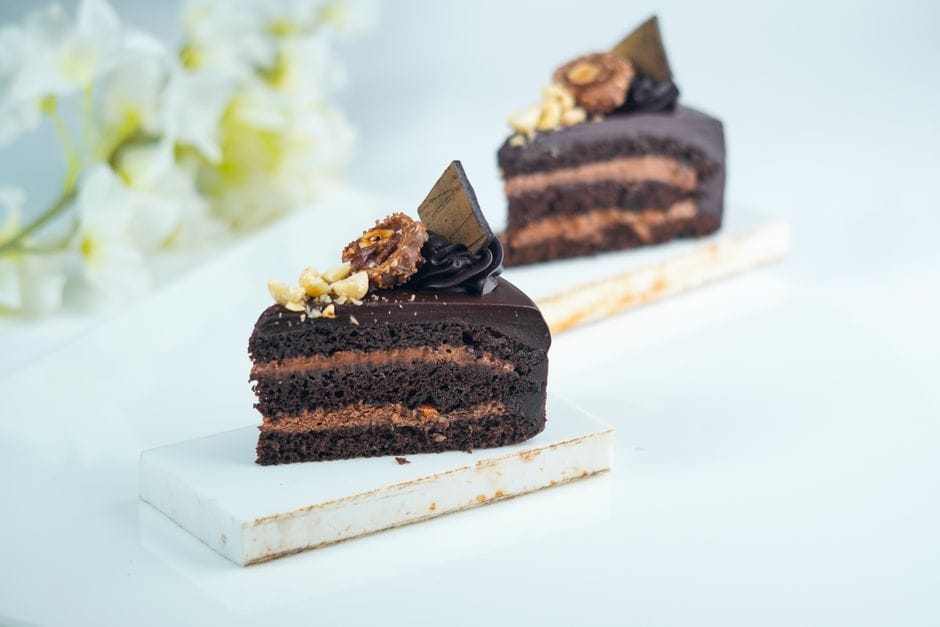
This vegan chocolate cake is genuinely moist, deeply chocolatey, and indistinguishable from a conventional layer cake. No eggs, no dairy, no specialty binders needed. The method relies on pantry staples and one clever technique: a cup of boiling water stirred into the batter just before baking. That step is the reason the crumb stays tender for days.
The recipe produces two 8-inch or 9-inch round layers, plenty for 16 slices, and comes together in about 20 minutes of active work. The chocolate buttercream is made with vegan butter and cocoa powder and spreads beautifully once the cakes are fully cool.
Why This Cake Works Without Eggs or Dairy
Conventional chocolate cake leans on eggs for structure and lift, and on butter and buttermilk for fat and tenderness. A well-built vegan version replaces each of those functions rather than simply omitting them.
The structure and lift come from two sources working together. Baking powder and baking soda both leaven the batter. Then, combining plant milk with apple cider vinegar creates a quick vegan buttermilk: the acid activates the baking soda and produces carbon dioxide bubbles that expand in the oven. The result is a tall, open crumb.
Moisture is handled by unsweetened applesauce and neutral oil. Oil stays liquid at room temperature, which is part of why this cake stays moist for three to four days after baking, unlike butter-based cakes that firm up in the fridge. Applesauce adds body and a faint sweetness without a detectable apple flavor.
The finishing touch is the boiling water. It sounds counterintuitive to add a cup of hot liquid to a finished batter, but it does two things. It blooms the cocoa powder, releasing more of its chocolate flavor. And it thins the batter to a pourable consistency that distributes evenly in the pan and bakes into an exceptionally tender crumb. The batter will look almost too thin at that point. That is normal and correct.
Key Ingredients and What They Do
Plant milk and apple cider vinegar. One cup of unsweetened soy milk or almond milk combined with one tablespoon of apple cider vinegar sits for a minute or two and curdles into vegan buttermilk. Soy milk curdles most reliably because of its protein content, making it the best choice here.
Cocoa powder. Use unsweetened natural or Dutch-process cocoa powder. Natural cocoa powder is more acidic, which reinforces the chemical reaction with baking soda. Dutch-process is less acidic but has a deeper, smoother chocolate flavor. Either works in this recipe; the baking soda provides enough lift regardless.
Neutral oil. Canola, sunflower, or refined coconut oil all work. Avoid unrefined coconut oil, which can leave a detectable coconut taste. The oil is responsible for the moist, fudgy texture and keeps the cake from drying out over time.
Unsweetened applesauce. Two thirds of a cup adds moisture and a small amount of structure without introducing any flavor. If you do not have applesauce, two flax eggs (two tablespoons ground flaxseed mixed with five tablespoons of water, rested for five minutes) work as a substitute.
Boiling water. Added last, directly to the mixed batter. This is not optional. It blooms the cocoa and loosens the batter to produce the right crumb texture.
Alcohol-free vanilla extract. Standard vanilla extract is alcohol-based. For a fully halal cake, use an alcohol-free vanilla extract or vanilla powder. The flavor impact is mild in a chocolate cake, so you can also simply omit it if alcohol-free vanilla is unavailable.
Method Tips for a Perfect Result
Line your pans. Grease two 8-inch or 9-inch round cake pans and press a round of parchment paper into each base. Vegan cakes can stick more than conventional ones because there is no egg to help release. Parchment guarantees a clean lift.
Sift the cocoa. Cocoa powder clumps. Sifting it into the dry ingredients before mixing prevents streaks in the finished cake and ensures every bite tastes equally chocolatey.
Do not overmix. Once you add the wet ingredients to the dry, mix on medium speed just until the batter is combined. Overmixing develops gluten and makes the cake tough. A few thin streaks of flour are fine; they will incorporate when you stir in the boiling water.
Add the boiling water carefully. Lower your mixer speed to the lowest setting, or use a spatula, and pour the boiling water in a slow, steady stream. The batter will go from thick to very thin and pourable. This is the right consistency.
Test doneness properly. Insert a toothpick or thin skewer into the center of each layer at 30 minutes. It should come out clean or with a few dry crumbs. Wet batter means another three to five minutes. Overbaking is the most common reason for a dry vegan cake.
Cool completely before frosting. This is more important with vegan buttercream than with conventional frosting. Vegan butter has a lower melting point. If the cake layers are even slightly warm, the frosting will slide. Allow at least one full hour on a wire rack before you start decorating.
Variations to Try
Chocolate sheet cake. Pour the batter into a greased 9 by 13 inch pan and bake for 35 to 40 minutes. Frost directly in the pan for a casual, shareable cake.
Vegan chocolate cupcakes. Fill standard muffin liners halfway and bake for 20 to 25 minutes. This batch makes approximately 24 cupcakes.
Bundt cake. Grease a standard Bundt pan thoroughly, pour in all the batter, and bake at 350 degrees Fahrenheit for about 45 minutes. Dust with powdered sugar or drizzle with vegan chocolate ganache.
Hot cocoa twist. Substitute the boiling water with an equal amount of hot brewed black coffee (no liqueur, plain brewed coffee). Coffee amplifies chocolate flavor without tasting of coffee itself. This is a widely used technique in bakeries.
Gluten-free. Replace the all-purpose flour with a 1-to-1 gluten-free baking flour blend that contains xanthan gum. The texture will be slightly denser but still moist. Do not use almond flour or oat flour as a direct swap; the ratios would need significant adjustment.
Serving and Storage
Serve the cake at room temperature. Vegan buttercream made with vegan butter firms up when cold, so if the cake has been refrigerated, allow it to sit out for 30 to 45 minutes before slicing.
At room temperature. Covered with a cake dome or stored in an airtight container, the frosted cake keeps well for three to four days. The boiling-water technique means the crumb stays moist throughout that window.
Refrigerated. The cake keeps for up to seven days in the fridge. Wrap it well or store it in an airtight container to prevent the crumb from absorbing any odors.
Frozen. Both the unfrosted layers and the fully assembled frosted cake freeze well for up to three months. Wrap individual layers tightly in plastic wrap, then in foil. Thaw overnight in the refrigerator, then bring to room temperature before serving. Do not refreeze a thawed cake.
For parties, you can bake the cake layers up to two days in advance, wrap them tightly once cool, and refrigerate until you are ready to frost and serve.
The recipe
Moist Vegan Chocolate Cake
Prep
20 min
Cook
35 min
Makes
16 slices (two 8-inch or 9-inch layers)
Ingredients
- 1 cup unsweetened soy milk (or almond milk)
- 1 tablespoon apple cider vinegar
- 2 cups all-purpose flour
- 1 and 3/4 cups granulated sugar
- 3/4 cup unsweetened cocoa powder, sifted
- 2 teaspoons baking powder
- 1 and 1/2 teaspoons baking soda
- 1 teaspoon fine salt
- 1/2 cup neutral oil (canola, sunflower, or refined coconut oil)
- 2/3 cup unsweetened applesauce
- 1 tablespoon alcohol-free vanilla extract (or 1 teaspoon vanilla powder)
- 1 cup boiling water
- FOR THE CHOCOLATE BUTTERCREAM:
- 1 and 1/2 cups vegan butter (block/stick style, softened to room temperature)
- 1 cup unsweetened cocoa powder, sifted
- 4 to 5 cups powdered sugar
- 1 tablespoon alcohol-free vanilla extract
- 1/4 to 1/2 cup unsweetened soy milk, as needed
Instructions
- 1 Preheat your oven to 350 degrees Fahrenheit (175 degrees Celsius). Grease two 8-inch or 9-inch round cake pans and line the bottoms with rounds of parchment paper.
- 2 Combine the soy milk and apple cider vinegar in a small bowl or measuring cup. Stir and set aside for 2 minutes to curdle into vegan buttermilk.
- 3 In a large mixing bowl, whisk together the flour, sugar, sifted cocoa powder, baking powder, baking soda, and salt until evenly combined.
- 4 Add the oil, applesauce, alcohol-free vanilla extract, and the curdled soy milk mixture to the dry ingredients. Mix on medium speed (or whisk vigorously by hand) until the batter is just combined, about 1 minute. Do not overmix.
- 5 Lower the mixer to its lowest speed (or use a spatula) and slowly pour in the boiling water in a thin, steady stream. Mix until fully incorporated. The batter will be thin and pourable. This is correct.
- 6 Divide the batter evenly between the two prepared pans. Bake for 30 to 35 minutes, until a toothpick inserted into the center comes out clean or with a few dry crumbs.
- 7 Cool the cakes in their pans for 10 minutes, then run a knife around the edges and turn them out onto a wire rack. Peel off the parchment. Allow to cool completely, at least 1 hour, before frosting.
- 8 Make the buttercream: Beat the softened vegan butter in a large bowl until creamy, about 1 minute. Add the sifted cocoa powder and mix until combined. Add 4 cups of powdered sugar and 2 tablespoons of soy milk, and the vanilla extract. Beat on low speed to incorporate, then increase to medium-high and beat for 2 minutes until light and fluffy. Add more powdered sugar to thicken or more soy milk to loosen as needed.
- 9 Place one cooled cake layer on a serving plate. Spread a generous layer of buttercream over the top. Place the second layer on top and frost the top and sides. Slice and serve at room temperature.
Notes
- ·Use block-style or stick vegan butter for the frosting, not the soft tub variety. Tub butter contains more water and will make a runny frosting.
- ·If you do not have applesauce, substitute with 2 flax eggs: stir 2 tablespoons ground flaxseed into 5 tablespoons of water, rest for 5 minutes until gel-like, then use in place of the applesauce.
- ·For a deeper chocolate flavor, replace the boiling water with an equal amount of hot brewed black coffee (plain, no additives). The coffee flavor will not be detectable in the finished cake.
- ·The cake stays moist at room temperature for 3 to 4 days, refrigerated for up to 7 days, and frozen for up to 3 months.
- ·To make cupcakes, fill lined muffin tins halfway and bake for 20 to 25 minutes. This batch yields approximately 24 cupcakes.
Calories
~390 kcal (with frosting)
Protein
3g
Fat
18g
Carbs
57g
Frequently asked questions
What makes a vegan chocolate cake moist without eggs?+
A combination of neutral oil, unsweetened applesauce, and vegan buttermilk (plant milk curdled with apple cider vinegar) provides the fat and moisture that eggs and dairy normally contribute. The boiling water stirred into the batter at the end is the key technique: it blooms the cocoa and produces an exceptionally tender, moist crumb that stays soft for several days.
Can I make this cake gluten-free?+
Yes. Replace the all-purpose flour with the same amount of a 1-to-1 gluten-free baking flour blend that already contains xanthan gum (such as Bob's Red Mill 1-to-1 or King Arthur Measure for Measure). The texture will be slightly denser but still moist and chocolatey. Do not substitute almond flour or coconut flour directly; the liquid ratios would need significant changes.
My vegan buttercream is too soft and sliding off the cake. What went wrong?+
The two most common causes are warm cake layers and soft tub-style vegan butter. Always allow the cake to cool completely on a wire rack, at least one hour, before frosting. Use block-style or stick vegan butter, not the spreadable tub variety, which contains more water. If your kitchen is very warm, refrigerate the frosted cake for 15 minutes to firm the buttercream before slicing.
Can I bake this as a sheet cake or cupcakes instead of a layer cake?+
Yes, this batter is versatile. For a sheet cake, pour the entire batter into a greased 9 by 13 inch pan and bake for 35 to 40 minutes. For cupcakes, fill standard muffin liners halfway and bake for 20 to 25 minutes. Check doneness with a toothpick in both cases. The same buttercream recipe works for all three formats.
Written by
VeganDigest Editorial is the small independent team that researches and fact-checks this site. We are not doctors or dietitians. For every is-it-vegan verdict we read the product's current ingredient list and manufacturer information, and for anything health-related we report guidance from recognized bodies such as the NHS, the Vegan Society, and the Academy of Nutrition and Dietetics rather than offering medical advice. Every page shows the date it was last verified, and our full process is on the How We Verify page.
Comments