Vegan Cream (Single, Double, and Pouring)

- Gluten-free
- Soy-free
- Oil-free
In this guide8
- 01Single, double, and pouring: what the words actually mean
- 02Cashew cream: my pouring and cooking workhorse
- 03A soy-and-oil double cream for real richness
- 04Chilled coconut cream: the only one that whips
- 05Best store-bought vegan cream brands
- 06Cream in coffee: what actually works
- 07Matching the cream to the dessert
- 08The takeaway
The first Sunday roast I cooked after going dairy-free, I poured warm custard over the crumble and then reached for the cream jug out of habit, except the jug had a carton of barista oat milk in it because that was all I had. It ran off the crumble like rain off a window and pooled, grey and thin, around the edge of the bowl.
My nan, who was visiting, looked at it, looked at me, and said nothing, which from my nan is a full essay.
That is the whole problem with vegan cream in one image. People assume cream is cream, so they grab whatever white liquid is in the fridge and tip it on. But cream is not a single thing.
In a British kitchen alone there is single cream for pouring, double cream for richness and bodied sauces, and whipping cream for peaks. Each one is doing a different job, and no single plant swap does all three jobs well.
Once you stop hunting for one magic carton and start matching the cream to the task, it gets simple.
So here is the map I wish my nan had handed me. Cashew cream for pouring and cooking. A soy-and-oil cream for a proper thick double.
Chilled coconut cream for whipping. And the handful of shop brands worth buying when you cannot be bothered to make anything. Let me walk through all of it.
Single, double, and pouring: what the words actually mean
Before we pick swaps, it helps to know what we are copying. Dairy single cream is around 18 percent fat. It pours thin, it is what you splash over a pudding or stir into a soup, and it does not whip.
Double cream is around 48 percent fat, thick enough to fall in slow ribbons, rich enough to hold body in a sauce, and it whips because there is so much fat. Pouring cream is a loose term that usually means single, sometimes a thinner double, anything you tip from a jug.
According to the Wikipedia entry on cream, that fat percentage is the single number that decides almost everything about how a cream behaves, from how it pours to whether it whips. That is the gap a plant swap has to fill: not creaminess to drink, but concentrated fat.
Cashews, coconut, and soy-plus-oil are three different ways of getting there.
Cashew cream: my pouring and cooking workhorse
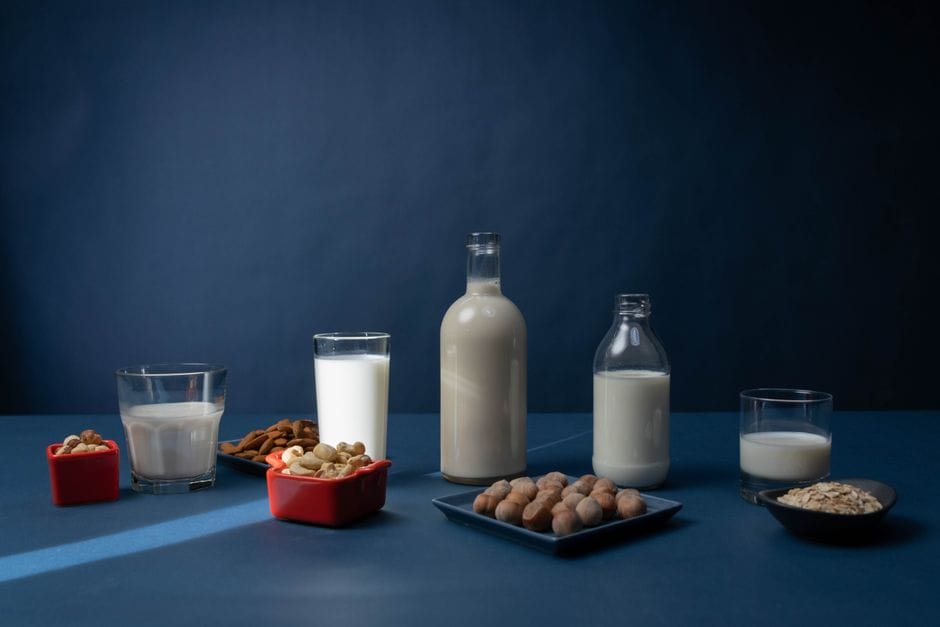
 Photo: MESSALA CIULLA / Pexels
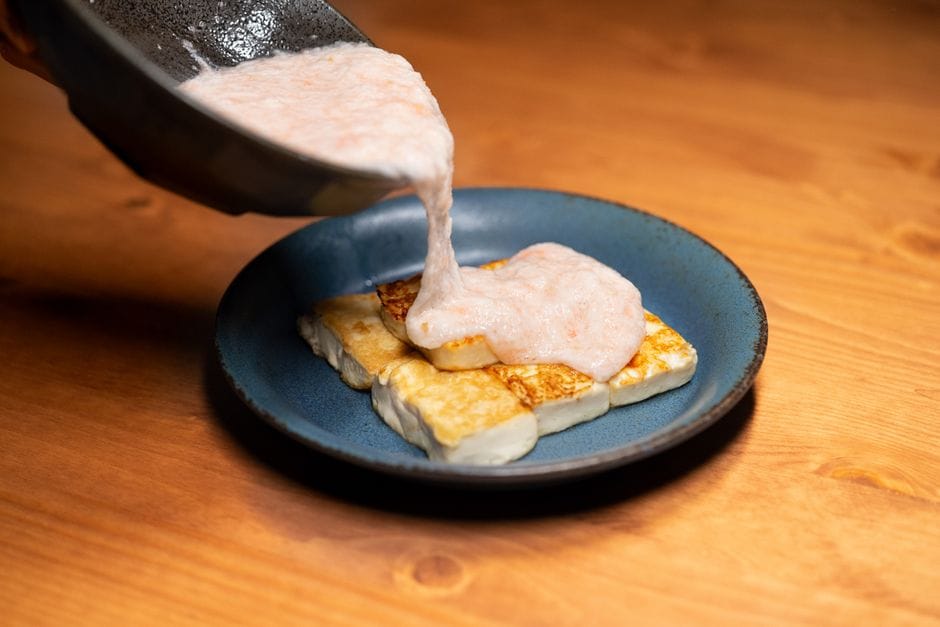
For anything you pour or cook with, blended cashew cream is the closest thing to dairy I have found. It is neutral, it is genuinely rich, and crucially it emulsifies into a sauce rather than sitting on top of it. The recipe above is my standard single cream, and the trick is entirely in the water.
Blend 1 cup (140 g) of soaked cashews with about 3/4 cup (180 ml) water and you get a pourable single cream that streams off a spoon. Drop the water to roughly 1/3 cup (80 ml) and the same cashews give you something closer to a double, falling in slow thick ribbons, rich enough to stir into a pasta sauce or spoon over a hot pudding.
One ingredient, two creams, decided entirely by how much water goes in.
A high-speed blender matters here more than I want it to. The first time I made cashew cream in a cheap stick-blender jug, it came out faintly gritty, and grit is the one thing that gives a homemade cream away instantly.
If your blender is not powerful, soak the cashews longer, in just-boiled water for at least an hour, and blend for a full two minutes. If you want the full method with every variation, I wrote a longer piece on how to make cashew cream that covers the savory and sweet versions in detail.
What cashew cream will not do is whip. I have tried, with cold cashews and a stand mixer, and all I got was aerated cashew cream, which is exactly as sad as it sounds. For peaks you need coconut.
More on that below.
A soy-and-oil double cream for real richness
Cashew cream gets thick, but if you want a pourable double cream with that proper coating heaviness, and you want it without nuts, a blended soy-and-oil cream is the move. It is the same emulsion principle as mayonnaise: soy milk and a neutral oil whip into a thick, stable cream because the soy proteins hold the oil in suspension.
Here is the method I use. Put 1/2 cup (120 ml) of cold unsweetened soy milk in a tall jug. Soy specifically, because the protein is what makes this work, and other plant milks will not emulsify the same way.
With a stick blender running, drizzle in 1 cup (240 ml) of a neutral oil like sunflower or light rapeseed in a slow stream, keeping the blade at the bottom. In about 30 seconds it thickens dramatically into a glossy double cream.
A teaspoon of lemon juice and a pinch of salt finishes it. Pour it over a sticky toffee pudding and it is hard to tell.
The honest caveat: this is a high-fat, oil-forward cream, so it is rich in the way double cream is rich, not a light everyday pour. It also tastes faintly of whatever oil you use, so use the most neutral one you have, and avoid anything strong like extra virgin olive oil, which will taste loudly of olives in a sweet dish.
The technique here is exactly the one behind a good homemade vegan mayo, an oil-in-soy emulsion, so if you have ever made that you already know the feel of it thickening under the blender. And like the cashew version, it pours and enriches but does not whip into stable peaks.
Chilled coconut cream: the only one that whips
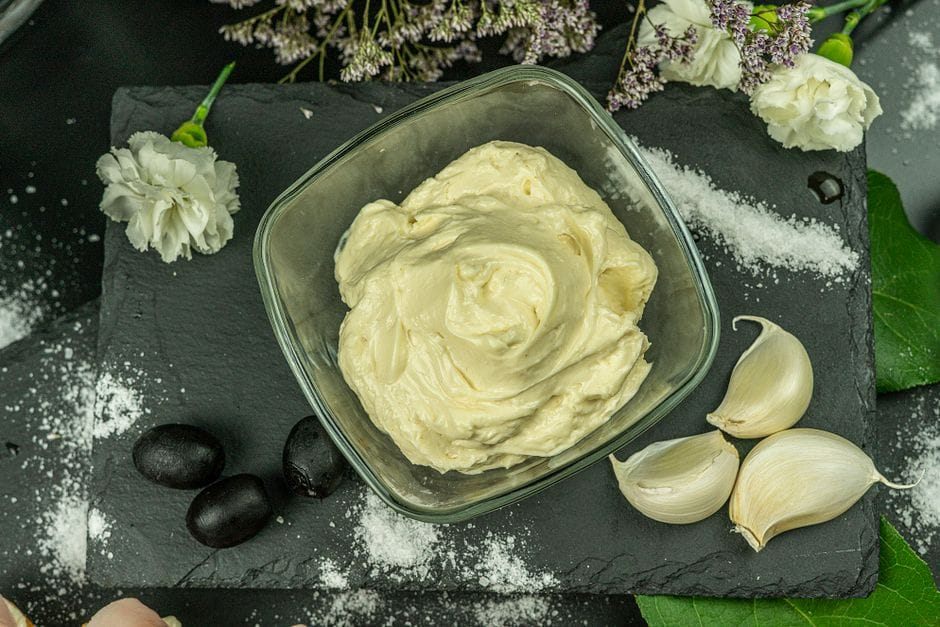
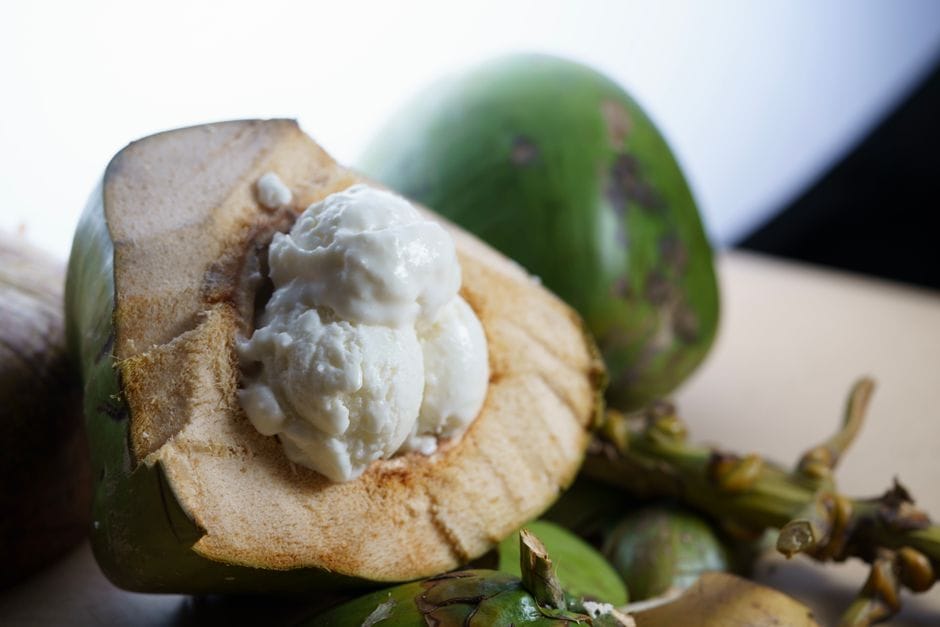 Photo: Kunal Lakhotia / Pexels
This is the part everyone gets wrong, so I will be blunt. If you want whipped cream, peaks on a trifle or a swirl on a hot chocolate, you do not use cashew cream and you do not use the soy double. You use the firm white fat from a chilled can of full-fat coconut milk.
Refrigerate a can of full-fat coconut milk, or a dedicated tin of coconut cream, overnight without shaking it. The thick fat rises and sets on top while the watery liquid sinks.
Open the can the right way up, scoop only the solid white part into a cold bowl, leave the water behind, and beat it cold with a couple of tablespoons of icing sugar and a little vanilla bean paste. It whips into soft, holdable peaks in a minute or two.
A few things I learned the hard way. Brand matters: cheaper coconut milks are sometimes mostly water with too little fat to set, so look for cans listing 70 percent or more coconut extract.
Chill your bowl and beaters too, because warm equipment slumps the fat before it can take in air. And yes, there is a faint coconut flavor, which is wonderful on a chocolate pudding and slightly odd on a Victoria sponge, so match it to the dessert.
The one fix if your scooped fat refuses to firm up is to beat in a teaspoon of cornflour or a spoon of dedicated coconut whip stabilizer, but a good fatty can rarely needs it.
Best store-bought vegan cream brands
Is shop-bought vegan cream actually vegan? The dedicated plant creams are, with no milk or animal derivatives in the proper plant-based lines.
The one real trap is that some brands sell dairy and plant versions in nearly identical tubs, so you have to read the front of the pack and not just grab the familiar shape. Here are the ones I actually keep buying.
Elmlea Plant (Single and Double). This is the closest a carton gets to a true single and double in the UK. The Single pours and cooks like dairy single, and the Double is thick and, importantly, the Double version whips.
It is the one I recommend most often because it maps directly onto the dairy creams people already know. Just make sure the carton says Plant, because Elmlea's dairy-blend cartons sit right next to it.
Oatly Creamy Oat (and Oatly Whippable). Oat-based, very neutral, brilliant in savory cooking and curries where you do not want any coconut note. The standard creamy oat is a cooking and pouring cream, while Oatly's whippable line is the one to buy for peaks.
If you like the oat base, my oat milk guide explains why oat behaves so well in hot dishes.
Silk Dairy Free Heavy Whipping Cream Alternative. The standout in the US. It is formulated to whip straight from the carton, which is rare, and it holds up in coffee and on desserts. If you are in the States and want one carton that does the most jobs, this is it.
Alpro Single and Flora Plant Double are both solid backups, soy-based and widely stocked. Whatever you buy, glance at the ingredients for added sugar and oils, which are plant-based but change the flavor, and if a stabilizer name looks unfamiliar, run it through our vegan ingredient checker or search the Is It Vegan database before you cook with it.
Cream in coffee: what actually works
Pouring any of the homemade creams above into hot coffee is asking for trouble, because the acidity and heat can split a thin plant cream into little floating curds. I have watched a perfectly nice cashew cream do exactly that and turn a flat white into a science experiment.
For coffee specifically, reach for a barista-style oat or soy cream, or a carton plant single like Oatly Creamy Oat, which is stabilized to handle the heat and acid. Add it to coffee that is hot but not boiling, and stir rather than letting it sit.
If you want a thick swirl on top instead, a dollop of the chilled whipped coconut cream is the move, not a pour. For the everyday splash, though, a carton cream beats anything homemade, and it is the one place I do not bother making my own.
Matching the cream to the dessert
The quickest way to never make my crumble mistake again is to think in jobs, not products. Pouring over a hot pudding, crumble, or pie: a single cashew cream or a carton plant single.
Stirring richness into a sauce, a curry, or a soup: the thicker cashew cream or the soy-and-oil double, added off the heat. Folding into something for body, like a no-churn base or a fool: the soy double or scooped coconut cream.
Peaks on top of a trifle, gateau, or hot chocolate: chilled whipped coconut cream, or a whippable carton like Elmlea Plant Double.
Cream is close cousins with a lot of the other dairy swaps, so once you have the pouring version down it is a short hop to vegan sour cream (just add more acid and less water) and to a vegan cream cheese (strain it thicker). The cashew base is the gateway to half the dairy-free fridge.
The takeaway
Stop looking for one carton that does everything, because dairy never worked that way either. Make a pourable cashew cream for everyday pouring and cooking, blend a soy-and-oil cream when you want a proper thick double, and keep a can of full-fat coconut milk chilling in the back of the fridge for the day you need peaks.
For the rushed evenings, an Elmlea Plant carton or an Oatly Creamy Oat does the job with zero effort and no curdled custard in front of your nan. Match the cream to the job and you will never pour rain over a crumble again.
The recipe
Pourable Cashew Single Cream
Prep
10 min
Total
10 min
Makes
about 1.5 cups (360 ml)
Ingredients
- 1 cup (140 g) raw cashews, soaked (overnight in cold water, or 30 minutes in just-boiled water)
- 3/4 cup (180 ml) fresh cold water, plus more to thin to a single-cream pour
- 1/4 tsp fine sea salt (savory uses only; leave it out for desserts)
- 1 tsp fresh lemon juice (mimics the faint tang of dairy and keeps it from tasting flat)
- 1 tsp maple syrup (for a sweet pouring cream over fruit or crumble; skip for savory)
- 1/2 tsp vanilla bean paste or alcohol-free vanilla (optional, for desserts only)
- 1 small pinch ground turmeric (optional, for the faintest ivory color, not flavor)
Instructions
- 1 Drain the soaked cashews and rinse them well under cold water so the finished cream tastes clean and not beany.
- 2 Add the cashews and 3/4 cup water to a high-speed blender. For savory cream, add the salt now.
- 3 Blend on high for 60 to 90 seconds, stopping once to scrape down the sides, until completely smooth with no grit between your fingers.
- 4 Add the lemon juice, plus the maple syrup and vanilla bean paste if you are making a sweet pouring cream, and blend 20 seconds more.
- 5 Check the pour. For a true single cream that streams off a spoon, drizzle in cold water 1 tablespoon at a time and blend briefly until it pours like dairy single cream.
- 6 Taste and adjust. Use right away, or store in a sealed jar in the fridge for up to 5 days.
Notes
- ·It thickens noticeably as it chills, so loosen leftovers with a splash of water and a stir before pouring.
- ·Stir it into hot dishes off the heat or over low heat only. Fast, high heat can make it look broken, though a quick whisk usually pulls it back together.
- ·This is the pouring and cooking version. It will not whip into peaks. For whipped cream, use chilled coconut cream instead (see below).
Calories
80 per 2 Tbsp
Protein
3 g
Fat
6 g
Carbs
4 g
Frequently asked questions
What is the best vegan single cream substitute?+
A thin cashew cream is the closest match to dairy single cream for pouring and cooking. Blend soaked cashews with enough water that it pours easily off a spoon, like a thin custard. For a no-blender shortcut, an unsweetened plant cream from a carton, such as Elmlea Plant Single or Oatly Creamy Oat, pours straight over fruit or crumble and stirs into a sauce without splitting.
Can you get a vegan double cream that whips?+
Double cream and whippable cream are two different jobs, and the confusion trips a lot of people up. A soy-and-oil double cream, blended thick, is rich enough to pour over a pudding or stir into a sauce, but it will not hold stiff peaks. For whipping, you need the firm fat from a chilled can of full-fat coconut milk, or a carton product sold specifically as a whipping cream, like Elmlea Plant Double, which is formulated to beat up.
Is shop-bought vegan cream actually vegan?+
The dedicated plant creams from Elmlea Plant, Silk, Oatly, Alpro, and Flora are vegan, with no milk or animal derivatives. The thing to watch is that Elmlea also sells dairy and dairy-blend versions in near-identical tubs, so read the front of the pack, not just the shape. Formulas also get reworked, so check the label each time. You can paste an ingredient list into our checker tool if anything looks unfamiliar.
What ratio of cashews makes a single versus a double cream?+
For a pouring single cream, blend 1 cup (140 g) soaked cashews with about 3/4 cup (180 ml) water until it streams off a spoon. For a thicker double-style cream, drop the water to roughly 1/3 cup (80 ml) so it falls in slow ribbons. Start with less water than you think, since you can always blend more in but you cannot take it back out.
Written by
VeganDigest Editorial is the small independent team that researches and fact-checks this site. We are not doctors or dietitians. For every is-it-vegan verdict we read the product's current ingredient list and manufacturer information, and for anything health-related we report guidance from recognized bodies such as the NHS, the Vegan Society, and the Academy of Nutrition and Dietetics rather than offering medical advice. Every page shows the date it was last verified, and our full process is on the How We Verify page.
Comments