Vegan Heavy Cream: What to Use for Cooking and Whipping

- Gluten-free
- Soy-free
- Oil-free
In this guide8
I ruined a perfectly good mushroom pasta the first time I tried to go dairy-free. I had read somewhere that you could just pour oat milk into the pan where the recipe called for heavy cream, so I did, confidently, in front of friends.
It went thin and watery and then, when I cranked the heat to reduce it, slightly curdled. Everyone was very polite about it.
That failure taught me the single most useful thing I know about cooking without dairy: heavy cream is not one ingredient, it is two jobs. There is the cream you cook with, the stuff that thickens a sauce and enriches a soup.
And there is the cream you whip, the stuff that holds peaks on top of a pie. No single plant-based swap does both jobs well. Once I stopped looking for one magic replacement and started matching the swap to the job, everything got easier.
So here is the whole map. Cashew cream for cooking. Chilled coconut cream for whipping.
A handful of genuinely good store-bought options for when you do not want to make anything. Let me walk you through all three.
Why heavy cream is hard to replace
Dairy heavy cream is roughly 36 to 40 percent fat, and that high fat content is doing two completely different things depending on how you use it. When you heat it, the fat carries flavor and gives a sauce body and a silky mouthfeel without breaking.
When you whip it cold, that same fat traps air and sets into a soft, stable foam.
Plant milks like oat or soy fail at heavy cream not because they are not creamy enough to drink, but because they do not have anywhere near the fat to thicken a reduction or hold whipped air. That is the gap you are filling.
You need fat, and you need it concentrated. Cashews and coconut both deliver it, just in different forms.
This is also why "half-and-half" plant swaps and barista oat milks, which are lovely in coffee, fall flat the moment you try to reduce them in a pan. They top out somewhere around a quarter of the fat of heavy cream.
They will warm and loosen, but they will not build the body a recipe is expecting, and if you push the heat to force a reduction, the proteins can seize. The fix is never more heat. It is more fat.
Cashew cream: my default for cooking
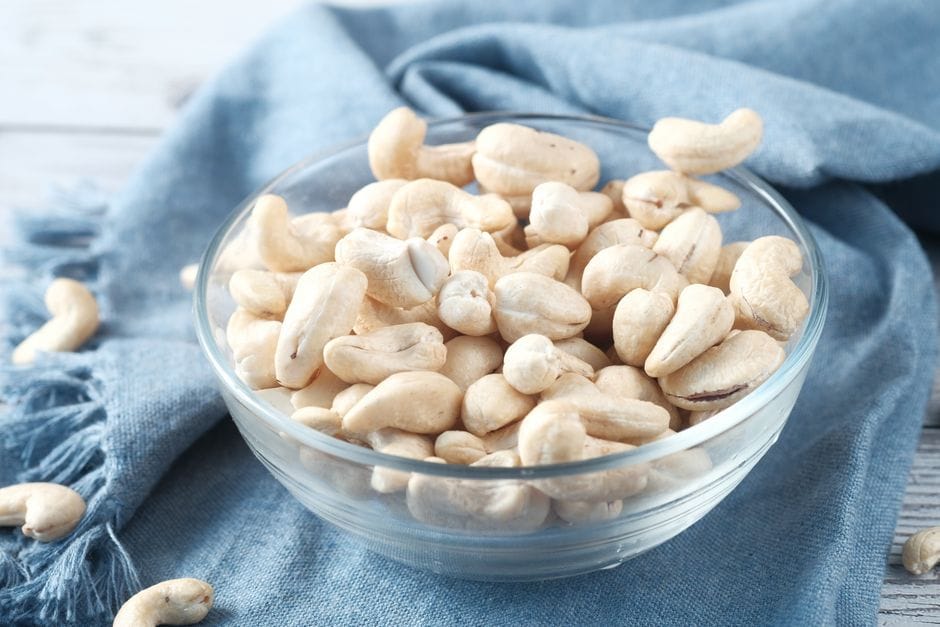 Photo: Towfiqu barbhuiya / Pexels
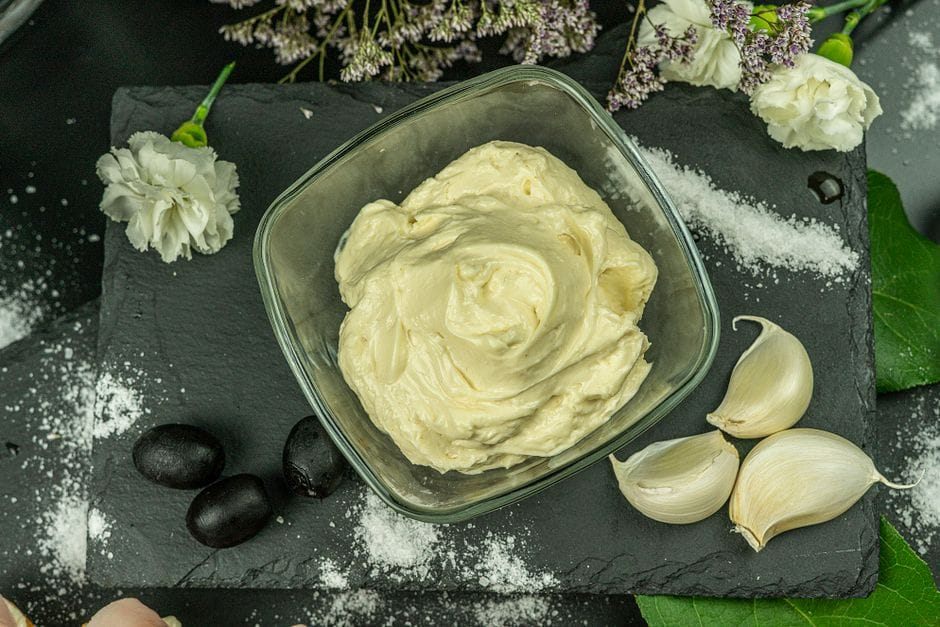
For anything savory and hot, blended cashew cream is the closest thing to dairy heavy cream I have found. It is neutral, it is rich, and crucially it emulsifies into a sauce instead of sitting on top of it. The recipe above is my standard savory base, and it is the thing I reach for several times a week.
The texture is the selling point. Because cashews are low in fiber, soaking and blending them gives you something almost suspiciously smooth, with none of the grit you get from grinding most other nuts.
If you want the full technique deep-dive, including the overnight soak versus the hot-water shortcut and how a weaker blender changes things, I wrote a whole separate guide on how to make cashew cream. The version here is tuned specifically to a pourable, heavy-cream consistency.
Where cashew cream shines:
- Pasta sauces. Stir it in off the heat at the end. It clings to the noodles and gives you that creamy alfredo-style coating without a single drop of dairy.
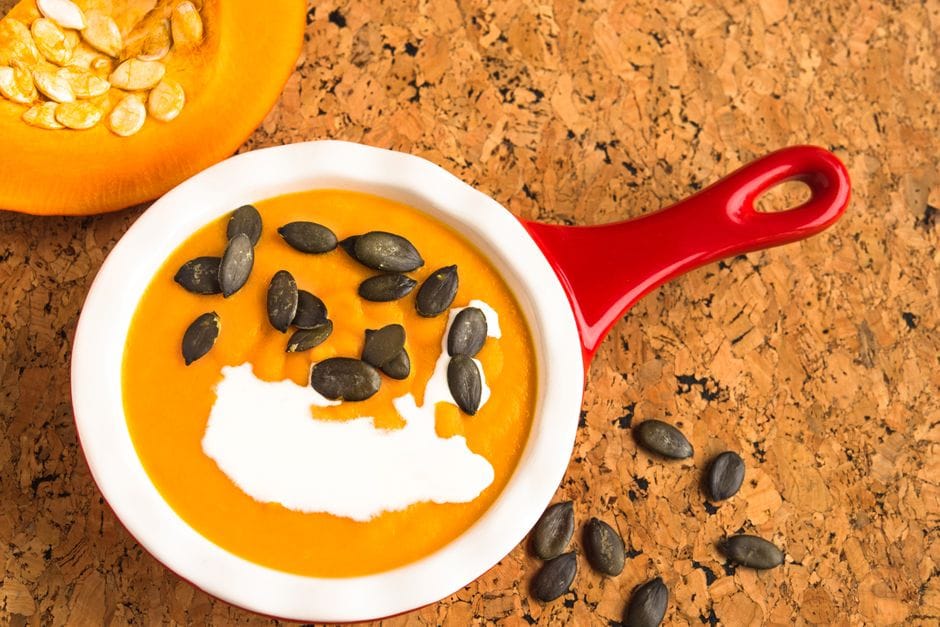
- Soups and bisques. A swirl at the end of a tomato or roasted squash soup does exactly what a splash of cream would.
- Gratins and bakes. It bakes beautifully and goes golden on top.
- Curries, though here you can also use coconut, depending on the flavor you want.
The one honest warning: do not boil it hard and fast. I have made cashew cream look broken by blasting it over high heat to reduce a sauce too quickly.
A vigorous whisk usually brings it back, but the safe move is low heat or stirring it in at the very end. It behaves like a delicate cream, not an indestructible one.
Coconut cream: the only thing that truly whips
Here is the rule I wish someone had told me years ago. Cashew cream will not whip into peaks. If you want vegan whipped cream, billowy and stiff enough to hold its shape on a slice of pie, you need the thick fat from coconut.
The technique matters more than the brand. Put a can of full-fat coconut milk or, better, coconut cream in the back of your fridge overnight, undisturbed. Do not shake it.
The cold separates the solid white fat from the thin coconut water underneath. The next day you open the can, scoop out only the firm white part, and leave the watery liquid behind. That firm fat is what whips.
Beat it cold with a hand mixer for a minute or two, add powdered sugar to taste, and you get soft, holdable peaks. For flavor, use vanilla powder or an alcohol-free vanilla, not the standard extract, which is alcohol-based. A pinch of powdered sugar also helps stabilize it.
A few small things make a real difference here. Chill the bowl and the beaters too, not just the can, because warm metal softens the fat as you whip.
Add the sugar a spoonful at a time near the end rather than all at once, so you do not deflate the air you just beat in. And know that coconut whipped cream is softer and a touch less stable than dairy, so it holds beautifully for a few hours but does best made the same day you serve it.
If it loosens in the fridge, a quick re-whip usually firms it back up.
Coconut cream is simply coconut milk with a much higher proportion of coconut fat, which is exactly why it whips better than a standard can of coconut milk. If you can find dedicated coconut cream rather than coconut milk, buy it.
What went wrong the times mine failed: I once grabbed a "lite" can on autopilot, and it never set, because there was not enough fat to whip. Another time the brand had so much guar gum and stabilizer that the fat would not separate from the water in the fridge at all, so I had nothing solid to scoop.
Which brings me to the part where brand really does matter.
Which canned coconut actually whips
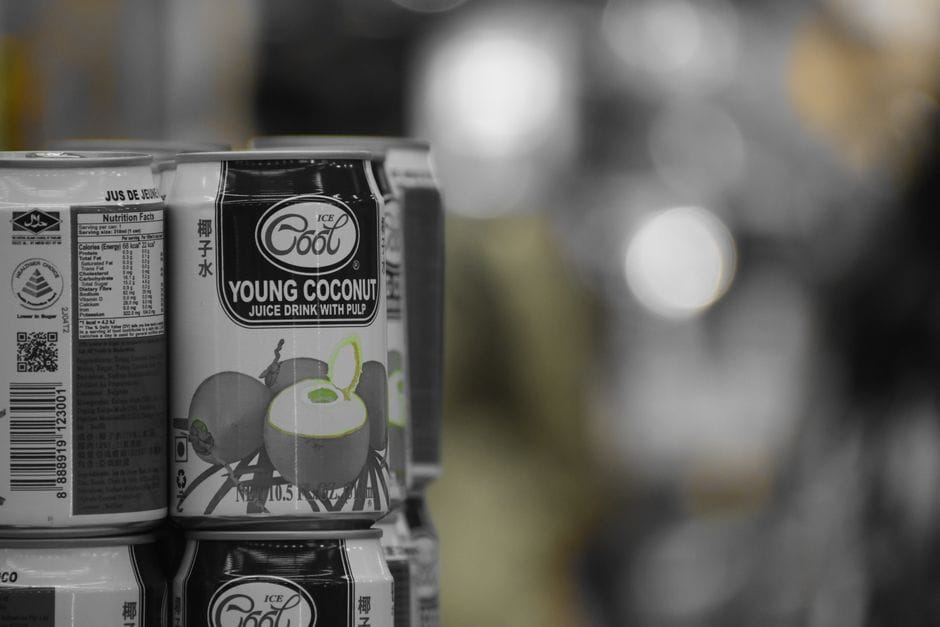 Photo: Karthick Manoharan / Pexels
Not all cans are equal, and the difference is almost entirely about fat content and gums. You want a can where the ingredient list is basically coconut and water, with little or no guar gum, and a fat content up around 20 percent or higher.
In my kitchen, the cans that reliably separate and whip are the full-fat Thai brands like Aroy-D and Chaokoh, and dedicated coconut cream from brands like Native Forest and Thai Kitchen. The ones that have let me down are the heavily stabilized supermarket own-brands loaded with guar gum, and anything labeled "lite" or "reduced fat."
If the can does not separate cleanly in the cold, it will not whip cleanly either.
A quick gut check before you buy: turn the can over and read the label. If coconut is the first ingredient and the fat per serving is high, you are in good shape.
If you want a second opinion on any ingredient that looks odd, you can run the list through our vegan ingredient checker, which flags anything animal-derived in plain language.
Store-bought vegan heavy cream, ranked honestly
You do not always want to soak cashews or wrestle a cold can. The good news is the dedicated dairy-free heavy cream category has gotten genuinely good in the last couple of years. Here are the ones I actually keep on hand.
- Silk Dairy Free Heavy Whipping Cream Alternative. This is the closest pourable-and-whippable all-rounder. It whips from the carton and works in coffee and sauces. It is sweeter than dairy and coconut-oil based, so taste before you season.
- Country Crock Plant Cream. Soy-and-coconut-oil based, this one cooks and reduces well, and it is my pick when I want a sauce to behave like the dairy original without a coconut flavor.
- Califia Farms Heavy Whip. A solid whipping option with a clean flavor, easy to find at larger grocery stores.
- Nutpods (the heavy cream style). Better as a cooking and coffee cream than a whipper, but reliable and lower in sugar than most.
Are these vegan? The dedicated dairy-free heavy cream products from these brands contain no milk or animal ingredients, so yes. The honest catch is what they add to mimic dairy: oils, sugar, and stabilizers like gellan gum.
Those are all plant-based, but they shift the flavor toward sweet and can leave a slight aftertaste in a delicate sauce. Always read the label, because formulas get quietly reformulated, and a product that was fine last year can change.
When I am unsure about a specific brand or ingredient, I check it against our Is It Vegan database before I trust it.
One more honest note on store-bought. Because these cartons lean sweet and oil-forward, they are at their best in dishes that hide a little sweetness, like a tomato cream sauce or a creamy soup with plenty of salt and acid to balance it.
In something stark and savory, like a plain peppercorn sauce, that sweetness can read as off, and that is exactly where a homemade cashew base wins. I tend to use the carton when I want speed and the cashew cream when I want the sauce to taste truly neutral. Price-wise the cartons are not cheap either, so for everyday cooking the homemade version usually costs less per cup.
The ratios that actually matter
If you make your own, the cashew-to-water ratio is the entire game, and it maps neatly onto what dairy cream you are replacing.
- 1 cup (140 g) cashews to 1/3 cup (80 ml) water: thick, spreadable, sour-cream territory. Dollop it.
- 1 cup cashews to 1/2 cup (120 ml) water: pourable heavy cream. This is the recipe above and the one you want for most cooking.
- 1 cup cashews to 3/4 cup (180 ml) water: light cream, good for thinning into soups or coffee.
- 1 cup cashews to 1 cup or more water: you have basically made cashew milk at this point.
For store-bought, you generally swap one to one for dairy heavy cream by volume, then adjust. Because most cartons are slightly sweeter, I taste and add salt or acid to savory dishes rather than following the old recipe blindly.
Putting it together by dish
Let me make this concrete, because the swap depends entirely on what you are making.
Making a creamy pasta or a risotto? Cashew cream, stirred in at the end. Making tomato soup?
Cashew cream or a store-bought plant cream, swirled in off the heat. Topping a pie, parfait, or hot drink? Chilled coconut cream, whipped, or a carton labeled for whipping.
Making a curry where coconut belongs anyway? Full-fat canned coconut milk straight in, no separating needed.
For the full landscape of dairy-free swaps beyond cream, including butter and cheese, the substitutes hub is where I keep the rest of them. And if your recipe also calls for butter, a good vegan butter finishes the job of making a classic cream sauce taste like the original.
My honest bottom line
Stop hunting for one perfect vegan heavy cream, because it does not exist, and chasing it is how you end up with a curdled sauce in front of friends. Match the swap to the job instead.
For cooking, blend cashew cream, keep the heat gentle, and stir it in late. For whipping, chill a full-fat can of coconut cream, scoop only the firm white fat, and beat it cold with a little powdered sugar.
For convenience, keep a carton of Silk or Country Crock plant cream in the fridge and read the label once. Do that, and you will never miss the dairy version, because everything you make will taste like it was supposed to be this way all along.
The recipe
Pourable Cashew Heavy Cream (Savory Base)
Prep
10 min
Total
10 min
Makes
about 1.5 cups (360 ml)
Ingredients
- 1 cup (140 g) raw cashews, soaked (overnight in cold water, or 30 minutes in just-boiled water)
- 1/2 cup (120 ml) fresh cold water, plus more to thin
- 1/2 tsp fine sea salt, plus more to taste
- 1 tsp fresh lemon juice (brightens it and mimics the slight tang of dairy)
- 1 tsp apple cider vinegar (optional, for an extra creme-fraiche tang)
- 1 small garlic clove (optional, for savory sauces only)
- 1 tsp nutritional yeast (optional, nudges it toward a richer, cheesier base)
Instructions
- 1 Drain the soaked cashews and rinse them well under cold water so the cream tastes clean.
- 2 Add the cashews, 1/2 cup water, and salt to a high-speed blender.
- 3 Blend on high for 60 to 90 seconds, stopping once to scrape down the sides, until completely smooth with no grit.
- 4 Add the lemon juice (and vinegar, garlic, or nutritional yeast if using) and blend for another 20 seconds.
- 5 Check the consistency. For a pourable heavy cream that coats a spoon, drizzle in cold water 1 tablespoon at a time and blend briefly until it pours like dairy cream.
- 6 Taste and adjust salt. Use right away, or store in a sealed jar in the fridge for up to 5 days.
Notes
- ·Stir cashew cream into hot dishes off the heat, or over low heat only. High, fast heat can make it look broken, though a quick whisk usually pulls it back together.
- ·It thickens as it chills. Loosen leftovers with a splash of water and a stir before using.
- ·This is the savory, cooking version. It will not whip into peaks. For whipped cream, use chilled coconut cream instead (see the body).
Calories
90 per 2 Tbsp
Protein
3 g
Fat
7 g
Carbs
5 g
Frequently asked questions
What is the best vegan substitute for heavy cream in cooking?+
For savory cooking, blended cashew cream is the closest match. It is rich, neutral, and emulsifies into pasta sauces, soups, and gratins without splitting the way thinner plant milks do. For a no-blender option, full-fat canned coconut milk works in curries and anywhere a faint coconut note is welcome. For pure whipping, chilled coconut cream is the answer, not cashew cream.
Can you whip vegan heavy cream?+
Yes, but not all versions whip. Cashew cream will not hold stiff peaks. What whips is the thick fat that rises to the top of a chilled can of full-fat coconut milk or coconut cream. Refrigerate the can overnight, scoop only the solid white part, and beat it cold with powdered sugar. Store-bought options like Silk Dairy Free Heavy Whipping Cream Alternative are formulated to whip straight from the carton.
Is store-bought vegan heavy cream actually vegan?+
The dedicated dairy-free heavy cream products from Silk, Country Crock, Califia, and Nutpods are vegan, with no milk or animal derivatives. The catch is added sugar, oils, and stabilizers like gellan gum, which are plant-based but change the flavor. Always read the label, since formulas get reformulated. You can paste an ingredient list into our checker tool if anything looks unfamiliar.
What ratio of cashews to water makes heavy cream?+
Use 1 cup (140 g) of soaked cashews to about 1/2 cup (120 ml) of water for a pourable, heavy-cream consistency. Less water gives you a thicker spread closer to sour cream, and more water thins it toward a light cream or milk. Start with less water than you think you need, since you can always blend in more but cannot take it back out.
Written by
VeganDigest Editorial is the small independent team that researches and fact-checks this site. We are not doctors or dietitians. For every is-it-vegan verdict we read the product's current ingredient list and manufacturer information, and for anything health-related we report guidance from recognized bodies such as the NHS, the Vegan Society, and the Academy of Nutrition and Dietetics rather than offering medical advice. Every page shows the date it was last verified, and our full process is on the How We Verify page.
Comments