Vegan Honey Substitutes That Actually Work
- Gluten-free
- Nut-free
- Soy-free
- Oil-free
In this guide9
- 01Why honey is not vegan in the first place
- 02Agave, the one that disappears
- 03Maple syrup, my honest default
- 04Date syrup, for depth and body
- 05Brown rice syrup, the sticky-texture hack
- 06Is store-bought vegan honey actually vegan, and which brands are best
- 07Which swap for tea, baking, and dressings
- 08Make your own apple vegan honey
- 09The bottom line
My grandmother used to drizzle honey into mint tea every single afternoon, and the first time I made that tea for myself after going vegan, the cupboard felt suddenly empty. I stood there holding a bottle of agave I had bought on a whim and genuinely did not know if it would taste right.
It did. Then it did not, the next week, when I tried the same agave in a salad dressing and it vanished into nothing. That is the thing nobody tells you about replacing honey: there is no single swap, because honey is not doing one job.
It is sweetener, thickener, glue, and flavor all at once, and which one you need depends entirely on what you are making.
So this is not a "just use maple syrup" article, even though maple syrup is wonderful. This is the breakdown I wish I had years ago: which swap for tea, which for baking, which for dressings, what each one actually tastes and feels like, the store-bought jars worth buying, and a homemade apple version that comes closer to the real thing than I expected.
I have made all of these mistakes so you do not have to.
Why honey is not vegan in the first place
Quick version, because the swaps are the main event. Honey is made by bees, for bees, as their own winter food. They gather nectar, pass it mouth to mouth until the water evaporates, and seal it in wax.
When we take it, beekeepers often replace it with sugar syrup, which is a bit like swapping someone's pantry for flat soda. Raw, local, manuka, the artisanal farmers-market jar: if a bee made it, it is not vegan.
By The Vegan Society's definition of veganism, foods made by animals are out, and honey is about as bee-made as a food gets. I keep this section short because I wrote a whole separate piece on the ethics and the nuance, including the "but the bees" questions people always ask.
For now, just know honey is off the table, and you genuinely lose almost nothing by swapping it.
Agave, the one that disappears
 Photo: Juanjo Menta / Pexels
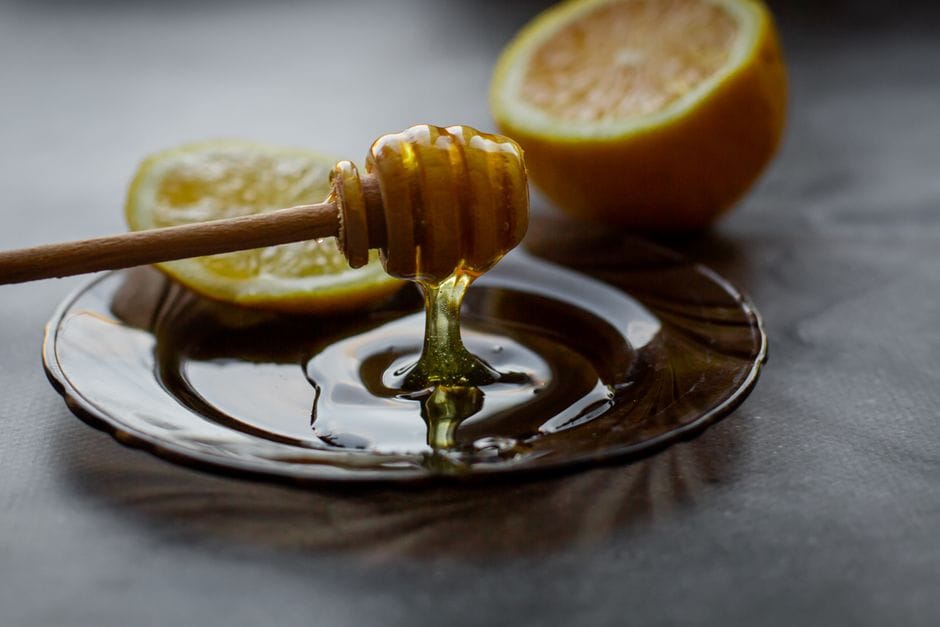
Agave is my pick when I want sweetness without any announcement. It is thin, pourable, pale gold, and it dissolves in cold liquid, which most syrups refuse to do. That cold-solubility is the whole reason it lives in my fridge.
In tea, especially iced tea, agave is the winner. It melts straight in with no grainy bottom-of-the-glass disappointment. In dressings it is just as good, because it blends smoothly into vinaigrettes and does not muddy the other flavors.
Here is where I went wrong early on though: agave is noticeably sweeter than honey, maybe 25 percent more. So when a recipe says a tablespoon of honey, start with about three quarters of a tablespoon of agave and taste up from there.
The first dressing I made one-to-one was cloying.
What agave does not do is flavor. It is almost neutral, with the faintest caramel hum. So if you actually want a recipe to taste of honey, agave is the wrong tool.
For sweetening, hiding, and dissolving, it is the right one.
Maple syrup, my honest default
If you only buy one honey swap, buy real maple syrup. Not pancake syrup, which is corn syrup with flavoring, but the real pressed-from-trees kind. It is thicker than agave, pours like honey, and brings a warm caramel flavor that I genuinely prefer to honey's floral one.
In baking, maple is my one-to-one swap in nearly everything: muffins, cookies, quick breads, marinades, glazes. The only adjustment worth knowing is that maple is slightly thinner and a touch less sweet, so if a recipe uses a lot of liquid sweetener, I cut another wet ingredient by about a tablespoon per quarter cup of maple.
Otherwise the batter loosens. In tea it works hot, dissolving easily, though it does leave a gentle maple note behind, which I happen to love in black tea and find odd in green.
The texture is the catch. Maple will sweeten your granola but it will not glue it together the way honey does. For that you need the next two.
Date syrup, for depth and body
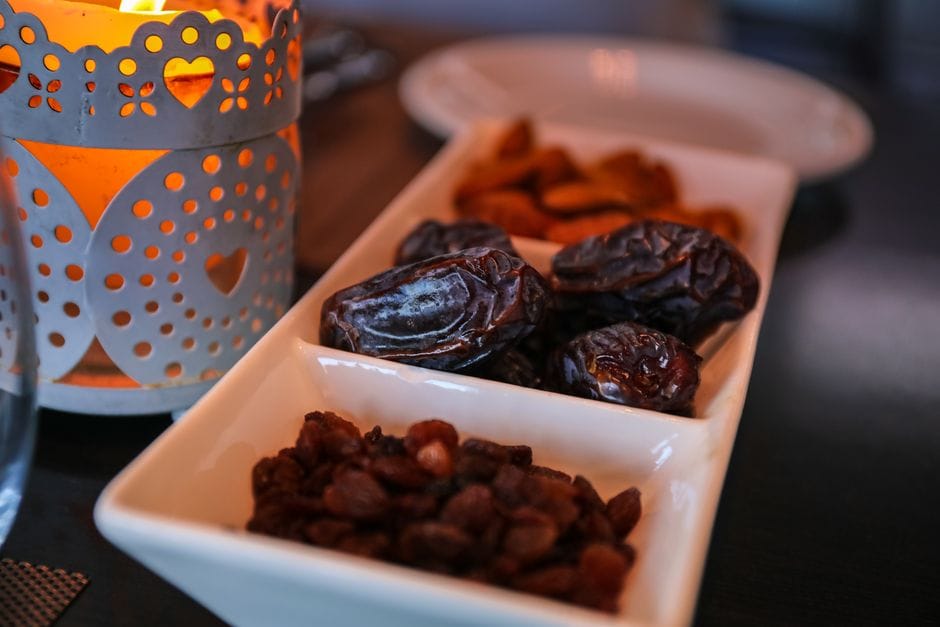 Photo: Zak Chapman / Pexels
Date syrup is the one I reach for when I want a swap to bring personality, not hide. It is dark, thick, properly viscous, with a flavor that runs toward molasses, toffee, and dried fruit. Drizzled over warm oatmeal or stirred into a marinade, it is honestly better than honey ever was in those spots.
It is a one-to-one swap by sweetness, but go in knowing it will color and flavor whatever you add it to. I would not put it in a delicate herbal tea where it would dominate, and I would not use it in a pale dressing I wanted to stay light.
Where it shines is anything robust: roasted vegetable glazes, spiced bakes, tahini drizzles, overnight oats. It also has real body, so it clings and coats in a way agave never will. Think of it less as a honey clone and more as an upgrade for big, warm flavors.
Brown rice syrup, the sticky-texture hack
This is the swap nobody mentions until their granola bars crumble into a tin of expensive gravel. Honey is not just sweet, it is sticky, and that gluiness is structural in flapjacks, energy bars, and brittles. Brown rice syrup is the closest plant-based match for that exact pull.
It is thick, ropey, and only mildly sweet, with a gentle butterscotch note. Because it is less sweet than honey, taste as you go and expect to use a touch more.
The trade-off is that it is the least convenient: it is stiff and slow to pour, and it does not dissolve in cold drinks at all, so it is useless in iced tea. But for binding, nothing on this list beats it.
If your no-bake bars have ever fallen apart, this is your fix, and it is the reason it earns a permanent jar in my cupboard despite being a pain to spoon out.
Is store-bought vegan honey actually vegan, and which brands are best
Yes. Anything sold as vegan honey, bee-free honey, or plant-based honey is genuinely free of bee products. These exist precisely because so many people want honey's specific flavor and drizzle without the bees, and they have gotten much better in the last few years.
The apple-based one I point people to is BlenditUp Organic Bee-Free Honey, made from apples, which gives it a soft fruity sweetness and a real honey-like body. It is the most accessible apple version on US shelves right now. Suzanne's Just Like Honey is the other one I genuinely like and the easiest to find in stores; just know it is built from brown rice syrup, agave, and maple rather than apples, so it is more of a blended-syrup honey than an apple one.
On the newer end, Mellody from MeliBio (now under FoodYoung Labs) is a precision-fermented honey rounded out with plant extracts like red clover and chamomile, and it is rolling out mostly across Europe for now.
One important heads-up, because the internet has not caught up: the original apple-based Bee Free Honee, the one that famously appeared on Shark Tank, went out of business back in 2019. Plenty of old articles and Pinterest posts still tell you to buy it. Skip those.
If you ever pick up a jar you are unsure about, our Is It Vegan database and the ingredient checker will confirm it fast. And honestly, a good bottle of pure maple syrup still beats most specialty jars on taste and price, so do not feel you need the fancy one.
Which swap for tea, baking, and dressings
Let me make this dead simple, because it is the question I get most.
For tea, your deciding factor is whether the drink is hot or cold. Hot tea takes almost anything, but maple and agave dissolve most cleanly and taste best.
Iced tea narrows it to agave, full stop, because it is the only one that melts into cold liquid without sinking. Skip date syrup and rice syrup in tea entirely; one overpowers, the other clumps.
For baking, maple syrup is your one-to-one workhorse for flavor and moisture, date syrup is your pick for anything dark and spiced, and brown rice syrup is the structural choice when texture has to hold, like bars and brittles. Remember that liquid sweeteners add moisture, so when you swap a granulated sugar for any syrup you may need to pull back slightly on other liquids.
This is the same logic behind a lot of plant-based baking swaps, the kind I lean on alongside a good flax egg when a recipe needs binding.
For dressings and marinades, agave for clean and neutral, maple for a little warmth, date syrup when the dressing is bold and you want depth. A teaspoon of any of them balances acid and salt beautifully.
This logic carries straight into other from-scratch condiments too; the same sweet-acid balancing act shows up when I make a batch of vegan mayo or a tangy sauce. For more whole-category swaps, our vegan substitutes hub covers the rest of the dairy and egg questions that tend to come up in the same recipe.
Make your own apple vegan honey
This is the project worth doing once, because it genuinely surprised me. Apple juice, sugar, and lemon, reduced down low and slow, become thick and glossy and golden, with a soft fruity background where honey's floral note would be.
It is the same patient principle behind a lot of from-scratch projects: pick the right liquid, add sugar, and boil off the water until it transforms.
The full quantities and steps are in the recipe card above, but the heart of it is this. Use cloudy apple juice for body, never skip the lemon because it both flavors and stops the sugar from crystallizing, and reduce it in a wide pan over a lazy simmer rather than a hard boil.
The single mistake everyone makes, me included the first three times, is cooking it too long. It looks thin in the pan and you panic and keep going, and then it sets like candy in the jar.
Pull it off the heat while it still seems slightly too loose, because it thickens dramatically as it cools. If it does seize up, a teaspoon of warm water stirred in rescues it.
A chamomile tea bag steeped in the warm juice nudges it toward that floral honey character, and a pinch of cinnamon leans it toward honeycomb. Keep it in the fridge and use it within three to four weeks.
It is not a perfect clone of honey, but in tea, on toast, or swirled into oatmeal, it is the closest homemade version I have made.
The bottom line
You do not need to mourn honey. You need three or four jars and a sense of which does what.
Keep agave for cold drinks and clean dressings, maple syrup as your one-to-one default for almost everything, date syrup for depth, and brown rice syrup for the day your granola bars need to actually hold together. Buy BlenditUp or Suzanne's if you miss the specific drizzle, ignore the dead Bee Free Honee recommendations still floating around, and make the apple version once just to prove to yourself it can be done.
Pour it into your tea and get on with your afternoon. The bees keep their food, and you lose nothing worth keeping.
The recipe
Homemade Apple Vegan Honey
Prep
5 min
Cook
35 min
Makes
about 1 cup (240 ml)
Ingredients
- 2 cups (480 ml) cloudy apple juice (use 100 percent juice, not from concentrate if you can; the cloudy kind has more body and reduces to a better color)
- 1 cup (200 g) granulated cane sugar (use organic or beet sugar to be sure it is bone-char free; the sugar is what makes it thick and glossy, not just sweet)
- 2 Tbsp fresh lemon juice (this is non-negotiable; it stops the sugar crystallizing and gives the honey its bright, slightly sharp edge)
- 1 strip lemon peel, about 2 inches (optional, for a deeper citrus note; pulled out before bottling)
- 1 pinch fine sea salt (rounds out the sweetness so it does not read flat)
- 1/4 tsp ground cinnamon (optional, for a warm, almost honeycomb-leaning flavor; go light so it does not take over)
- 1 chamomile tea bag (optional, steeped in the warm juice for 5 minutes then removed; it nudges the flavor toward floral honey)
- 1/2 tsp alcohol-free vanilla (optional, for a rounder finish; add at the very end off the heat)
Instructions
- 1 Pour the apple juice into a wide, heavy-bottomed saucepan. A wide pan matters because more surface area means faster, more even reduction and far less risk of scorching at the end.
- 2 Add the sugar, lemon juice, salt, and the lemon peel and cinnamon if using. Stir over medium heat until the sugar fully dissolves and the mixture comes to a gentle simmer.
- 3 If using chamomile, drop the tea bag in now, steep for 5 minutes, then fish it out so it does not turn bitter.
- 4 Lower the heat so it holds a lazy, steady simmer. A hard boil will catch on the bottom and taste burnt, so keep it slow and stir every few minutes.
- 5 Let it reduce for 25 to 35 minutes. It will go from thin and pale to a deeper amber, and it is ready when it coats the back of a spoon and a drop cooled on a cold plate runs slowly like syrup.
- 6 Remember it thickens a lot more as it cools, so stop while it still looks slightly looser than honey. Pull out the lemon peel, then stir in the alcohol-free vanilla if using.
- 7 Cool fully, then pour into a clean jar. It firms up overnight; if it sets too stiff, stir in a teaspoon of warm water to loosen. Keep refrigerated and use within 3 to 4 weeks.
Notes
- ·Too thin after cooling? Return it to the pan and simmer a few minutes more. Too thick or grainy? Warm it gently with a splash of water and stir.
- ·Cloudy apple juice gives a richer color and flavor than clear; pressed apple cider works beautifully too.
- ·For a darker, more molasses-leaning honey, swap 2 tablespoons of the cane sugar for coconut sugar.
Frequently asked questions
What is the best vegan honey substitute?+
There is no single winner, because honey does different jobs. For tea and dressings I reach for agave, since it is thin and neutral and dissolves in cold liquid. For baking and anything where flavor matters, maple syrup is my default at a roughly 1:1 swap. When I need honey's sticky, holds-it-together pull, like in granola bars, brown rice syrup is the closest match.
Is store-bought vegan honey actually vegan, and which brands are best?+
Yes, products sold as vegan honey are genuinely bee-free. The best widely available apple-based one is BlenditUp Organic Bee-Free Honey, made from apples. Suzanne's Just Like Honey is excellent too, though it is rice, agave, and maple based rather than apple. Mellody, the precision-fermented brand, is rolling out mostly in Europe. Note that the original apple Bee Free Honee shut down in 2019, so ignore old recommendations to buy it. Always check the label, or paste the ingredients into our checker.
Can I substitute maple syrup for honey 1:1 in baking?+
Mostly yes. Maple syrup is slightly thinner and a touch less sweet than honey, so a 1:1 swap works in most cookies, muffins, and quick breads. If a recipe leans on a lot of liquid sweetener, cut another wet ingredient by about a tablespoon per quarter cup of maple to keep the batter from getting too loose. The flavor reads more caramel than floral, which I usually prefer anyway.
Does homemade apple vegan honey taste like real honey?+
It gets surprisingly close on texture and sweetness, but it is its own thing. The apple juice gives it a soft fruity background instead of honey's floral note, and the lemon and reduction give it that thick, slow drizzle. In tea or on toast most people cannot tell. Side by side with real honey, you would notice the apple, but in a good way.
Written by
VeganDigest Editorial is the small independent team that researches and fact-checks this site. We are not doctors or dietitians. For every is-it-vegan verdict we read the product's current ingredient list and manufacturer information, and for anything health-related we report guidance from recognized bodies such as the NHS, the Vegan Society, and the Academy of Nutrition and Dietetics rather than offering medical advice. Every page shows the date it was last verified, and our full process is on the How We Verify page.
Comments