Nutritional Yeast 101: What It Is and How to Use It
In this guide8
I bought my first tub of nutritional yeast by accident. I was reaching for a yellow canister I thought was breadcrumbs, read the word "yeast," assumed it was for baking, and brought it home anyway because the bin was nearly empty.
It sat in my cupboard for three weeks before a friend caught me about to proof it for bread and physically took the spoon out of my hand. That is how I learned, the embarrassing way, that nutritional yeast does not rise anything.
It is the single ingredient that taught me vegan food could taste savory and round and a little bit cheesy without a cow anywhere near it, and I have not run out since.
If you have spent any time around plant-based cooking, you have heard people call it "nooch" in a tone usually reserved for a beloved pet. There is a reason for the affection.
Once you understand what it actually is and how to handle it, it stops being a mystery powder and becomes the thing you reach for three nights a week.
What nutritional yeast actually is
Nutritional yeast is a deactivated yeast, specifically a strain of Saccharomyces cerevisiae, the same species used in baking and brewing. The key word is deactivated. The yeast is grown on a sugar-rich medium, usually beet or cane molasses, then harvested, washed, and heat-dried until it is completely dead.
Because it is dead, it has no leavening power at all. It will not bubble, it will not rise, and it will not ferment your dough. It is purely a food ingredient, which is exactly what my friend was trying to tell me.
The result is sold as either fine powder or, more commonly, light flakes the color of a faded marigold. The flakes are what most home cooks buy because they cling nicely to food and dissolve into sauces.
If you want the full background, the Wikipedia entry on nutritional yeast walks through the production process in more detail than I will here.
And yes, it is vegan. Yeast is a fungus, not an animal, so there is no animal product involved at any stage. If you ever find yourself second-guessing a yeast-based product on a label, you can run it through our vegan ingredient checker to be sure.
The cheesy, umami thing everyone talks about
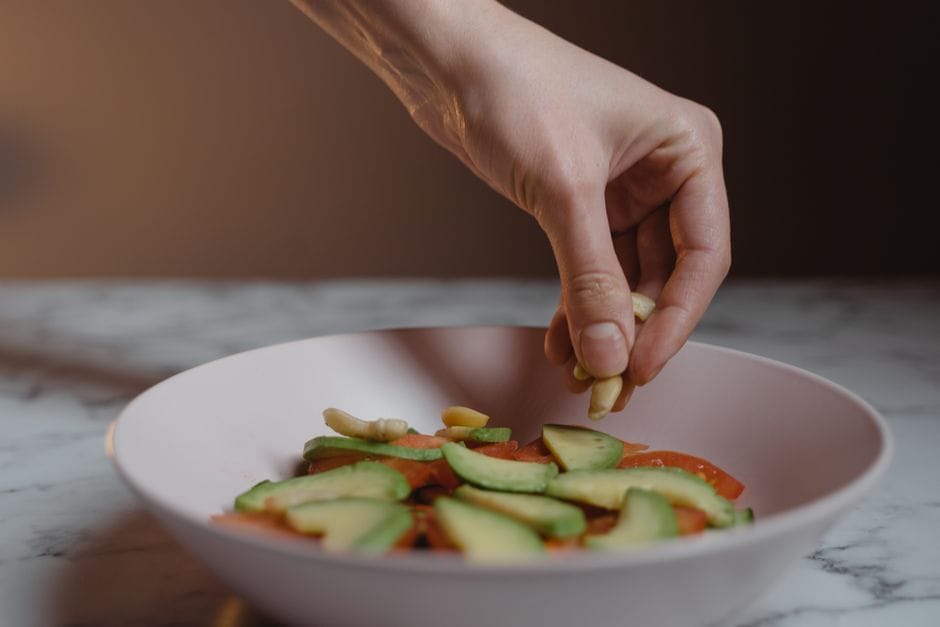
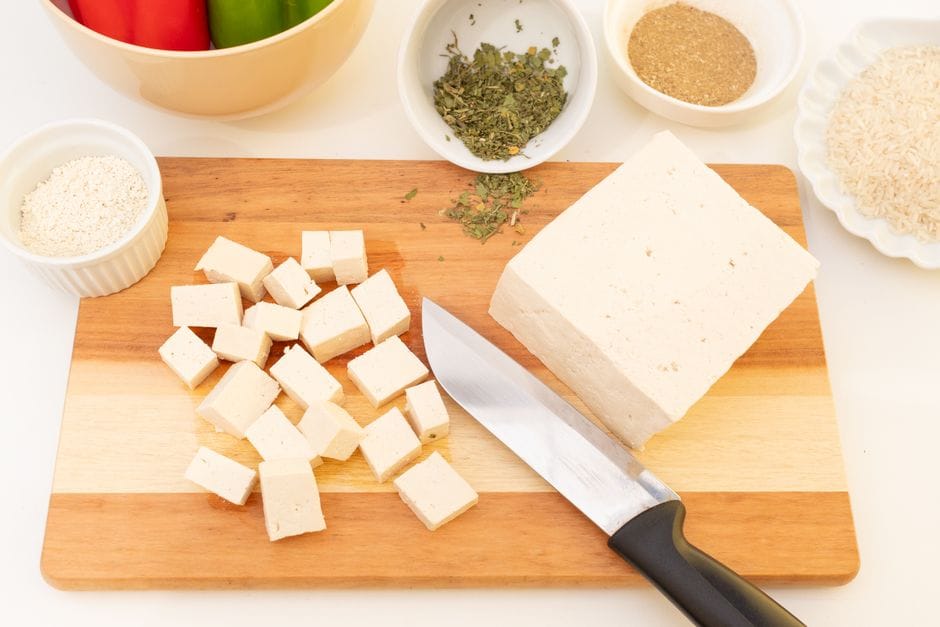 Photo: Laura oliveira / Pexels
The flavor is the whole point, so let me be specific about it. Nooch tastes savory and nutty with a deep umami base. That umami comes mostly from naturally occurring glutamates, the same family of compounds that makes aged Parmesan, mushrooms, and soy sauce taste so satisfying.
It reads as "cheesy" to most people, but it is a gentle, toasty cheesiness rather than the sharp, salty bite of actual dairy cheese.
What surprised me early on is how much fat and heat change the experience. Eaten dry off a spoon, the flakes are mild and a touch papery.
Stir that same tablespoon into warm pasta with a little olive oil, or shower it over popcorn slicked with melted vegan butter, and the cheesy note blooms. That is why I always pair it with some kind of fat.
It is a flavor that needs a partner to fully wake up.
A small honest warning: a little goes a long way, and there is a tipping point. I once dumped a heaped quarter cup into a small pot of sauce thinking more was better.
It went from pleasantly savory to aggressively yeasty and almost broth-like, the kind of intensity that coats the back of your throat. Add it gradually and taste as you go. Another texture note worth knowing: nooch is a natural thickener.
Because the dry flakes drink up liquid, a generous spoonful will quietly tighten a sauce or gravy. That is helpful when you want body, and annoying when your sauce suddenly turns to paste, so add liquid alongside it if you are using a lot.
Why people care about the B12
Here is the part that earns nooch its "nutritional" name beyond just flavor. Many brands fortify their nutritional yeast with B vitamins, and crucially with vitamin B12.
B12 is the one nutrient that genuinely deserves attention on a fully plant-based diet, because it is produced by bacteria and is not reliably found in plant foods. The Vegan Society's guidance on B12 is clear that vegans need a dependable source, whether from fortified foods, a supplement, or both.
A heads-up that trips people up: fortification is not automatic. Some products, especially ones labeled "unfortified" or sold in bulk health-food bins, contain no added B12 at all. The B12 you see in fortified nooch is added during manufacturing, not grown by the yeast.
So if B12 matters to you, read the supplement facts panel on the actual tub and look for cyanocobalamin or B12 listed with a percentage. Bragg and Red Star Vegetarian Support Formula are two widely sold fortified options in the United States, and Marigold's Engevita with added B12 is the common one in the United Kingdom.
I treat fortified nooch as a helpful contributor rather than my whole B12 plan. I still take a supplement, and most dietitians would tell you the same. Sprinkling a tablespoon on dinner is a nice bonus, not a guarantee you have hit your target.
How to use it: popcorn, pasta, and beyond
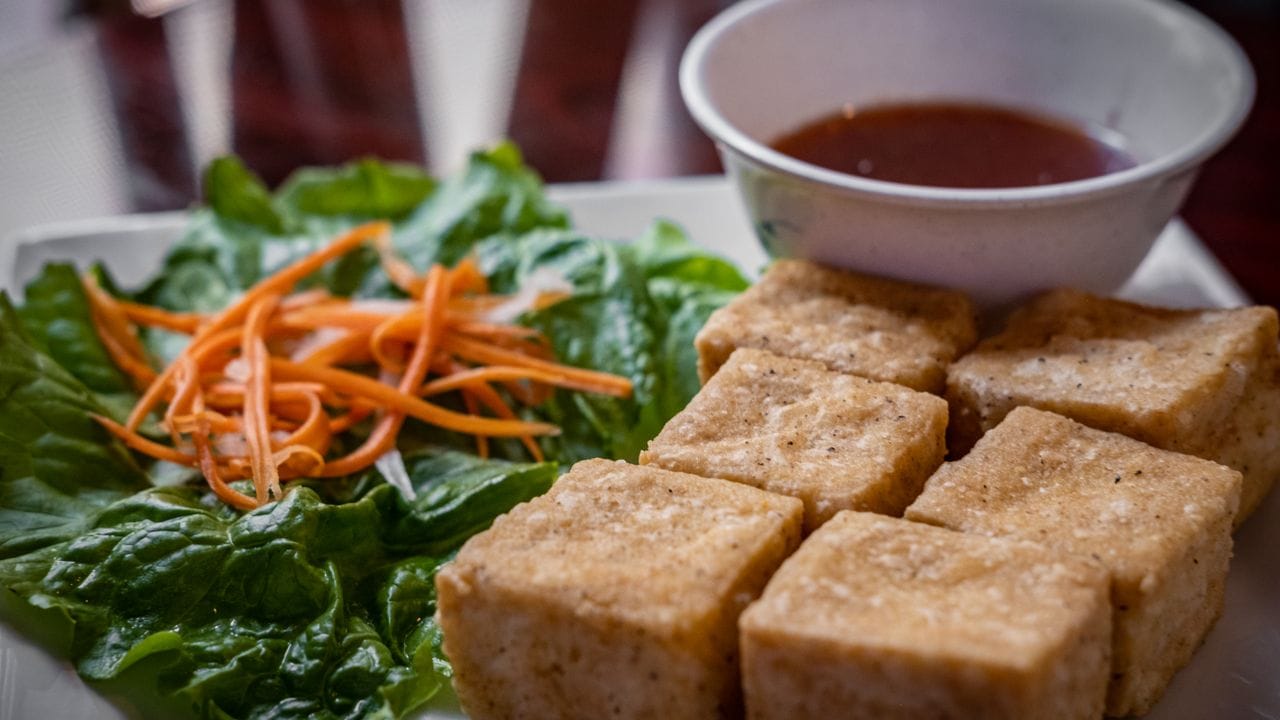
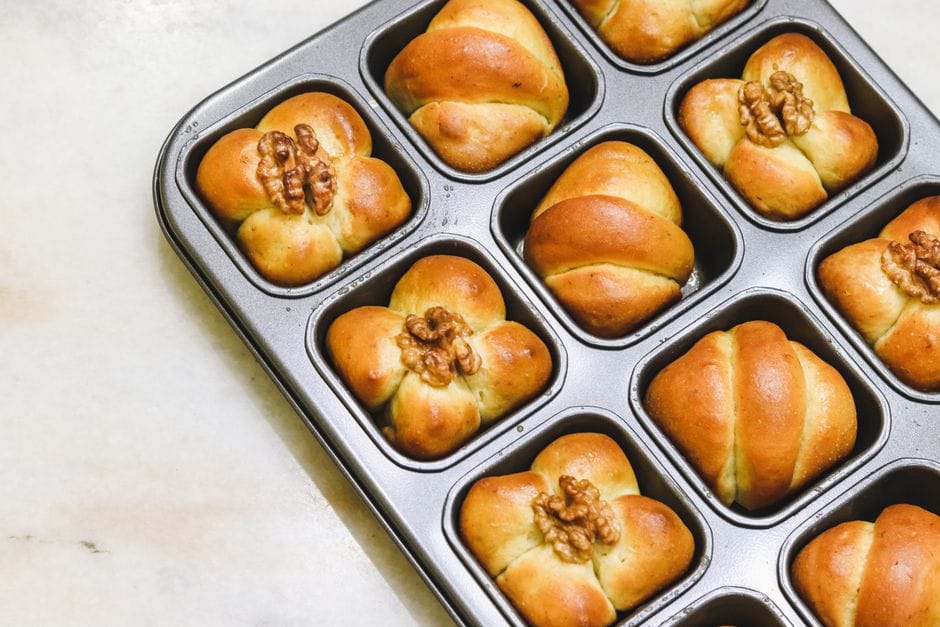 Photo: JS Leng / Pexels
This is where nooch stops being theoretical. My five everyday uses, roughly in the order I discovered them:
Popcorn. This is the gateway. Air-pop or stovetop-pop your corn, toss it while hot with a couple tablespoons of melted vegan butter or oil so the flakes have something to grip, then shake on 2 to 3 tablespoons of nooch and a good pinch of salt.
The flakes stick to the fat and you get a savory, almost cheddar-dusted bowl. It ruined plain popcorn for me permanently.
Pasta. The fastest cheesy pasta I know. Drain hot pasta, keep a splash of the starchy water, then stir in olive oil or vegan butter, 2 to 3 tablespoons of nooch per serving, a crack of black pepper, and just enough pasta water to make it cling.
It is not a substitute for a long-simmered sauce, but on a weeknight it is a complete dinner in the time it takes the water to boil.
Roasted vegetables and tofu scramble. Nooch belongs in any tofu scramble. Crumble pressed firm tofu into a hot pan, add turmeric for color, a little black salt for an eggy sulfur note if you have it, and a tablespoon or two of nutritional yeast for savory depth.
It is the difference between bland crumbled tofu and something that actually tastes like a Sunday breakfast. If your scramble is coming out watery, that usually means the tofu was not drained enough, and our guide on how to press tofu fixes it.
For the cooking method itself, our tofu how-to covers the basics.
Cheese sauces. For a pourable nacho-style or mac sauce, nooch is the backbone. A typical formula blends soaked cashews or a cooked potato-and-carrot base with 1/4 to 1/2 cup nooch, a little lemon, salt, and water until silky. The yeast supplies the savory, cheesy core that the rest of the ingredients build texture around.
Soups, gravies, and risotto. Anywhere you would have reached for a hard grating cheese to finish a dish, stir in a tablespoon of nooch at the end instead. It melts in, adds body, and rounds out flavors that taste thin.
How much to use, by dish
People always want numbers, so here is my honest cheat sheet from years of overdoing it and dialing it back:
Popcorn, single large bowl: 2 to 3 tablespoons. Pasta, one serving: 2 to 3 tablespoons. Tofu scramble, two eggs' worth of tofu: 1 to 2 tablespoons.
A finishing sprinkle on soup or roasted vegetables: 1 to 2 teaspoons. A full cheese sauce for four: 1/4 to 1/2 cup.
The honest rule is to start low, taste, and add more. You can always add another spoonful, but you cannot pull it back out once a sauce tips into that overly yeasty zone.
As for a daily amount, a tablespoon or two a day sits comfortably for most people and, if your brand is fortified, contributes a real chunk of your B12 along the way.
Storing it so it stays good
Nooch is forgiving but not invincible. Keep it in an airtight container away from heat, light, and above all moisture. The flakes love to pull in humidity, and a damp spoon dipped into the tub is the fastest way to ruin a batch.
Always scoop with something dry.
Stored cool and sealed, an unopened tub keeps for up to two years. Once it is open, I move mine to the fridge, partly out of habit and partly because the cold helps preserve the fortified B12, which degrades slowly when exposed to heat and light over time.
The freezer works too if you buy in bulk. You will know it has gone off if it smells stale, sour, or musty instead of toasty and faintly cheesy. In practice I have never had a tub spoil.
I always finish it long before it could.
Is it the same as brewer's yeast? No.
This is the question that sends people down a rabbit hole, so let me settle it. Brewer's yeast and nutritional yeast come from the same species, but they are not interchangeable.
Brewer's yeast is a byproduct of beer making, harvested after fermentation, and it carries a distinctly bitter taste. That bitterness is why it is sold as a supplement powder rather than a seasoning.
Nutritional yeast, by contrast, is grown deliberately to be eaten, is washed and processed for a clean cheesy flavor, and is typically fortified with B vitamins.
If a recipe calls for nutritional yeast and you swap in brewer's yeast, your dish will taste bitter and slightly off. They are not a one-to-one substitute.
There is a third cousin worth naming too: baker's active dry yeast, the live stuff you proof for bread, which is the mistake I nearly made. That one is alive and will not season anything.
When you are shopping, the label usually makes the difference obvious, but if you are ever unsure whether a yeast-based product belongs in a recipe, our Is It Vegan database is a good place to double-check before you commit.
A quick word on nooch as cheese
I want to set an honest expectation, because I had the wrong one at first. Nutritional yeast does not taste exactly like dairy cheese, and it never will on its own.
It supplies the savory, umami, vaguely cheddar-adjacent note that makes plant-based cheese work, but real vegan Parmesan recipes pair it with ground nuts, salt, and sometimes garlic to build the full effect. Think of nooch as the flavor engine, not the whole car.
Once I stopped expecting it to be cheese and started treating it as the thing that makes my food taste like cheese, I stopped being disappointed and started using it constantly.
So here is my practical takeaway after years of keeping a tub permanently within arm's reach: buy a fortified brand, store it dry and cool, and start with two tablespoons whenever you are not sure. Pair it with a little fat and a little heat, taste before you add more, and let it do what it does best, which is make a simple bowl of food taste deeply, satisfyingly savory.
That accidental purchase turned out to be one of the most useful mistakes I have ever made in a kitchen.
Frequently asked questions
What does nutritional yeast taste like?+
Nutritional yeast tastes savory, nutty, and faintly cheesy, with a deep umami background that reads like the rind of an aged hard cheese. It is not sour or sharp like real Parmesan, and it has none of the bready, fermented smell of active baking yeast. On its own the flakes taste mild and slightly toasty. The cheesy quality really shows up once you stir it into something warm and a little fatty, like a sauce or buttered popcorn.
Is nutritional yeast the same as brewer's yeast?+
No. Both come from the same species of yeast, but they are different products. Brewer's yeast is a byproduct of brewing and tastes noticeably bitter, so it is sold mainly as a supplement and not as a seasoning. Nutritional yeast is grown specifically to be eaten, has a pleasant cheesy flavor, and is usually fortified with B vitamins including B12. If a recipe calls for nooch, do not swap in brewer's yeast or it will taste bitter.
How much nutritional yeast should I use?+
For a single serving as a seasoning, start with 1 to 2 tablespoons sprinkled over popcorn, pasta, or roasted vegetables. For a cheese sauce that serves four, 1/4 to 1/2 cup is normal. There is no hard daily limit for most people, but a level tablespoon or two a day is a sensible amount and roughly covers a meaningful share of B12 if your brand is fortified. Too much at once can taste overpoweringly savory, so add gradually and taste as you go.
Does nutritional yeast need to be refrigerated?+
It does not have to be refrigerated, but it lasts longer if you keep it cool. Store nutritional yeast in an airtight container away from heat and light and it will stay good for up to two years. The fridge or freezer extends that further and helps protect the fortified B12, which degrades slowly with heat and light. The biggest enemy is moisture, so always use a dry spoon and keep the lid sealed.
Written by
VeganDigest Editorial is the small independent team that researches and fact-checks this site. We are not doctors or dietitians. For every is-it-vegan verdict we read the product's current ingredient list and manufacturer information, and for anything health-related we report guidance from recognized bodies such as the NHS, the Vegan Society, and the Academy of Nutrition and Dietetics rather than offering medical advice. Every page shows the date it was last verified, and our full process is on the How We Verify page.
Comments