How to Press Tofu (And Why Skipping This Step Is Ruining Your Dinner)

In this guide7
I didn't press tofu for the first two years I was vegan. I genuinely didn't know you were supposed to. I'd cube it up, toss it in a pan with some soy sauce, and wonder why it always came out beige and sad.
The marinade pooled at the bottom. The texture was somewhere between rubber and wet sponge. I blamed the tofu.
The tofu was innocent.
Pressing is the single step that separates good tofu from forgettable tofu. It's not complicated. It's not optional if you want crispy.
Here's everything you need to know.
Why Pressing Tofu Actually Matters
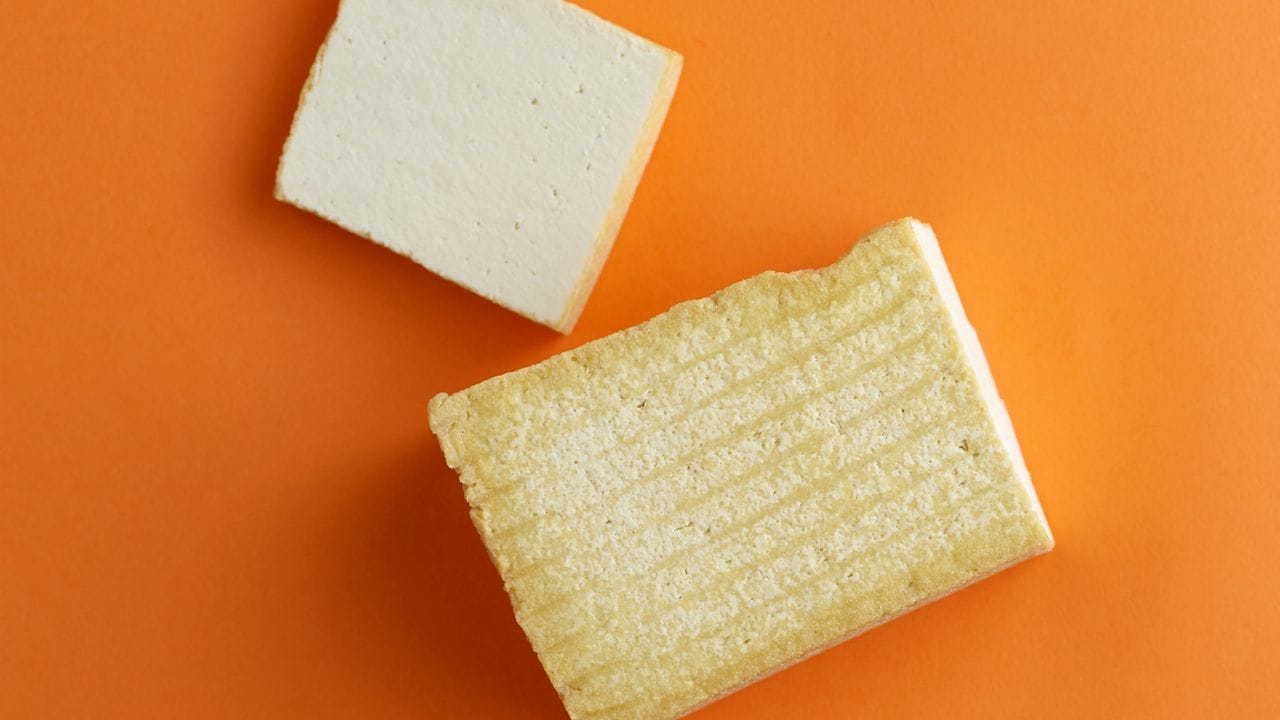
Tofu is made by coagulating soy milk and pressing the curds into blocks. Even after that manufacturing press, firm and extra-firm tofu still holds a lot of water inside its structure. That water is the enemy of texture.
When you put wet tofu in a hot pan, two things happen. First, the water on the surface has to evaporate before any browning can begin. Second, as the water steams off, the tofu cools the pan down.
You need heat for a Maillard reaction. You don't get that with waterlogged tofu.
Pressing solves both problems. Less water means the surface dries faster in the pan, the temperature stays high, and you actually get a crust. It also means the tofu has physical space to absorb whatever you're marinating it in, rather than staying saturated with the water it came packaged with.
Which Tofu Needs Pressing (and Which Absolutely Does Not)
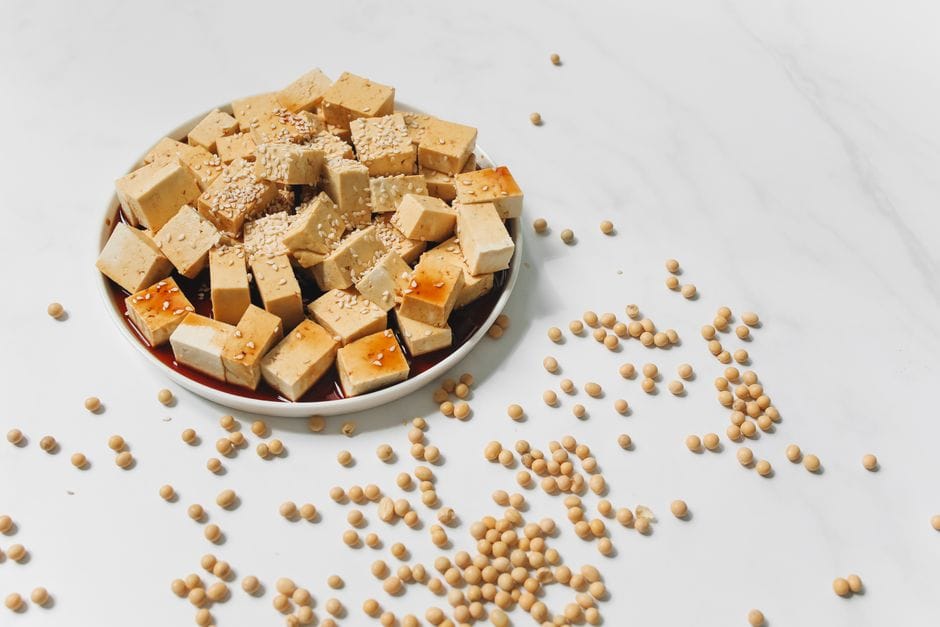 Photo: Polina Tankilevitch / Pexels
Firm and extra-firm tofu: press these every time you want to sear, bake, fry, or marinate. No exceptions.
Medium tofu: sometimes worth pressing lightly depending on what you're making. If you're crumbling it into a scramble, don't bother. If you want it to hold a shape in a stir-fry, a quick 15-minute press helps.
Silken tofu: do not press it. Not even a little. Silken tofu is meant to be smooth and custardy.
Pressing destroys the texture you're paying for. It's designed for blending into sauces, dressings, and desserts. Check out how to cook tofu for more on how silken behaves differently in the kitchen.
Method One: The Towel-and-Weight (My Default)
This is what I use 90% of the time because it requires nothing you don't already own.
Drain your tofu and slice it into the shape you're planning to cook, whether that's slabs, cubes, or triangles. Lay a clean kitchen towel or a thick layer of paper towels on a cutting board. Put the tofu on top.
Cover with another towel. Then stack something heavy on it.
My go-to: a cast iron pan with a couple of cookbooks on top. The cast iron is flat, heavy, and distributes pressure evenly. If you don't have cast iron, a baking sheet with a pot on top works fine.
The exact weight matters less than making sure it's uniform.
Leave it for at least 15 minutes. Thirty is better. You'll see the towels turn damp.
That's the water you didn't want in your dinner.
Hot take: people overthink this. You do not need to buy a specialty tool. The towel-and-stack-of-whatever method is genuinely excellent.
Method Two: A Dedicated Tofu Press
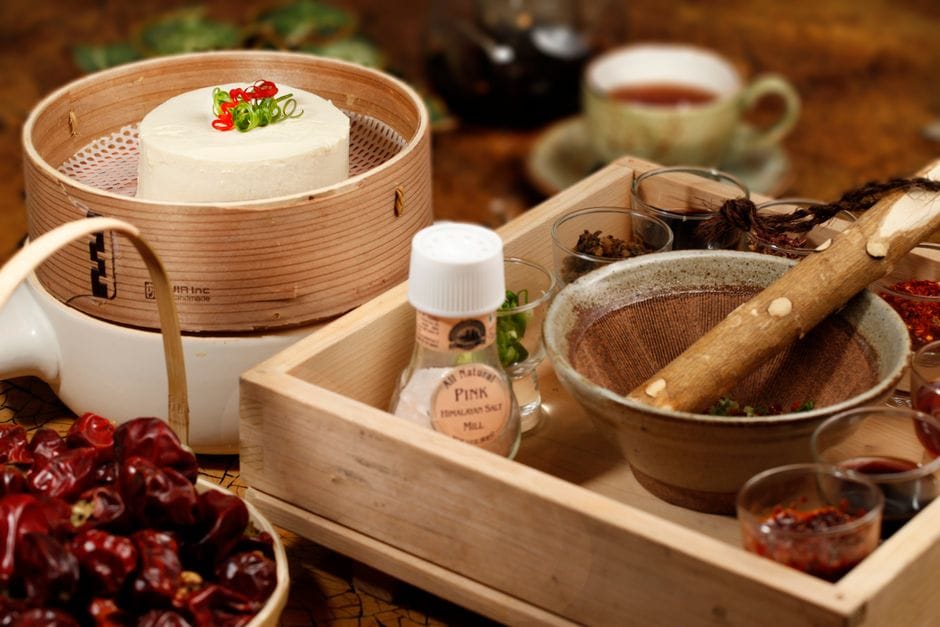 Photo: minchephoto photography / Pexels
Tofu presses are a thing. They're usually two plates with a spring or screw mechanism that squeezes the block slowly and evenly. If you make tofu multiple times a week, it's a reasonable purchase.
If you're making it once a month, save your counter space.
The advantage is hands-off consistency. You set the tension, walk away for 30 to 60 minutes, and come back to a uniformly pressed block. No towel to wring out.
No books sliding off the pan.
The disadvantage is that you have to pre-slice after pressing rather than before, which is slightly less convenient. Also, most presses don't accommodate tofu that's been sliced into small pieces already.
Method Three: Freezing (for Chewy, Sponge-Like Texture)
This one's underrated and most people don't know about it. If you freeze tofu and then thaw it before pressing, the water forms ice crystals that puncture the protein structure. When it thaws and you press out the moisture, you're left with tofu that has a chewier, meatier, slightly sponge-like texture.
It absorbs marinade dramatically better than fresh-pressed tofu because of all the tiny holes the ice crystals created.
The process: drain the tofu, freeze it in its block form for at least 8 hours, then thaw it in the fridge overnight or under cool running water. Then press using the towel method. Squeeze it gently with your hands too, the way you'd wring a sponge.
You'll get a surprising amount of water out.
The texture isn't for everyone. It's genuinely chewy and dense. But for stir-fries, skewers, or anything where you want the tofu to have some bite to it, it's excellent.
How Long to Press Tofu
The honest answer: longer than you think. Here's a rough guide.
For a quick weeknight stir-fry where texture matters but you're not being precious about it: 15 minutes minimum. For crispy baked tofu or anything you're pan-searing until golden: 30 minutes. For marinated tofu where maximum flavor absorption is the whole point: 30 to 60 minutes, or even overnight in the fridge after pressing.
You can press in the morning before work and refrigerate the block until dinner. It keeps fine for a day or so once pressed.
What To Do With the Tofu Right After
Press it, then marinate it or cook it. Don't let pressed tofu sit uncovered in the fridge for multiple days before cooking, because it'll dry out unevenly on the outside while staying different inside.
If you're baking or air-frying, a light toss in cornstarch after pressing is what really locks in the crunch. The how-to guides here cover that in detail for specific cooking methods.
The Vegan Society notes that tofu is a solid complete protein source. It deserves better than being steamed sad in a puddle of its own water. Press it.
You'll never go back.
Frequently asked questions
How long should you press tofu?+
At minimum 15 minutes with the towel-and-weight method. Thirty minutes is better. If you're using a dedicated tofu press, 30 to 60 minutes gives you noticeably drier, firmer results.
Do you have to press tofu before cooking?+
For firm and extra-firm tofu: yes, unless you're making a silky sauce or scramble where moisture doesn't matter. For silken tofu: never press it. It'll fall apart and you'll lose the texture entirely.
What happens if you don't press tofu?+
The water inside steams the tofu in the pan instead of letting it sear. You get a pale, slightly rubbery block instead of crispy golden cubes. It also won't absorb marinade properly because the water is already occupying that space.
Written by
VeganDigest Editorial is the small independent team that researches and fact-checks this site. We are not doctors or dietitians. For every is-it-vegan verdict we read the product's current ingredient list and manufacturer information, and for anything health-related we report guidance from recognized bodies such as the NHS, the Vegan Society, and the Academy of Nutrition and Dietetics rather than offering medical advice. Every page shows the date it was last verified, and our full process is on the How We Verify page.
Comments