How to Cook Dried Beans: Soak, Simmer, and Actually Get It Right

 Jump to recipe ↓
 In this guide7
The first time I cooked a pot of dried chickpeas from scratch, I ate them plain, standing at the stove with a wooden spoon, burning my tongue because I couldn't wait. They were so much better than anything that had come out of a can that I felt vaguely cheated.
I'd been vegan for two years by that point. Nobody had told me.
Dried beans are one of the best things in a plant-based kitchen. They're cheap. They store for years.
They taste genuinely good. But there's a wall of outdated advice surrounding them: the soak-or-die crowd, the people who think salt ruins everything, the ones who treat acid timing like a state secret. And it puts people off before they've even started.
Let's clear it up.
Soaking: helpful, not mandatory
You don't have to soak dried beans. The internet will argue about this forever. Here's the honest answer: soaking shortens cook time by roughly a quarter to a half, and it makes beans a bit easier on your digestion because some of the oligosaccharides (the compounds responsible for, well, you know) leach into the soak water, which you then discard.
If you have time, soak overnight. Cover the beans generously with cold water, leave them on the counter, drain and rinse before cooking. Done.
If you don't have time, do a quick soak: cover with water in a pot, bring to a boil, turn off the heat, let them sit for an hour, drain and rinse. Same effect.
If you skip soaking entirely, your beans will still cook. They'll just take longer, often an extra 45 minutes to an hour on the stovetop. For lentils and split peas, soaking is basically pointless since they cook so fast anyway.
The salt myth needs to die
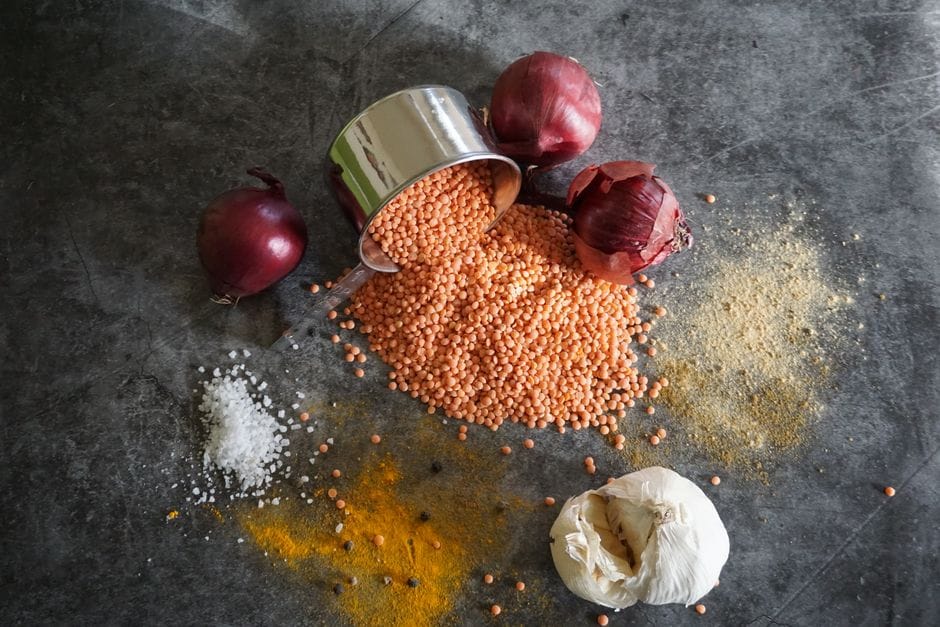
 Photo: Ana Vieira / Pexels
I'm going to say this as clearly as I can. Salting your cooking water does not make beans tough. It does not make the skins leathery.
This idea has been repeated so many times that people treat it as fact, but it's wrong.
Salt seasons beans from the inside out. Add it early (when the beans go in, not at the end) and you'll get beans that actually taste like something. Under-salted beans cooked in plain water and then seasoned at the end have a kind of hollow, starchy flavor that no amount of salt at the table fully fixes.
Common beans (Phaseolus vulgaris) have been salted during cooking across cultures for centuries. Trust that. Add about a teaspoon of salt per pound of dried beans, and adjust at the end if needed.
Stovetop method
This is my default and the method I trust most for beans with real texture and depth of flavor.
Drain your soaked (or unsoaked) beans and put them in a heavy pot. Cover with cold water by at least three inches. Beans absorb a lot.
Add salt, and if you want extra flavor, throw in a bay leaf, a smashed garlic clove, or a small onion halved through the root. Bring to a boil, skim off any foam, then reduce to a steady simmer.
Cook time varies a lot by bean variety and age. Fresh dried beans (from this year's harvest) cook faster.
Old ones (beans that have been sitting in a bag at the back of the shelf for two years) can take much longer and sometimes never fully soften, which is actually a good argument for buying from shops with decent turnover. Generally: black beans 45-60 minutes, chickpeas 60-90 minutes, cannellini 60-75 minutes, kidney beans 60-90 minutes.
Start tasting at the low end of that range. A done bean should be creamy all the way through with no chalky center.
Instant Pot method
 Photo: Anna Tarazevich / Pexels
The Instant Pot is genuinely good for beans. It cuts cook time roughly in half, and you don't have to babysit anything.
Add soaked or unsoaked beans, water to cover by two inches, salt, and any aromatics. Seal and cook on high pressure. Soaked black beans: about 8 minutes.
Unsoaked chickpeas: about 40 minutes. Release pressure naturally for at least 15 minutes before opening. A rapid release can cause the skins to burst and the texture to turn mushy.
The one thing the Instant Pot can't do is give you the same depth of flavor you get from a long, gentle stovetop simmer with aromatics. For a simple side dish or something going into a soup, it's fine. For beans you're going to serve prominently (in a salad, on toast, as the main event) I still prefer the stovetop.
Acid timing matters more than most people realize
This one actually is important. Tomatoes, lemon juice, and vinegar, all acidic and all common in bean dishes, need to go in after the beans are fully tender. Acid toughens the cell walls of beans and will prevent them from ever softening, no matter how long you cook them.
I've made this mistake. I once added a tin of tomatoes to a chickpea stew while the chickpeas were still a bit chalky, thinking they'd finish cooking together. Two hours later, I had firm, slightly waxy chickpeas swimming in a perfectly good tomato sauce.
The lesson: cook beans completely first, then add the acid.
How to tell when they're done
Taste them. That's it. The bean should give easily when you press it between your tongue and the roof of your mouth.
No gritty or firm center. The texture should be uniformly creamy.
A second check: take a spoonful of beans out of the pot and blow on them. If the skins wrinkle and peel back, they're done. It's an old trick and it works.
Why dried beats canned, and how to store them
The cost difference is significant. A pound of dried chickpeas costs less than a dollar at most stores and yields roughly the equivalent of three cans once cooked. The flavor difference is real too.
Canned beans are fine and I keep them around for weeknight emergencies, but they have a slightly metallic, flat quality compared to beans you've cooked yourself in seasoned water.
Dried beans also store beautifully. Kept in an airtight container in a cool, dark cupboard, they'll last 2-3 years (though cook time increases as they age). Cooked beans keep in the fridge for five days.
Freeze them in their cooking liquid (the liquid helps them retain moisture and defrosts into a useful starchy stock) for up to three months.
If you're looking for ways to use them, beans are one of the best sources of plant protein you'll find anywhere. I write more about that in the vegan GLP-1 diet guide, which covers protein and satiety in a plant-based context. And if you're building out your pantry beyond beans, the vegan substitutes guide is a good next read.
Start with one pot of black beans this week. Cook them simply, with salt, a bay leaf, and time. Then tell me canned beans are just as good.
I'll wait.
The recipe
How to Cook Dried Beans (Stovetop Method)
Prep
5 min
Cook
1h 30m
Makes
6 servings (about 4 to 5 cups cooked beans)
Ingredients
- 1 pound dried beans (black beans, chickpeas, cannellini, or kidney beans)
- Cold water, to cover by at least 3 inches
- 1 teaspoon kosher salt, plus more to taste
- 1 bay leaf (optional)
- 1 smashed garlic clove (optional)
- 1 small onion, halved through the root (optional)
Instructions
- 1 If soaking overnight, cover the beans generously with cold water and leave on the counter. Drain and rinse before cooking. For a quick soak, cover with water in a pot, bring to a boil, turn off the heat, let sit for 1 hour, then drain and rinse. Soaking is optional but reduces cook time by 25 to 50 percent.
- 2 Place drained beans in a heavy pot. Cover with cold water by at least 3 inches.
- 3 Add salt, and any optional aromatics (bay leaf, smashed garlic clove, halved onion).
- 4 Bring to a boil over high heat. Skim off any foam that rises to the surface.
- 5 Reduce heat to a steady simmer. Cook until beans are creamy all the way through with no chalky center. Approximate times: black beans 45 to 60 minutes, chickpeas 60 to 90 minutes, cannellini 60 to 75 minutes, kidney beans 60 to 90 minutes. Start tasting at the low end of the range.
- 6 To check doneness, press a bean between your tongue and the roof of your mouth. It should give easily with no gritty or firm center. Alternatively, blow on a spoonful of beans. If the skins wrinkle and peel back, they are done.
- 7 Taste and adjust salt. Remove aromatics before serving or storing.
- 8 Store cooked beans in the fridge in a covered container for up to 5 days, or freeze in their cooking liquid for up to 3 months.
Notes
- ·Add acidic ingredients (tomatoes, lemon juice, vinegar) only after beans are fully tender. Acid toughens bean cell walls and will prevent them from softening.
- ·Old beans (stored 2-plus years) can take much longer and may not fully soften. Buy from shops with decent turnover for best results.
- ·For lentils and split peas, soaking is not necessary as they cook quickly without it.
- ·The cooking liquid freezes into a useful starchy stock. Store beans in it to keep them from drying out.
Frequently asked questions
Does salting the water really make beans tough?+
No. This is a persistent myth. Salting the cooking water actually seasons beans all the way through and can help them hold their shape. Add salt early and confidently.
Do you have to soak dried beans before cooking?+
No, but soaking reduces cook time by 25-50% and can make beans easier to digest. A quick soak (boil, rest an hour, drain) works just as well as an overnight soak.
When should you add acid like tomatoes or lemon to beans?+
Always add acidic ingredients after the beans are fully tender. Acid strengthens the cell walls and will keep undercooked beans firm no matter how long you simmer them.
How long do cooked beans last?+
Up to five days in the fridge in a covered container. They freeze well for up to three months, stored in their cooking liquid to prevent them drying out.
Written by
VeganDigest Editorial is the small independent team that researches and fact-checks this site. We are not doctors or dietitians. For every is-it-vegan verdict we read the product's current ingredient list and manufacturer information, and for anything health-related we report guidance from recognized bodies such as the NHS, the Vegan Society, and the Academy of Nutrition and Dietetics rather than offering medical advice. Every page shows the date it was last verified, and our full process is on the How We Verify page.
Comments