A Guide to Plant Milks: Which to Use for What
In this guide9
- 01How to think about plant milks before you buy
- 02Oat milk: the all-rounder that froths
- 03Soy milk: the protein workhorse
- 04Almond milk: light, nutty, and easily broken
- 05Cashew milk: the creamy savory secret
- 06Coconut milk: rich, tropical, and split between two products
- 07Pea milk: the high-protein newcomer
- 08Rice and hemp milk: the niche players
- 09Which curdle, which froth, and sustainability at a glance
I keep eight cartons of plant milk in my fridge right now, and my husband thinks I have lost the plot. But there is a reason. I learned the hard way that there is no single best plant milk.
The almond milk that I love in my morning cereal turned a pot of creamy potato soup into something that looked like it had broken in two. The coconut milk that made the soup perfect would taste absurd in tea.
After years of this, I finally stopped looking for one milk to rule them all and started matching the milk to the job.
That is what this guide is. Not a ranking, but a map. I will walk you through the eight plant milks I actually keep around, what each one tastes like, how much protein it carries, and the specific tasks where it shines or falls apart.
By the end you will know exactly which carton to reach for, whether you are pulling a shot of espresso or whisking a savory sauce.
How to think about plant milks before you buy
Every plant milk is basically a food blended with water and strained, then often fortified and stabilized. The food it comes from decides almost everything: how sweet it is, how much fat it carries, how much protein, and crucially, how it behaves under heat and acid.
Three properties matter most in the kitchen. Protein decides froth and structure. Fat decides richness and mouthfeel.
And the milk's pH and protein type decide whether it curdles when it hits coffee or tomato. Keep those three in mind and the behavior of any plant milk stops being mysterious.
One more thing before we start. Read the label. A milk's base ingredient matters less than whether it is sweetened, vanilla-flavored, or fortified.
If you are ever unsure whether an additive in a carton is animal-derived, our vegan ingredient checker will sort it out in seconds, and the broader Is It Vegan database covers the brands too.
Oat milk: the all-rounder that froths
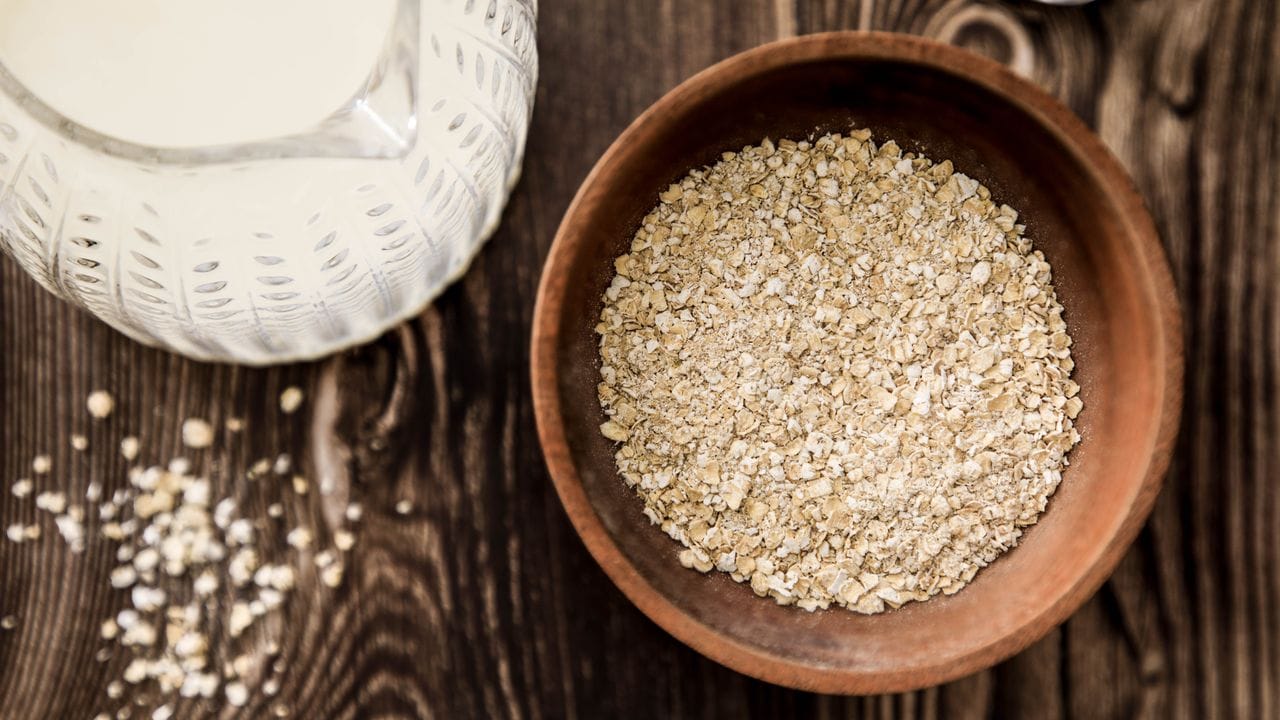
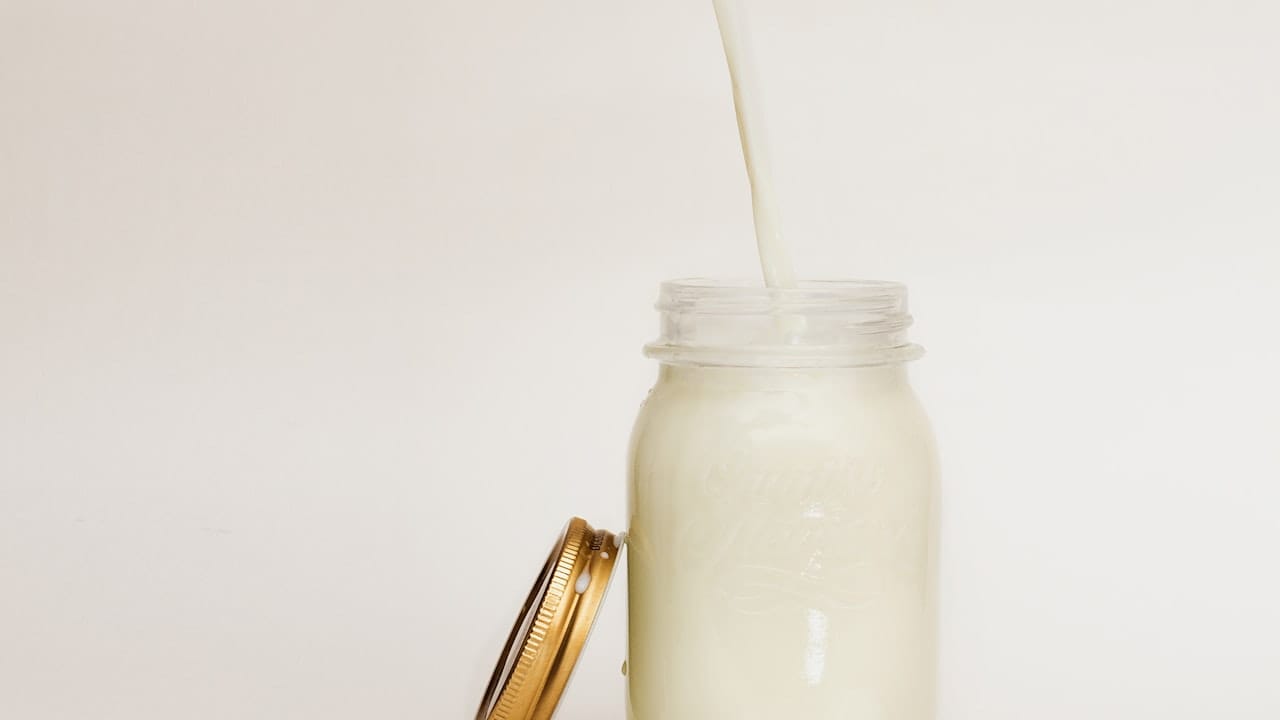 Photo: Victoria Bowers / Pexels
Oat milk earned its hype. It is naturally a little sweet, has a creamy body that comes from oat starch, and the barista editions steam into genuinely good latte foam. Brands like Oatly Barista, Minor Figures, and Califia have stabilizers and a touch more oil that hold up against hot espresso without splitting.
Taste is mild and grain-sweet, a bit like the milk left in the bowl after cereal. Protein is low, around 2 to 3 grams per cup, so it is not a protein play. Fat varies a lot between the lean original versions and the richer barista ones.
Best uses: coffee, tea, smoothies, baking, and pouring over granola. It is my default for almost everything except savory cooking, where its sweetness can creep in.
I have made bechamel with it and it worked, but I had to lean harder on salt and nutmeg to balance the faint sweetness. If you want to make your own, I wrote a full method over on the oat milk guide, though I will be honest, the homemade version splits in coffee because it lacks the stabilizers.
Soy milk: the protein workhorse
Soy is the original plant milk and still the most useful for cooking. It carries 7 to 8 grams of protein per cup, the same as dairy, and that protein does real work. It froths well, it sets when you make a custard, and it can be curdled on purpose to make a vegan ricotta or buttermilk.
Taste is beany in cheap brands and clean in good ones. I keep an unsweetened plain soy milk specifically for savory cooking, because it has no added sugar to throw off a sauce. The catch: soy can curdle in very acidic light-roast coffee.
Warming it first helps, and choosing a less acidic roast helps more.
Best uses: savory sauces, protein smoothies, baking, frothing, and any recipe asking for a milk that behaves like dairy. When I make vegan buttermilk by stirring a tablespoon of lemon juice into a cup of soy milk, it thickens and curdles exactly the way dairy buttermilk does, which is the whole point.
Soy is also the base I trust for a stable vegan ricotta.
A practical tip on brands: the soy milks marketed for drinking are often sweetened and vanilla-flavored, which ruins a savory dish. Buy a carton that lists only soybeans, water, and maybe a stabilizer.
I keep that plain version separate from the breakfast soy milk so I never accidentally pour vanilla into a gravy. It has happened. The gravy did not survive.
Almond milk: light, nutty, and easily broken
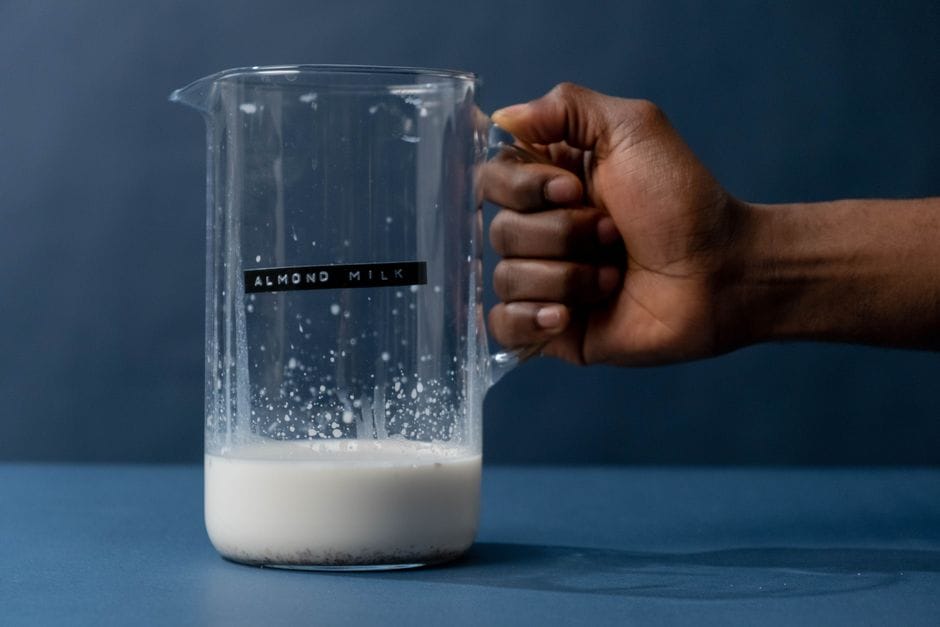
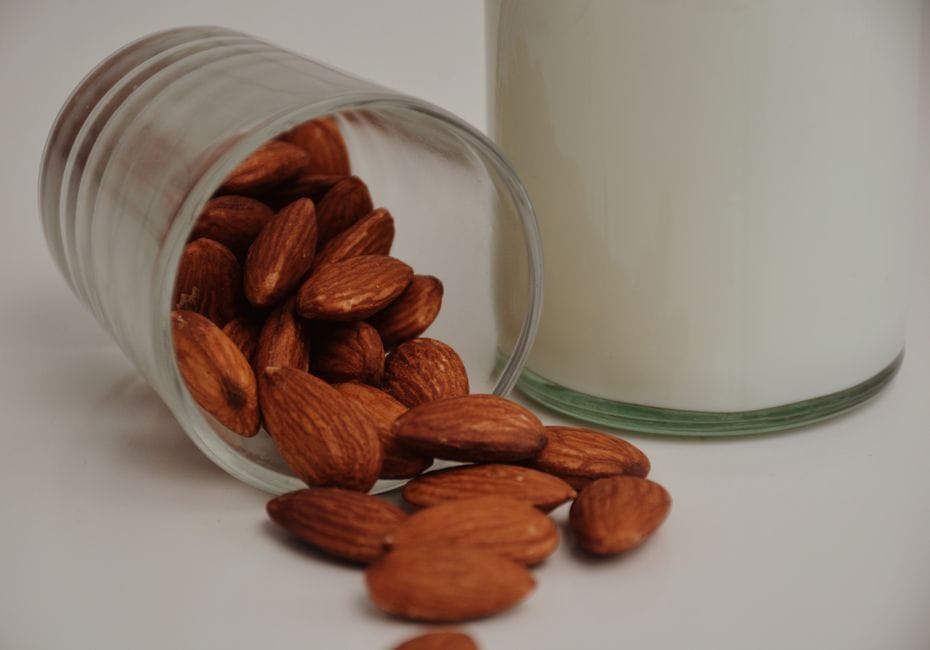 Photo: Pegah Sharifi / Pexels
Almond milk is thin, faintly nutty, and refreshing. It is the one I pour over cereal and into morning smoothies because it is light and low in calories. But it is the least useful for hot cooking.
Protein is low, usually 1 gram per cup, sometimes less. There is not enough protein or fat to give body to a sauce, and that same low protein means it curdles readily in coffee and in any acidic dish.
I learned this the embarrassing way with that potato soup. It looked curdled within a minute of hitting the warm pot.
Best uses: cereal, cold smoothies, overnight oats, and baking where you do not need richness. There is a trick if you want to use it warm: stabilize it first.
A teaspoon of cornstarch slurried into the cold milk before you heat it gives the proteins something to hold onto and dramatically cuts the curdling. It is the same logic behind every barista blend, just done by hand.
But for everyday use, keep almond milk where it belongs, in cold bowls and glasses, and reach for cashew or soy when heat and acid are involved.
Cashew milk: the creamy savory secret
Cashew milk is my quiet favorite for cooking. Blended cashews are naturally rich and have almost no fiber to strain out, so cashew milk is thick and silky without the graininess of almond. It does not curdle the way thinner milks do, which makes it brilliant in savory work.
Taste is mild, buttery, and barely nutty. Protein sits around 3 to 4 grams per cup, modest but better than almond. The store cartons are usually quite thin, so for cooking I make my own thicker version by blending soaked cashews with water and not straining at all.
Best uses: creamy soups, pasta sauces, and anywhere you want richness without coconut flavor. If you want the richest possible result, skip the milk and make a proper cashew cream, which is just cashews and less water. The full carton guide lives on the cashew milk page.
This is also the base I reach for when building a vegan queso.
Coconut milk: rich, tropical, and split between two products
Coconut is two different things and people mix them up constantly. The carton coconut milk in the refrigerated aisle is a thin drinking milk. The canned coconut milk is thick, fatty, and meant for cooking.
They are not interchangeable.
The canned full-fat version is the richest plant milk you can buy, and its high fat makes it the go-to for curries, creamy desserts, and anything that needs body. It does carry coconut flavor, which is wonderful in a Thai curry and wrong in a cup of tea. Protein is low in both forms.
Best uses: curries, rice puddings, whipped toppings from the chilled can, and dairy-free ice cream. The fat is also what lets it whip, which is why coconut cream is the base of most vegan whipped cream.
To whip it, chill the can overnight, scoop only the solid cream off the top, and leave the watery liquid behind. If you forget to chill it, nothing whips and you end up with sweet soup, which I can confirm from experience. Just respect the flavor.
It announces itself, so use it where coconut belongs and not in your morning latte.
Pea milk: the high-protein newcomer
Pea milk, the kind Ripple makes, is built from yellow split pea protein. It is the surprise of the group. It carries 7 to 8 grams of protein per cup, matching soy, but with no soy and no nuts, which makes it the allergy-friendly protein choice.
Taste is creamy and neutral, more so than I expected. There is no pea flavor if the brand is decent. It froths reasonably and works in baking.
The texture is rich because most pea milks add a little oil for body.
Best uses: protein smoothies, coffee, cereal, and baking for anyone avoiding soy and tree nuts. I keep a carton for guests with nut allergies because it does almost everything soy does without the allergen.
If you are tracking protein on a plant-based diet, pea and soy are the two milks worth prioritizing, and our protein guidance from The Vegan Society is a solid reference for daily targets.
Rice and hemp milk: the niche players
Rice milk is the thinnest and sweetest of all of them, and it is naturally sweet without any added sugar because of the rice starch. It is the most allergen-friendly choice for people avoiding soy, nuts, and gluten.
But it is watery, low in protein at around 1 gram per cup, and it curdles easily. I use it occasionally in light baking and for people with multiple allergies, but it is no one's first pick for cooking.
Hemp milk is the opposite kind of niche. It has a distinctly earthy, slightly grassy taste that not everyone loves, and it carries a decent 3 to 4 grams of protein plus omega-3 fats. It is thin but does not curdle as easily as almond.
I find it too assertive for coffee but good in smoothies where other flavors hide it. If hemp tastes too strong to you, you are not imagining it. It is the boldest-flavored milk here.
Best uses for rice: allergy-safe baking and light drinks. Best uses for hemp: smoothies and people who want the omega-3s and do not mind the grassy note.
Which curdle, which froth, and sustainability at a glance
Here is the cheat sheet I wish someone had handed me years ago. For frothing, oat barista blends and soy lead, with pea a solid third. For resisting curdle in coffee, oat barista wins, soy is good except with very acidic roasts, and almond and rice are the worst offenders.
For richness in savory cooking, canned coconut and homemade cashew are the heavyweights, with soy as the dependable middle. For protein, soy and pea stand alone at 7 to 8 grams; everything else is a rounding error by comparison.
On sustainability, all plant milks beat dairy by a wide margin on emissions, land, and water. Among them, oat, soy, and pea use the least water.
Almond is the outlier, demanding a lot of water in already-dry growing regions, and rice produces more methane than the others. None of this should stop you drinking almond milk, but if water footprint guides your choices, the oat-soy-pea trio is the gentlest.
If you are trying to swap dairy out of a recipe you already love, the milk is only half the battle. My full walkthrough on how to veganize any recipe covers the butter, cream, and egg swaps that go alongside, and the substitutes hub has the rest.
So stop hunting for one perfect carton. Keep an unsweetened soy or cashew for savory cooking, a barista oat for coffee, and a light almond or rice for cereal, and you will never break another soup. The best plant milk is simply the one that fits the job in front of you, and now you know which is which.
Frequently asked questions
What is the best plant milk for coffee?+
Barista-edition oat milk wins for most people because the added stabilizers and slightly higher fat content let it steam into stable microfoam and resist curdling against hot espresso. Soy milk froths beautifully too and adds protein, but it splits more easily with very acidic light roasts. If you hate the idea of additives, soy is the most reliable single-ingredient choice.
Which plant milk has the most protein?+
Soy and pea milk are the clear winners, with roughly 7 to 8 grams of protein per cup, which is about the same as dairy milk. Almond, oat, rice, cashew, and coconut milk are all low in protein, usually 1 to 3 grams per cup at most. If you are using plant milk as a meaningful protein source, reach for soy or pea.
Why does my plant milk curdle in coffee or soup?+
Curdling happens when the proteins in the milk meet acidity and heat at the same time. Coffee is acidic, and so are tomatoes and citrus. Almond and rice milks curdle most readily, soy curdles with very acidic coffee, and oat barista blends resist it best. Warming the milk gently before adding it, and not boiling it, helps a lot.
Is oat milk or almond milk better for the environment?+
Both are far lighter on the planet than dairy, but almond farming uses a striking amount of water, much of it in drought-prone regions. Oat milk uses less water and less land overall. If water footprint is your main concern, oat, soy, and pea milk are gentler choices than almond.
Written by
VeganDigest Editorial is the small independent team that researches and fact-checks this site. We are not doctors or dietitians. For every is-it-vegan verdict we read the product's current ingredient list and manufacturer information, and for anything health-related we report guidance from recognized bodies such as the NHS, the Vegan Society, and the Academy of Nutrition and Dietetics rather than offering medical advice. Every page shows the date it was last verified, and our full process is on the How We Verify page.
Comments