Eating Vegan on GLP-1 Meds: The High-Protein, High-Fiber Playbook
In this guide6
Here is the thing nobody warns you about when you start a GLP-1 med like Ozempic, Wegovy, or Zepbound: your appetite does not just shrink, it can vanish. Two bites in and you are done. That is great for a calorie deficit and genuinely hard for eating well, especially plant-based, where protein already takes a little planning.
"With good planning and an understanding of what makes up a healthy, balanced vegan diet, you can get all the nutrients your body needs."
Source: NHS
I have watched friends go vegan and start one of these in the same season and run straight into the same wall: losing weight, sure, but also losing energy, hair, and muscle, because the food got smaller and nobody made the smaller food count. Let me save you that detour.
Why GLP-1 changes the plant-based game
GLP-1 medications slow down how fast your stomach empties. You feel full sooner and longer. So the old advice to "just eat more beans" collapses, because you physically cannot eat the volume that plant protein usually comes in.
The whole game becomes protein density. Every small meal has to carry more than it used to. That is the mindset shift.
You are not eating less food that happens to be vegan. You are eating concentrated, protein-forward food in small, deliberate portions.
Protein first, every single meal
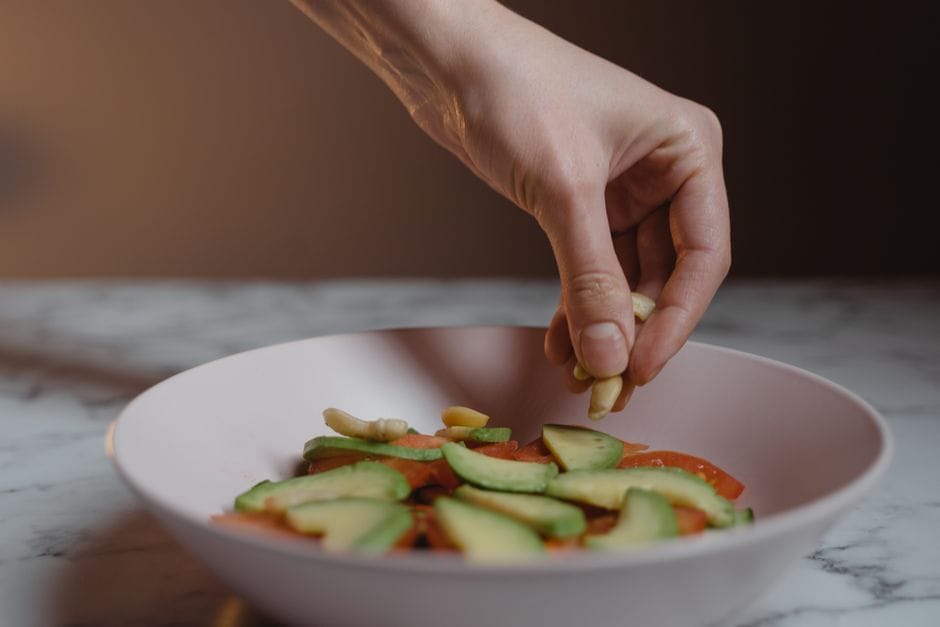
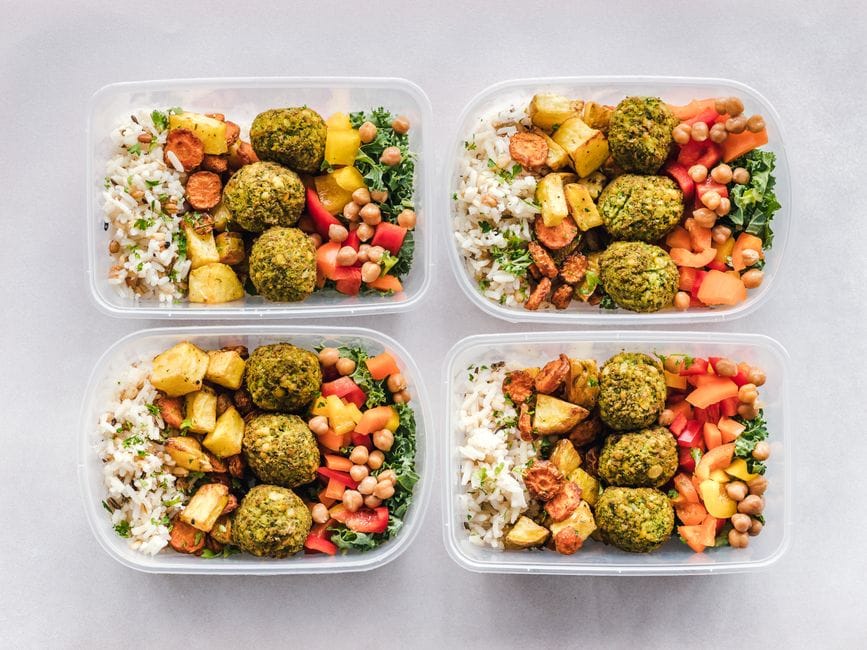 Photo: Ella Olsson / Pexels
Make protein the first thing on the plate and the first thing you eat. When you are full after a few bites, you want those bites to be the tofu, not the rice.
The plant-based heavy hitters, roughly per cooked serving:
- Tofu, firm: about 17 to 20 g of protein per cup
- Tempeh: about 30 g per cup, the densest of the bunch
- Seitan: about 21 g per 3 ounces
- Edamame: about 18 g per cup
- Lentils: about 18 g per cup
- A scoop of plant protein powder: 20 to 25 g, your safety net on no-appetite days
Most dietitians working with GLP-1 patients aim for somewhere around 1.2 to 1.6 g of protein per kg of body weight to protect muscle during weight loss. That is a lot when you are barely hungry, which is exactly why a protein shake stops being a gym cliche and becomes a practical tool.
Fiber is your friend, and your enemy if you rush it
Plant-based eating is naturally high in fiber, which is wonderful for fullness and your gut. But GLP-1 meds already slow digestion, and piling on fiber too fast is a fast track to nausea, bloating, and constipation.
Some of the discomfort people blame on the medication is really a fiber-and-water mismatch you can fix by ramping fiber up slowly and drinking more. Some of it, though, is the drug itself, so if the side effects stay rough, that is a conversation for your doctor, not something to tough out or quit over on your own.
Ramp fiber gradually. Drink more water than feels necessary, between meals rather than during, so you do not fill your small stomach with liquid. Cooked vegetables are gentler than raw when things feel sensitive.
What a day actually looks like
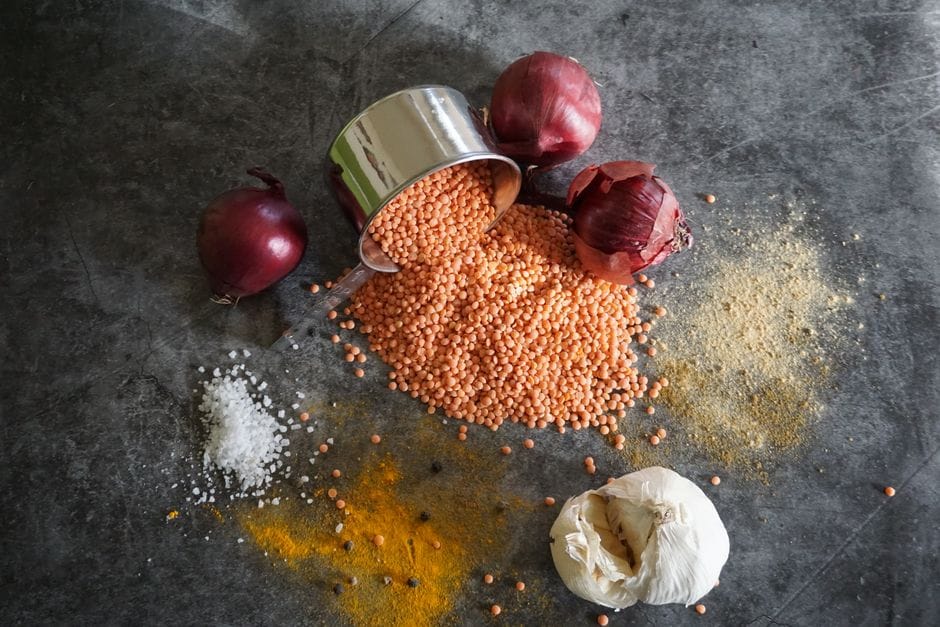
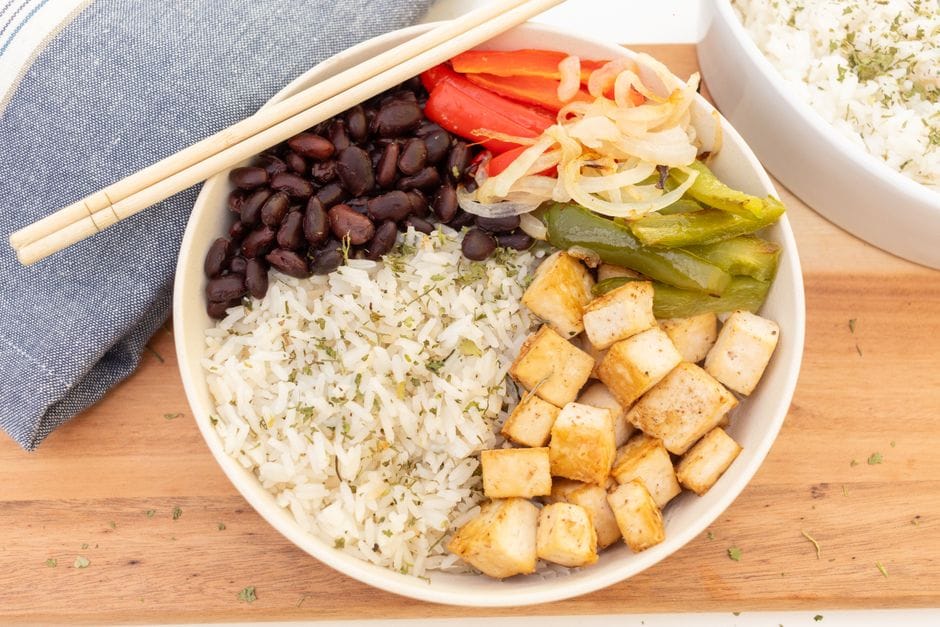 Photo: Laura oliveira / Pexels
You do not need six meals. You need three or four small ones that pull their weight:
- Morning: a high-protein smoothie (plant protein, soy milk, frozen berries, ground flax) or a tofu scramble. Liquid protein goes down easy when food does not.
- Midday: a small grain bowl built protein-first: baked tofu or tempeh, a scoop of lentils, greens, a tahini drizzle.
- Evening: the smallest plate of the day for most people. Keep it simple and warm. A few bites of a chickpea curry over a little rice.
- Anytime: edamame, roasted chickpeas, or a square of high-protein tofu as the snack that defends your target.
Season it like you mean it. When you can only eat a little, flavor is what makes those bites worth taking, which, not for nothing, is the whole reason I make my own vegan parmesan and keep a jar in the fridge.
The micronutrients worth a look
Smaller portions mean fewer chances to hit your vitamins. On a plant-based plan you are already watching B12, and on a GLP-1 med with low intake it matters more, along with iodine, iron, calcium, omega-3s, and vitamin D.
Iodine is the one people forget, and a vegan diet is short on it to begin with, so check that your multivitamin actually contains it, because plenty do not. A basic vegan multivitamin plus B12 is cheap insurance. Get bloodwork rather than guessing.
When to call in a pro
This is the honest part. Combining a new medication, rapid weight loss, and a plant-based diet is a lot of moving parts, and your numbers are not mine. Nothing here is medical advice.
If you are on a GLP-1 med, loop in your doctor and ideally a registered dietitian who can set your protein target and watch your labs. The food strategy above is the easy 80 percent. A pro handles your specific 20.
Eat protein first, build fiber slowly, drink between meals, and make every small bite earn its place. Do that and plant-based plus GLP-1 is not a contradiction. It is one of the better setups going.
Frequently asked questions
Can you get enough protein on a vegan GLP-1 diet?+
Yes, but it takes intent. When appetite drops, you have to make protein the anchor of every meal: tofu, tempeh, seitan, edamame, lentils, and a scoop of plant protein powder when a meal runs small. The goal most dietitians point to is roughly 1.2 to 1.6 g of protein per kg of body weight to protect muscle while you lose fat. Talk to your own dietitian for your number.
Why do I feel so full so fast on these meds?+
GLP-1 medications slow how quickly your stomach empties, so a normal-sized plate can feel like too much. That is the point of the drug. The fix is not to force big meals but to make small ones count: protein and fiber first, liquids between meals rather than during.
Are GLP-1 meds vegan?+
The medication itself is a separate question from diet, and formulations change, so check with your pharmacist. This guide is about how to eat plant-based while you are on them, not medical advice about the drug.
Why am I losing muscle, not just fat?+
Rapid weight loss of any kind costs some muscle unless you defend it with enough protein and some resistance training. On a plant-based plan that means hitting your protein target even on low-appetite days, which is exactly why protein powder and tofu earn their place.
Written by
VeganDigest Editorial is the small independent team that researches and fact-checks this site. We are not doctors or dietitians. For every is-it-vegan verdict we read the product's current ingredient list and manufacturer information, and for anything health-related we report guidance from recognized bodies such as the NHS, the Vegan Society, and the Academy of Nutrition and Dietetics rather than offering medical advice. Every page shows the date it was last verified, and our full process is on the How We Verify page.
Comments