How to Cook Jackfruit (Pulled-Pork Style)

 Jump to recipe ↓
 In this guide9
- 01Buy the Right Can (This Is Where Everyone Fails)
- 02Drain, Rinse, and Shred
- 03The Shred-and-Sear Method
- 04Saucing and Seasoning
- 05Finish It on a Sheet Pan (Optional, Worth It)
- 06Sandwiches, Tacos, and Where It Shines
- 07What Jackfruit Replaces, and What It Does Not
- 08Storage and Make-Ahead Notes
- 09The Takeaway
The first can of jackfruit I ever cooked went straight in the bin. I had read that jackfruit makes incredible pulled pork, so I grabbed a tin off the shelf, dumped it in a pan with barbecue sauce, and ended up with a sweet, slimy yellow mess that tasted like fruit cocktail someone had ruined with smoke.
I was furious at the internet. It turned out the internet was right and I was wrong, because I had bought the wrong can. I had grabbed ripe jackfruit in syrup, the dessert kind, instead of young green jackfruit in brine, the savory kind.
That one swap is the difference between a sandwich people fight over and a bowl of sweet pulp you apologize for.
Once I figured that out, jackfruit became one of my favorite things to keep in the pantry. It shreds into convincing ragged strands, it drinks up smoky sauce, and it cooks in about fifteen minutes.
It is not a protein, and I will be honest about that further down, but as a texture trick for sandwiches and tacos it genuinely delivers. Here is everything I learned the slow way, so you can skip the bin step.
Buy the Right Can (This Is Where Everyone Fails)
Before you touch a pan, get the right product, because no technique can rescue the wrong can. You are looking for young green jackfruit packed in water or brine. The label usually says exactly that: young green jackfruit, or jackfruit in brine, or jackfruit in water.
Flip the can over and the ingredient list should read jackfruit, water, salt, and maybe citric acid. That is it. The chunks inside are pale, firm, and a little stringy, like an artichoke heart or a piece of unripe mango.
What you are avoiding is ripe jackfruit in syrup. That is the sweet, golden, fragrant fruit sold for desserts and smoothies, and it will list sugar or syrup right on the can. If you simmer that in barbecue sauce you get the slimy mess I made.
The two products live on the same shelf and the cans look almost identical, so read every word before it goes in your cart. If a can in front of you is unlabeled or you are not sure the brine has anything sneaky in it, this is exactly the kind of thing I run through the vegan ingredient checker rather than guessing.
The brands I reach for are Native Forest from Edward and Sons, the green jackfruit Trader Joe's carries, and Upton's Naturals, which sells a pre-shredded jackfruit that saves you a step. The Jackfruit Company makes seasoned pouches too, though I prefer plain cans so I control the flavor.
Whichever you buy, you want savory, not sweet. Tattoo that on your hand.
Drain, Rinse, and Shred
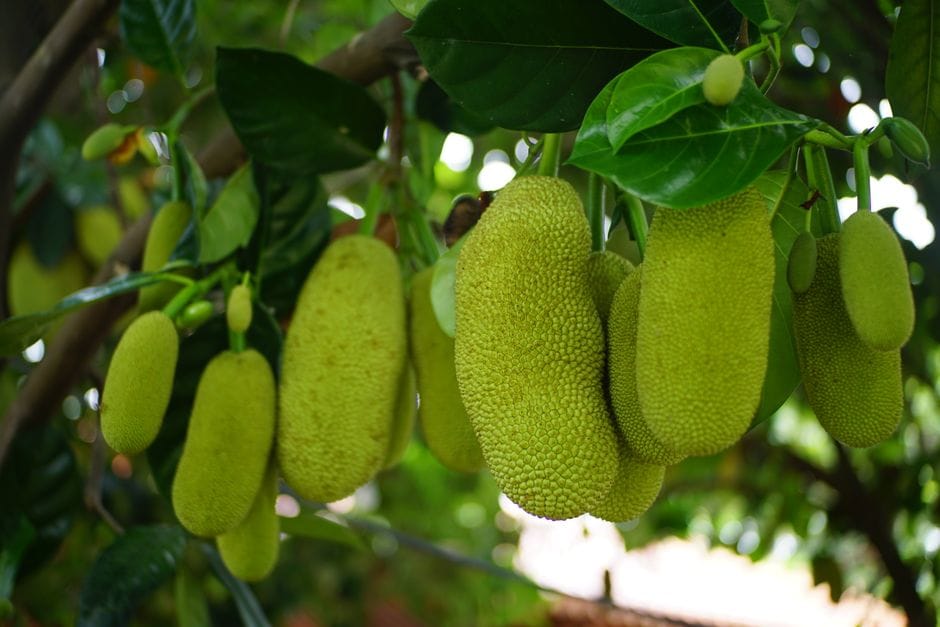 Photo: Agung Sutrisno / Pexels
Open the can and pour the whole thing into a colander. Drain off the brine, then give the jackfruit a real rinse under cold water for a good thirty seconds.
Brine is salty, and if you skip the rinse your finished dish can come out aggressively salty once you add barbecue sauce on top. I learned that the hard way too, with a batch so salty it made my mouth pucker.
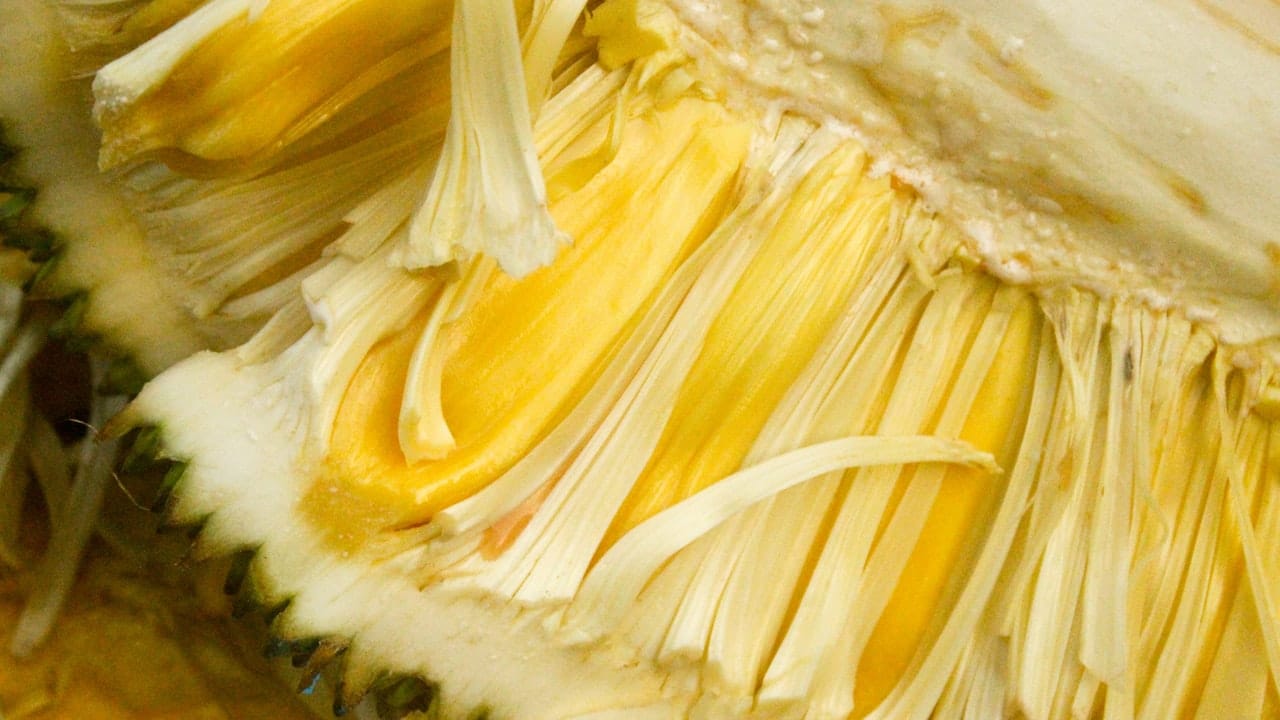
Now look at the chunks. Each piece of young jackfruit has three parts: soft outer strands that shred easily, a firm pointed core in the center, and small seed pods. You want all of it, but the core needs help.
Pinch each chunk and pull it apart with your fingers or two forks. The stringy outer flesh falls into shreds that look uncannily like pulled meat.
The dense triangular core stays in a wedge, so chop those cores into small pieces or run a knife through them so they are not chewy lumps in the final dish. The seed pods are fine to leave whole or break up.
By the end you want a loose, fluffy pile of shreds with no big firm chunks hiding in it.
Here is the step almost every recipe glosses over: squeeze the shreds dry. Grab handfuls and press the water out over the sink, or roll the pile in a clean kitchen towel and wring it.
Jackfruit holds a shocking amount of water, and that water is the enemy of good texture. Dry shreds brown. Wet shreds steam.
This squeeze is half the battle.
The Shred-and-Sear Method
This is the part that turns sad canned fruit into something worth eating, and it is the step I see skipped constantly. Do not put the sauce in early. Sear first.
Heat a wide skillet, ideally cast iron, over medium-high with a tablespoon of neutral oil like avocado or refined coconut. When it shimmers, spread the dry shredded jackfruit in as thin a layer as the pan allows. Then leave it alone.
Let it sit for two or three minutes so the underside browns before you stir. You are trying to drive off the last of the moisture and build some color and crisp edges, the same way you would sear shredded mushrooms or a good piece of tofu.
If you have read how I push water out of tofu before browning in my guide to cooking tofu, this is the identical idea: dry surface, hot pan, patience.
Toss, spread it thin again, and keep going for another five to eight minutes. The shreds will shrink slightly, take on golden and brown patches, and start to smell toasty instead of canned.
Some pieces will crisp at the edges, and those crispy bits are the best part, so chase them. This whole searing stage takes about ten minutes and it is non-negotiable. Sauce added to wet, pale jackfruit will only ever steam it into mush.
Sauce added to dry, browned jackfruit clings and caramelizes.
Saucing and Seasoning
 Photo: Becca Tapert / Unsplash
With the jackfruit seared, you can build flavor. Push the shreds to one side, add a little more oil, and bloom your aromatics: a couple of cloves of minced garlic, a splash of smoked paprika, a little onion powder, and a pinch of cumin.
Stir for thirty seconds until fragrant, then mix everything together so the jackfruit gets coated in the spice.
Now the barbecue sauce. Add about half a cup to a can of jackfruit, stir to coat, and let it simmer for three to five minutes so it thickens and grips.
I like a smoky, slightly tangy sauce here, and I keep maple syrup or a spoon of tomato paste nearby to balance it if my sauce leans too sharp. A splash of water or vegetable stock loosens things if it gets too sticky.
If you want a campfire depth, a few drops of liquid smoke does wonders, the same trick I lean on for vegan bacon.
One real warning: not every barbecue sauce is vegan. Plenty hide honey, and some carry Worcestershire made with anchovy.
I always check a new bottle against our Is It Vegan database before I trust it, because finding out after you have built the whole sandwich is a bad day. Taste as you go, and pull the pan when the jackfruit is glossy and the sauce has reduced to a sticky glaze rather than a soup.
Finish It on a Sheet Pan (Optional, Worth It)
If you have ten extra minutes, this step takes jackfruit from good to genuinely convincing. Spread the saucy shreds on a parchment-lined sheet pan and slide it under a hot broiler or into a 425F (220C) oven for eight to twelve minutes.
The edges char and crisp, the sauce caramelizes into something almost lacquered, and the whole thing dries out just enough to lose any lingering canned softness.
This is the closest jackfruit ever gets to the bark on real smoked pork. I do it almost every time now, especially for sandwiches, because that bit of char is what fools people.
Keep an eye on it past the eight-minute mark, since sugary barbecue sauce goes from caramelized to burnt fast. Stir once halfway if you want even color. The shreds come out chewy-crisp at the edges and tender in the middle, which is exactly the contrast you are after.
Sandwiches, Tacos, and Where It Shines
Now the fun part. Piled on a soft toasted bun with a scoop of crunchy slaw and a few pickles, BBQ jackfruit makes a sandwich I will happily serve to anyone, vegan or not.
The slaw matters more than you would think, because the cool crunch plays against the soft saucy shreds and keeps it from feeling one-note. A swipe of vegan mayo in the slaw or on the bun pulls it all together.
Tacos are where jackfruit might shine even brighter. The ragged shreds tuck into warm corn tortillas perfectly, and they love bright, acidic toppings: diced onion, cilantro, a squeeze of lime, maybe a drizzle of something creamy.
I keep the sauce a touch lighter for tacos so it does not overwhelm the toppings. Beyond those two, this jackfruit is great over rice bowls, stuffed into baked sweet potatoes, loaded onto nachos, or piled on a pizza.
Anywhere you would have wanted shredded saucy meat, the texture does the job.
What Jackfruit Replaces, and What It Does Not
Here is the honest talk I wish someone had given me at the start. Jackfruit is a brilliant texture substitute and a poor protein substitute, and you need to know which job you are hiring it for.
What it replaces beautifully is the shred. The pull-apart, stringy, saucy mouthfeel of pulled pork or shredded chicken is dead-on, especially after a good sear and a turn under the broiler. As a vehicle for smoky barbecue flavor in a sandwich or taco, it is fantastic and almost no one guesses it is fruit.
What it does not replace is the protein. A serving of jackfruit has only about 2 to 3 grams of protein and is mostly fiber and carbohydrate, which the Wikipedia entry on jackfruit lays out clearly.
Real pulled pork brings something like 20 grams to the plate, so swapping in jackfruit one-for-one leaves a hungry gap. I treat jackfruit as the flavor and texture star, then build the protein elsewhere in the meal: a side of beans, a scoop of tofu in the bowl, or a few pieces of homemade seitan for a heartier, meatier bite.
Lean on jackfruit for the experience and on something else for the staying power, and you get the best of both.
Storage and Make-Ahead Notes
BBQ jackfruit keeps well, which makes it a great batch-cook. Cooled and sealed in the fridge it holds for four to five days, and honestly it tastes even better on day two once the spices settle in.
Reheat it in a hot dry skillet rather than the microwave, because the pan re-crisps the edges while the microwave just turns it soft. It also freezes nicely for up to three months, so I often cook two cans at once and stash half.
If you are meal-prepping, I would sear and sauce the jackfruit fully but skip the sheet-pan char until the day you serve it, since that crisp finish is best fresh. Reheat gently, give it a quick blast under the broiler, and it tastes freshly made.
The Takeaway
Cooking jackfruit comes down to four moves done in the right order. Buy the young green jackfruit in brine, never the sweet fruit in syrup. Drain it, rinse it, shred it, and squeeze it bone dry.
Sear those dry shreds hard before any sauce touches the pan. Then sauce, simmer, and char it under the broiler for that last bit of bark. Do those things and you get ragged, smoky, sticky shreds that genuinely scratch the pulled-pork itch in a sandwich or taco.
Just remember it is a texture, not a protein, so round out the plate with something that fills you up. Get the right can and the rest is easy.
The recipe
BBQ Pulled Jackfruit
Prep
10 min
Cook
25 min
Makes
4 servings
Ingredients
- 1 can (about 20 oz) young green jackfruit in brine or water (not syrup)
- 1 tablespoon neutral oil (avocado oil or refined coconut oil), plus a little more for aromatics
- 2 cloves garlic, minced
- 1 teaspoon smoked paprika
- 1/2 teaspoon onion powder
- 1/4 teaspoon ground cumin
- 1/2 cup vegan BBQ sauce
- A few drops of liquid smoke (optional)
- 1 teaspoon maple syrup or tomato paste (optional, to balance sauce)
- Splash of water or vegetable stock if needed to loosen
Instructions
- 1 Open the can and pour the jackfruit into a colander. Drain and rinse under cold water for 30 seconds to remove the brine.
- 2 Pull each chunk apart with your fingers or two forks. The outer strands shred easily. Chop the dense triangular cores into small pieces so there are no chewy lumps. Leave seed pods whole or break them up.
- 3 Grab handfuls of the shredded jackfruit and squeeze out as much water as possible over the sink, or roll them in a clean kitchen towel and wring dry. Dry shreds brown; wet shreds steam.
- 4 Heat a wide skillet (cast iron works best) over medium-high heat. Add 1 tablespoon of oil. When the oil shimmers, spread the dry jackfruit in as thin a layer as possible.
- 5 Let the jackfruit sit undisturbed for 2 to 3 minutes so the underside browns. Toss, spread thin again, and continue searing for another 5 to 8 minutes, until the shreds are golden and brown at the edges and smell toasty rather than canned. This takes about 10 minutes total.
- 6 Push the seared jackfruit to one side of the pan. Add a little more oil to the empty side and add the minced garlic, smoked paprika, onion powder, and cumin. Stir for 30 seconds until fragrant.
- 7 Mix the spiced aromatics into the jackfruit so everything is coated.
- 8 Add the BBQ sauce, stir to coat, and simmer for 3 to 5 minutes until the sauce thickens and clings. Add a splash of water or vegetable stock if it gets too sticky. Add liquid smoke or maple syrup to taste.
- 9 Optional but recommended: spread the saucy jackfruit on a parchment-lined sheet pan and roast in a 425 F (220 C) oven or under a hot broiler for 8 to 12 minutes, stirring once halfway, until the edges char and crisp and the sauce caramelizes.
- 10 Serve piled on toasted buns with slaw and pickles, in warm corn tortillas with diced onion, cilantro, and lime, or over rice bowls and baked sweet potatoes.
Notes
- ·Use only young green jackfruit packed in water or brine. Ripe jackfruit in syrup is the dessert variety and will turn sweet and mushy in BBQ sauce.
- ·Squeezing the jackfruit dry before searing is the single most important step. Wet shreds steam instead of browning.
- ·Not every BBQ sauce is vegan. Check the label for honey or anchovy-based Worcestershire.
- ·Jackfruit provides about 2 to 3 grams of protein per serving. For a filling meal, pair with beans, tofu, or seitan.
- ·Leftovers keep in the fridge for 4 to 5 days and freeze for up to 3 months. Reheat in a hot dry skillet to re-crisp the edges. For meal prep, skip the broil step until the day of serving.
Frequently asked questions
What kind of canned jackfruit do I buy for pulled pork?+
You want young green jackfruit packed in water or brine, never the ripe fruit in syrup. The label is the giveaway. Brine cans list jackfruit, water, and salt and the chunks inside are pale and firm. Syrup cans are the sweet yellow fruit meant for dessert, and they will turn to sugary mush in barbecue sauce. Native Forest, Trader Joe's, and Upton's Naturals all sell the savory water-packed kind.
Do I have to cook canned jackfruit, or is it ready to eat?+
Canned jackfruit is already cooked and technically safe straight from the tin, but it tastes flat and watery on its own. The whole point of cooking it is to drain off the brine, drive out the moisture in a hot pan, and let it soak up smoke and spice from your sauce. Skipping the sear is the single biggest reason people end up with bland, stringy jackfruit instead of something that reads as pulled pork.
Why did my jackfruit turn out watery and mushy?+
Almost always too much moisture and not enough searing. Brine-packed jackfruit holds a surprising amount of water, so you need to drain it, rinse it, and squeeze the shreds dry before they hit the pan. Then sear them hard in a thin film of oil until the edges brown before you add a single drop of sauce. Saucing wet jackfruit steams it into baby food. Dry first, brown second, sauce last.
Does jackfruit have protein like pulled pork does?+
No, and this is the honest part nobody tells you. A serving of jackfruit has roughly 2 to 3 grams of protein, mostly fiber and carbohydrate, so it is nothing like the protein hit of actual pork. Jackfruit copies the shredded texture, not the nutrition. If you want the meal to keep you full, pair it with a real plant protein like beans, tofu, or seitan on the side or right in the bowl.
Written by
VeganDigest Editorial is the small independent team that researches and fact-checks this site. We are not doctors or dietitians. For every is-it-vegan verdict we read the product's current ingredient list and manufacturer information, and for anything health-related we report guidance from recognized bodies such as the NHS, the Vegan Society, and the Academy of Nutrition and Dietetics rather than offering medical advice. Every page shows the date it was last verified, and our full process is on the How We Verify page.
Comments