How to Air-Fry Tofu (Crispy Without the Oil)

 Jump to recipe ↓
 In this guide8
I bought an air fryer mostly to make better roast potatoes, and for about a month that's all I used it for. Then one night I was out of oil for pan-frying tofu and, half out of laziness, I tossed some pressed cubes into the basket dry with a spoonful of cornstarch.
Eighteen minutes later I pulled out the crispiest tofu I had ever made in my own kitchen, crunchier than the deep-fried cubes at my favorite takeout spot, with almost no fat and zero splattered stovetop to clean. I stood there eating them straight off the tray like popcorn.
That was the night the air fryer stopped being a potato machine.
Air-fried tofu is genuinely one of the best things the appliance does, and it's almost foolproof once you understand the handful of steps that actually matter. The frustrating part is that most recipes skip the why, so when your batch comes out pale and chewy you have no idea what went wrong.
Let me walk you through the whole thing, including the mistakes I made so you can skip them.
Start With the Right Tofu
This matters before you do anything else. You want firm or extra-firm tofu, full stop. Silken and soft tofu are wonderful for other uses, but they have far too much water and far too delicate a structure to ever crisp up.
They'll fall apart in the basket. Reach for the block labeled extra-firm if you can find it.
In the US that usually means brands like House Foods, Nasoya, or Wildwood, and the high-protein "super firm" vacuum-packed blocks (Wildwood and Trader Joe's both sell one) are even better because they come pre-pressed and barely need any draining at all.
Plain tofu is just soybeans, water, and a coagulant, so it's reliably vegan, but if you ever grab a flavored or baked variety and want to double-check the label, our Is It Vegan database and the vegan ingredient checker are there for the paranoid moments. For air-frying, though, plain extra-firm is exactly what you want.
You're going to build the flavor yourself.
Press It Like You Mean It
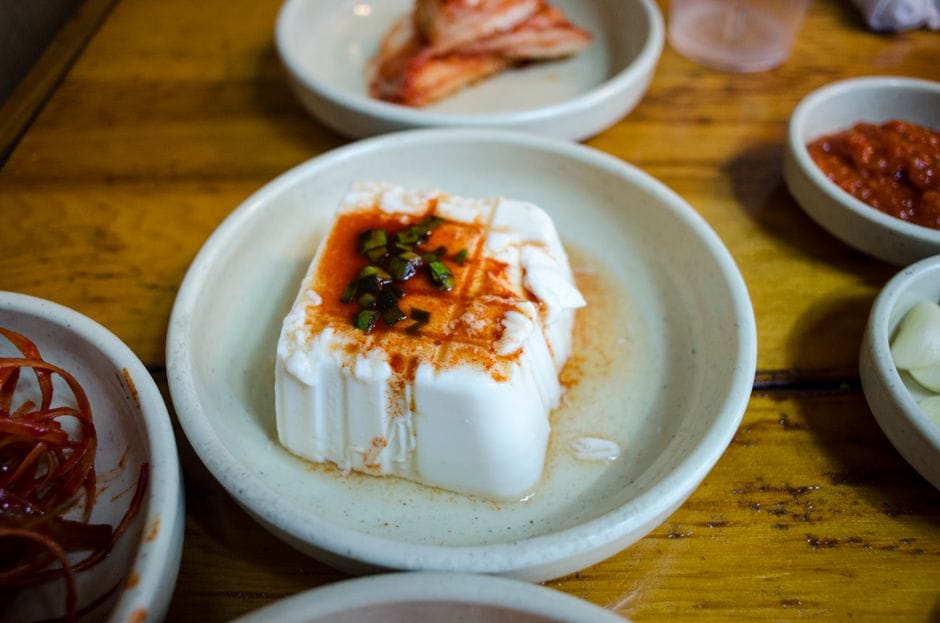
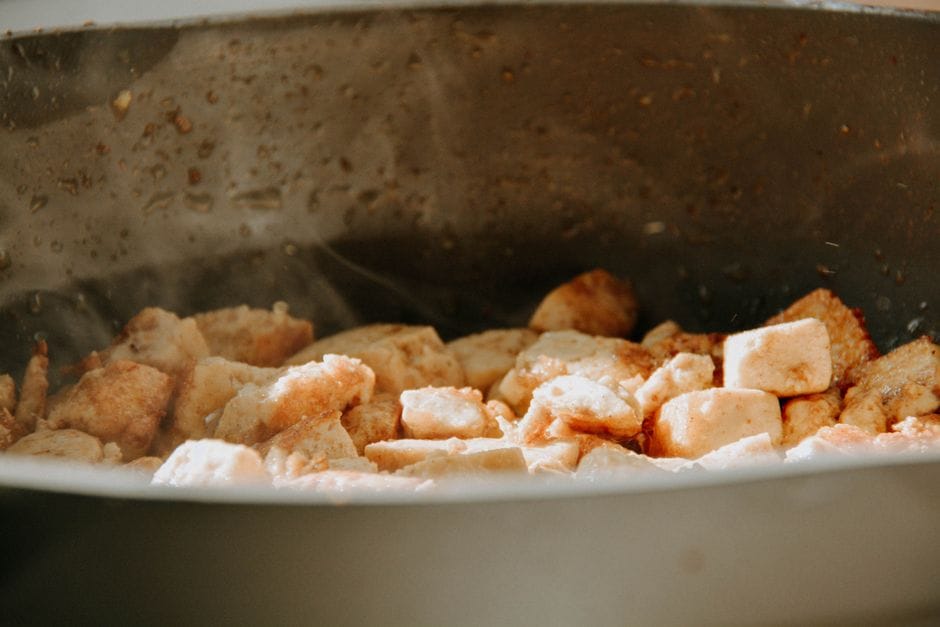 Photo: Alexandra Victoria / Pexels
Here is the step that separates crispy tofu from sad tofu, and the one almost everyone is tempted to skip. Tofu is roughly 70 to 85 percent water, and that water is the enemy of crispiness.
If the surface is wet when it hits the hot air, it steams instead of browning, and you end up with cubes that are dry on the outside but never actually crunchy.
You need to press out as much water as you can. If you have a tofu press, great.
If not, wrap the block in a clean kitchen towel, set it on a plate, and weigh it down with something heavy like a cast iron pan or a few cans. Give it at least 20 to 30 minutes, and longer is better.
I've left tofu pressing for over an hour while I did other things and the payoff was a noticeably crispier batch. I wrote up the full method, including the towel-and-cans trick and why it works, in my guide on how to press tofu if you want the details.
The one shortcut: those vacuum-sealed super-firm blocks I mentioned are already so dense that a quick pat with a towel is enough. For everything else, press, and don't rush it. The first time I made air fryer tofu after a real long press versus a lazy five-minute one, the difference was night and day.
Cube It Evenly
Once pressed, cut the block into cubes. I aim for roughly half-inch to three-quarter-inch pieces. The exact size is less important than consistency: if your cubes are wildly different sizes, the small ones turn to leather while the big ones are still soft in the middle.
Try to keep them uniform so they cook at the same rate.
A whole standard block (around 14 to 16 ounces) usually gives me enough cubes to fill a basket in a single layer with room to spare, which, as you'll see, is exactly what you want. If you've got a bigger appetite, plan to cook in two batches rather than piling them in.
Bigger cubes give you a custardy interior with a crisp shell, which I love; smaller cubes get crispier all the way through and are better for tossing into a stir-fry or a grain bowl.
Why Cornstarch Is the Secret
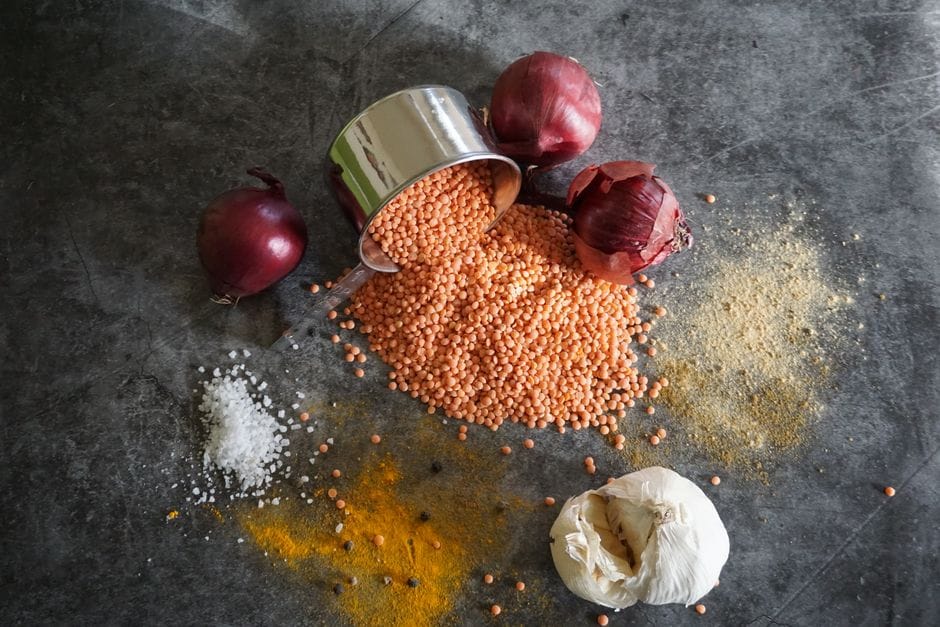
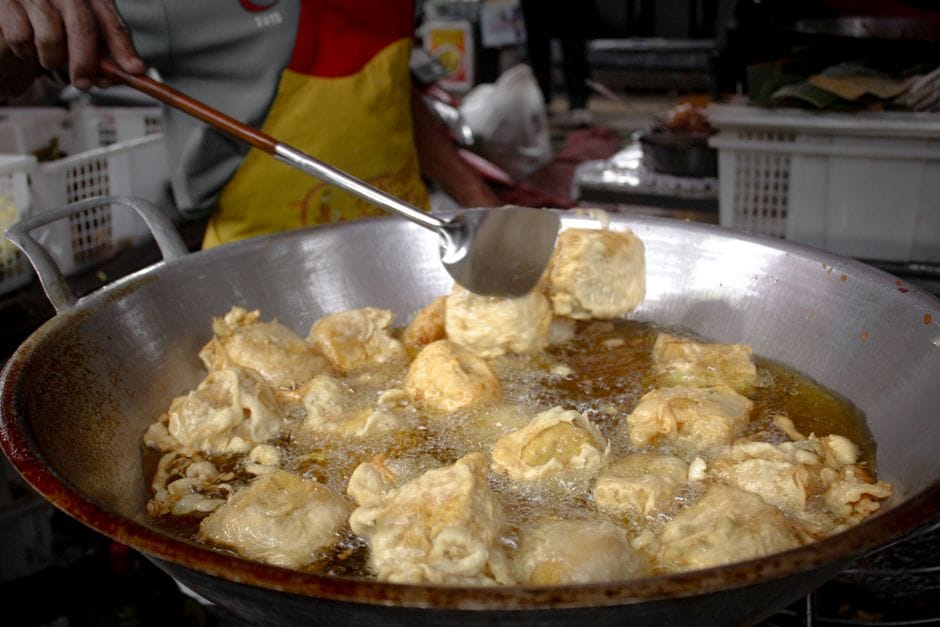 Photo: Henny Wiyanti / Pexels
This is the trick that took my air fryer tofu from "fine" to "better than restaurant." After pressing and cubing, toss the tofu with a thin, even coat of cornstarch. For a standard block I use about one to one and a half tablespoons.
You want every cube lightly dusted, not gummy or clumpy, so add it gradually and toss until the surface looks dry and powdery.
Here's why it works. Cornstarch is almost pure starch, and when those dry starch granules hit dry heat they dehydrate further and form a hard, glassy, blistered shell, the same chemistry that makes the coating on Chinese-takeout tofu so addictively crunchy.
It also pulls any last bit of surface moisture out of the tofu and locks it away, so the cube can't steam itself soft. Arrowroot or potato starch work the same way if that's what you have.
Plain flour does not; it browns and softens rather than crisping, and I've had floured batches come out weirdly bready. Stick with a real starch.
A little optional extra: I sometimes add a spoonful of nutritional yeast and some garlic powder to the cornstarch for a savory, almost cheesy crust. Salt the cornstarch lightly too, because seasoning the coating gives you flavor in every bite that a sauce afterward can't quite replicate.
Air-Fry at 400F, and Shake Halfway
Now the easy part. Preheat your air fryer to 400F (about 205C). Preheating for a few minutes genuinely helps; tofu that goes into a cold basket spends the first stretch just warming up instead of crisping.
Lay the cubes in a single layer with space between them, and air-fry for 15 to 18 minutes.
At the halfway point, around minute 8 or 9, pull the basket out and give it a firm shake to tumble the cubes so a new side faces the heating element. This is not optional. Air fryers blast heat from above, so without a shake the tops get dark while the bottoms stay pale.
One good shake is usually enough, though for a really even batch I'll do two.
Times will vary by machine and cube size, so treat 15 to 18 minutes as a starting range, not gospel. My older basket-style Cosori runs a touch cooler than a newer one a friend has, so I check at minute 13.
You're looking for deep golden-brown edges and, when you tap a cube with a fork, a distinct firm tap rather than a soft give. If it still looks pale, give it another two or three minutes.
Tofu is forgiving here; it's very hard to overdo unless you walk away and forget it.
If you want a fractionally deeper, more even crust, a single light spritz of a neutral oil like avocado or refined coconut before air-frying helps, but I want to be clear that it's optional. The cornstarch does the heavy lifting, and I make fully oil-free batches all the time. The Vegan Society is a good general reference if you're new to building meals around plant proteins like this one and want the bigger nutritional picture.
Sauce It After, Never Before
I learned this one the hard way. The first time I tried to make sticky sesame-ginger tofu, I tossed the raw cubes in the sauce, then air-fried them, expecting a glazed, lacquered finish.
What I got was a basket of pale, soggy tofu welded to a layer of burnt sugar at the bottom. The sauce never let the surface dry out, so it never crisped, and the sugars scorched.
Any wet sauce goes on after the tofu comes out, not before. Get the cubes crisp and golden first, then toss them in your warm sauce for just a minute or two right before serving.
Hot, crispy tofu has a slightly porous, blistered surface that grabs glaze almost instantly, so you don't need long. The crunch holds up beautifully for a few minutes, then gradually softens, which is exactly why you sauce at the very last moment.
If you specifically want flavor inside the tofu rather than just clinging to the outside, that's a different technique involving a thin marinade and a hard press, and I broke down the timing and the formulas that actually work in my guide on how to marinate tofu. For most weeknight air fryer tofu, though, a crisp exterior plus a punchy sauce tossed on at the end is all you need.
The Mistakes That Ruin a Batch
Let me save you the trial and error. Almost every disappointing batch I've made or troubleshooted for friends came down to one of these.
The biggest culprit is crowding the basket. If the cubes are touching or stacked, the surfaces that press together can't get airflow, so they steam each other instead of crisping.
The whole point of an air fryer is rapid hot air circulating around the food, and you cancel that out the moment you pile it in. Cook in a single layer with a little gap between pieces, and do two batches if you have to.
I know it's tempting to cram it all in to save time. Resist. A crowded basket of mediocre tofu is slower than two batches of great tofu, because you'll just end up running the bad batch longer hoping it'll fix itself.
Second is skipping or shortcutting the press. I keep hammering this because it's that important. Wet tofu will not crisp, no matter how high the heat or how long the time.
Third is forgetting to shake, which gives you unevenly cooked cubes that are dark on one face and pale on the others. Fourth is saucing too early, which we just covered. And fifth, a subtle one, is under-seasoning the cornstarch.
Plain crispy tofu is a little bland; salt the coating so the crunch itself tastes like something.
Best Dipping Sauces and Ways to Eat It
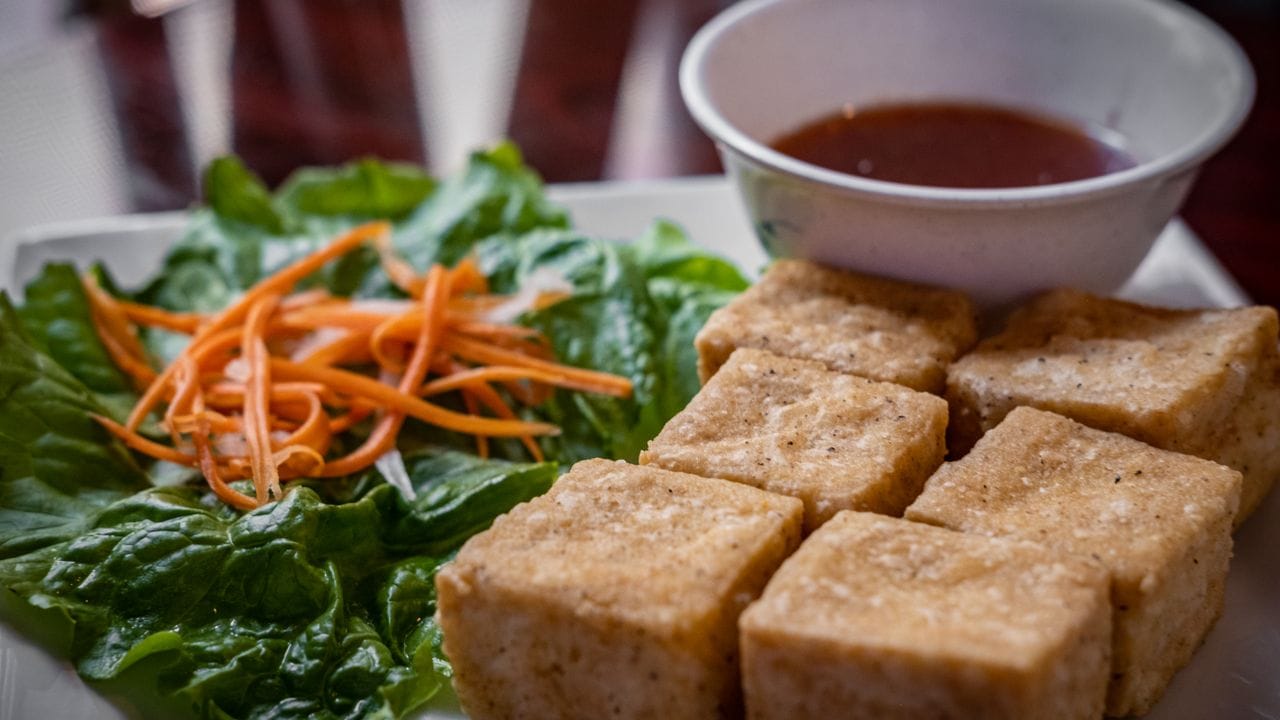
Crispy tofu is a blank, crunchy canvas, so the sauce is where you have fun. My everyday go-to is a quick peanut sauce: peanut butter thinned with a splash of warm water, soy sauce or tamari, lime, a little maple, and chili flakes. It clings to the craggy cornstarch crust perfectly.
For dipping rather than tossing, a creamy vegan ranch is a crowd-pleaser, especially with kids, and a good vegan mayo whisked with sriracha and a squeeze of lime makes a five-minute spicy dip that disappears fast. A sweet chili sauce or a simple soy-sesame dip with grated ginger both work beautifully too.
If you want something cooling and herby, blend cashews into a quick sauce, loosened with lemon and dill, alongside the hot, salty cubes.
As for serving, I pile air fryer tofu over rice with steamed greens, fold it into wraps, scatter it on big salads for crunch and protein, or just eat it out of the basket while I pretend I'm going to save some for later. It's also one of my favorite ways to hit my protein for the day without much effort, since a whole block packs a serious amount and the air fryer makes it taste like a treat rather than a health chore.
Once you've made it a couple of times, the rhythm becomes automatic: press, cube, dust with cornstarch, air-fry at 400F for around 16 minutes with a shake in the middle, sauce at the end. Give the cubes room to breathe and season the coating, and you'll get tofu that's crispier than fried, with almost no oil and nothing to scrub off the stove.
It's the recipe that finally made me a tofu person, and I think it'll do the same for you.
The recipe
Crispy Air Fryer Tofu
Prep
30 min
Cook
18 min
Makes
4 servings
Ingredients
- 1 block (14 to 16 oz) extra-firm tofu
- 1 to 1.5 tablespoons cornstarch
- Salt, to taste
- 1 teaspoon nutritional yeast (optional)
- 1/2 teaspoon garlic powder (optional)
- Light spritz of neutral oil such as avocado or refined coconut (optional)
Instructions
- 1 Press the tofu for at least 20 to 30 minutes. Wrap the block in a clean kitchen towel, set it on a plate, and weigh it down with something heavy like a cast iron pan or a few cans. Longer is better; even over an hour improves results. Super-firm vacuum-packed blocks need only a quick pat with a towel.
- 2 Cut the pressed tofu into uniform cubes, roughly half-inch to three-quarter-inch pieces. Consistent sizing ensures even cooking.
- 3 Preheat the air fryer to 400F (205C) for a few minutes.
- 4 In a bowl, toss the tofu cubes with cornstarch (and nutritional yeast, garlic powder, and salt if using) until every cube is lightly and evenly dusted. Add the cornstarch gradually and toss so the coating looks dry and powdery, not gummy.
- 5 Arrange the cubes in a single layer in the air fryer basket with space between each piece. Do not crowd or stack them.
- 6 Air-fry at 400F for 15 to 18 minutes. At the halfway point (around minute 8 or 9), shake the basket firmly to tumble the cubes so a new side faces the heating element. Check at minute 13 and judge by color and feel: you want deep golden-brown edges and a firm tap when you press a cube with a fork.
- 7 If using a sauce, toss the crispy cubes in warm sauce for one to two minutes immediately before serving. Never sauce before air-frying.
Notes
- ·Press time is the most important step. Wet tofu will not crisp regardless of heat or time.
- ·Cook in a single layer with gaps between cubes. Crowding the basket causes the cubes to steam each other.
- ·Cornstarch, arrowroot, or potato starch all work. Plain flour does not produce a crisp result.
- ·Smaller cubes (under half-inch) get crispier throughout and suit stir-fries or grain bowls. Larger cubes give a custardy interior with a crisp shell.
- ·Add wet sauces only after the tofu is out of the air fryer, not before, to preserve crispiness.
Frequently asked questions
Do you need oil for air fryer tofu?+
No, and that's the whole appeal. A cornstarch coating crisps the surface on its own because the dry starch dehydrates and hardens in the hot air. A light spritz of oil makes the crust a shade deeper and helps the cubes brown more evenly, but I've made plenty of fully oil-free batches that came out shatteringly crisp. The press and the cornstarch matter far more than the oil.
What temperature and time for air fryer tofu?+
400F for 15 to 18 minutes is my default for half-inch cubes, shaking the basket once at the halfway mark. Smaller cubes finish closer to 13 minutes, larger ones can need 20. Every air fryer runs a little differently, so check at minute 13 and judge by color and feel: you want deep gold and an audible crunch when you tap a piece, not just pale and dry.
Why is my air fryer tofu not crispy?+
It's almost always one of three things: you skipped pressing, so the tofu steamed instead of crisping. You crowded the basket, so the cubes touched and trapped moisture. Or you sauced it before air-frying, which soaks the crust right off. Press hard, leave space between cubes, and add any wet sauce only after the tofu comes out.
Should you press tofu before air frying?+
Yes, every time, and it's the single most important step. Tofu is mostly water, and that water has to leave before the surface can crisp. Press a block of firm or extra-firm tofu for at least 20 to 30 minutes, longer if you have the time. Skip it and you'll get pale, chewy, vaguely steamed cubes no matter how long you run the machine.
Written by
VeganDigest Editorial is the small independent team that researches and fact-checks this site. We are not doctors or dietitians. For every is-it-vegan verdict we read the product's current ingredient list and manufacturer information, and for anything health-related we report guidance from recognized bodies such as the NHS, the Vegan Society, and the Academy of Nutrition and Dietetics rather than offering medical advice. Every page shows the date it was last verified, and our full process is on the How We Verify page.
Comments