How to Marinate Tofu So the Flavor Actually Sticks

In this guide9
- 01Why Raw Tofu Fights the Marinade
- 02Press It Hard, Then Press It Harder
- 03Which Tofu to Actually Buy for Marinating
- 04The Two Roads: Marinate Before, or Sauce After
- 05Marinade Formulas That Actually Work
- 06Timing: How Long Is Long Enough
- 07The Mistakes I Made So You Don't Have To
- 08Tamari, Tahini, and Keeping It Vegan
- 09Putting It All Together
For my first two years of cooking tofu, I did the thing every recipe told me to do: I dropped raw cubes into a bowl of soy sauce, let them sit for an hour, and waited for magic. The magic never came.
I'd pull the tofu out, and the inside was exactly as bland as when it went in, just slightly browner on the outermost millimeter. The marinade was still sitting in the bowl, almost full, mocking me. I assumed I was using the wrong sauce.
I was using the wrong method.
Here's the thing nobody tells you up front: tofu doesn't marinate like chicken or even like mushrooms. It resists. And once you understand why it resists, the fix is obvious and the results are genuinely good.
Let me walk you through what actually works.
Why Raw Tofu Fights the Marinade
Tofu is roughly 70 to 85 percent water depending on the variety. That water isn't just sitting on the surface; it's bound up inside the curd, filling all the little spaces that a marinade would love to occupy.
So when you submerge a raw block, the flavor has nowhere to go. It's like trying to pour juice into a glass that's already full of water.
This is the part that took me embarrassingly long to learn. A marinade flavors tofu mostly at the surface, and only travels inward very slowly. Tofu has a dense, uniform structure with no muscle fibers or fat to carry flavor, so there's no fast highway for the sauce to ride in on.
You can leave it overnight and the center will still be plain.
I tested this once out of stubbornness: two identical blocks, one marinated in soy-ginger for twenty-four hours, one for thirty minutes. I cut both in half. The cross-sections looked nearly the same, with color only on the outer edge and pale tofu inside both.
The overnight block was a little more seasoned at the surface, but nowhere near twenty-four-times more flavorful for twenty-four-times the wait. That experiment is what finally convinced me to stop relying on long soaks and start cooking first.
The lesson: if you want flavor to penetrate, you first have to make room. That means getting the water out.
Press It Hard, Then Press It Harder
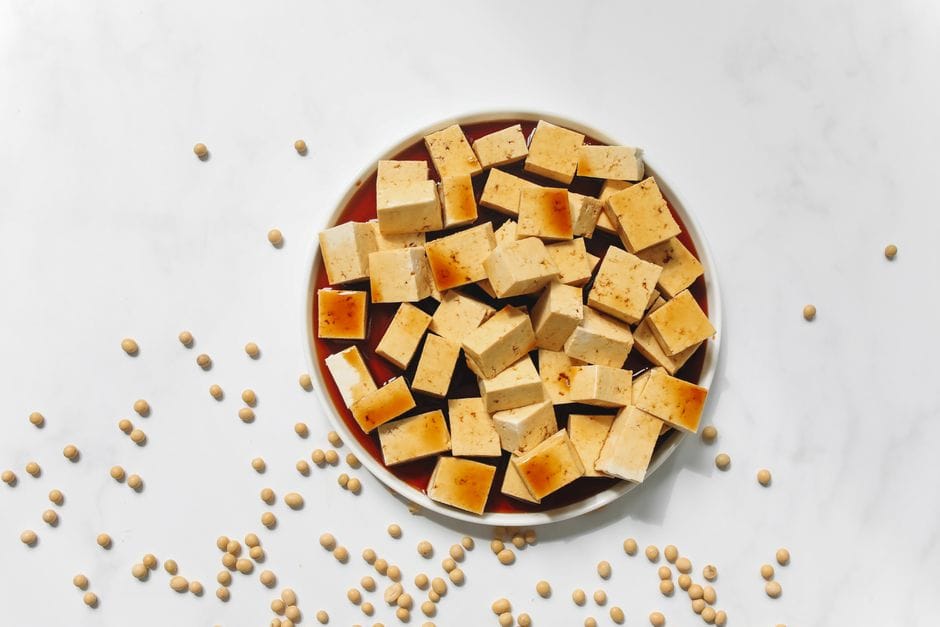 Photo: Polina Tankilevitch / Pexels
I cannot overstate this. Pressing is not optional, and most people don't press long enough. The towel-and-weight method most of us start with barely scratches the surface.
Wrap a block of firm or extra-firm tofu in a clean kitchen towel or a few layers of paper towels, set it on a rimmed plate, and put real weight on top. A cast iron pan plus a couple of cans works.
Give it at least 30 minutes, and 45 to 60 if you have the time. You want the block noticeably firmer and the towels genuinely wet when you unwrap them.
For a deeper dive on technique, including the freezer trick that makes tofu chewy and sponge-like so it soaks up even more, I wrote a whole separate piece on how to press tofu. The freezer method is my favorite for marinating-before, because freezing and thawing tofu creates larger pores that genuinely pull liquid in.
One honest note: super-firm or high-protein tofu (the vacuum-packed kind, not water-packed) needs almost no pressing. It's already dry. If you can find it, it's a shortcut worth taking.
Which Tofu to Actually Buy for Marinating
The block you grab matters as much as the marinade. For anything you plan to flavor, reach for firm or extra-firm. Soft and silken tofu have far too much water and a fragile structure; they'll fall apart in a marinade and never crisp.
In a typical American grocery store, the water-packed firm and extra-firm options I reach for are House Foods (the blue and green packages), Nasoya, and Trader Joe's organic firm. They're reliable, cheap, and press down well.
If you want to skip most of the pressing, look for vacuum-packed super-firm or high-protein tofu, which comes nearly dry from the package. Wildwood High Protein Super Firm and Trader Joe's High Protein Organic Tofu are the two I buy most.
They have a denser, almost meaty bite, and because there's so little water to begin with, they grab a sauce-after glaze beautifully with barely any prep.
One thing I learned the hard way: the texture differences between brands are real. House Foods extra-firm presses to a creamy-yet-sturdy center, while the super-firm blocks stay chewier all the way through. If a recipe isn't working, sometimes the fix is just a different block, not a different sauce.
The Two Roads: Marinate Before, or Sauce After
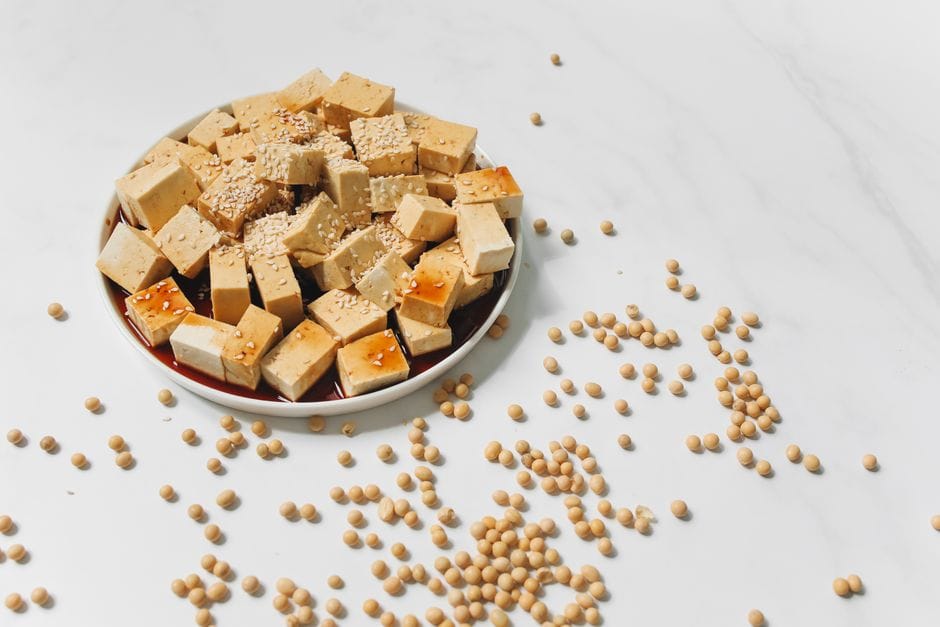
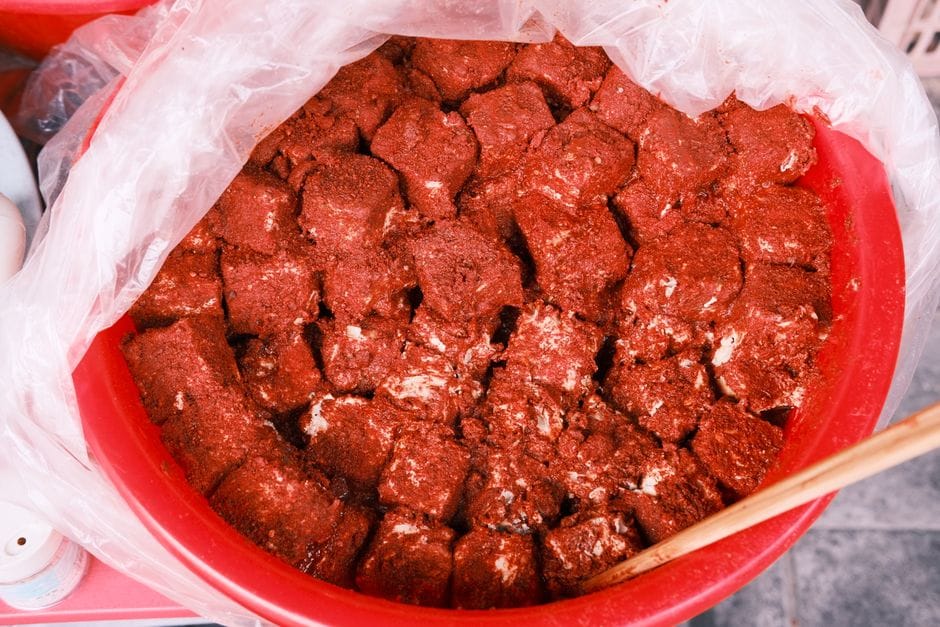 Photo: Tito Zzzz / Pexels
There are two legitimate ways to flavor tofu, and they're suited to different goals. I use both, depending on what I'm making.
Road one: marinate before cooking. This works, but only if you press hard and keep the marinade thin. The flavor will live mostly on and just under the surface, which is honestly fine for most dishes. Don't expect deeply seasoned centers; expect a well-flavored exterior.
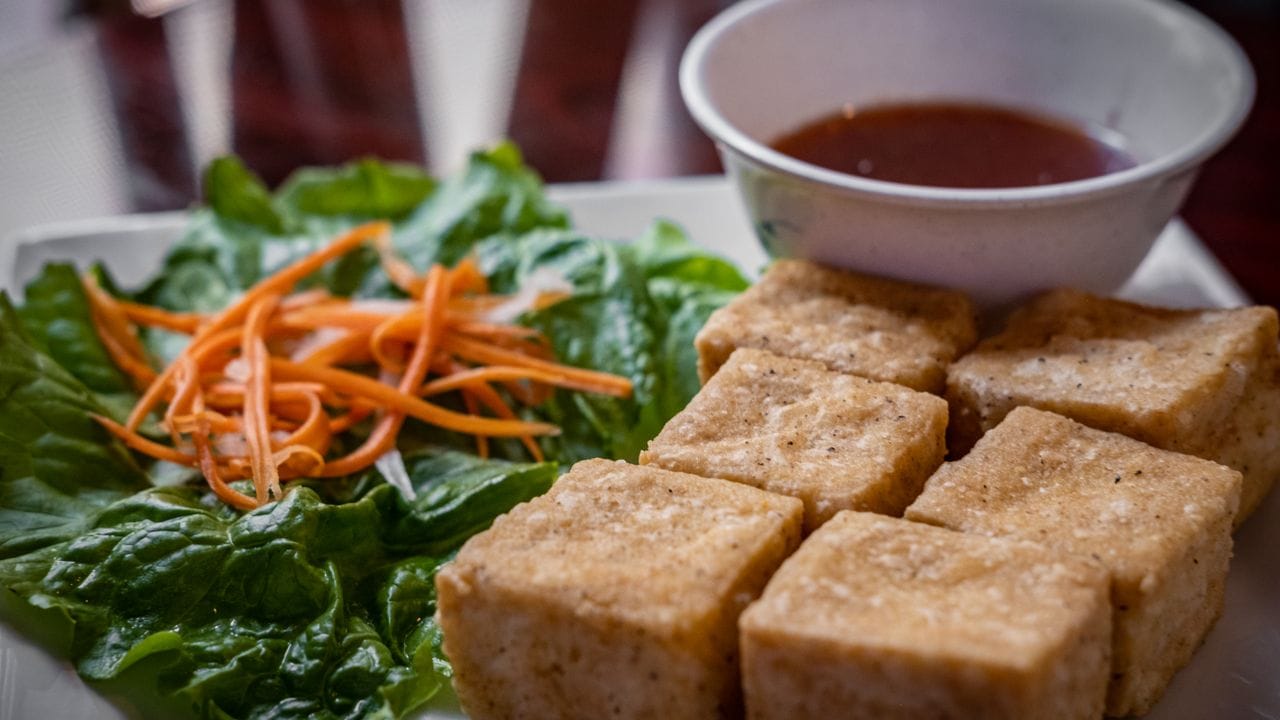
Road two, and the one I reach for most: cook the tofu crispy first, then toss it in sauce. This is the move that changed everything for me. When tofu is fried or baked until golden, the surface becomes slightly porous and a little rough, and that texture grabs sauce like a sponge.
Toss hot crispy tofu in a glaze for two minutes and it tastes more seasoned than tofu that sat in marinade for twelve hours. I'm not exaggerating.
If your main goal is crispy, flavorful tofu for a stir-fry or rice bowl, road two wins almost every time. I broke down the full crisping technique, including the cornstarch coating, in how to cook tofu.
Marinade Formulas That Actually Work
Whether you're marinating before or saucing after, the formula matters. A good tofu marinade balances four things: salty, sweet, acidic, and aromatic. Here are three I make on repeat, all built to coat well rather than just sit watery in a bowl.
Soy-ginger (my default): 3 tablespoons soy sauce or tamari (I use San-J tamari because it's wheat-free and a little less sharp than Kikkoman), 1 tablespoon maple syrup, 1 tablespoon rice vinegar, 1 teaspoon grated fresh ginger, 2 cloves grated garlic, 1 teaspoon toasted sesame oil. Thicken it with 1 teaspoon cornstarch if you're saucing after, so it clings.
Peanut-lime: 2 tablespoons natural peanut butter (the drippy, just-peanuts kind like Smucker's Natural or Trader Joe's, not the stabilized stuff that's too stiff to whisk smooth), 2 tablespoons soy sauce, 1 tablespoon lime juice, 1 tablespoon maple syrup, 1 teaspoon sriracha, warm water to loosen. This one is thick and made for tossing crispy tofu, not soaking raw blocks.
Smoky barbecue: 1/3 cup barbecue sauce (Stubb's Original is naturally vegan and not too sweet, which keeps it from scorching), 1 teaspoon smoked paprika, 1 teaspoon soy sauce, a squeeze of lime. Pure after-cooking glaze. Don't even try to marinate raw tofu in this; it's too thick to absorb and it'll just steam off in the pan.
Want a savory, cheesy depth without dairy? A tablespoon of nutritional yeast stirred into any of these adds a rounded, umami backbone that makes the tofu taste richer. It's my secret weapon in the peanut formula especially.
Timing: How Long Is Long Enough
If you go the marinate-before route, here's the realistic timeline. Thirty minutes gets you decent surface flavor. Two hours is better.
Overnight is best, and it's genuinely worth doing if you plan ahead, because slow absorption is still absorption. Just don't expect overnight to flavor the center the way it would a piece of meat. It won't.
A quick warning about acid. If your marinade is heavy on vinegar or citrus, don't leave the tofu in it for more than a few hours. Acid can start to break down the surface and make it slightly mushy or slimy.
I learned this with a lime-forward marinade I left in the fridge for a full day, and the texture came out weirdly soft and tacky. Balance the acid, or add it at the end.
If you go the sauce-after route, timing is almost a non-issue. Two to three minutes of tossing hot crispy tofu in warm sauce over low heat is all it takes. The heat and the open surface do the work.
I usually push the crispy tofu to one side of the pan, pour the glaze into the empty space so it bubbles and reduces for thirty seconds, then fold the tofu back through it. That brief reduction concentrates the sauce and makes it cling instead of pooling at the bottom.
Within a minute the cubes go glossy and lacquered, and that's your cue to pull the pan off the heat before the sugars catch and turn bitter.
The Mistakes I Made So You Don't Have To
Not pressing, or pressing for five minutes. This is the number one reason marinades fail. Wet tofu has no room for flavor, full stop.
Using a marinade that's too thin and watery. If your marinade is basically soy sauce and water, there's nothing in it to cling. Add a little oil, a touch of sweetener, and a thickener if you're saucing after. You want body.
Marinating before, then trying to get it crispy. A wet, sugary marinade on the surface fights browning hard. The sugars can scorch before the tofu crisps, and the moisture steams instead of sears. If crispy is the goal, cook first and sauce after.
Every time.
Crowding the pan. Even perfectly pressed, perfectly seasoned tofu turns pale and steamy if you pile it in. Give the pieces space so the surface can actually brown and grab that texture you need for sauce to stick.
Salting the marinade and the dish. Soy sauce and tamari are already very salty. Taste before you add more salt to the finished dish, or you'll oversalt. I've done it more than once.
Tamari, Tahini, and Keeping It Vegan
Most classic tofu marinades are naturally plant-based, but a few sneaky ingredients trip people up. Worcestershire sauce often contains anchovies. Some Asian sauces, including certain barbecue and "vegetarian" oyster-style sauces, can hide fish or honey.
If a label makes you pause, run it through our vegan ingredient checker, or search the brand in our Is It Vegan database before you buy.
For a creamy, dressing-style marinade or a finishing drizzle, you can build something rich without dairy. A spoonful of tahini gives you body and a little nuttiness, and a base of unsweetened plant yogurt thinned with lemon and herbs makes an unexpectedly great ranch-style glaze for baked tofu.
Tofu is a blank canvas, which is exactly why technique matters more than the specific sauce.
Putting It All Together
Here's the whole method in one breath. Press your firm or extra-firm tofu hard for at least 30 minutes. Decide your goal: if you want deeply seasoned, tender tofu for a braise or bake, marinate before in a thin, balanced sauce for two hours to overnight.
If you want crispy, flavor-packed tofu for a bowl or stir-fry, cook it golden first, then toss it in a thicker glaze for two or three minutes off the main heat.
That second method is the one I'd hand to anyone who thinks they don't like tofu. It gives you texture and flavor at the same time instead of trading one for the other. Stop fighting the water, make room for the sauce, and time it right.
Do that, and the flavor finally sticks.
Frequently asked questions
How long should you marinate tofu?+
If you marinate before cooking, 30 minutes to overnight, with longer being better since absorption is slow. But honestly, the bigger flavor win comes from cooking the tofu crispy first and tossing it in sauce for just 2 to 3 minutes after. Hot tofu drinks up glaze almost instantly.
Why won't my tofu absorb the marinade?+
Because tofu is mostly water, and water already fills the spaces a marinade wants to occupy. If you skip pressing, the marinade just slides off the wet surface and pools at the bottom of the dish. Press the block hard first so there's room for flavor to move in.
Should you marinate tofu before or after cooking?+
After cooking gives you the strongest flavor and the best texture, because crispy tofu has an open, slightly porous surface that grabs sauce fast. Marinating before still works if you press well and keep the marinade thin, but it can fight against browning. When in doubt, sauce it after.
Do you need oil in a tofu marinade?+
A little helps fat-soluble flavors like sesame, chili, and garlic distribute evenly, and it carries them onto the tofu surface. A teaspoon or two of toasted sesame or neutral oil per batch is plenty. Skip it entirely if you're tossing crispy tofu in a finished sauce that already contains fat.
Written by
VeganDigest Editorial is the small independent team that researches and fact-checks this site. We are not doctors or dietitians. For every is-it-vegan verdict we read the product's current ingredient list and manufacturer information, and for anything health-related we report guidance from recognized bodies such as the NHS, the Vegan Society, and the Academy of Nutrition and Dietetics rather than offering medical advice. Every page shows the date it was last verified, and our full process is on the How We Verify page.
Comments