How to Make Tahini (Toasted Sesame Paste)

 Jump to recipe ↓
 In this guide8
I bought my first jar of tahini for a hummus recipe, used two tablespoons, and watched the rest harden into a concrete puck at the back of my fridge over the next six months. That jar haunted me.
So the day I realized tahini is literally just toasted sesame seeds in a blender, I felt slightly robbed. I had been paying nine dollars for something I could make in the time it takes to toast the seeds.
Here is the honest truth about homemade tahini: it is one of the easiest pantry staples to make and one of the easiest to ruin. The line between nutty and bitter is about thirty seconds of toasting, and the difference between a smooth pour and a grainy sludge is mostly your blender and your patience.
I have made both versions more times than I want to admit. Let me walk you through the method that actually works, including the two mistakes that taught me the most.
What tahini actually is
Tahini is toasted sesame seeds ground into a paste. That is the entire definition. Traditional Middle Eastern tahini is nothing but sesame, blended so long that the seeds give up their own oil and turn into a loose, pourable cream.
No added oil, no salt, no sweetener.
The home version most of us make adds a small splash of neutral oil, and I want to be upfront that this is a shortcut, not the authentic method. Sesame seeds are roughly half oil by weight, so they will eventually loosen on their own.
But unless you own a serious high-speed blender and have ten minutes to babysit it, a tablespoon of oil saves you a lot of scraping and frustration. I make both.
The pure version when I want the real, slightly thick, intensely sesame texture, and the oil-loosened version when I just need pourable tahini for a dressing tonight.
If you have ever wondered whether plain commercial tahini is vegan, it almost always is, since it is just sesame. But flavored or "ready to dress" versions sometimes sneak in honey or dairy, so when in doubt run the label through our vegan ingredient checker, or look the brand up in our Is It Vegan database before you buy.
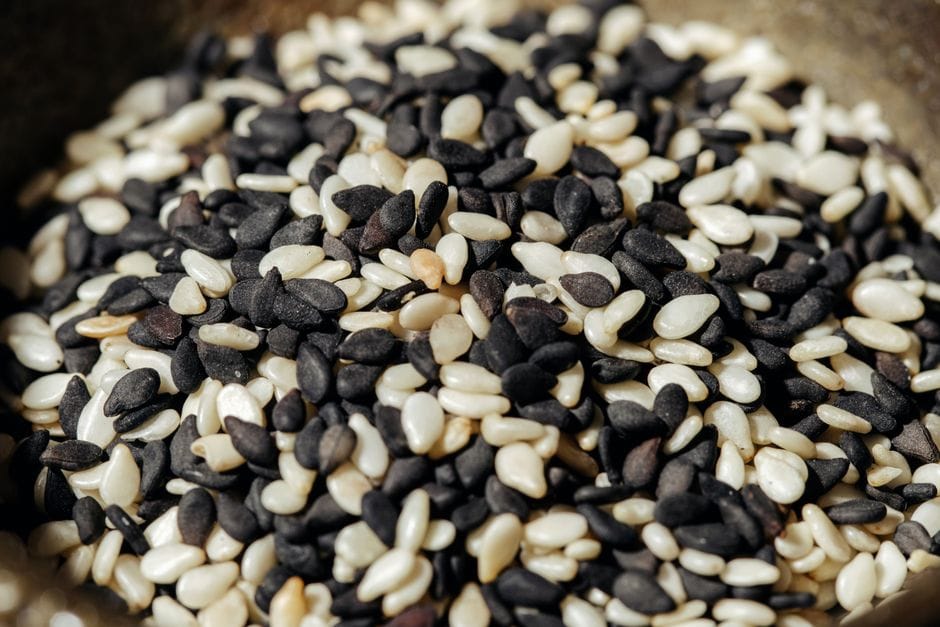
Hulled vs unhulled sesame seeds
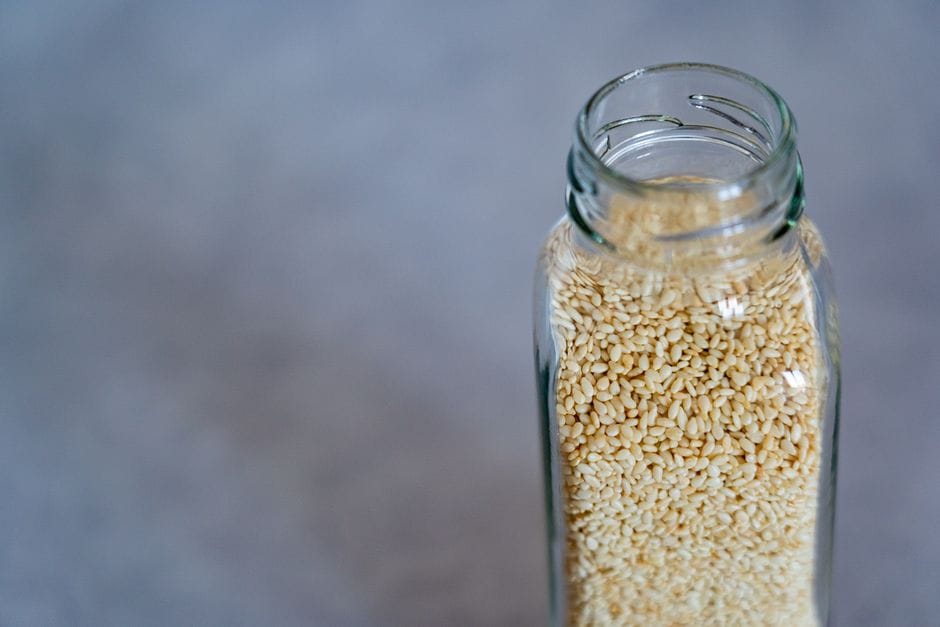 Photo: Castorly Stock / Pexels
This is the first real decision, and it changes everything about your tahini.
Hulled sesame seeds have the outer seed coat removed. They are pale cream in color, mild, and slightly sweet. This is what nearly all store-bought tahini is made from, and it is what I reach for when I want that smooth, neutral paste for hummus or dressings.
Hulled seeds blend into a lighter, glossier tahini with very little bitterness.
Unhulled sesame seeds keep the coat on. They are tan or brownish, noticeably more bitter, and higher in calcium because a lot of the calcium lives in that hull.
Tahini made from unhulled seeds is darker, earthier, and has a tannic edge that some people love and some people find harsh. I like it in savory sauces where that bitterness reads as depth, but it is not what you want in a delicate dressing.
My honest take: start with hulled seeds. They are more forgiving, they taste closer to what you expect tahini to taste like, and they hide a slightly heavy hand on the toaster.
Once you have made a few good batches, try unhulled to see if you prefer the bolder version. If you care about the calcium angle, unhulled is genuinely worth it, and sesame is a quietly excellent source.
The Vegan Society has a useful primer on plant calcium sources if you want the numbers: Calcium and a vegan diet.
I buy whichever is cheapest in bulk, usually from a Middle Eastern grocery where a kilo of sesame costs a fraction of the supermarket spice-aisle price. Bob's Red Mill sells both kinds if you only have a regular store nearby.
Toasting the seeds (the step that makes or breaks it)
Raw sesame makes flat, slightly bland tahini. Toasting is where all the flavor comes from, and it is also the single step where you are most likely to ruin the batch.
I toast on the stovetop because I can see and smell exactly what is happening. Put your seeds in a dry skillet, no oil, over medium heat. Stir them constantly.
They will go from pale to faintly golden over about three to five minutes, and they will start to smell warm and nutty. Some will pop and jump, which is normal.
The moment they look the color of straw and smell toasty, take them off the heat. Do not wait for brown.
Sesame seeds carry a lot of residual heat, so they keep cooking in the pan even after you kill the flame, which means you pull them a touch early and let the carryover finish the job. Tip them straight onto a cool plate so they stop toasting.
Here is the mistake I made twice before it sank in: I walked away to grab something, came back, and the seeds had gone from golden to scorched in under a minute. That batch tasted like burnt coffee grounds and I could not rescue it.
There is no fixing over-toasted sesame, so stay at the stove and keep stirring. If you prefer the oven, spread them on a sheet at 350°F and check every two minutes, but I find the pan gives me more control.
Let the seeds cool for ten minutes before blending. Warm seeds are fine, even helpful, but blender-hot seeds can fog up the container and make the paste gummy.
Blending it into paste
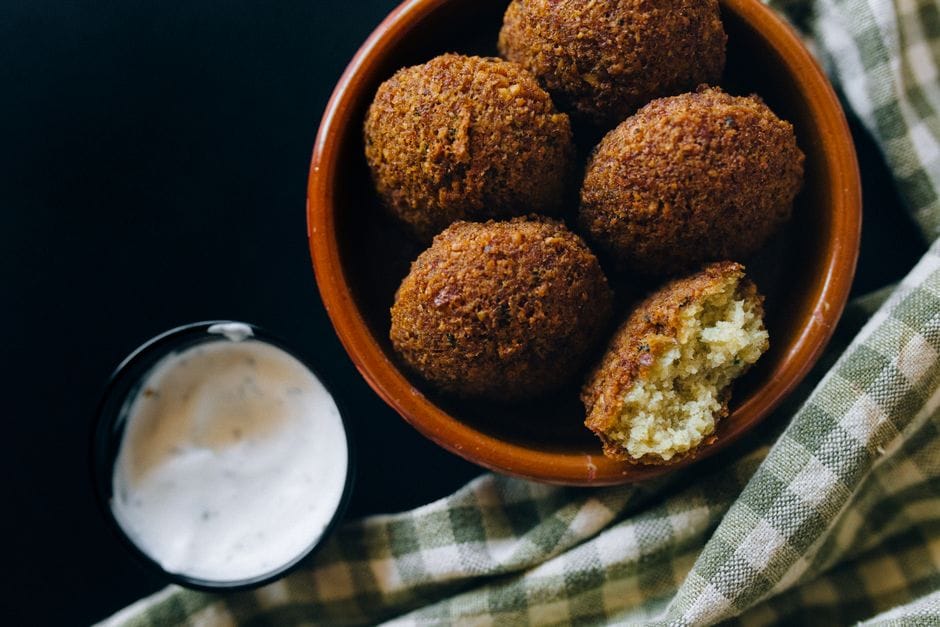 Photo: Nataliya Vaitkevich / Pexels
Now the actual tahini happens. Tip your cooled seeds into a food processor or a high-speed blender. For a small batch I use 1 cup of sesame seeds, which gives me a bit more than half a cup of finished tahini.
Run the machine. The first stage is alarming if you have not done it before: the seeds turn into a dry, crumbly powder that climbs the sides and looks like it will never become a paste. Stop, scrape the sides down, and keep going.
After a minute or two the powder starts to clump, then it balls up into a stiff, thick mass that rides around the blade. This is the seizing stage, and it is the point where most people give up and assume they did something wrong.
You did not. Keep blending. The friction warms the paste, the seeds release their oil, and that stiff ball gradually loosens into a thick, glossy paste.
In a food processor this whole process takes about three to four minutes of blending with a couple of scrape-downs. In a good high-speed blender it is faster but you have to keep pushing the mixture down toward the blade.
A food processor is honestly easier here than a standard blender, because the wide bowl gives the paste somewhere to go. A narrow blender jar tends to leave the seeds spinning uselessly above the blade unless you have a tamper.
If all you have is a regular blender, this is one job where a tamper or a lot of patient scraping earns its keep.
Getting it runny and pourable
Once you have a thick paste, decide how loose you want it.
For a pure, traditional tahini, just keep blending. Every extra minute frees more oil and the paste thins out on its own. It will never get as thin as the oil-cut version, but it reaches a rich, spoonable, just-pourable consistency that is the real deal.
For pourable tahini fast, drizzle in neutral oil a teaspoon at a time with the machine running. I use grapeseed or light olive oil, nothing strong-flavored, because the sesame should stay in charge.
Usually 1 to 2 tablespoons per cup of seeds takes it from stiff paste to a ribbon that pours like warm honey. Add it slowly: it is easy to thin tahini and impossible to un-thin it without blending in more seeds.
A pinch of salt is optional and not traditional, but I add a quarter teaspoon to most batches because it makes the sesame flavor pop. Skip it if you want a blank-canvas tahini for baking.
One texture note from experience: tahini that pours perfectly while warm from the blender will firm up as it cools and seize hard in the fridge. So judge your final consistency a little looser than you think you need. If it pours like honey warm, it will be spoonable cold, which is usually exactly right.
What to actually do with it
This is where tahini earns its place on your shelf. A few of my regular uses:
- Hummus. The obvious one, and the reason most people buy tahini in the first place. Two to three tablespoons per can of chickpeas, plus lemon, garlic, and the chickpea cooking water, blended smooth. Homemade tahini makes a noticeably nuttier hummus than the store stuff.
- Salad dressing. Whisk tahini with lemon juice, a little water, garlic, and salt and it loosens into a creamy, tangy dressing in seconds. It is my fastest way to make a sad salad worth eating, and it doubles as a sauce for roasted vegetables and grain bowls.
- Drizzle sauce. Thinned with water and lemon, tahini becomes the pourable sauce you see over falafel and shawarma plates. It is also fantastic over roasted cauliflower dusted with cashew parmesan, which is a combination I make far too often.
- Baking. Tahini swaps in beautifully for peanut butter in cookies, brownies, and energy balls, bringing a savory-sweet edge that is genuinely better in some recipes. It is also a quiet workhorse in dairy-free desserts.
- Creamy swaps. A spoonful stirred into soups or sauces adds body and richness, similar to how I use blended cashews. If you build a lot of plant-based sauces, it pairs naturally with the techniques in my cashew cream guide.
Tahini is also a staple worth keeping stocked permanently rather than buying per-recipe, which is why it lives on my core pantry list. If you are building out a from-scratch kitchen, my vegan pantry guide covers where it fits alongside the other workhorse ingredients.
Storage and the separation question
Store tahini in an airtight glass jar. It keeps in the fridge for about a month, and I have pushed a batch to six weeks with no problem.
You can keep it at cool room temperature for a couple of weeks too, the way many households in the Middle East do, but the fridge buys you more time and I default to it.
Now, the separation. After a few days your tahini will separate, with a layer of oil floating on top of a denser paste below. This is normal and it happens to every tahini, homemade or store-bought, because there are no emulsifiers holding it together.
It does not mean the tahini has gone bad. Just stir it back together with a spoon or a butter knife before each use.
If the bottom has set up firm, let the jar come to room temperature first, because cold tahini fights you and warm tahini stirs easily.
The real spoilage signal is smell. Sesame oil eventually goes rancid, and rancid tahini smells sharp, almost like old paint or crayons, instead of warm and nutty. If you get that smell, toss it.
Keeping it in the fridge and using a clean spoon every time goes a long way toward preventing it.
One small trick I picked up: store the jar upside down for a day before you open it the first time. The oil migrates through the paste instead of pooling on top, which makes that first stir much easier.
The takeaway
Tahini is the rare from-scratch staple that is genuinely cheaper, fresher, and better than what you buy, and it asks almost nothing of you in return. Buy hulled sesame seeds for your first batch, toast them just to golden and not a shade past, and blend longer than feels necessary, scraping down and trusting the seize-then-loosen arc.
Add a little oil if you want it pourable tonight, expect it to separate in the jar, and stir it back together without a second thought. Make it once and that hardened nine-dollar puck at the back of your fridge becomes a thing of the past.
The recipe
Homemade Tahini (Toasted Sesame Paste)
Prep
10 min
Cook
5 min
Makes
about 1/2 cup (8 tablespoon servings)
Ingredients
- 1 cup hulled sesame seeds
- 1 to 2 tablespoons neutral oil such as grapeseed or light olive oil (optional, for a pourable consistency)
- 1/4 teaspoon fine salt (optional)
Instructions
- 1 Put the sesame seeds in a dry skillet over medium heat with no oil. Stir constantly for 3 to 5 minutes until the seeds look the color of straw and smell warm and nutty. Do not let them turn brown.
- 2 Immediately tip the seeds onto a cool plate to stop toasting. Let them cool for 10 minutes.
- 3 Transfer the cooled seeds to a food processor or high-speed blender and run the machine. The seeds will first turn into a dry crumbly powder. Stop and scrape down the sides, then keep blending.
- 4 Continue blending as the powder clumps into a stiff ball. Keep going: the friction warms the paste and the seeds release their oil, gradually loosening the ball into a thick glossy paste. In a food processor this takes about 3 to 4 minutes total with a couple of scrape-downs.
- 5 For pourable tahini, drizzle in neutral oil 1 teaspoon at a time with the machine running until the paste reaches a ribbon consistency that pours like warm honey. Start with 1 tablespoon and add more as needed.
- 6 Add salt if using and blend briefly to combine. Taste and adjust.
- 7 Transfer to an airtight glass jar. The tahini will firm up as it cools, so judge the final consistency a little looser than you think you need.
Notes
- ·Use hulled sesame seeds for your first batch. They are milder, less bitter, and more forgiving than unhulled seeds.
- ·Watch the seeds carefully during toasting. Sesame goes from golden to scorched in under a minute. Pull them the moment they smell nutty and look like straw, not coffee.
- ·Seeds carry residual heat and keep cooking after you remove them from the heat, so pull them slightly early and let carryover finish the job.
- ·For traditional oil-free tahini, skip the added oil and blend for up to 10 minutes, scraping down frequently, until the seeds release enough of their own oil to loosen the paste.
- ·Tahini will separate in the jar with oil rising to the top. This is normal. Stir it back together before each use.
- ·Store in an airtight glass jar in the fridge for up to 1 month. Let cold tahini come to room temperature before stirring if the paste has set firm.
- ·Discard if the tahini smells sharp or paint-like, which indicates rancidity.
Frequently asked questions
Why is my homemade tahini bitter?+
Almost always over-toasted seeds. Sesame goes from golden to scorched in about thirty seconds, and once it tips past golden-brown it turns sharp and bitter. Pull the seeds the moment they smell nutty and look the color of straw, not coffee. Unhulled seeds are also naturally more bitter than hulled, so if you used those and toasted hard, you stacked two bitter sources on top of each other.
Can you make tahini without oil?+
Yes, and traditional tahini is just sesame, no added oil at all. The seeds release enough of their own oil if you blend long enough and your machine is powerful. The catch is patience: an oil-free batch can take ten minutes of blending, scraping, and resting before it loosens. A tablespoon of neutral oil gets you there in two or three minutes, which is why I almost always add a little.
How do I make my tahini runny instead of thick?+
Three levers. Blend longer so friction warms the paste and frees more oil. Add neutral oil a teaspoon at a time until it pours like warm honey. And serve it slightly warm, because tahini stiffens in the fridge and loosens at room temperature. If a batch sets up firm after chilling, let it sit out for twenty minutes and stir before you judge it.
How long does homemade tahini last?+
About a month in an airtight jar in the fridge, sometimes longer. It separates as it sits, with a layer of oil rising to the top, which is completely normal and not a sign it has spoiled. Just stir it back together before each use. Trust your nose: rancid sesame smells sharp and paint-like, and at that point you toss it.
Written by
VeganDigest Editorial is the small independent team that researches and fact-checks this site. We are not doctors or dietitians. For every is-it-vegan verdict we read the product's current ingredient list and manufacturer information, and for anything health-related we report guidance from recognized bodies such as the NHS, the Vegan Society, and the Academy of Nutrition and Dietetics rather than offering medical advice. Every page shows the date it was last verified, and our full process is on the How We Verify page.
Comments