How to Stock a Vegan Pantry (The Essentials List)

In this guide7
- 01Legumes Are the Backbone (Start Here)
- 02Grains and Starches for the Base of the Bowl
- 03The Flavor Builders That Make Plants Taste Good
- 04Spices Worth Buying (and How to Not Overpay)
- 05Condiments, Oils, and Fridge-Door Staples
- 06The Proteins to Keep Beyond Beans
- 07What to Buy First, and Doing It on a Budget
I judge a kitchen by what falls out when you open the cupboard at the end of a long day. Mine used to be a graveyard of single-use ingredients: half a bag of some grain I bought for one recipe, a spice I used once, a sauce that had crystallized in the cap.
I owned a lot of food and could still somehow cook nothing. The week I finally cleaned it out and rebuilt it around a short list of things I actually reach for, my cooking got faster, cheaper, and noticeably better, all at once.
A good vegan pantry is not about having more. It is about having the right twenty or so things, so that "what's for dinner" stops being a question and becomes a five-minute assembly job.
So this is the list I would hand a friend who just went vegan and wants to stop staring into an empty fridge at 7pm. I have organized it the way I actually shop, by category, with the honest notes about what is worth the money and what is not.
There is no purity test here and nothing fancy. Just the staples that quietly do the heavy lifting, the flavor builders that make plant food taste like something you want to eat, and a plan for what to buy first so you are not dropping a hundred dollars in one terrifying trip.
Legumes Are the Backbone (Start Here)
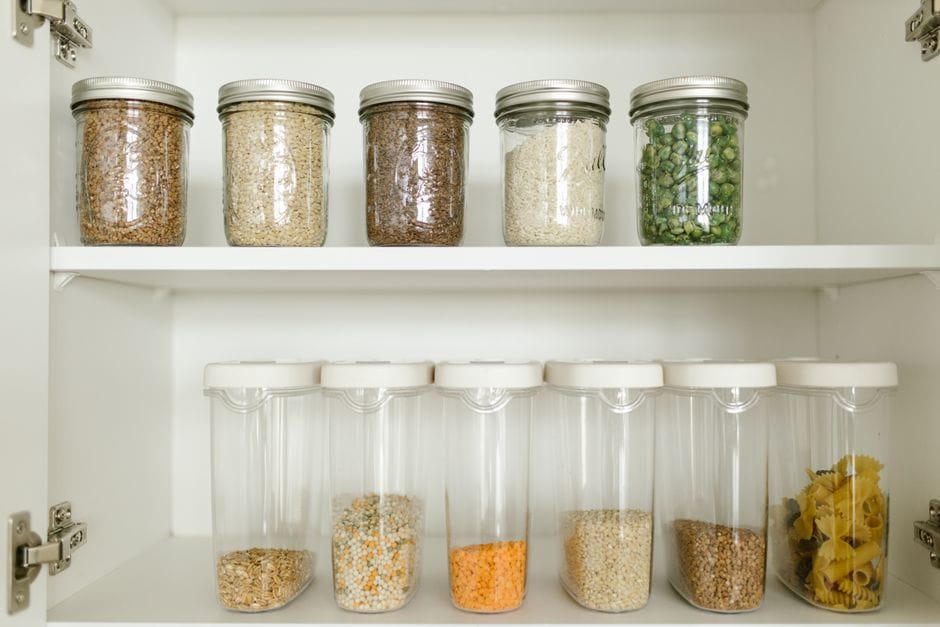
If I had to pick one category that carries a vegan pantry, it is legumes, and it is not close. Beans and lentils are your protein, your fiber, your cheap filling center of the plate, and they keep for a year in a jar.
I always have canned chickpeas, canned black beans, and a couple of bags of dried lentils within arm's reach, and I genuinely do not remember the last time I planned a dinner that could not be rescued by one of them.
Canned is the convenience play and there is no shame in it. A drained can of chickpeas becomes a curry, a smashed sandwich filling, or a tray of crispy snacks while the oven does the work. Dried is the budget play.
A two-dollar bag of dried chickpeas makes roughly six cans' worth, and you control the texture, though you do have to plan ahead for the soak. Once they are cooked, the easiest first move is a tray of roasted chickpeas for snacking.
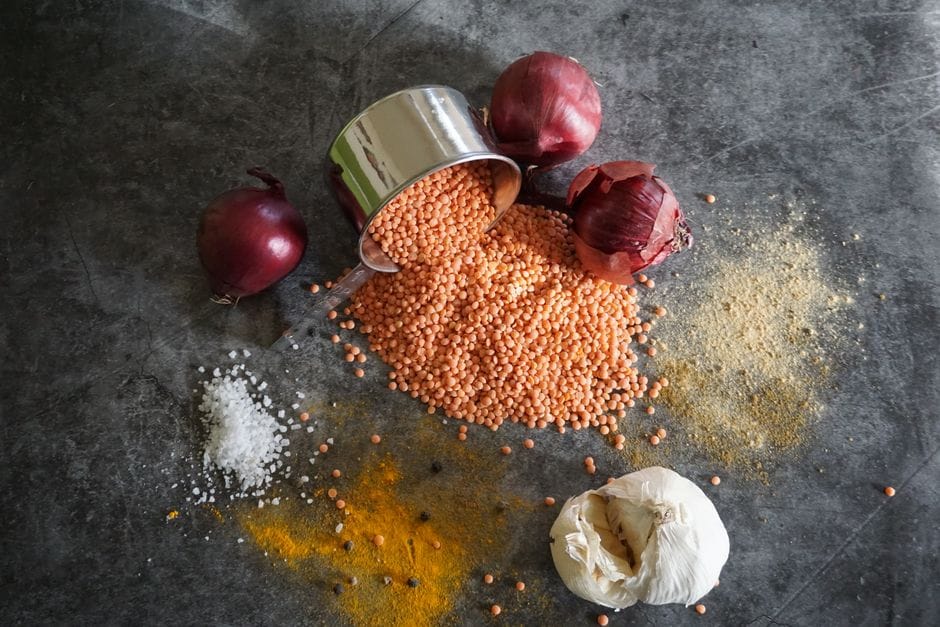
Red lentils are the one I tell everyone to buy first because they need no soaking and collapse into a thick dal in twenty minutes flat. Keep brown or green lentils too for when you want them to hold their shape in a salad or stew.
Stock all of it dried if you are watching money, a mix of dried and canned if you are watching time, and label your jars with the month you bought them, because beans that have sat for two years take forever to soften and you will blame yourself instead of the bean.
Grains and Starches for the Base of the Bowl
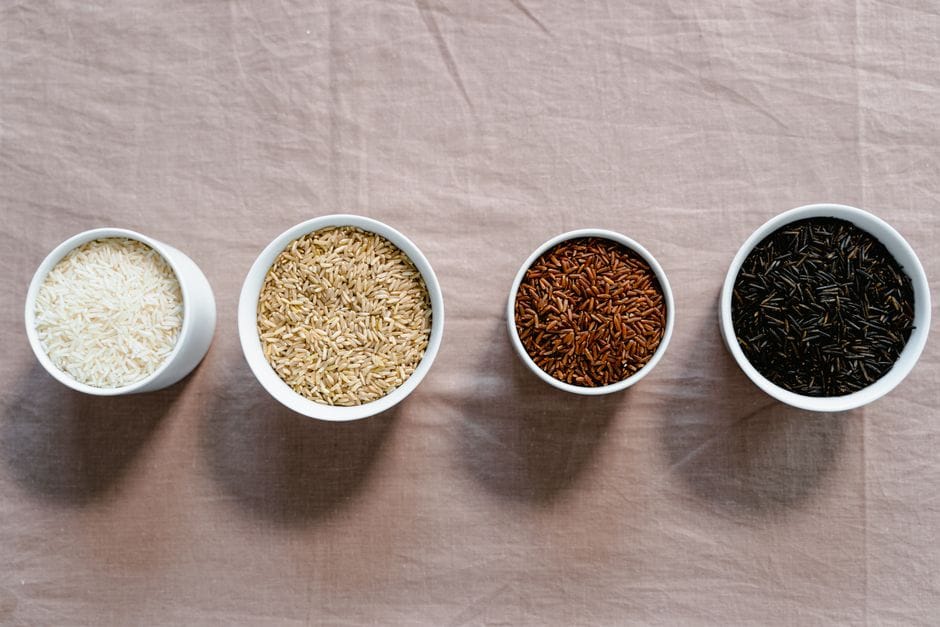 Photo: MART PRODUCTION / Pexels
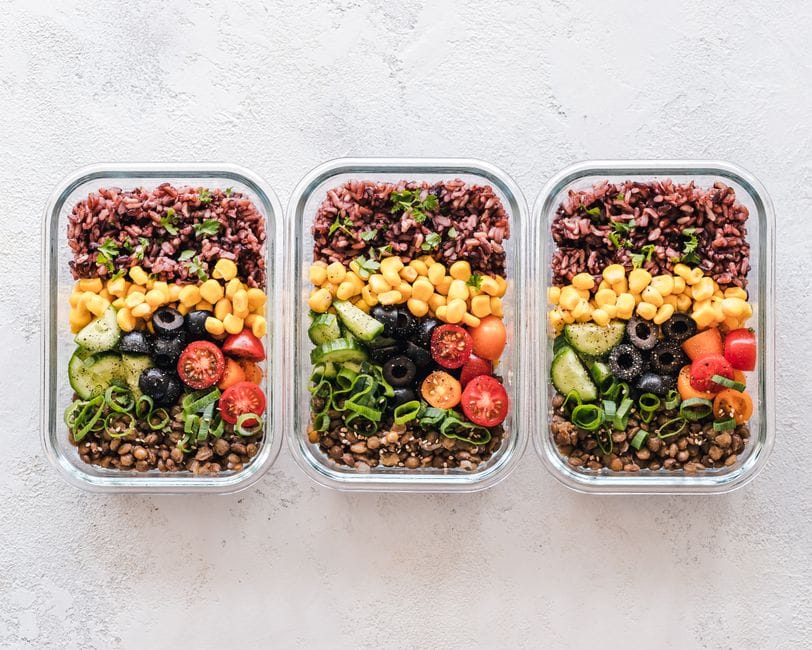
Every weeknight meal I make is basically a base, a protein, some vegetables, and a sauce, and grains are the base. They are the cheapest calories in the kitchen and the thing that turns a pan of saucy beans into an actual dinner.
I keep brown rice and a small bag of white rice for nights I want it fast, rolled oats for breakfast and for blitzing into a quick flour, and a box of whole-wheat pasta because a bowl of pasta is the original five-ingredient vegan meal.
Beyond the obvious three, two grains earn their shelf space for me. Quinoa cooks in fifteen minutes, brings a bit more protein, works hot or cold in lunch bowls, and just needs a good rinse and a covered fifteen-minute simmer to come out fluffy instead of mushy.
The other is whatever quick-cooking option fits your life, couscous or bulgur, both of which are basically just-add-boiling-water. Buy these from bulk bins if your store has them, because the price difference against the branded boxes is genuinely absurd, sometimes half.
The thing I stopped buying is the rainbow of trendy single-recipe grains, the freekeh and the teff I purchased with great ambition and used exactly once. A pantry of two or three grains you actually cook beats a shelf of twelve you are intimidated by.
The Flavor Builders That Make Plants Taste Good
Here is the category that separates a vegan pantry that gets used from one that gathers dust, and it is the part most beginners under-buy. When people tell me vegan food tastes bland, the problem is almost never the beans.
It is that nothing in the dish is supplying the deep, savory, salty hum that meat and cheese used to provide. A handful of flavor builders fixes that permanently.
The undisputed star is nutritional yeast, those yellow flakes that taste cheesy and nutty and turn a plain pot of pasta into something craveable; I covered every single use in nutritional yeast 101, and it is the first thing I tell a new vegan to buy. Next to it I keep soy sauce or tamari for instant salt and umami, and a jar of miso paste, which is the single best trick I know for making a soup or a gravy taste like it simmered all day.
Then tahini, the sesame paste that builds creamy dressings and sauces with no dairy at all, and which I lean on constantly; the first time I bought it I made the rookie mistake of not stirring the separated oil back in and got a brick at the bottom of the jar, so stir it the moment you open it. Round the corner out with garlic and onion in some form, tomato paste for concentrated depth, and a good vinegar or two for the bright acidic lift that wakes everything up.
None of these are exotic and all of them are cheap. Together they are the difference between food that is fine and food you actually look forward to.
Spices Worth Buying (and How to Not Overpay)
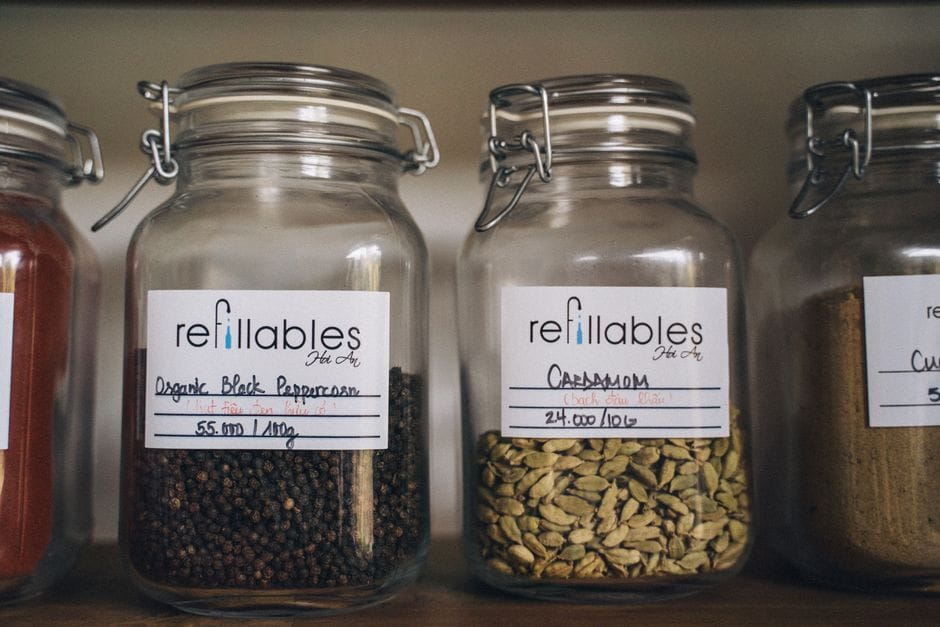 Photo: Anna Tarazevich / Pexels
Spices are where a vegan kitchen earns its personality, because once you have removed meat as the default flavor, seasoning is doing the storytelling. I am not going to hand you a list of forty jars you will never finish.
The starter set that takes my cooking almost anywhere is cumin, smoked paprika, turmeric, chili flakes or a chili powder, coriander, cinnamon, and a good flaky salt and black pepper. Smoked paprika in particular is my desert-island spice, because that whisper of smoke is what convinces your brain a dish has something meaty in it, and it is what I reach for on tofu, beans, and roasted vegetables alike.
The money trap here is buying spices in those pretty branded jars at the front of the store, which can run five or six dollars for a thimble of paprika. Buy from the bulk bins by the scoop instead and you will spend a fraction for the same thing, often fresher because it turns over faster.
Whole spices like cumin seeds and peppercorns keep their punch for years where the pre-ground versions fade in months, so if you have a cheap grinder or even a mortar, buying whole is both cheaper over time and noticeably better. Store the jars away from the heat of the stove, not in the cute rack right above the burners where I kept mine for years while quietly cooking the flavor out of them.
Condiments, Oils, and Fridge-Door Staples
The fridge door and the oil shelf are where everyday cooking actually gets finished, so they deserve real attention rather than whatever ended up there by accident. For fats, I keep a neutral oil for high-heat cooking and a bottle of decent olive oil for dressings and finishing, plus a tub of vegan butter for toast and baking.
Beyond that, a jar of vegan mayo does more work than you would think, binding sandwich fillings, building creamy dressings, and even helping baked goods stay moist.
For the condiments that turn an assembled bowl into a meal, I never run out of a good hot sauce, mustard, ketchup, a sweet-and-tangy barbecue sauce, and peanut butter, which is a sandwich, a satay sauce, and a spoonful-of-comfort all in one jar. Coconut milk earns its own mention because a single can transforms beans and vegetables into a rich curry or a creamy soup with zero dairy and almost zero effort, and it is the most reliable richness shortcut I own.
Keep a tin or three in the cupboard at all times. One quiet warning worth saying out loud: condiments are exactly where sneaky animal ingredients hide, like fish sauce in some Asian blends, honey in some barbecue and mustard, and the occasional dairy in a creamy dressing.
When a label leaves you unsure, our vegan ingredient checker tool and the Is It Vegan database will settle it in about ten seconds, which beats squinting at a tiny ingredient list in the aisle.
The Proteins to Keep Beyond Beans
Beans and lentils cover most of my protein, but a few extras keep the rotation from getting repetitive, and they all store well, which is the whole point of a pantry. The big one is tofu, which keeps unopened for weeks and turns into anything from crispy cubes to a creamy sauce; if it has ever intimidated you, the guide to tofu demystifies the whole block.
I also keep tempeh in the fridge or freezer for its firmer, nuttier bite, walked through in how to cook tempeh, and a bag of textured vegetable protein, which is a cheap, shelf-stable dried protein that rehydrates into a convincing ground-meat texture for chili and tacos; I break it down in how to cook TVP.
The other quiet workhorse is nuts and seeds, especially raw cashews. Soaked and blitzed, cashews become a cashew cream, a cheese sauce, or a tahini-like richness with no dairy in sight, and a bag goes a long way.
Keep ground flax or chia on hand too, both for a fiber and omega-3 boost and because a tablespoon of ground flax with water makes a binder that replaces eggs in most baking. Store nuts, seeds, and any whole-grain flour in the fridge or freezer rather than the cupboard, because their oils go rancid faster than you expect and a stale cashew is a sad thing to discover mid-recipe.
What to Buy First, and Doing It on a Budget
If the full list above feels like a hundred-dollar shopping spree, do not buy it all at once, because you do not need to and you will only end up with that same graveyard cupboard I started with. Buy the foundation first and layer the rest over a few normal grocery trips.
My first-trip list is short: canned chickpeas, dried red lentils, rice, oats, peanut butter, nutritional yeast, soy sauce, a can of coconut milk, and the seven starter spices. That is a complete, dinner-ready pantry, and it runs roughly forty to fifty dollars depending on your store.
The budget rules that keep my own bill down are boringly effective. Buy legumes and grains dried and from bulk bins when you can, because that is where the real savings live, and a scale or a scoop beats a branded bag almost every time.
Buy spices from bulk bins too, in small amounts, so you are not paying jar prices for air. Let the fancy branded meat and cheese analogues be occasional treats rather than staples, because they are convenience food and they are priced like it; if you want to know which of them are actually worth it, I sort the good from the gimmicky in the guide to meat substitutes.
And get comfortable reading labels, both to catch hidden animal ingredients and to spot when a "vegan" branded product is just expensive pantry basics with a markup; our guide to reading food labels makes that quick. For the record on the nutrition that genuinely matters once your pantry is sorted, the Vegan Society has the clearest plain-English rundown, and B12 is the one thing no pantry can supply, so keep a supplement next to the spices.
That is the whole pantry, and notice what it mostly is: cheap, plain, shelf-stable food that has always been vegan, plus a small squad of flavor builders that make all of it taste like dinner. You do not need a specialty store, a big budget, or a single ingredient you cannot pronounce.
Stock the legumes and grains for the foundation, the nutritional yeast and miso and tahini and spices for the flavor, the coconut milk and condiments for the finish, and buy it in waves so it never feels like a project. Do that once and the hardest part of vegan cooking, the staring-into-the-cupboard part, simply goes away.
The food gets fast because the decisions are already made, sitting on the shelf, waiting for you.
Frequently asked questions
What are the most essential vegan pantry staples to buy first?+
If I could only buy five things to start, it would be canned chickpeas, dried red lentils, brown rice, a tub of peanut butter, and a jar of nutritional yeast. Those five cover protein, a grain, a fat, and the cheesy savory note that beginners miss most, and they cost almost nothing. Everything else is an upgrade you layer on over a few grocery trips. Start there and you can cook a real dinner the first night without owning a single specialty item.
How much does it cost to stock a basic vegan pantry?+
A genuinely useful starter pantry runs about forty to sixty dollars if you buy the staples in their cheapest form, which usually means dried legumes, bulk grains, and store-brand canned goods. That sounds like a lot upfront, but a bag of dried chickpeas that costs two dollars makes the equivalent of six or seven cans, so the per-meal cost is tiny. Spices are the one place the math looks scary, so buy those from bulk bins by the scoop rather than in branded jars and you will spend a fraction.
How long do vegan pantry staples actually last?+
Dried legumes and grains keep for a year or more in a sealed jar, though older beans take longer to cook soft, so I label the jar with the month I bought them. Nuts, seeds, and any whole-grain flour go rancid fastest because of their oils, so those live in my fridge or freezer and last several months instead of weeks. Tahini, nut butters, and opened coconut milk belong in the fridge once opened. Whole spices outlast ground ones by years, which is the main argument for buying them whole and grinding as you go.
Do I need to buy expensive specialty vegan products to cook well?+
No, and chasing them is the fastest way to blow your grocery budget for no reason. The pantry that makes vegan cooking fast is built almost entirely from cheap whole foods that have always been vegan, like beans, rice, oats, and lentils, plus a handful of flavor builders. Branded meat and cheese analogues are fun and occasionally worth it, but they are convenience items, not staples. A jar of nutritional yeast and a bottle of soy sauce will do more for your everyday cooking than any twelve-dollar bag of shredded vegan mozzarella.
Written by
VeganDigest Editorial is the small independent team that researches and fact-checks this site. We are not doctors or dietitians. For every is-it-vegan verdict we read the product's current ingredient list and manufacturer information, and for anything health-related we report guidance from recognized bodies such as the NHS, the Vegan Society, and the Academy of Nutrition and Dietetics rather than offering medical advice. Every page shows the date it was last verified, and our full process is on the How We Verify page.
Comments