How to Replace Eggs in Baking (A Swap for Every Recipe)

In this guide8
- 01First, Figure Out What the Egg Is Doing
- 02Flax Egg: The Reliable Binder
- 03Aquafaba: The One That Actually Whips
- 04Applesauce: Moisture for Dense, Soft Bakes
- 05Mashed Banana: Moisture, Plus a Flavor You Can't Hide
- 06Commercial Egg Replacers: The Boring, Dependable Pick
- 07Baking Soda and Vinegar: The Lift Trick
- 08The Cheat Sheet: Cookies vs Cakes vs Brownies
The cake that finally taught me how eggs work was a disaster I served to nine people. It was my niece's third birthday, I was newly vegan and overconfident, and I swapped all three eggs in a vanilla layer cake for applesauce because a blog told me applesauce was a one-to-one egg replacer.
The cake came out of the oven looking fine. Then it sank in the middle like a collapsed tent, and when I cut it the center was wet and dense, somewhere between bread pudding and a wet sponge. I frosted over the dip and prayed.
Everyone was polite. I knew.
What I had done wrong was simple once I understood it: I treated all egg substitutes as interchangeable. They are not. An egg in a recipe might be binding, leavening, adding moisture, or some combination, and each swap only covers part of that.
Get the job right and vegan baking is genuinely easy. Get it wrong and you get a sunken cake at a toddler's party. This is the guide I needed that day.
I'll walk you through what eggs actually do, then give you the six swaps I trust with exact ratios and honest notes on where each one wins and fails.
First, Figure Out What the Egg Is Doing
This is the whole game. Before you pick a substitute, ask what the egg is for in that specific recipe. Eggs do three jobs in baking, and most recipes lean on one or two of them more than the others.
Binding is holding everything together so your cookie or loaf doesn't crumble apart. Leavening is providing lift and structure, the rise and airiness in a cake or a meringue. Moisture is adding richness and tenderness and keeping the crumb from drying out.
A chocolate chip cookie mostly needs binding. A brownie needs binding and moisture, not much lift. A layer cake needs all three, with leavening doing heavy lifting.
A meringue or mousse is almost pure leavening, the eggs whipped into airy structure. Once you know the job, the right swap is obvious.
If you're unsure what counts as vegan when you're reading a recipe or a product label, our vegan ingredient checker and the Is It Vegan database will settle most of it in a few seconds.
Here's the cheat sheet I keep in my head: binding goes to flax or chia, moisture goes to applesauce or banana, and lift goes to aquafaba, commercial replacers, or the baking soda and vinegar trick.
One more thing that took me years to internalize: the number of eggs matters as much as their job. A recipe with one egg is forgiving, because the egg is a supporting ingredient and almost any swap will carry it.
A recipe with four eggs is telling you the eggs are the main structure, and no single swap will rebuild that. So when you read a recipe, count the eggs and weigh that against what the rest of the batter is doing. One or two eggs, swap freely.
Three or more, slow down and check whether you should pick a different recipe entirely.
Flax Egg: The Reliable Binder
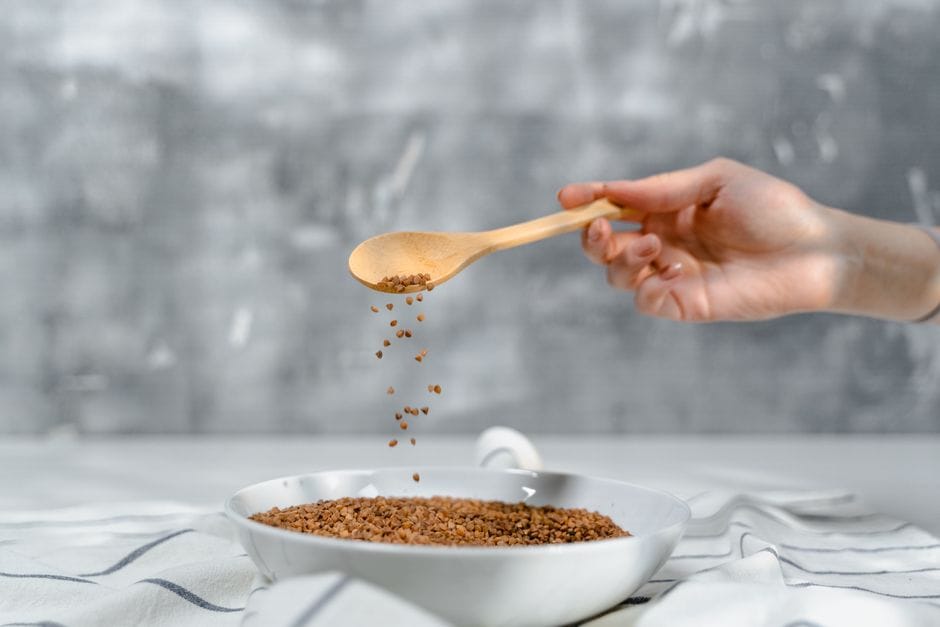 Photo: MART PRODUCTION / Pexels
A flax egg is my default for anything that needs to hold together without much rise. It's the one I make most.
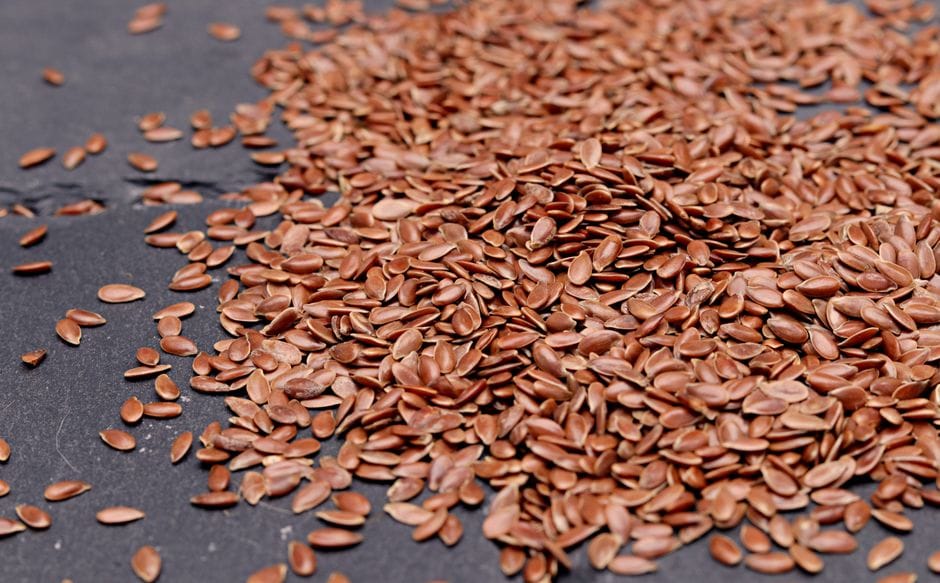
The ratio is 1 tablespoon ground flaxseed plus 3 tablespoons water per egg. Whisk it together and let it sit for 5 to 10 minutes until it turns thick, gloopy, and gel-like, almost like a loose raw egg white. That gel is the binder.
You have to use ground flax, not whole seeds; whole seeds won't release the mucilage that does the work. I keep a bag of pre-ground golden flax meal in the freezer so it doesn't go rancid.
Flax shines in cookies, pancakes, muffins, quick breads, and banana bread. It adds a faint nutty, slightly grassy flavor that vanishes completely in chocolate, oats, cinnamon, or anything robust, but can peek through in a plain sugar cookie.
Where it fails: anything that needs to be light and tall. I once tried a flax egg in a chiffon-style cake and got a damp, tight crumb. It binds, it does not lift.
For the full breakdown, including the chia variation, I wrote a whole piece on the flax egg.
Chia works the same way at the same ratio (1 tablespoon ground chia to 3 tablespoons water), slightly more neutral in flavor, slightly more gelling power. Grind the chia for a smoother result or leave it whole if you don't mind tiny specks.
Aquafaba: The One That Actually Whips
Aquafaba is the liquid from a can of chickpeas, and it is the closest thing we have to a true egg-white replacement because it whips into a real foam. This is the swap that makes vegan meringues, macarons, mousses, and tall, light cakes possible.
For binding and moisture, 3 tablespoons of aquafaba replaces one whole egg, and 2 tablespoons replaces one egg white. For anything whipped, you whip the aquafaba with an electric mixer for 5 to 15 minutes until it forms stiff, glossy peaks, exactly like egg whites.
The first time I watched a thin beige bean liquid turn into a bowl of white peaks I genuinely laughed.
Use the liquid from an unsalted (or low-salt) can of chickpeas for the cleanest flavor, and don't dump the chickpeas; save them for hummus or roasting. There's no bean taste in the finished bake once it's sweetened and cooked.
Where aquafaba struggles: it adds almost no fat or richness, so on its own it can make a lean, slightly dry cake. I pair it with a little oil or vegan butter in those cases. It also takes practice to whip; under-whipped aquafaba deflates.
My full method, including how to reduce a watery can, is in the aquafaba egg substitute guide.
Applesauce: Moisture for Dense, Soft Bakes
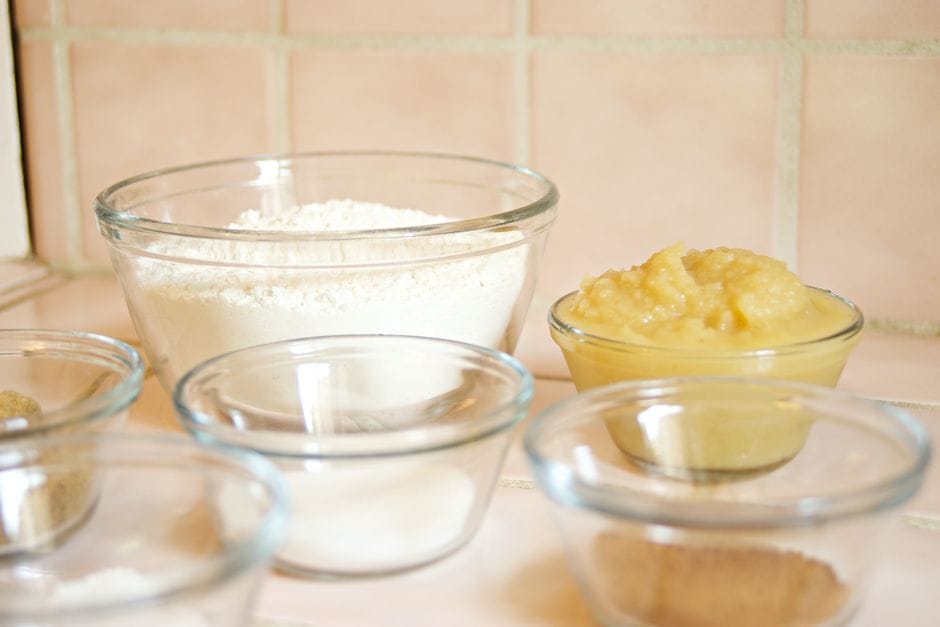 Photo: Rachel Loughman / Pexels
Unsweetened applesauce is my go-to when the egg's main job is moisture and tenderness, not lift. It makes the crumb soft and a little fudgy.
The ratio is 1/4 cup (about 60 grams) of unsweetened applesauce per egg. Always use unsweetened so you control the sugar; sweetened applesauce throws off the balance and can make things gummy. The flavor is almost neutral, with maybe a whisper of apple that disappears in most recipes.
Applesauce is excellent in brownies, muffins, quick breads, snack cakes, and dense bar cookies. It keeps them moist for days. Where it fails, and this is exactly my birthday-cake mistake, is in anything that needs to rise.
Applesauce adds zero lift and a lot of water, so in a light layer cake it makes a heavy, sunken, gummy result. If a recipe leans on applesauce for two-plus eggs, add 1/4 teaspoon of baking powder per egg to compensate for the missing structure.
It's also great as a partial swap for oil if you want a lower-fat bake, though too much trades richness for rubberiness.
Mashed Banana: Moisture, Plus a Flavor You Can't Hide
Banana works on the same principle as applesauce, moisture and binding, with one big catch: it tastes like banana, and there's no hiding it.
Use 1/4 cup (about half of a medium banana) of well-mashed ripe banana per egg. The riper and spottier the banana, the better it mashes and binds, and the sweeter it is, so I cut a touch of sugar when I use it. Mash it completely smooth or you'll get gluey lumps in the crumb.
Banana belongs in banana bread (obviously), spiced muffins, oatmeal cookies, pancakes, and chocolate bakes where banana and cocoa already play well together. I love it in a chocolate-banana muffin.
Where it fails: any recipe where you don't want banana flavor, which is most cakes, vanilla cookies, and anything delicate. It also adds density and won't give you lift, same as applesauce. Treat it as a flavor decision first and a swap second.
Commercial Egg Replacers: The Boring, Dependable Pick
When I want predictable and flavor-neutral, I reach for a powdered commercial replacer. These are usually a blend of starches and leavening (potato starch, tapioca, a little raising agent) designed to mimic an egg's structure and lift without flavor.
The big names are Bob's Red Mill Egg Replacer, Ener-G Egg Replacer, and Just Egg (a pourable liquid, mung-bean based, which behaves differently and is best for scrambles and custardy bakes). For the powders, you follow the box, but it's typically around 1 tablespoon of powder whisked with 2 to 3 tablespoons of water per egg.
Whisk until frothy and use right away. These are my pick for cakes and cupcakes that need real lift with no off-flavor, and they're the most beginner-proof option because there's no foam-whipping skill involved.
The downside is they add structure and lift but little moisture or richness, so I still want enough oil or vegan butter in the recipe. They also cost more than a can of chickpeas or a spoon of flax.
Baking Soda and Vinegar: The Lift Trick
This is the one people forget, and it's the secret behind a lot of suspiciously fluffy vegan cakes, including the classic "wacky cake." It replaces the egg's leavening job through pure chemistry.
The ratio is 1 teaspoon baking soda plus 1 tablespoon vinegar (white or apple cider) per egg. When the acid hits the base it fizzes and releases carbon dioxide, which inflates the batter and gives you rise.
You mix it in last and get the batter into the oven quickly, while the reaction is still active. There's no detectable vinegar taste in the finished bake; the acid is neutralized.
This works beautifully in cakes, cupcakes, and quick breads that need lift but where you don't need binding from the egg (the flour and other ingredients handle structure). Where it fails: it does nothing for binding or moisture, so it's not a standalone swap in something like a cookie that needs the egg to hold it together.
I often combine it with another swap, using baking soda and vinegar for lift plus a little extra liquid for tenderness. The Vegan Society has solid egg-free baking notes if you want a second source, and the chemistry of the reaction itself is well documented in this overview of sodium bicarbonate.
The Cheat Sheet: Cookies vs Cakes vs Brownies
Here's how I actually choose, by recipe type, so you never have to guess.
For cookies, the egg is mostly a binder, so reach for a flax egg (1 Tbsp ground flax + 3 Tbsp water per egg). It holds the dough together and the slight nuttiness is welcome in most cookies. Commercial replacer is a fine flavor-neutral backup.
For brownies, you want binding plus moisture and almost no lift, which is the perfect job for applesauce (1/4 cup per egg) or mashed banana if you want banana flavor. Both keep brownies fudgy. Flax also works here and adds a little chew.
For cakes and cupcakes, you need real lift, so use aquafaba (3 Tbsp per egg), a commercial replacer, or the baking soda and vinegar trick, often with a spoon of applesauce or extra oil for tenderness. This is where moisture-only swaps like plain applesauce fail on their own and where my birthday cake died.
For meringues, mousses, and macarons, only aquafaba whips into the airy structure you need. Nothing else on this list comes close.
When you're stuck, default to the egg's job, not the ingredient you happen to have. Two eggs or fewer, the swaps above are nearly foolproof.
Beyond that, find a recipe written to be egg-free from the start, because at that point the eggs were the architecture, not a detail. Get the job right and you'll never serve a sunken cake at a birthday party. I did it so you don't have to.
Frequently asked questions
What is the best all-around egg substitute for baking?+
There isn't one, and any guide that gives you a single answer is leading you wrong, because the best swap depends on the egg's job in that recipe. For dense, moist things like brownies and muffins, applesauce or mashed banana wins, while cookies and quick breads that need to hold together do better with a flax egg. For anything that has to rise tall and stay light, like a layer cake or meringue, aquafaba or a commercial replacer like Bob's Red Mill is the move. Match the swap to the structure, not the other way around.
Why did my cake turn out dense and gummy with an egg substitute?+
Almost always because you used a moisture-based swap (applesauce or banana) in a recipe that needed lift, or you used too many swaps in one batch. Eggs do up to three jobs at once, and most substitutes only do one well. If your cake sank and the middle stayed wet, you replaced the leavening power with extra moisture and got a heavy, underbaked crumb. Switch to aquafaba or a commercial replacer, and add a quarter teaspoon of baking powder per egg if the recipe leaned on whole eggs for rise.
How many eggs can you replace in one recipe before it stops working?+
Two is the reliable ceiling for most home swaps. One egg is almost foolproof with any method, and two usually works if you choose the right swap for the job. Three or more, and you're really baking a different recipe, because at that point the eggs were the main structure, not a supporting player. Recipes built on four-plus eggs (angel food, sponge, popovers) are the hardest to veganize, so I'd start from a recipe written to be egg-free rather than swapping.
Do egg substitutes change the taste of baked goods?+
Some do, some don't. Flax adds a faint nutty, slightly grassy note that disappears in chocolate or spiced bakes but can show up in a plain vanilla cookie, and banana tastes like banana, full stop, so only use it where you want that. Applesauce, aquafaba, and commercial replacers are essentially flavor-neutral, which is why I reach for them in delicate recipes where flavor matters most.
Written by
VeganDigest Editorial is the small independent team that researches and fact-checks this site. We are not doctors or dietitians. For every is-it-vegan verdict we read the product's current ingredient list and manufacturer information, and for anything health-related we report guidance from recognized bodies such as the NHS, the Vegan Society, and the Academy of Nutrition and Dietetics rather than offering medical advice. Every page shows the date it was last verified, and our full process is on the How We Verify page.
Comments