How to Soak Cashews (Fast and Overnight Methods)

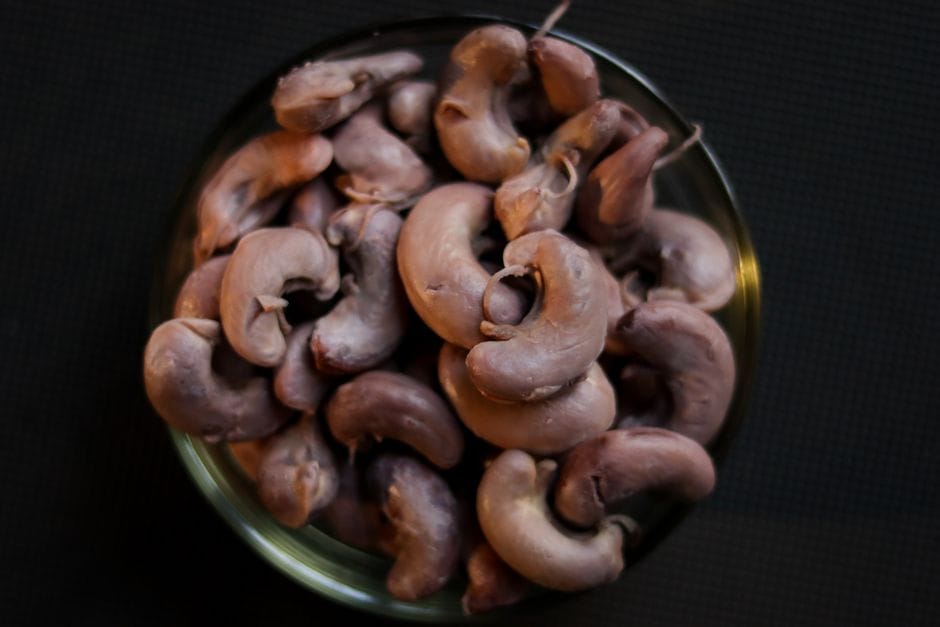
In this guide8
- 01Why soaking cashews matters at all
- 02Method one: the overnight cold soak
- 03Method two: the 15-minute boil hack
- 04What to do if you don't have a high-speed blender
- 05Draining, rinsing, and that cloudy water
- 06How to store soaked cashews (and freeze them)
- 07Putting your soaked cashews to work
- 08The takeaway
I keep a bag of raw cashews in the cupboard the way other people keep flour. They are the single most useful thing in my plant-based kitchen, and almost every good thing I do with them starts the same way: by getting them wet and waiting.
The first time I tried to make a creamy cashew sauce, I skipped the soak entirely. I dumped dry cashews straight into my blender, blasted them with water, and ended up with something that looked like wet sand and tasted vaguely of regret. The flavor was fine.
The texture was gritty enough to scrape the roof of your mouth. I genuinely thought I'd bought a bad bag of nuts.
I hadn't. I'd just skipped the one step that makes cashews behave like dairy. So here's how to soak them properly, both the slow way and the fast way, plus what I've learned the annoying way about draining, storage, and what to do when your blender isn't up to much.
Why soaking cashews matters at all
Cashews are unusual among nuts. They're low in fiber and high in soft, starchy fat, which is exactly why they blend into something so creamy. But that creaminess only fully unlocks when the nut is hydrated.
Dry cashew cells are firm and a little waxy. When you soak them, water seeps in, the cells swell, and the whole nut goes from brittle to pliable. A soaked cashew gives slightly when you press it, almost like a cooked white bean.
That softness is what lets a blender fully break the cells apart and emulsify the fat and water into a smooth cream instead of a grainy paste.
You can confirm this with your own teeth. Bite a dry cashew and it snaps. Bite a properly soaked one and it gives, almost buttery.
That textural shift is the entire point. According to the cashew entry on its botany, the nut's low fiber and high fat content are precisely what make it blend so smoothly once softened, which is why it shows up in so many dairy swaps.
If you want the deep dive on what that smoothness becomes once blended, I wrote a whole separate guide on how to make cashew cream. This piece is about the step before that: getting the nut ready.
Method one: the overnight cold soak
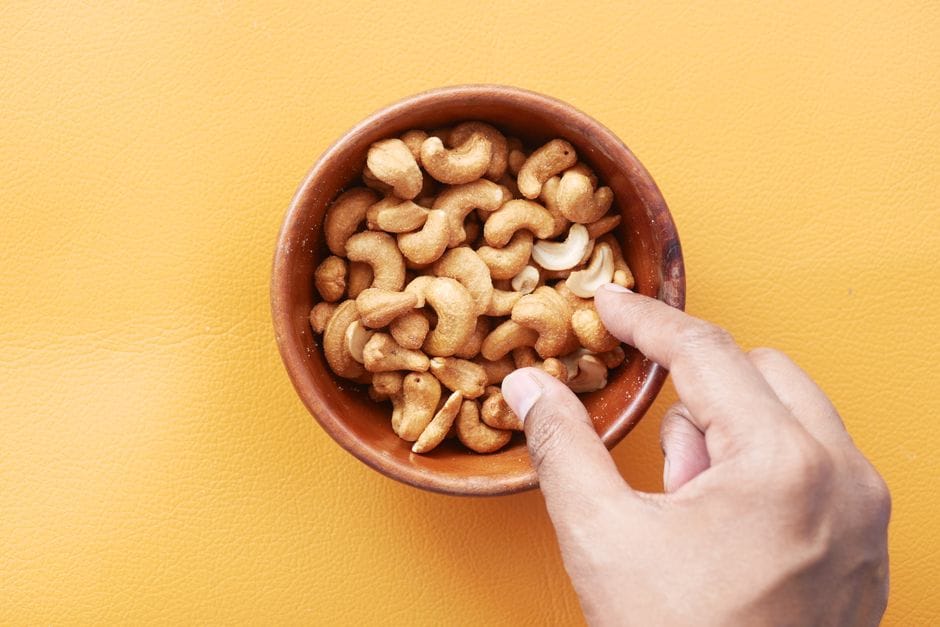 Photo: Towfiqu barbhuiya / Pexels
This is the default, and it's the one I use when I'm even slightly organized.
Put your raw cashews in a bowl. Cover them with cool tap water by at least two inches, because they'll swell and drink up a surprising amount. I usually do one cup of cashews in a bowl with three or four cups of water.
Cover loosely with a plate or a clean towel and leave them on the counter.
Four hours is the minimum for soft. Eight hours, or just plain overnight, is ideal and completely foolproof. I soak mine right before bed and they're ready by breakfast with zero thought required.
A few honest notes from doing this hundreds of times:
- Use cool, not warm, water for the long soak. Warm water plus a long sit on the counter is how you accidentally ferment them. Cool water and time is the safe combination.
- If your kitchen runs hot, soak in the fridge instead. It's slower, so lean toward the full overnight, but you'll never get that sour smell.
- Don't soak in the soaking water you'll blend with. The soak water turns cloudy and slightly bitter. You drain it. More on that below.
- Buy whole raw cashews, not roasted or salted ones. Roasted cashews won't soften the same way and the oils have shifted, so your cream tastes toasty and slightly off. Whole pieces and the cheaper broken "cashew pieces" both soak fine, and the broken ones are a few dollars less per bag if you're only ever blending them.
I usually eyeball quantities, but for reference, one cup of dry raw cashews weighs roughly 140 grams and swells to a little under one and a half cups once soaked. Plan for that growth so you don't run out of bowl, especially if you're batching a big weekend's worth.
The cold soak gives the cleanest flavor and, if I'm being picky, the very smoothest result. But it requires forethought, which brings us to the method I actually use most.
Method two: the 15-minute boil hack
This is the one that saved me on countless weeknights, and it's the answer when you decided to make a cashew sauce twenty minutes ago and have no soaked nuts.
Put your raw cashews in a heatproof bowl. Boil a kettle. Pour the just-boiled water over the cashews until they're well covered, then let them sit for 15 minutes.
That's it. Some recipes tell you to simmer them in a pot on the stove for 10 to 15 minutes instead, and that works too, but I find the kettle-and-bowl version less fussy and the result is identical.
The heat does in 15 minutes what cold water does in 8 hours. It rushes water into the cells and softens them fast. When I run a side-by-side test, boiled cashews blend up maybe 5 percent less silky than a full overnight soak.
In a finished dish, dolloped on tacos or stirred into soup, I genuinely cannot tell them apart, and neither can the people I've fed.
One caution: just-boiled water is properly hot, so let the drained cashews cool for a minute before you handle them, and be careful blending while warm. A blender full of hot liquid can build pressure and pop the lid. Crack the center cap or hold a folded towel over the top and start on low.
If you forget even the 15 minutes, a 5-minute boiling-water soak is better than nothing for a high-speed blender, but it's a real compromise. Give it the full quarter hour if you possibly can.
There's one situation where I actually prefer the boil over the cold soak: when I'm in a hurry and don't want a warm finished sauce. Counterintuitively, the boil softens the nuts fast and then a quick rinse under cold water cools them right back down, so I'm blending room-temperature cashews five minutes later.
The cold soak takes all night but leaves you blending cold nuts too. Either way, you control the final temperature at the rinse, not the soak.
What to do if you don't have a high-speed blender
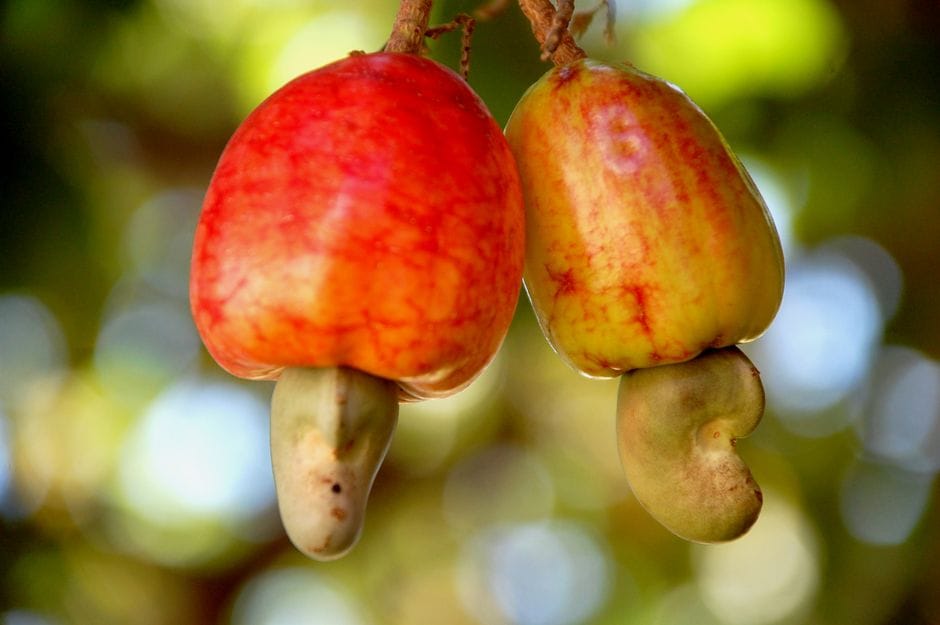 Photo: Biggo Alves / Pexels
This is the part most recipes skip, and it's the part that matters most if your kitchen doesn't have a Vitamix on the counter. A good soak partly compensates for a weak blender, so soaking gets more important, not less, when your equipment is humble.
Here's my honest ranking of what to do with a basic blender or even an immersion blender:
- Soak longer, not shorter. For a standard countertop blender, give cashews the full overnight cold soak or a generous 20-minute boil. The softer they are, the less your motor has to do.
- Blend in stages with patience. Run it for 30 seconds, stop, scrape the sides down, add a splash more water if it's straining, and go again. Two or three minutes of stop-and-scrape gets a regular blender remarkably close to smooth.
- Use a little more water. A thinner mixture moves through a weak blender far better than a thick one. You can always cook some of the water back out later if you need it thicker.
- A food processor will not get you cream. It gets you a decent paste, which is fine for things like a cashew cheese spread but not for anything you want pourable. Know the limit going in.
When I traveled with only a cheap blender for a month, the overnight soak plus the stop-and-scrape routine was the difference between usable cream and grainy disappointment. The technique carried the equipment.
Draining, rinsing, and that cloudy water
Drain your soaked cashews in a colander or fine sieve, then rinse them well under cool running water. Do not skip the rinse.
The soaking water pulls out some of the cashews' natural compounds and goes cloudy, slightly tan, and a touch bitter. Blending with it gives a duller, more "beany" flavor. Rinsing and blending with fresh water gives you the clean, mild taste that makes cashews disappear so beautifully into both savory and sweet dishes.
For the cold soak especially, give the rinse a few extra seconds until the water running off runs clear. For the boil method, rinsing also cools the nuts down to a safer handling temperature, which is a nice bonus.
One more thing worth knowing: a small amount of foam or fine sediment in the soak bowl is completely normal and not a sign anything is wrong. Sour smell, sliminess, or a gray cast is the sign to start over. Trust your nose here.
How to store soaked cashews (and freeze them)
Soaking a big batch ahead is one of the better small habits I've built, so here's how to keep them.
In the fridge: drained, rinsed soaked cashews keep in a sealed container in the fridge for about 3 days. After that they start to smell off. I soak a double batch on Sunday and pull from it through midweek.
In the freezer: this is the real trick. Drained soaked cashews freeze beautifully for up to 3 months. Spread them on a tray to freeze loose, then bag them, and you can grab a handful straight into the blender whenever you want cream, no planning required.
Frozen-then-thawed cashews actually blend a touch softer because the freezing ruptures more cell walls. It's a genuine upgrade, not a compromise.
I almost always keep a bag of pre-soaked frozen cashews going now. It turns a make-cashew-cream-from-scratch project into a five-minute job, which is the whole reason cashews earned permanent cupboard real estate in my kitchen. They're a backbone of any well-built vegan pantry, right next to the canned chickpeas and the nutritional yeast.
Putting your soaked cashews to work
Once they're soaked and rinsed, the cashews are a blank, creamy canvas. A few of my most-used directions:
- Cashew cream and sour cream. The classic. Blend with water, salt, and a squeeze of lemon for a tangy vegan sour cream that I genuinely prefer to the dairy version on tacos and baked potatoes.
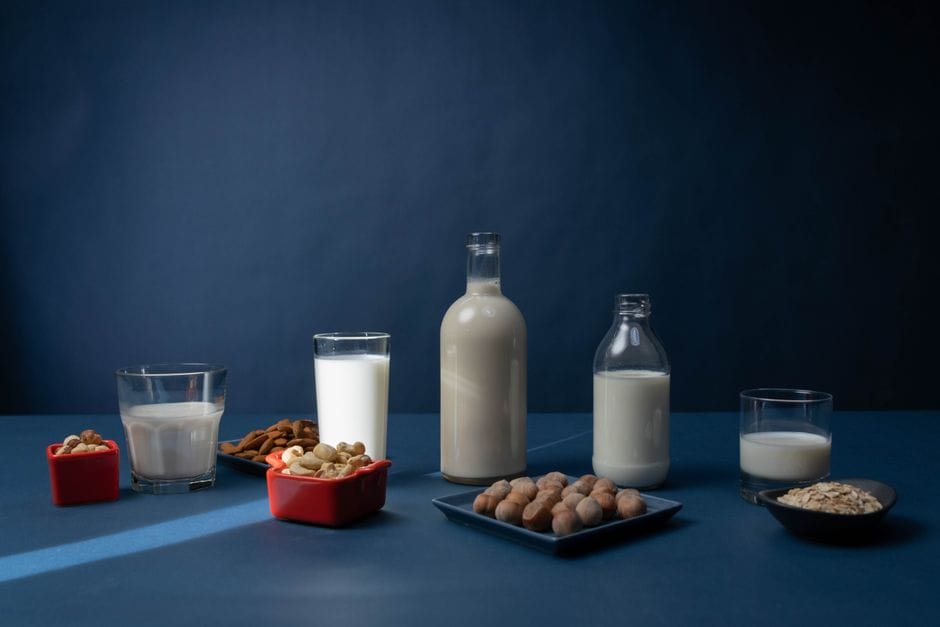
- Cashew milk. Thin it way down for a rich, no-strain cashew milk that's creamier than most cartons and takes about two minutes once the soaking is done.
- Cheese sauces and dips. Blend with nutritional yeast, lemon, and a little garlic for queso, nacho sauce, or a cheese spread. This is where soaked cashews earn their keep.
If you're ever unsure whether a packaged cashew product or a flavored variety is actually plant-based, our Is It Vegan database and the vegan ingredient checker are quick ways to check before you buy. Plain raw cashews are about as straightforwardly vegan as ingredients get, but flavored and roasted blends sometimes sneak in dairy or honey.
And if you're building out a roster of dairy swaps, the broader substitutes hub is a good map of where cashews fit alongside coconut, tofu, and oats.
The takeaway
Soaking cashews is the least glamorous step in plant-based cooking and the one that quietly decides whether your cream is silky or sandy. You have two reliable options and almost no reason to ever skip it: an overnight cold soak when you've planned ahead, or a 15-minute boiling-water soak when you haven't. Drain, rinse with fresh water, and blend.
Do that, and the gritty wet-sand disaster I made on day one becomes physically hard to recreate. Keep a bag of pre-soaked cashews in the freezer and you remove even the waiting. That's the whole secret, and once it's a habit, you'll wonder why anyone treats cashew cream like a special-occasion project.
Frequently asked questions
How long do you need to soak cashews?+
For a cold soak, 4 to 8 hours covers it, and overnight is the easy default. If you forgot to plan ahead, the 15-minute boil method gets you the same blend-ready softness. The only soak I'd avoid is the half-hearted 30 minutes in cold water, which softens the outside but leaves the center firm enough to blend gritty.
Can you soak cashews too long?+
Yes, and it's mostly a smell-and-safety thing rather than a texture one. Cashews left in room-temperature water past about 12 hours start to ferment slightly and can smell sour or yeasty. If you need a longer head start, soak them in the fridge, where they're fine for up to 2 days. When in doubt, drain, rinse, and sniff. Sour or slimy means start over.
Do I have to soak cashews if I have a Vitamix?+
Not strictly, but I still do for anything I want truly silky, like cashew cream or a cheese sauce. A high-speed blender can muscle through dry cashews, but soaked ones blend faster, with less heat, and finish noticeably smoother. For chunkier uses like pesto or trail mix, skip the soak entirely. Soaking is about smoothness, not a rule.
What water should I use to soak cashews, and do I salt it?+
Plain cool tap water is fine for the cold soak, and just-boiled water for the fast method. You don't need salt, baking soda, or vinegar, despite what some recipes claim. A pinch of salt in the soak is harmless and some people feel it improves digestibility, but it won't change the blend. The one thing that matters is draining and rinsing well before you blend.
Written by
VeganDigest Editorial is the small independent team that researches and fact-checks this site. We are not doctors or dietitians. For every is-it-vegan verdict we read the product's current ingredient list and manufacturer information, and for anything health-related we report guidance from recognized bodies such as the NHS, the Vegan Society, and the Academy of Nutrition and Dietetics rather than offering medical advice. Every page shows the date it was last verified, and our full process is on the How We Verify page.
Comments