Is Carmine Vegan? The Insect Red Dye Hiding in Your Food

In this guide5
No, carmine is not vegan. It is a red dye made from the dried and crushed bodies of cochineal insects, meaning every product that contains it is colored with an animal-derived ingredient. Carmine goes by several names on ingredient labels, hides in foods that most people would never suspect, and appears in hundreds of cosmetics marketed as using "natural" color. If you are following a vegan diet or lifestyle, carmine is one of the most important non-obvious ingredients to learn to recognize.
What Is Carmine?
Carmine is a bright crimson pigment extracted from the cochineal insect (Dactylopius coccus), a tiny scale bug native to South America and Mexico that spends its life feeding on prickly pear cactus. The insect produces carminic acid in its body as a defense against predators, and that acid makes up roughly 17 to 24 percent of the insect's dry weight.
To harvest the dye, insects are brushed off cactus plants, killed by heat or sunlight, dried, and then ground into a fine powder. The carminic acid is extracted with water, then mixed with aluminum or calcium salts to form the final carmine pigment. According to food science sources, it takes roughly 70,000 insects to produce just one pound of dye, or around 155,000 insects per kilogram.
The substance is one of the oldest red colorants in the world, used for centuries before synthetic dyes existed. Today it is prized by food and cosmetics manufacturers because it produces a vivid, stable red that does not fade easily and is classified as a "natural" color under food regulations.
Is Carmine Vegan? Why It Is Not
Carmine is unambiguously not vegan. Veganism means avoiding the exploitation of and harm to animals, and carmine production kills insects at an enormous scale, entirely for the purpose of coloring food and cosmetics.
The question of whether insects can suffer is one that science continues to explore. A growing body of research suggests that insects do have nociceptive systems (the biological structures involved in responding to harmful stimuli) and may experience something analogous to pain. From a precautionary standpoint, most vegan organizations take a clear position: because carmine requires the deliberate killing of living creatures at a scale of billions each year, it falls outside the bounds of vegan ethics.
Carmine is also not vegetarian. It is an animal-derived ingredient in the most direct sense, taken from the body of an insect. The fact that it is labeled "natural" does not change what it is.
Where Carmine Hides in Food and Everyday Products
Carmine's most surprising quality is where it appears. Many foods colored with it are marketed as wholesome or even health-conscious, and the word "natural" on a label can be a signal to look closer, not a reassurance.
Dairy and chilled foods: Strawberry, cherry, and raspberry yogurts are among the most common sources. Fruit-flavored ice creams, smoothies, and flavored milk drinks also frequently use carmine for their pink and red tones.
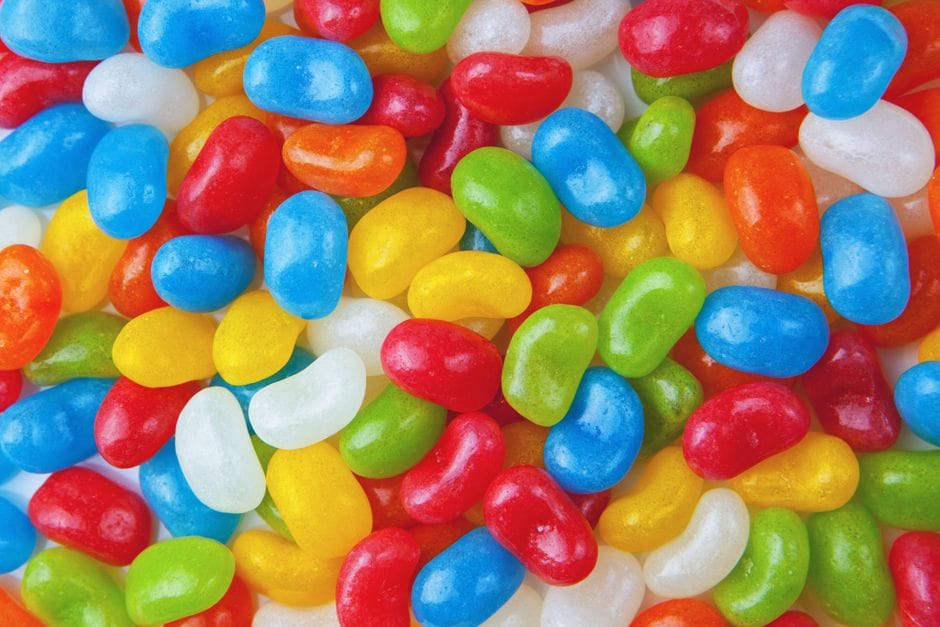
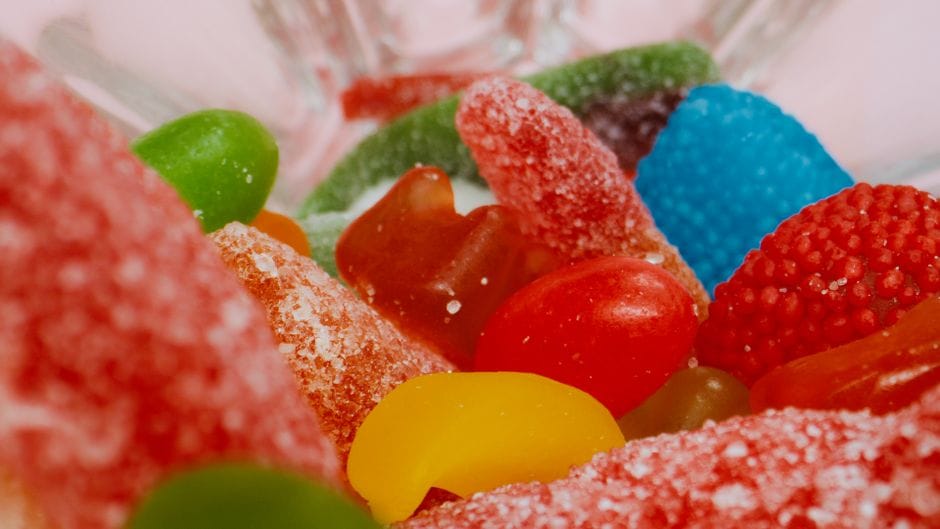
Confectionery: Red and pink candies, gummy sweets, maraschino cherries, and some coated chocolates can all contain carmine.
Juices and beverages: Certain fruit punches, ruby grapefruit juices, and flavored drink products use carmine to achieve or deepen their red color.
Processed foods: Imitation crab meat (surimi), some deli meats, and red velvet baked goods are additional sources that catch many people off guard.
Supplements and medications: Some multivitamin tablets, particularly women's formulas, use carmine in their coatings or fillers. Pharmaceutical capsule coatings are another place it appears without obvious disclosure.
Cosmetics and personal care: Lipstick, lip gloss, blush, eyeshadow, and some hair and skin care products are heavily reliant on carmine. It is especially widespread in red and pink lipstick shades.
How to Spot Carmine on Labels
Regulators in different regions require different names, which is part of why carmine is so easy to miss.
On US food labels: The FDA requires the label to say either "carmine" or "cochineal extract." Before 2011, manufacturers were allowed to hide it under vague terms like "natural color" or "color added," but that loophole was closed.
On EU food labels: Carmine must be declared as E120, or as "cochineal," "carminic acid," or "carmines."
On cosmetics (INCI notation): Look for "CI 75470" or "Natural Red 4." These are the standardized International Nomenclature of Cosmetic Ingredients names and appear on beauty and personal care products worldwide.
Other names you may encounter: Crimson Lake, Carminic Acid, and C.I. 75470.
The practical rule is this: whenever a food, drink, or cosmetic is an intense red, pink, or raspberry color and lists any "natural color" or "natural colorant" without a specific name, check the full ingredient list carefully. Any of the names above confirms that carmine is present.
Vegan Alternatives to Carmine
The good news is that strong plant-based red colorants exist, and food manufacturers are adopting them as demand for vegan and clean-label products grows.
Beetroot extract (betalains): Red beet produces a vivid red-purple pigment that works well in dairy alternatives, smoothie mixes, protein drinks, and confectionery. It is heat-sensitive, so it is less suited to baked goods, but for cold and ambient applications it is the most accessible and widely available carmine substitute.
Lycopene: Derived from tomatoes, watermelon, and other fruits, lycopene produces a stable red-to-orange color and is certified vegan, kosher, and halal. Products using it appear on labels as "tomato concentrate" or "tomato lycopene color." It handles heat and high-fat applications better than beetroot and is approved for use in beverages, yogurt, ice cream, and confectionery.
Anthocyanins: Extracted from black carrots, purple corn, elderberries, or red grapes, anthocyanins produce red and purple tones that perform well in acidic environments such as soft drinks and fruit juices.
Annatto and paprika extract: These provide orange-to-red hues for savory applications and are entirely plant-derived.
For cosmetics, a growing number of brands now formulate explicitly without carmine. When shopping for lipstick or blush, looking for a certified vegan logo or checking the INCI list for CI 75470 are the fastest ways to verify.
Frequently asked questions
Is carmine the same as Red 40?+
No, they are completely different substances. Carmine (E120) comes from crushed cochineal insects and is animal-derived. Red 40 (also called Allura Red) is a synthetic dye made from petroleum-derived compounds, with no insect or animal content. Red 40 is considered vegan, though some vegans avoid all artificial dyes for other reasons.
Is carmine always listed on food labels?+
In the United States and the European Union, yes. US law requires carmine to be declared by name as "carmine" or "cochineal extract" on food labels. EU law requires it to appear as E120 or by its full name. Cosmetics use the INCI names CI 75470 or Natural Red 4. Before 2011 in the US, manufacturers could hide it under "natural color," but that is no longer permitted.
Can carmine appear in products labeled "natural"?+
Yes, and this is one of the most common traps for vegans. Carmine is technically a natural colorant because it comes from an insect, so manufacturers are permitted to use the word "natural" on packaging even when carmine is the coloring agent. A "natural" or "naturally colored" label is not a vegan guarantee. Always read the full ingredient list.
Is cochineal the same as carmine?+
They come from the same insect but refer to slightly different things. Cochineal (or cochineal extract) is the raw extract from dried and ground insects, containing carminic acid along with other compounds. Carmine is the more refined, purified pigment produced by mixing carminic acid with aluminum or calcium salts. Both are animal-derived and neither is vegan. On US labels you will see both terms used.
Written by
VeganDigest Editorial is the small independent team that researches and fact-checks this site. We are not doctors or dietitians. For every is-it-vegan verdict we read the product's current ingredient list and manufacturer information, and for anything health-related we report guidance from recognized bodies such as the NHS, the Vegan Society, and the Academy of Nutrition and Dietetics rather than offering medical advice. Every page shows the date it was last verified, and our full process is on the How We Verify page.

Comments