Is Cheese Vegan? Why Regular Cheese Fails the Test (and What to Eat Instead)
In this guide6
Regular cheese is not vegan. It is made from animal milk and frequently contains animal rennet, an enzyme extracted from the stomach lining of slaughtered calves, making it off-limits under any standard vegan definition. The good news is that the vegan cheese market has matured dramatically, and today you can find plant-based versions of nearly every style, from melty shreds to aged wedges.
What Is Cheese and How Is It Made?
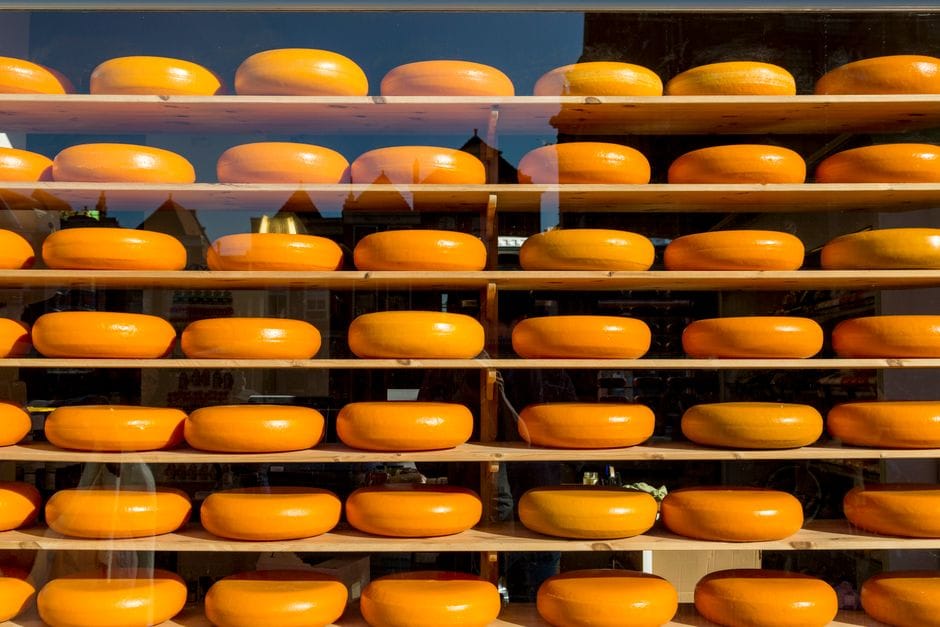
Traditional cheese begins with milk, almost always from cows, goats, or sheep. Cheesemakers add a coagulant to separate the milk into curds and whey. The curds are then pressed, salted, and aged to produce the hundreds of cheese styles sold worldwide.
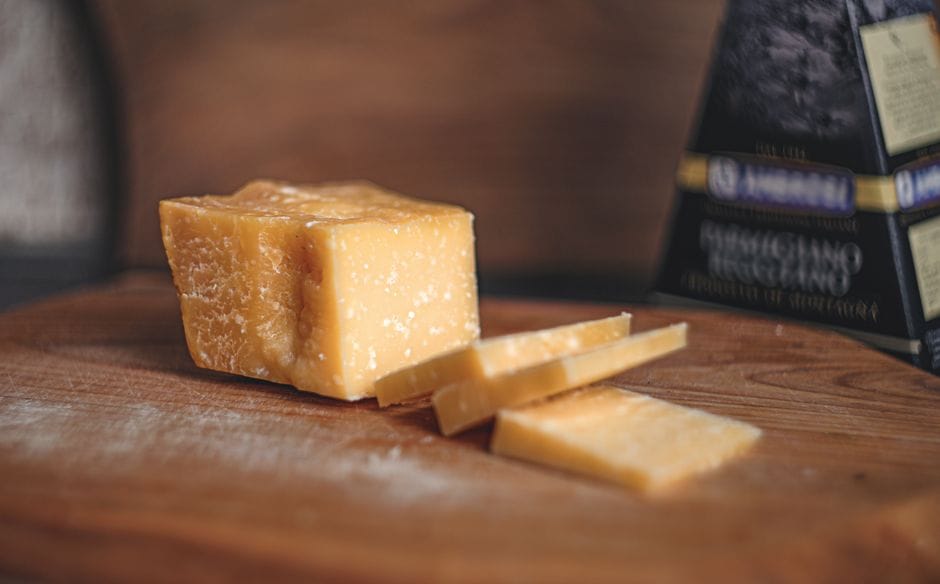
The coagulant is where things get complicated. Historically, and still in many artisan cheeses today, that coagulant is animal rennet: an enzyme complex drawn from the stomach lining of young ruminants, typically calves. According to the Vegetarian Resource Group, animal rennet was once the industry standard, and while fermentation-produced alternatives now dominate commercial production, animal rennet still appears regularly in traditional hard cheeses such as Parmesan (Parmigiano-Reggiano by EU law requires it), aged Manchego, and Pecorino Romano.
Beyond rennet, cheese also contains casein, the primary milk protein responsible for its structure and texture. Casein is an animal-derived ingredient that disqualifies any dairy cheese from a vegan diet.
Why Cheese Is Not Vegan
The Vegan Society defines veganism as a way of living that seeks to exclude all forms of exploitation of animals. Dairy milk production involves keeping cows in a cycle of repeated pregnancies so they continue to lactate. Their calves are separated from them shortly after birth, and male calves are typically sold into the veal or beef industry. Cows who can no longer produce milk profitably are sent to slaughter.
This means that every block of dairy cheese carries two layers of animal exploitation:
- Milk itself comes from cows whose reproductive cycles are managed for human benefit, and whose calves are routinely removed.
- Animal rennet involves the direct slaughter of young animals to harvest stomach enzymes.
Even cheeses that swap animal rennet for microbial or vegetable alternatives are still made from dairy milk and therefore remain non-vegan. They may be labeled "vegetarian cheese" (see the next section), but that is a different category entirely.
One additional trap for careful readers: some plant-based "cheese alternatives" sold in the 1990s and 2000s were made with casein, a milk protein, to improve melt. A product can be labeled "dairy-free" or "lactose-free" while still containing casein. Always check the full ingredient list.
Vegetarian Cheese vs. Vegan Cheese: The Difference That Matters
The phrase "vegetarian cheese" appears on many supermarket labels and causes genuine confusion. Here is what it actually means:
Vegetarian cheese is still made from animal milk. The "vegetarian" designation signals only that the rennet used is not from a slaughtered animal. Cheesemakers use one of three alternatives:
- Microbial rennet: Derived from mold fermentation (commonly Rhizomucor miehei). It accounts for roughly 25 percent of U.S. cheese production.
- Fermentation-produced chymosin (FPC): Made via genetically modified microorganisms and representing around 70 percent of all U.S. cheese today, according to the Vegetarian Resource Group.
- Vegetable rennet: Extracted from plants such as cardoon thistle, used in some traditional European cheeses.
All three rennet alternatives allow lacto-vegetarians to eat the cheese, but none of them make it vegan. The milk itself is still an animal product.
Vegan cheese contains no animal milk, no rennet of any kind, and no animal-derived ingredients whatsoever. It is built entirely from plant ingredients and is suitable for vegans, dairy-free eaters, and anyone with a milk allergy.
Vegan Cheese Brands Worth Knowing
The plant-based cheese category has grown rapidly. Here are established brands making fully vegan products:
Violife (violife.com) is one of the most widely available brands in both the U.S. and Europe. Their products, including cheddar shreds, mozzarella shreds, feta-style blocks, and cream cheese, are made primarily from coconut oil, potato starch, and rice starch, with no dairy, no soy, and no nuts. Violife products carry Vegan Society certification and are non-GMO project verified.
Miyoko's Creamery (miyokos.com) produces cashew milk-based cheeses and butters, all certified vegan. Their cultures are proprietary vegan cultures containing no animal products, and their cashews are certified organic.
Treeline (treelinecheese.com) makes artisanal cashew-based cheeses that are 100 percent vegan, gluten-free, soy-free, sesame-free, and non-GMO. They manufacture in a dedicated facility that never shares equipment with dairy products.
Daiya offers widely available shreds, slices, and blocks, many made with coconut oil or oat milk for a melty texture. Their products are commonly found at mainstream grocery stores.
Follow Your Heart produces vegan slices and shreds that are particularly well regarded for melting behavior, making them a popular choice for sandwiches and burgers.
For aged and artisan styles, the Vegan Cheese Awards 2025 (vegancheese.co) highlights category winners annually and is a useful resource for finding newer producers.
How to Read a Cheese Label as a Vegan
Cheese labels are not always written with vegan shoppers in mind. Here is what to check:
Look for dairy in any form. The ingredients must list no milk, cream, whey, casein, or lactose. Even "dairy-free" on the front of the package does not guarantee the product is casein-free, so scan the full ingredient panel.
Check the allergen statement. U.S. labeling law requires dairy to appear in the "Contains" allergen statement if it is present anywhere in the product, including as a processing aid. If you see "Contains: milk," the product is not vegan.
Understand what "enzymes" means. On conventional dairy cheese labels, the word "enzymes" without further qualification often means animal rennet. The source is not legally required to be disclosed, so if you are trying to assess a dairy cheese for vegetarian (not vegan) use, contact the manufacturer directly or look for labels that specifically state "vegetarian enzymes," "microbial enzymes," or "vegetable rennet."
For vegan cheese products, look for explicit "vegan" labeling or Vegan Society certification. Brands like Violife carry the Vegan Society trademark, which requires third-party verification of the full supply chain.
Avoid "may contain milk" products if you have a dairy allergy, though for ethical vegan purposes, the ingredient list itself is the key check.
Vegan Alternatives to Common Cheese Uses
If you are transitioning away from dairy cheese, matching the right vegan product to the right application makes a significant difference:
- Melting on pizza or sandwiches: Violife mozzarella shreds or Follow Your Heart slices melt reliably. Daiya oat milk-based shreds also perform well under heat.
- Cream cheese on bagels or in dips: Miyoko's Classic Cashew Milk Cream Cheese and Violife Supreme Cream Cheese are both widely available and close in texture to their dairy counterparts.
- Parmesan-style topping: Treeline makes a cashew-based aged variety; Violife produces a "Just Like Parmesan" wedge made from potato and rice starch.
- Snacking and charcuterie boards: Treeline's artisan cashew rounds and Miyoko's aged wheels are designed for slicing and pairing.
- Cooking in sauces: Nutritional yeast provides a savory, cheesy flavor without any dairy and is a staple in vegan cheese sauces. See our guide to vegan cheese sauce for a practical starting point.
Vegan cheese has come a long way from the rubbery early products. Start with brands that carry Vegan Society certification, match the product to the specific use case (melt vs. slice vs. spread), and you will find options that genuinely satisfy.
Frequently asked questions
Is all cheese non-vegan?+
Yes. Any cheese made from animal milk (cow, goat, sheep, or buffalo) is not vegan, regardless of which rennet was used. Even cheeses labeled "vegetarian" because they use non-animal rennet still contain dairy milk and are therefore excluded from a vegan diet.
What about cheese labeled 'dairy-free'?+
Dairy-free cheese products are made without milk, but you should still verify the full ingredient list. Some older or budget dairy-free products contain casein, a milk protein added to improve melt, which makes them non-vegan. Check the allergen statement: if it says 'Contains: milk,' the product is not vegan.
Is mozzarella vegan?+
Traditional mozzarella is made from cow's milk or, in the case of buffalo mozzarella (mozzarella di bufala), from water buffalo milk. Neither is vegan. Vegan mozzarella alternatives exist from brands such as Violife and Miyoko's Creamery, both of which make plant-based versions that melt well on pizza.
Is Parmesan vegan?+
No, and Parmesan is one of the least vegan-friendly cheeses. Authentic Parmigiano-Reggiano is protected by EU designation of origin rules that require the use of animal rennet, making it non-vegan and even non-vegetarian. Vegan Parmesan alternatives are available from Violife (a coconut and starch-based wedge) and Treeline (a cashew-based version).
Written by
VeganDigest Editorial is the small independent team that researches and fact-checks this site. We are not doctors or dietitians. For every is-it-vegan verdict we read the product's current ingredient list and manufacturer information, and for anything health-related we report guidance from recognized bodies such as the NHS, the Vegan Society, and the Academy of Nutrition and Dietetics rather than offering medical advice. Every page shows the date it was last verified, and our full process is on the How We Verify page.
Comments