Vegan Cheese Sauce (Cashew or Potato-Carrot, Pourable)
 Jump to recipe ↓
 In this guide5
This vegan cheese sauce genuinely works, and the secret is simpler than most people expect: raw cashews blended with nutritional yeast, a splash of lemon juice, and warm water create a sauce that pours, coats, and satisfies in a way that feels unmistakably cheesy. It takes about 15 minutes from start to finish and scales up easily for a crowd.
There are two reliable paths to get there. The cashew-based version is richer and creamier, ideal for nachos and pasta alike. The potato-carrot version skips the nuts entirely, costs almost nothing to make, and is naturally lower in fat while still pulling off that golden, clingy sauce texture. Both are 100 percent plant-based, both are genuinely good, and this guide covers both so you can use whichever fits your pantry.
Why This Sauce Actually Tastes Cheesy
The flavor is built from a few non-negotiable elements working together. Nutritional yeast is the backbone. It is a deactivated yeast with a deeply savory, umami-rich flavor that most people describe as nutty and cheesy without prompting. It also carries B vitamins and adds body to the sauce. On its own, nutritional yeast tastes flat, which is why the other components matter.
Acid sharpens everything. A tablespoon of lemon juice mimics the tang of aged cheese and brightens the nutritional yeast from dull to lively. Without it, the sauce tastes one-dimensional.
Turmeric does two jobs: a small pinch (about a quarter teaspoon) gives the sauce that golden-yellow color people associate with cheddar, and it contributes a faint earthiness that reinforces the cheesy illusion. It does not make the sauce taste like turmeric in any detectable way at this amount.
Garlic powder and onion powder round out the savory base. Fresh garlic works but can turn sharp when blended raw, so the powder gives a more consistent, mellow result. Salt is not optional; under-seasoned vegan cheese sauce tastes like blended cashews, not like sauce.
The fat in cashews coats the palate the way dairy fat does, which is why cashew-based sauce feels genuinely rich. The starch in boiled potato creates a similar body through a completely different mechanism, which is why the nut-free version still holds together.
Ingredients and What Each One Does
Raw cashews (1.5 cups): These must be raw, not roasted. Roasted cashews have a distinct nutty flavor that dominates the final sauce. Raw cashews blend into a neutral, creamy base. Soak them in hot water for at least 30 minutes (or overnight in cold water) to ensure they blend fully smooth. A high-powered blender can handle a 5-minute hot soak, but for a standard blender, longer soaking prevents grittiness.
Nutritional yeast (3 tablespoons for cashew version): Start with 3 tablespoons and taste. If you want a stronger cheesy flavor, add more one tablespoon at a time. Different brands vary in intensity, so tasting is essential here.
Water or vegetable broth (3/4 cup, adjusted for consistency): Start with 3/4 cup, then add more to reach a pourable consistency. Broth adds depth; water keeps the flavor clean and neutral.
Lemon juice (1 tablespoon): Fresh is noticeably better than bottled. This is the sharpness that makes the sauce taste alive.
Garlic powder (1/2 teaspoon) and onion powder (1/2 teaspoon): Do not substitute fresh here unless you want to saute the garlic and onion first. Raw blended garlic can turn bitter over time in stored sauce.
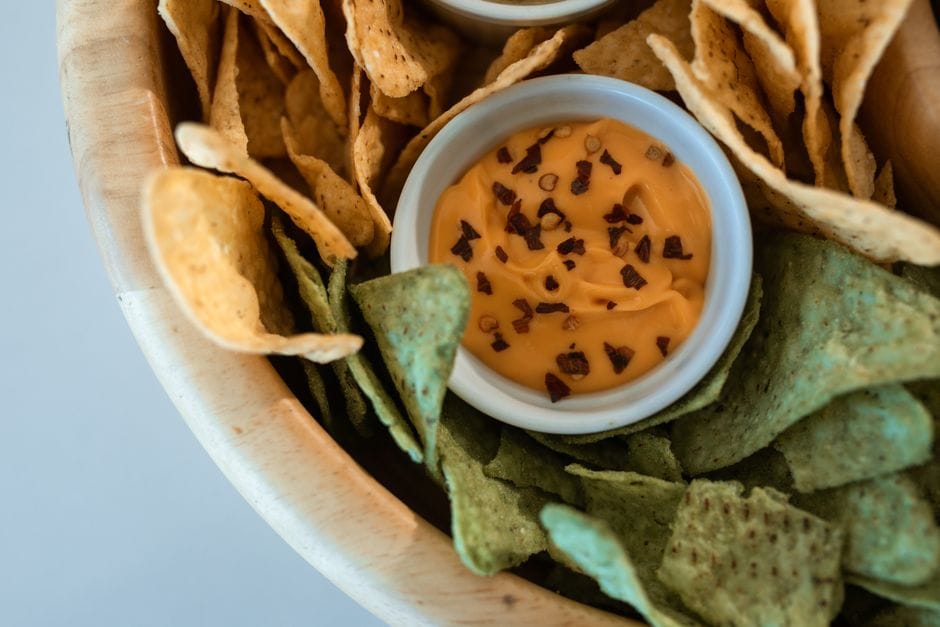
Turmeric (1/4 teaspoon): For color primarily. Smoked paprika (1/2 teaspoon) layers in additional complexity if you want a richer, slightly smoky flavor, and it reinforces the golden color.
Salt (1/2 teaspoon, or to taste): Season generously. Underseasoning is the most common reason a vegan cheese sauce falls flat.
Method Tips for a Smooth, Pourable Result
Soaking is the most skipped and most important step. Pour boiling water over the raw cashews and let them sit for at least 30 minutes. Drain and discard the soaking water before blending. This softens the cashews so the blender can fully break them down into a silky, uniform texture rather than leaving tiny gritty specks.
Blend longer than you think you need to. Start on low to combine everything, then increase to high and blend for a full 60 to 90 seconds. Stop, scrape the sides, and blend again. The texture should be completely smooth, with no visible cashew pieces. If you press a bit between your fingers, it should feel like cream, not cream with sand.
The sauce thickens as it warms. This is the most practically important thing to know. When you blend it, aim for a consistency slightly thinner than you actually want. When you warm it on the stovetop over medium-low heat, or pour it over hot pasta, it will thicken noticeably. If it gets too thick in the pan, whisk in a splash of water or broth.
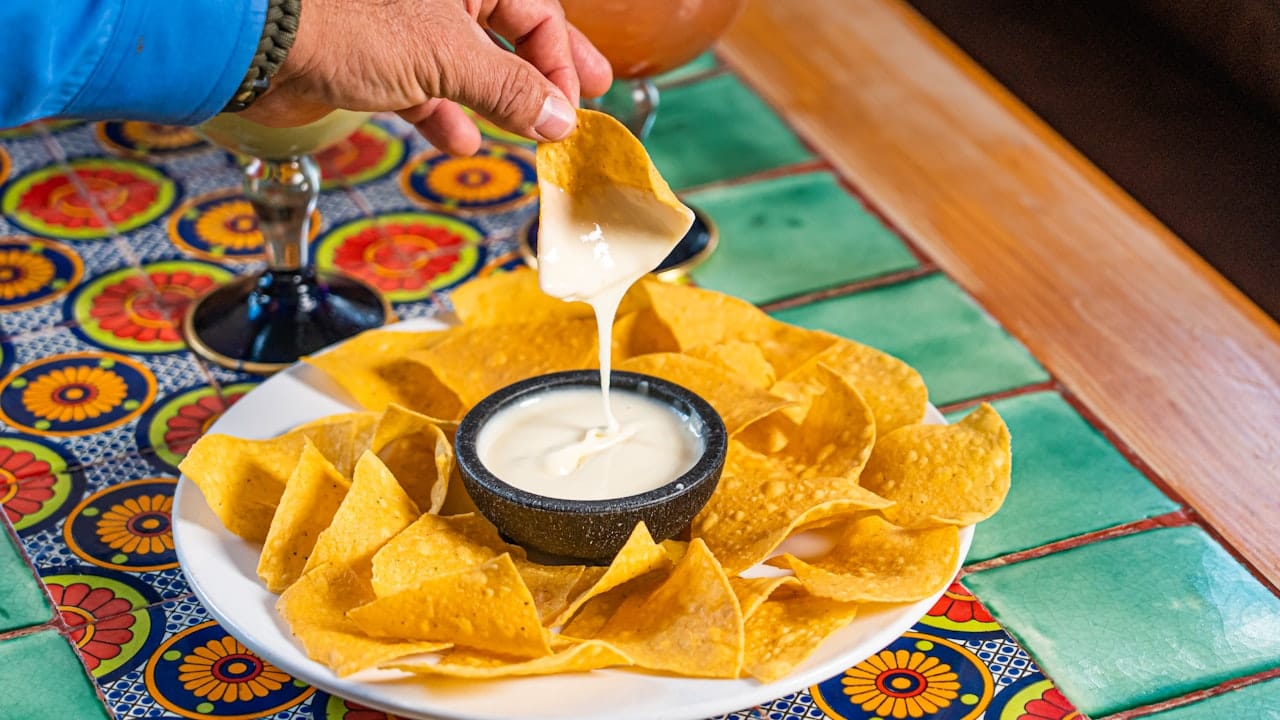
For nachos: Warm the sauce in a small saucepan over medium-low heat, whisking constantly. Serve immediately and keep it warm in the pan if needed, as it thickens quickly once it stops moving.
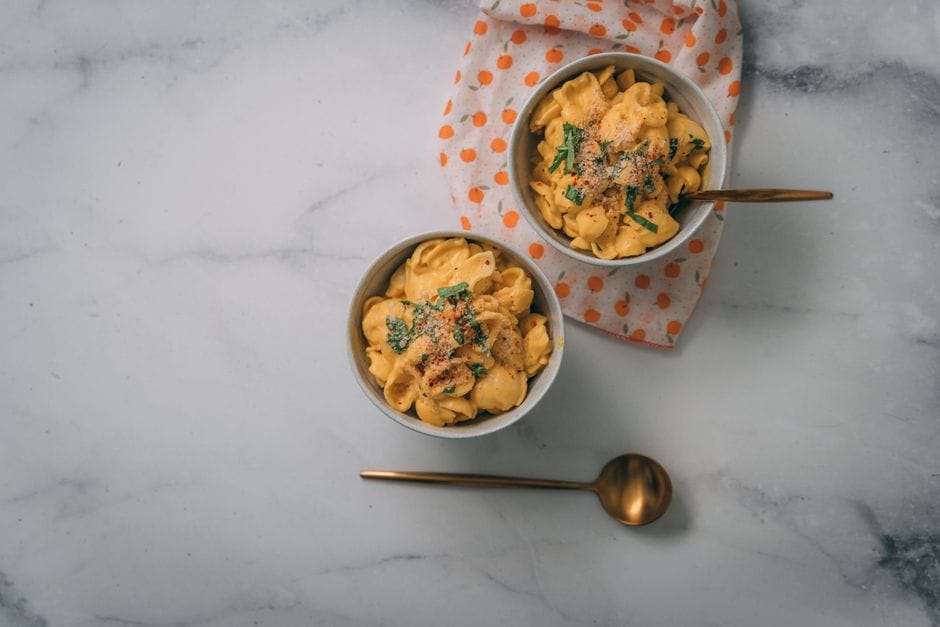
For pasta: Reserve about half a cup of pasta cooking water before draining. Toss the hot drained pasta with the cashew cheese sauce and add spoonfuls of the starchy pasta water to loosen and emulsify.
The Potato-Carrot Variation (Nut-Free)
The nut-free version uses about 1.5 cups of peeled, roughly chopped russet or Yukon gold potato combined with 1 cup of peeled, chopped carrots. Add them to a pot, cover with water, bring to a boil, and cook for 10 to 15 minutes until completely fork-tender. Drain, then transfer immediately to a blender (the residual heat means you do not need to heat the sauce separately).
Add 1/2 cup nutritional yeast, 1 tablespoon lemon juice, 1/2 teaspoon garlic powder, 1/2 teaspoon onion powder, 1/2 teaspoon smoked paprika, 1 teaspoon salt, and 1 to 1.5 cups of warm water or unsweetened plant milk. Blend until completely smooth, adjusting liquid for your preferred thickness.
The potato provides starch and creaminess, and the carrot provides that golden color. This version is oil-free and nut-free by default, and the texture is slightly different from cashew, more like a béchamel in consistency, with a bit more body and less richness. It holds its color and flavor extremely well when reheated, possibly better than the cashew version.
For a tex-mex variation, stir in one 4-ounce can of diced green chiles after blending and add a pinch of cumin. This works particularly well for nachos and burritos.
How to Store and Use It
Refrigerating: Both versions keep well in a sealed container in the refrigerator for up to 5 days. The sauce will thicken considerably when cold. Reheat gently in a small saucepan over low heat, whisking and adding a splash of water or plant milk to loosen it back to a pourable consistency. Do not bring it to a rolling boil or it can separate.
Freezing: Both versions freeze well. Pour into an ice cube tray to freeze in portions, then transfer the cubes to a freezer bag. This makes it easy to thaw exactly as much as you need. Thaw in the refrigerator overnight, then warm and whisk before serving.
Uses beyond nachos and pasta: Drizzle over roasted broccoli or cauliflower, use as a dipping sauce for soft pretzels, spread over baked potatoes, stir into cooked rice or farro, or use as the base for a baked mac and cheese by tossing with cooked pasta, pouring into a baking dish, topping with breadcrumbs, and baking at 375 degrees F for about 20 minutes until golden on top.
One thing to avoid: Do not reheat repeatedly. Each reheat-and-cool cycle degrades the texture. Portion out what you need for a meal and reheat only that portion.
The recipe
Cashew Vegan Cheese Sauce
Prep
35 min
Cook
5 min
Makes
about 8 servings (approximately 2 tablespoons each)
Ingredients
- 1.5 cups raw cashews
- 3/4 cup water (plus more to adjust consistency)
- 3 tablespoons nutritional yeast
- 1 tablespoon fresh lemon juice
- 1/2 teaspoon garlic powder
- 1/2 teaspoon onion powder
- 1/4 teaspoon turmeric
- 1/2 teaspoon smoked paprika (optional, for deeper color and flavor)
- 1/2 teaspoon fine sea salt, or to taste
- Pinch of black pepper
Instructions
- 1 Place the raw cashews in a bowl and pour enough boiling water over them to submerge by at least 1 inch. Let soak for 30 to 60 minutes, then drain and discard the soaking water. (If you have a high-powered blender such as a Vitamix, a 10-minute hot soak is sufficient.)
- 2 Add the drained cashews to a blender along with 3/4 cup fresh water, nutritional yeast, lemon juice, garlic powder, onion powder, turmeric, smoked paprika if using, salt, and black pepper.
- 3 Blend on high speed for 60 to 90 seconds until completely smooth and creamy. Stop once to scrape down the sides, then blend again. The texture should be silky with no visible cashew pieces.
- 4 Taste and adjust seasoning. Add more salt for overall flavor, more lemon juice for sharpness, more nutritional yeast for a stronger cheesy flavor, or more water one tablespoon at a time to thin to your desired consistency.
- 5 For nachos: Transfer to a small saucepan and warm over medium-low heat, whisking constantly, for about 3 to 5 minutes. Serve immediately.
- 6 For pasta: Toss the sauce directly with hot, freshly drained pasta. Add reserved pasta cooking water a few tablespoons at a time to loosen the sauce and coat the noodles evenly.
Notes
- ·The sauce thickens significantly as it warms and as it cools. Blend it slightly thinner than your target consistency and let the heat do the thickening.
- ·For the nut-free potato-carrot version: boil 1.5 cups chopped russet potato and 1 cup chopped carrot until fork-tender (about 12 to 15 minutes), drain, and blend with 1/2 cup nutritional yeast, 1 tablespoon lemon juice, 1/2 teaspoon each garlic and onion powder, 1 teaspoon salt, and 1 to 1.5 cups warm water or plant milk.
- ·Store in a sealed container in the refrigerator for up to 5 days. Reheat gently over low heat with a splash of water to loosen.
- ·Freeze in ice cube tray portions for up to 3 months. Thaw overnight in the refrigerator, then warm and whisk before using.
- ·For a tex-mex queso style, stir in one 4-ounce can of drained diced green chiles after blending and add 1/4 teaspoon cumin.
Frequently asked questions
Do I need to soak the cashews, or can I skip it?+
Soaking is important unless you have a high-powered blender. Raw cashews are dense and firm. Without soaking, a standard blender will leave the sauce grainy rather than silky smooth. A 30-minute soak in boiling water is enough for most purposes. If you have a Vitamix or similar blender, a 10-minute soak in boiling water is usually sufficient. Never skip soaking if your blender is older or less powerful.
Why does my vegan cheese sauce taste flat?+
The two most common causes are under-seasoning and insufficient acid. Salt unlocks all the other flavors, so taste and add more if the sauce seems dull. The lemon juice is equally important: it provides the sharpness that makes the sauce taste cheesy rather than just savory. Add a little more lemon juice (half a teaspoon at a time) and a pinch more salt, blend briefly, and taste again.
Can I make this sauce without a blender?+
For the potato-carrot version, a food processor or immersion blender can work if you cook the vegetables until they are very soft. The texture will be slightly less smooth than a high-speed blender but still good. For the cashew version, you really need a blender. An immersion blender or food processor will not fully break down the cashews and the sauce will be noticeably gritty.
Is vegan cheese sauce gluten-free?+
Both versions are naturally gluten-free. Nutritional yeast is gluten-free (though check the label of your specific brand if you have celiac disease, as some facilities process wheat products). All other ingredients in both the cashew and potato-carrot versions are naturally free of gluten. If you are serving it with nachos, verify that the chips themselves are certified gluten-free.
Written by
VeganDigest Editorial is the small independent team that researches and fact-checks this site. We are not doctors or dietitians. For every is-it-vegan verdict we read the product's current ingredient list and manufacturer information, and for anything health-related we report guidance from recognized bodies such as the NHS, the Vegan Society, and the Academy of Nutrition and Dietetics rather than offering medical advice. Every page shows the date it was last verified, and our full process is on the How We Verify page.
Comments