Is Magnum Ice Cream Vegan?
It Depends
Not certifiedStandard Magnum bars are built on dairy, milk, cream, whey, and milk fat run through every classic flavor. A separate "Magnum Vegan" sub-line exists in the UK and parts of Europe (Classic, Almond, Blueberry Cookie), reformulated in early 2025 to use soy protein and certified by the EU Vegetarian Union v-label. The US "Magnum Non-Dairy" line was discontinued. If you are outside the UK/Europe, or you are reaching for a Classic, Double, or any standard bar, it contains dairy and is not vegan.
The catch: The "Vegan" label on the dedicated sub-line is real and EU-certified, but those bars carry a "may contain milk and almond" precautionary allergen warning due to shared manufacturing lines, most vegans accept this as a production advisory rather than a formulation issue, but people with severe dairy allergies should take note.
Category
Dairy
Verdict
It Depends
Brand
Magnum (The Magnum Ice Cream Company, formerly Unilever)
The standard Magnum range, Classic, Double Caramel, Double Gold Caramel Billionaire, Almond, and others, all contain dairy in the ice cream core and in the milk chocolate shell. 5%), coated in dark chocolate made from Rainforest Alliance Certified cocoa.
The 2025 reformulation swapped pea protein for soy protein to improve texture. Ingredients for the 2025 Magnum Vegan Classic: water, sugar, cocoa butter, cocoa mass, coconut fat, glucose syrup, soy protein, emulsifiers (lecithins, E471), stabilisers (locust bean gum, guar gum), exhausted vanilla bean pieces, salt, natural vanilla flavourings, colour (carotenes).
The bars carry the EU V-Label certification. The "may contain milk and almond" advisory appears on pack and reflects a shared facility risk, not intentional use of animal ingredients.
In the US, the equivalent "Magnum Non-Dairy" line (pea protein + coconut oil base, Certified Vegan by VegNews) was discontinued, US shoppers currently have no Magnum vegan option. Always check the product name carefully: anything not explicitly labeled "Vegan" or "Non-Dairy" in the Magnum range contains dairy.
Related ingredient guides: Is chocolate vegan? · Is whey vegan?
What makes it non-vegan
- ✕milk
- ✕cream
- ✕whole milk powder
- ✕whey solids
- ✕milk fat
- ✕butter fat
- ✕nonfat milk
- ✕milk chocolate
Vegan alternatives
- ✓ Booja-Booja organic dairy-free ice cream bars (UK)
- ✓ Northern Bloc plant-based ice cream bars (UK, Magnum-style format)
- ✓ Little Moons Vegan Mochi ice cream bites (UK/EU)
- ✓ Ben and Jerry's Non-Dairy tubs (US and UK)
- ✓ So Delicious Cashewmilk frozen bars (US)
As an Amazon Associate we earn from qualifying purchases.
Prefer to make it from scratch? Try our vegan butter, oat milk, or vegan cream cheese recipes, or browse all vegan swaps.
Other dairy
Frequently asked
Is Magnum Ice Cream Vegan?
Standard Magnum bars are built on dairy, milk, cream, whey, and milk fat run through every classic flavor. A separate "Magnum Vegan" sub-line exists in the UK and parts of Europe (Classic, Almond, Blueberry Cookie), reformulated in early 2025 to use soy protein and certified by the EU Vegetarian Union v-label. The US "Magnum Non-Dairy" line was discontinued. If you are outside the UK/Europe, or you are reaching for a Classic, Double, or any standard bar, it contains dairy and is not vegan.
What is the catch with Magnum Ice Cream?
The "Vegan" label on the dedicated sub-line is real and EU-certified, but those bars carry a "may contain milk and almond" precautionary allergen warning due to shared manufacturing lines, most vegans accept this as a production advisory rather than a formulation issue, but people with severe dairy allergies should take note.
What can I use instead of Magnum Ice Cream?
Vegan options include Booja-Booja organic dairy-free ice cream bars (UK), Northern Bloc plant-based ice cream bars (UK, Magnum-style format), Little Moons Vegan Mochi ice cream bites (UK/EU), Ben and Jerry's Non-Dairy tubs (US and UK).
Is Magnum Ice Cream certified vegan?
Magnum Ice Cream does not carry a third-party vegan certification, so the verdict here is based on its current ingredient list and manufacturer information.
Sources
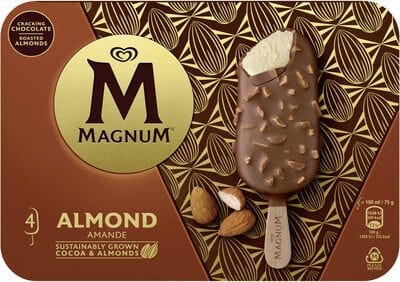
Last verified June 20, 2026. See how we verify. Always confirm on the current product label, since recipes change. Product photo via Open Food Facts.
Comments