Vegan Cream Cheese From Scratch, Plus the Best Store-Bought
- Gluten-free
- Soy-free
- Oil-free
In this guide7
The first time I tried to make cream cheese from cashews, I rushed the soak. I gave them maybe ten minutes in lukewarm water because I was impatient and hungry, then threw them in the blender expecting magic. What I got was grit.
Tiny stubborn cashew bits that no amount of blending would smooth out. It spread on a bagel like wet sand.
I ate it anyway, because I'd already toasted the bagel, but I learned the lesson that day: the soak is not optional, and it is not the step to cut corners on.
Done right, though, cashew cream cheese is one of the easiest and most satisfying swaps in the whole plant-based kitchen. Thick, tangy, spreadable, and genuinely close to the dairy original. Below is the recipe I make on repeat, the difference between the cultured and quick versions, and an honest run-through of the store-bought tubs worth your money.
Jump to the recipe if you just want the numbers.
Why Dairy Cream Cheese Isn't Vegan
Let's settle this part first, because people ask it more than you'd think. Traditional cream cheese is made from cow's milk and cream, curdled with lactic acid bacteria, then drained and stabilized into that dense, spreadable block. It is a dairy product, full stop.
Philadelphia, the brand most people picture, lists milk and cream right at the top of the ingredients.
So no, regular cream cheese is not vegan. There's no hidden gray area, no "depends on the brand" the way there is with sugar or some breads. If it's dairy cream cheese, it came from a cow.
The other thing worth flagging: some products that sound plant-based still sneak in dairy. "Plant-based" on the front of a tub does not automatically mean vegan, and some cheaper alternatives use casein (a milk protein) for stretch.
When in doubt, run the label through our vegan ingredient checker or check the product in our Is It Vegan database before you buy. Casein is the one I see trip people up most.
What You Need to Make It From Scratch
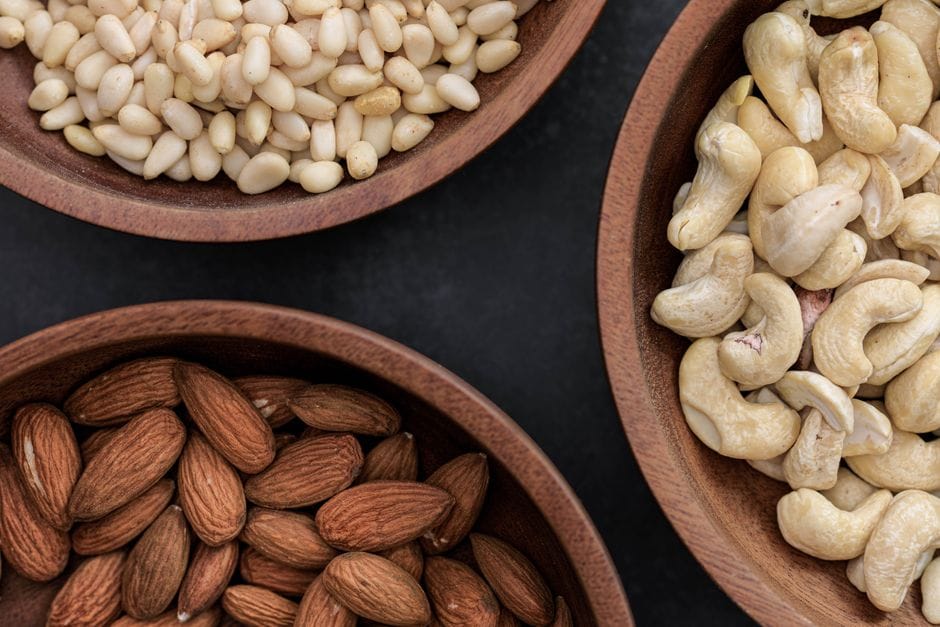 Photo: Victoria Bowers / Pexels
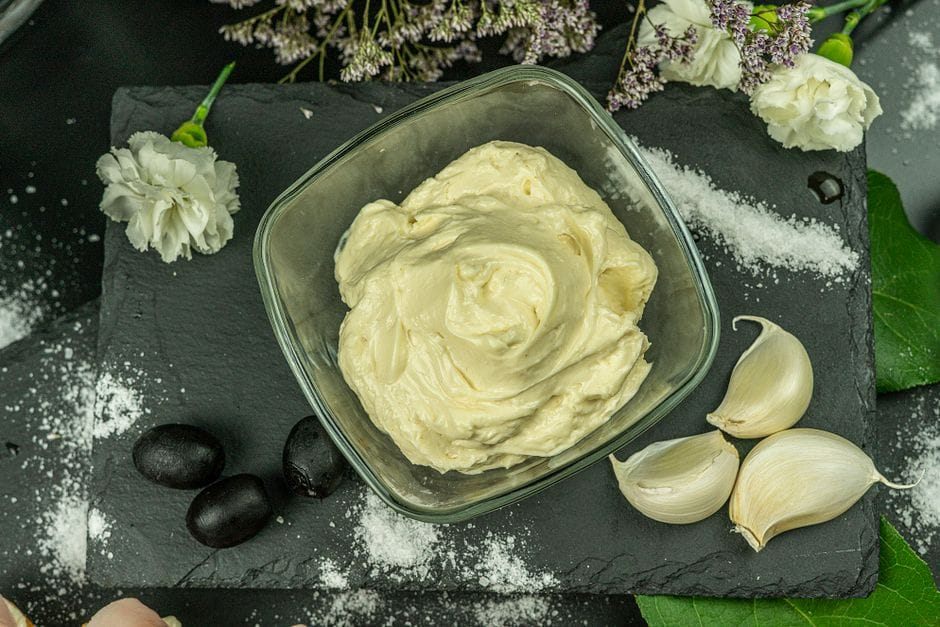
The base is dead simple: raw cashews, lemon, salt, water. That's the core of nearly every cashew-based dairy swap, and if you've ever made cashew cream, you already know the technique. Cream cheese is just that, thicker and tangier.
A few non-negotiables. Use raw cashews, never roasted or salted, because roasted cashews bring a beige color and a nutty taste that fights the clean tang you're after. Use fresh lemon juice, not the bottled stuff, because the bottled kind has a flat, slightly metallic edge.
And use a high-speed blender if you have one. A regular blender can do it, but you'll be soaking the cashews overnight and scraping the sides every twenty seconds to get there.
If you want a deeper savory note, a half teaspoon of onion powder turns this into a proper bagel spread. Leave it out and you've got a neutral base that works for cheesecake and frosting.
A quick word on cost, since it's a real reason to make this. A pound of raw cashews runs me around six to eight dollars and yields three or four batches, so each jar lands well under what a single tub of Miyoko's costs.
And if cashews are off the table for allergy reasons, this same method works with raw sunflower seeds or blanched slivered almonds, though sunflower seeds turn a faint green from a harmless reaction with the lemon and you'll need a touch more salt to balance them. The texture won't be quite as silky, but it's a solid workaround.
Cultured vs Quick: Which Should You Make?
This is the real fork in the road, and it comes down to how much time you have.
The quick version is blend-and-eat. Cashews, lemon, salt, a splash of apple cider vinegar for extra tang, done in fifteen minutes plus a soak. It tastes good.
It's bright and creamy. But the tang is a one-note sourness from the acid, not the complex, slightly funky depth you get from real cultured cream cheese.
The cultured version is where it gets exciting. You skip the vinegar, stir in the powder from a single dairy-free probiotic capsule, and let the jar sit out at room temperature for 12 to 24 hours.
The live bacteria do exactly what they do in dairy cream cheese: they ferment, drop the pH, and develop that layered tang that tastes less like "lemon" and more like "cheese." It's the difference between fine and "wait, you made this?"
If you're serving it to skeptics, culture it. If you need cream cheese in the next half hour, the quick version has your back. I keep probiotic capsules in the cupboard specifically for this, and a jar of cultured cashew spread is almost always in my fridge door next to the vegan butter.
One honest warning on the culturing: trust your nose, not the clock. A pleasant, sharp tang means it's ready. If it ever smells off, yeasty in a bad way, or grows anything fuzzy, throw it out and start over.
In a warm kitchen mine is perfect at around 14 hours. Your timing will depend on your room.
Troubleshooting: What Went Wrong and How to Fix It
 Photo: Towfiqu barbhuiya / Pexels
I've now made every mistake there is, so let me save you the trial and error. Four things go sideways, and all four are fixable.
It's gritty. This is the wet-sand problem from my very first attempt, and it's almost always under-soaked cashews. The fix is patience: cover the cashews with boiling water and give them a full 30 minutes, or a cold soak of at least 4 hours.
If they're already blended and still gritty, keep the blender running longer, scraping down every 30 seconds. A high-speed blender clears grit that a weak one never will. In a pinch, push the blended mixture through a fine-mesh sieve, though it's a chore.
It's too runny. You added too much water too fast. Cashews vary in how much liquid they drink, so always start with 3 tablespoons and add more only a teaspoon at a time.
To rescue a loose batch, chill it for an hour first, since it firms up a lot cold. If it's still soupy, blend in a small handful of extra soaked cashews to soak up the excess.
It's too thick to spread. The opposite problem, common after a night in the fridge. Just stir in cold water half a teaspoon at a time until it loosens, or let it sit at room temperature for ten minutes. Don't over-thin it, because it'll firm back up when you chill leftovers.
The cultured version never got tangy. Your kitchen was probably too cold, which slows the bacteria right down. Move the jar somewhere warmer, near (not on) a warm appliance works, and give it another 6 to 12 hours.
If it still won't tang after 30 hours total, the probiotic may have been past its prime; next time use a fresher capsule. A quick rescue: stir in a teaspoon of lemon juice for instant brightness while you wait.
The Best Store-Bought Vegan Cream Cheese
I make my own most weeks, but I'm not going to pretend I always have soaked cashews ready. The store-bought scene has gotten genuinely good, and these four are the ones I actually buy. Each is clearly labeled vegan, but I still glance at the ingredients because formulas change.
Miyoko's Creamery is my top pick for flavor. It's cultured from oat milk and cashews, so it has that real fermented tang, and the texture is dense and rich. It's the closest to "I can't believe this isn't dairy" of anything on the shelf.
It's also the priciest, and it can be a little firm straight from the fridge, so let it sit out ten minutes before spreading.
Kite Hill is the other cultured almond-based option, and it's excellent on bagels. Slightly tangier and a touch softer than Miyoko's, it spreads beautifully cold. Their chive and plain tubs are both reliable.
Violife is the workhorse. It's coconut-oil based, the most neutral in flavor, and by far the most meltable. That makes it the one I reach for when I'm baking cheesecake or whipping frosting, because it behaves predictably and doesn't break.
It's also usually the cheapest of the four and the easiest to find. The flavor is the least "cheesy" of the bunch, but in a sweet application you'd never know.
Tofutti is the original, the soy-based tub that's been around since long before vegan cheese was trendy. It's softer and milder, a little looser in texture, and it's the nostalgic budget pick. Some people find it a touch artificial; I think it's perfectly fine on a toasted bagel with everything seasoning.
For a definitive yes-or-no on any specific tub, the Vegan Society trademark on the packaging is the gold-standard signal that it's been certified animal-free. When a label is ambiguous, casein and lactose are the two dairy-derived words to scan for.
Bagels, Frosting, and Cheesecake: How to Actually Use It
This is where homemade and store-bought diverge a little, so let me be specific.
For bagels, the cultured cashew version is unbeatable. Stir in onion powder, a pinch more salt, and maybe some chopped chives, and it's a proper schmear. Among the brands, Kite Hill and Miyoko's win here because the tang matters most when there's nothing to hide behind.
A toasted everything bagel with thick cultured cashew cream cheese is one of my favorite ten-minute breakfasts.
For frosting, you want the neutral, sturdy stuff. Violife is the move, or my plain (uncultured) cashew version with no onion powder.
Beat it with softened vegan butter and powdered sugar, and you get a tangy cream cheese frosting that holds its shape on carrot cake or cinnamon rolls. Don't use a watery version here; if your homemade batch is loose, chill it firm first.
For cheesecake, you've got options. A blended cashew base sets into a dense, sliceable, no-crack cheesecake when chilled, which is honestly more forgiving than dairy. Or use two tubs of Violife or Tofutti blended with a little cornstarch and your sweetener of choice.
Cashew-based cheesecakes hold their shape best of all, so if you're after clean slices for a dinner party, go cashew. One trick I rely on: a tablespoon of melted refined coconut oil blended into a cashew cheesecake batter firms it up beautifully once chilled, because the coconut oil sets solid in the fridge and acts like the structural backbone that gelatin gives a traditional cheesecake.
Chill it overnight, not just an hour, and you'll get those crisp, bakery-style slices.
A few other places it shines: dolloped into creamy pasta sauces, swirled into mashed potatoes, or used as the binder in a savory dip. It plays nicely with everything you'd expect, much like vegan sour cream, which is essentially this recipe loosened with a little more liquid.
The Takeaway
Here's where I've landed after years of making and buying this stuff. Keep a tub of Violife in the fridge for baking emergencies and a tub of Miyoko's or Kite Hill for bagels.
And when you've got a free afternoon, soak a cup and a half of cashews, culture a jar overnight, and taste the difference for yourself. The from-scratch version costs less per ounce, has no stabilizers, and tastes, frankly, better than most of what you can buy.
Just respect the soak. Soft cashews, fresh lemon, a little patience with the blender, and you'll never miss the dairy. I promise you the wet-sand version only happens once.
The recipe
Cultured Cashew Cream Cheese
Prep
15 min
Total
15 min
Makes
About 1.5 cups (around 340 g)
Ingredients
- 1.5 cups (about 200 g) raw cashews, soaked (see step 1)
- 3 to 4 Tbsp cold water, plus more as needed to blend
- 2 Tbsp fresh lemon juice (about 1 large lemon)
- 3/4 tsp fine sea salt, plus more to taste
- 1 probiotic capsule (about 10 to 25 billion CFU, dairy-free), optional for the cultured version
- 1 tsp apple cider vinegar (only for the quick version, skip if culturing)
- 1/2 tsp onion powder (optional, for a savory bagel spread)
Instructions
- 1 Soak the cashews. Cover them with boiling water and let sit 30 minutes, or cover with cold water and soak 4 hours up to overnight. Drain and rinse well. Soft cashews are the whole game here.
- 2 Add the drained cashews, 3 Tbsp cold water, lemon juice, and salt to a high-speed blender or small food processor.
- 3 Blend on high, scraping down the sides often, until completely smooth. This takes 2 to 4 minutes. Add water 1 tsp at a time only if the blades stall. You want thick, not runny.
- 4 For the quick version: blend in the apple cider vinegar and onion powder, taste, adjust salt, and you're done. Chill 1 hour to firm up.
- 5 For the cultured version: skip the vinegar. Open the probiotic capsule and stir the powder into the blended cashews with a clean spoon (metal is fine for stirring, just don't leave it sitting in there).
- 6 Scrape into a clean glass jar, cover loosely with a cloth or paper towel secured with a rubber band, and leave at warm room temperature for 12 to 24 hours.
- 7 Taste after 12 hours. When it smells and tastes pleasantly tangy, it's ready. Stir in the salt and onion powder now, cover with a lid, and refrigerate.
Notes
- ·Raw cashews only, not roasted or salted. Roasted cashews give a beige color and a nutty flavor that fights the tang you want.
- ·No high-speed blender? A small food processor or a NutriBullet-style cup blender works, but you'll need to soak the cashews longer (overnight) and scrape down more often.
- ·The cultured version gets tangier the longer it sits. In a warm kitchen, check at 12 hours. In a cool one, give it the full 24.
Calories
90 per 2 Tbsp
Protein
3 g
Fat
7 g
Carbs
5 g
Frequently asked questions
Is cream cheese vegan?+
No. Traditional cream cheese is made from cow's milk and cream, cultured with lactic acid bacteria. That makes it a dairy product, so it isn't vegan. The good news is that plant-based versions made from cashews, coconut, or tofu are now widely available and genuinely good.
What is the best vegan cream cheese brand?+
It depends on what you're using it for. Miyoko's and Kite Hill are the most cream-cheese-like for bagels because they're cultured and tangy. Violife is the most meltable and the best value for cheesecake and frosting. Tofutti is the old reliable that's been around the longest.
Can you make vegan cheesecake with vegan cream cheese?+
Yes, and it's one of the best uses for it. A blended cashew base or a tub of Violife or Tofutti sets up into a rich, dense cheesecake. Cashew-based versions hold their shape best when chilled, and they don't crack the way dairy cheesecake sometimes does.
How long does homemade vegan cream cheese last?+
The quick (uncultured) version keeps for about 5 days in a sealed jar in the fridge. The cultured version lasts a little longer, usually 7 to 10 days, because the live cultures lower the pH and slow spoilage. Give either a stir before using if it firms up too much.
Written by
VeganDigest Editorial is the small independent team that researches and fact-checks this site. We are not doctors or dietitians. For every is-it-vegan verdict we read the product's current ingredient list and manufacturer information, and for anything health-related we report guidance from recognized bodies such as the NHS, the Vegan Society, and the Academy of Nutrition and Dietetics rather than offering medical advice. Every page shows the date it was last verified, and our full process is on the How We Verify page.
Comments