Is Sweet Baby Ray's BBQ Sauce Vegan?
It Depends
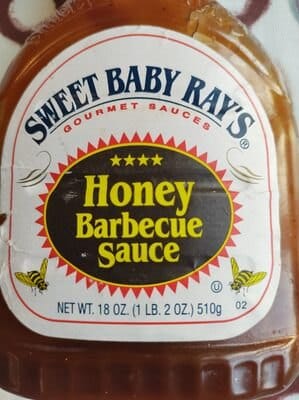
Not certifiedSweet Baby Ray's Original BBQ sauce contains no animal ingredients, it is sweetened with high fructose corn syrup and corn syrup, not honey. Most of the classic flavor lineup (Original, Hickory and Brown Sugar, Hawaiian, Sweet Vidalia Onion, Sweet Golden Mustard, Sweet N Spicy) is similarly animal-free. However, any variety with "Honey" in the name, Honey Barbecue Sauce, Honey Chipotle, Honey Hot Sauce, lists real honey as an ingredient. Several dipping sauce products (Honey Mustard, Creamy Buffalo, Ray's Secret Sauce) contain egg yolk. The original squeeze bottle most people grab off a store shelf is vegan; the honey-named variants are not.
The catch: The Honey Barbecue Sauce lists actual honey as its fourth ingredient, and honey-named variants are a genuinely separate formulation, not just flavoring.
Category
Condiments
Verdict
It Depends
Brand
Sweet Baby Ray's
The Original Barbecue Sauce ingredient list (as confirmed by multiple retailer listings and third-party trackers in 2024-2025) is: High Fructose Corn Syrup, Distilled Vinegar, Tomato Paste, Modified Corn Starch, Salt, Pineapple Juice Concentrate, Natural Smoke Flavor, Spice, Caramel Color, Molasses, Sodium Benzoate (Preservative), Garlic, Mustard Flour, Corn Syrup, Sugar, Tamarind, Natural Flavor, Celery Seed. No honey, no dairy, no egg.
The Honey BBQ Sauce swaps in real honey (4th ingredient) and drops pineapple juice concentrate. Caramel color in both is ammonia-sulfite process (Class IV), which is considered vegan by mainstream standards.
The "Natural Flavor" is unspecified; Sweet Baby Ray's does not clarify the source, which is a minor gray area some strict vegans flag. Bone char sugar processing is not a concern here since the primary sweetener is HFCS.
Sweet Baby Ray's does not carry an official vegan certification on any product. The Maple Barbecue Sauce may also use honey, ingredient lists vary by lot; verify the label if you see it.
Avoid: Honey Barbecue Sauce, Honey Chipotle Barbecue Sauce, Honey Mustard Dipping Sauce (honey + egg yolk), Creamy Buffalo Wing Dipping Sauce (egg yolk), Ray's Secret Sauce (egg yolk).
Related ingredient guides: Is sugar vegan? · Is honey vegan?
What makes it non-vegan
- ✕honey
- ✕egg yolk
Vegan alternatives
- ✓ Stubb's Original BBQ Sauce (explicitly vegan-friendly, no honey across all standard BBQ flavors)
- ✓ Primal Kitchen Classic BBQ Sauce (no HFCS, vegan certified)
- ✓ Annie's Organic Original BBQ Sauce (vegan, organic certified)
- ✓ Kinder's No Sugar Added BBQ Sauce (vegan, widely available)
- ✓ Lillie's Q Carolina Sauce (vegan, apple cider vinegar base)
As an Amazon Associate we earn from qualifying purchases.
Prefer to make it from scratch? Try our vegan mayo, vegan ranch, or vegan sour cream recipes, or browse all vegan swaps.
Other condiments
Frequently asked
Is Sweet Baby Ray's BBQ Sauce Vegan?
Sweet Baby Ray's Original BBQ sauce contains no animal ingredients, it is sweetened with high fructose corn syrup and corn syrup, not honey. Most of the classic flavor lineup (Original, Hickory and Brown Sugar, Hawaiian, Sweet Vidalia Onion, Sweet Golden Mustard, Sweet N Spicy) is similarly animal-free. However, any variety with "Honey" in the name, Honey Barbecue Sauce, Honey Chipotle, Honey Hot Sauce, lists real honey as an ingredient. Several dipping sauce products (Honey Mustard, Creamy Buffalo, Ray's Secret Sauce) contain egg yolk. The original squeeze bottle most people grab off a store shelf is vegan; the honey-named variants are not.
What is the catch with Sweet Baby Ray's BBQ Sauce?
The Honey Barbecue Sauce lists actual honey as its fourth ingredient, and honey-named variants are a genuinely separate formulation, not just flavoring.
What can I use instead of Sweet Baby Ray's BBQ Sauce?
Vegan options include Stubb's Original BBQ Sauce (explicitly vegan-friendly, no honey across all standard BBQ flavors), Primal Kitchen Classic BBQ Sauce (no HFCS, vegan certified), Annie's Organic Original BBQ Sauce (vegan, organic certified), Kinder's No Sugar Added BBQ Sauce (vegan, widely available).
Is Sweet Baby Ray's BBQ Sauce certified vegan?
Sweet Baby Ray's BBQ Sauce does not carry a third-party vegan certification, so the verdict here is based on its current ingredient list and manufacturer information.
Sources
Last verified June 20, 2026. See how we verify. Always confirm on the current product label, since recipes change. Product photo via Open Food Facts.
Comments