Is Peanut Butter Vegan? Mostly Yes, With a Few Traps
In this guide8
- 01The short answer: most peanut butter is vegan
- 02Trap one: honey-roasted and "honey" peanut butter
- 03Trap two: the refined sugar and bone char question
- 04Trap three: palm oil, an ethics question more than an ingredient one
- 05Trap four: the rare fish-oil omega add-in
- 06Natural vs conventional: what actually changes
- 07Common brands, quickly sorted
- 08My honest takeaway
Short answer? Most peanut butter is vegan. A standard jar is just peanuts, salt, and sometimes oil and sugar. The main exceptions are honey-roasted versions and any spread that lists honey in the ingredients.
I keep two jars of peanut butter in my kitchen at all times, and I have opinions about both of them. One is the kind you have to stir, where the oil pools on top and you make a mess every single time.
The other is the smooth, never-separates kind that spreads like a dream. For years I assumed they were equally vegan and equally innocent. They are not, and the difference comes down to one or two ingredients most people never read.
Peanut butter is one of the easiest foods to call vegan, which is exactly why it is worth slowing down on. When something is "usually" vegan, that is where the sneaky exceptions live. So let me walk you through what is actually in the jar, where the traps are, and which ones I think are worth caring about.
The short answer: most peanut butter is vegan
Here is the good news up front. A standard jar of peanut butter is made from a tiny list of plant ingredients: roasted peanuts, salt, sometimes a stabilizing oil, and sometimes a little sugar.
None of those come from an animal. Peanuts are legumes, salt is a mineral, and the oils used are vegetable oils. That is it.
If you grab a basic creamy or crunchy peanut butter off the shelf, the odds are very high that it is vegan. This is not one of those foods like bread, where a dozen sneaky additives can turn an "obviously plant" product into something with dairy or eggs hiding inside. Peanut butter is structurally simple, and that simplicity protects you.
It helps to remember why peanut butter exists in the first place. It is just ground peanuts. Roast a peanut, blend it long enough, and the natural oils release until the whole thing turns into a paste.
Everything past that base, the salt, the sugar, the stabilizing oil, is a manufacturer decision made for taste, texture, or shelf life. None of those additions are inherently animal-derived.
So the question is never really "is peanut butter vegan," it is "did this particular brand add something that is not." That reframing is what makes label reading fast.
But "most" is not "all," and the front of the jar can lie to you in friendly ways. So before you buy on autopilot, it is worth knowing the handful of versions that genuinely are not vegan.
When I am unsure about a specific jar, I run the ingredient list through our Vegan Ingredient Checker, which flags anything animal-derived in seconds.
Trap one: honey-roasted and "honey" peanut butter
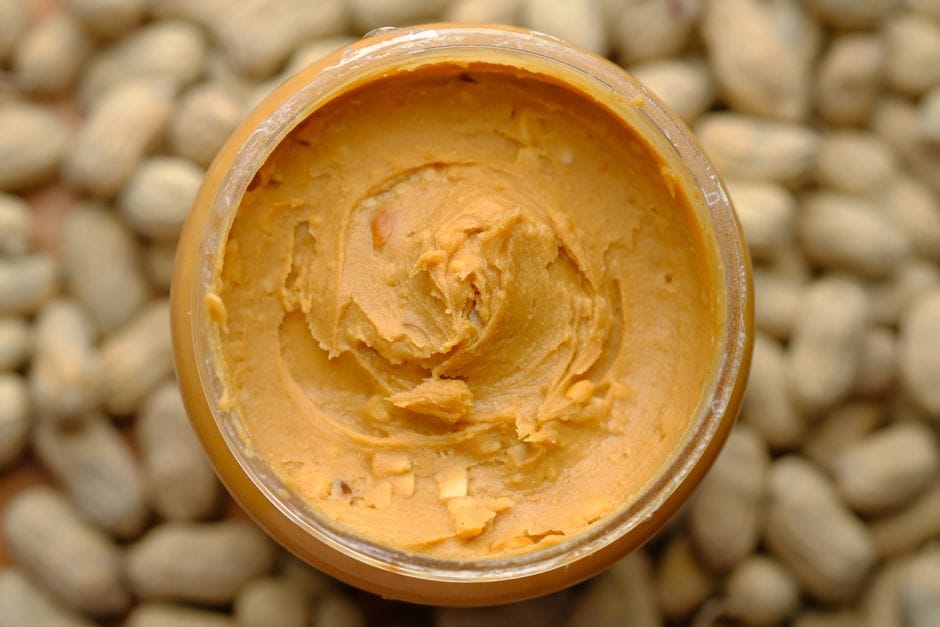 Photo: Towfiqu barbhuiya / Pexels
This is the big one, and it is also the easiest to spot if you know to look. Honey-roasted peanut butter is exactly what it sounds like. The peanuts are roasted with honey, and honey is an animal product made by bees.
That puts honey-roasted spreads firmly off the vegan list.
Beyond the obvious honey-roasted line, some brands sell a "honey peanut butter" or use honey as the sweetener instead of sugar. Skippy and Jif both make honey-roasted versions, and there are smaller natural brands that lean on honey as their only sweetener because it sounds wholesome.
It is wholesome. It is also not vegan.
If you are wondering why honey gets excluded when it seems so minor, that is a real and ongoing debate in the vegan world. I get into the full reasoning in my piece on whether honey is vegan, but the short version is that honey is produced by bees for bees, and most vegans choose not to eat it.
The practical takeaway for peanut butter is simple: if the word "honey" is anywhere on the jar, assume it is not vegan until the ingredients prove otherwise.
Trap two: the refined sugar and bone char question
This one is subtler, and honestly it splits even committed vegans. Many sweetened peanut butters contain a small amount of added sugar. The sugar itself is plant-derived, made from sugar cane or sugar beets, so on its face it is vegan.
The complication is how some cane sugar gets processed. In the United States, a portion of refined cane sugar is filtered through bone char, which is charred animal bone, to whiten it.
The bone char does not end up in the final sugar, but it was used in production, and that is enough to bother some vegans. Beet sugar and organic sugar do not use this process.
I will be straight with you: this is a gray area, and you get to decide where you land. I cover the whole thing in detail in my guide on whether sugar is vegan, because it comes up constantly, not just with peanut butter.
If the bone char question matters to you, the cleanest fix is to buy a natural peanut butter with no added sugar at all. There are dozens, and they taste like actual peanuts.
It is also worth keeping perspective on how little sugar we are talking about. A conventional peanut butter has roughly two to three grams of added sugar per serving, which is a small fraction of the jar.
For some vegans that is too small to fuss over, especially since you cannot tell from the label which sugar was bone-char filtered and which was not. For others, the principle is the point regardless of the amount. Neither position is wrong.
I just want you to make the choice on purpose instead of by accident.
Trap three: palm oil, an ethics question more than an ingredient one
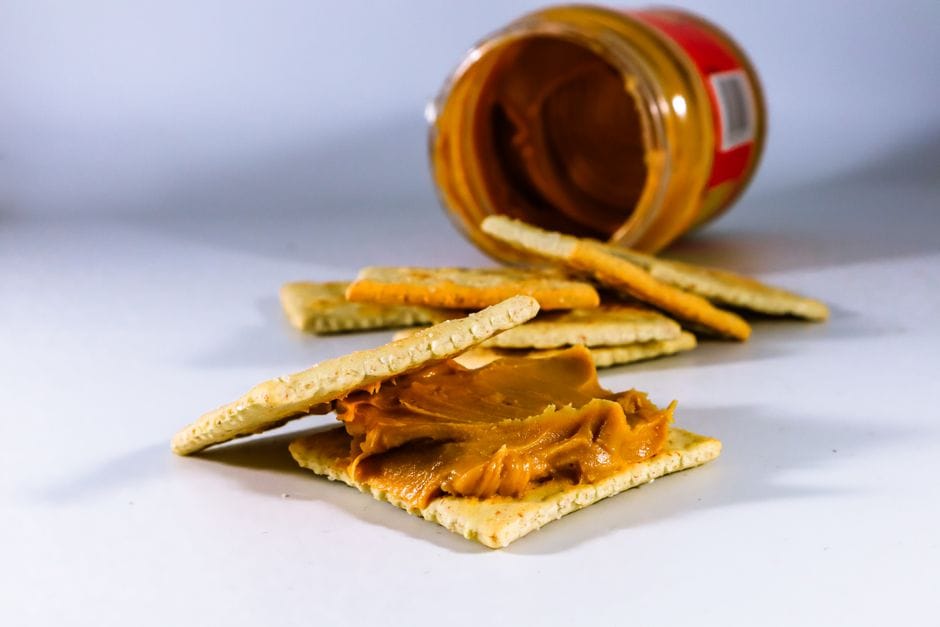 Photo: Terrance Barksdale / Pexels
Now for the trap that I personally care about the most, even though it never makes a product technically non-vegan.
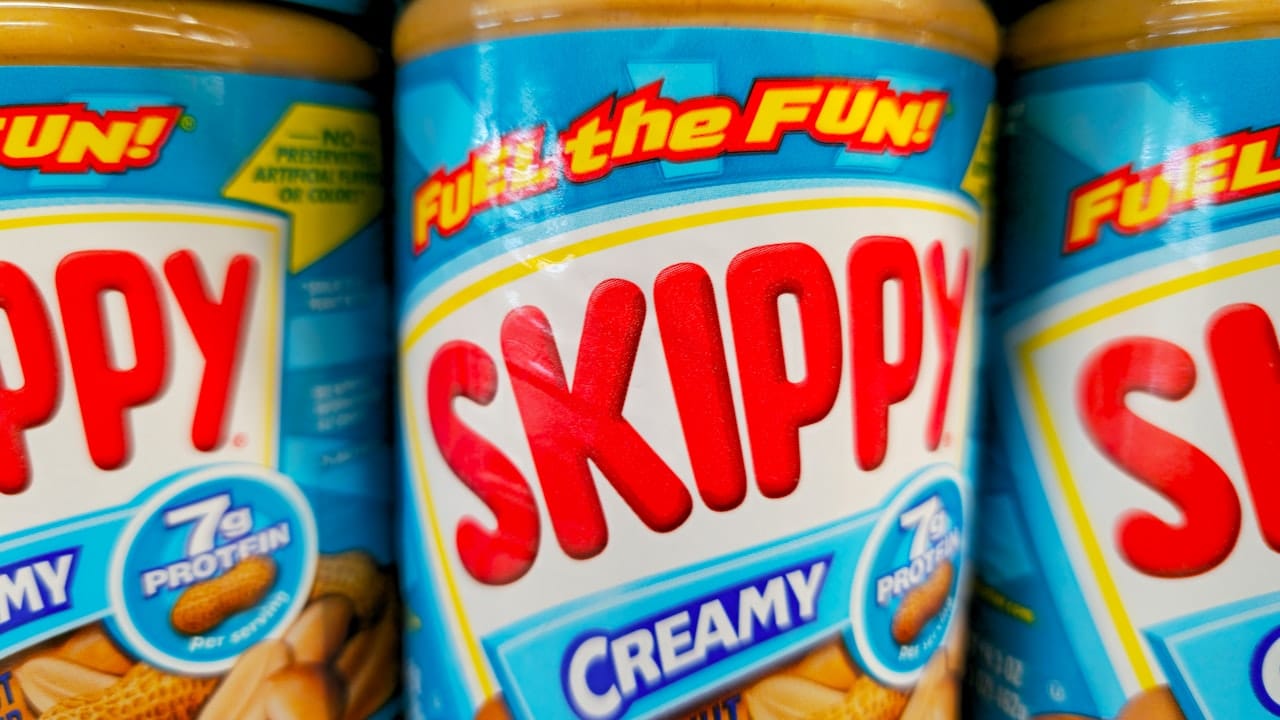
The peanut butters that "never separate," the smooth no-stir kind, stay smooth because of an added stabilizing oil. In the classic conventional jars (regular Jif and Skippy) that stabilizer is usually fully hydrogenated vegetable oil plus mono- and diglycerides, not palm.
The "natural" no-stir versions are, ironically, the ones that tend to use palm oil instead, as a way to skip hydrogenated oil. Either way the stabilizer is plant-derived, so it clears the vegan ingredient bar without any issue.
The problem is what palm oil does in the world. Palm oil production is tied to large-scale deforestation and habitat loss across Southeast Asia, and orangutans in particular lose forest every time plantations expand.
If your veganism is rooted in reducing harm to animals, palm oil sits uncomfortably with that, even though no animal is in the jar.
This is the same tension I wrestle with on chocolate and a lot of packaged snacks. I am not going to tell you to never touch palm oil, because it is in a staggering amount of food and avoiding it completely is genuinely hard.
But I do reach for the stir-it-yourself natural jars, partly because they skip the palm oil entirely, and partly because they taste better to me anyway.
Trap four: the rare fish-oil omega add-in
This one is genuinely uncommon, but it exists, so I want it on your radar. A small number of "enhanced" or "omega-boosted" peanut butters have been formulated with added omega-3 fatty acids, and depending on the product, those omegas can come from fish oil rather than flax or algae.
This is rare. You will not run into it on a normal shopping trip, and most omega-fortified spreads that do exist now use plant sources.
But if you ever see a jar marketing itself as a heart-healthy, omega-rich peanut butter, flip it over and check where the omega-3 actually comes from. If it says fish oil, it is not vegan. If it says flaxseed or algal oil, you are fine.
It is a tiny edge case, but it is a perfect example of why the front label is marketing and the back label is the truth. The same goes for vague terms like "natural flavors," which is almost always plant-based in peanut butter but is the kind of catch-all wording that trains you to actually read ingredient lists.
When in doubt, that is exactly the moment to paste the list into the Vegan Ingredient Checker rather than guess.
Natural vs conventional: what actually changes
People treat "natural" and "conventional" peanut butter like a vegan dividing line, and it is not quite that clean. Both can be vegan. The differences are about the traps above, not about whether animal products are present.
Natural peanut butter is usually just peanuts and salt, sometimes only peanuts. That oil layer on top is simply the peanuts' own oil separating, and stirring it back in is the price you pay for the shortest possible ingredient list.
No palm oil, often no added sugar, and almost never honey. For a strict, no-gray-areas vegan, natural is the safest pick.
Conventional peanut butter like classic Jif and Skippy adds sugar and a hydrogenated stabilizing oil to get that uniform, scoopable texture that never separates. The base product is still vegan, but you are accepting the refined-sugar question as part of the deal, and if you reach for a no-stir "natural" jar, the palm oil question too.
The honey-roasted versions are the only ones that cross the line outright.
If you want to compare specific products quickly, our Is It Vegan database is built for exactly this kind of "which jar is fine" question, and the same logic carries over to other spreads like vegan mayo and vegan butter.
Common brands, quickly sorted
To make this concrete, here is roughly how the popular brands shake out. Classic creamy and crunchy Jif and Skippy: vegan by ingredients, with the sugar caveat (and a palm oil caveat on the no-stir "natural" versions). Their honey-roasted lines: not vegan.
Smucker's Natural and most store-brand "natural" peanut butters: usually just peanuts and salt, the cleanest option. Specialty single-ingredient brands like the ones that grind peanuts on the spot: as vegan as it gets.
The pattern holds across almost the whole category. The base spread is vegan, the honey versions are not, and the only judgment calls are sugar processing and palm oil ethics. Once you internalize that, you can read any peanut butter jar in about five seconds.
Peanut alternatives follow the same rules, by the way. Almond butter, cashew butter, sunflower seed butter, and the rest are all plant-based at their core, and they hit the exact same traps: watch for honey as a sweetener, check for palm oil in the no-stir versions, and ignore the marketing on the front.
The one extra thing to watch with nut and seed butters is "flavored" or "dessert" spreads, where chocolate or caramel coatings can drag dairy into the ingredient list. Plain spreads almost never do.
The Vegan Society defines veganism as avoiding animal exploitation "as far as is possible and practicable," and that word "practicable" is the whole game with foods like this. Peanut butter makes it easy to be practicable.
My honest takeaway
If you remember one thing, make it this: read the front of the jar for the word "honey," then flip it over and read the back. Plain peanut butter is vegan. Honey-roasted peanut butter is not.
Everything else is a personal call about sugar and palm oil that no one else gets to make for you.
I land on natural, stir-it-yourself peanut butter, because it sidesteps the palm oil, skips the sugar debate, and tastes more like peanuts. But if you love your no-stir jar and you are comfortable with the trade-offs, you are not doing veganism wrong.
You are navigating a packaged food system, same as the rest of us. If you want to keep going down this rabbit hole, the Vegan Swaps hub is full of these "is it secretly fine?" answers, and you will start spotting the honey-roasted traps from across the grocery aisle.
Frequently asked questions
Is peanut butter vegan?+
Most peanut butter is vegan because it is made from peanuts, salt, and sometimes oil and sugar, none of which come from animals. The main exceptions are honey-roasted varieties and any jar that lists honey in the ingredients. Always read the label, but standard creamy and crunchy peanut butter is almost always fine.
Is Jif and Skippy peanut butter vegan?+
Classic creamy and crunchy Jif and Skippy contain peanuts, sugar, oils, and salt, with no animal ingredients, so they are vegan by their components. Both brands use refined sugar, and their no-stir 'natural' lines use palm oil, which a few vegans choose to avoid for ethical reasons. Their honey-roasted versions, however, are not vegan.
Does peanut butter ever contain honey?+
Yes. Honey-roasted peanut butter and some 'honey peanut butter' spreads list honey right in the ingredients, which makes them off-limits for vegans who avoid honey. A handful of natural or flavored brands also add honey as a sweetener. The word 'honey' on the front of the jar is your clearest warning sign.
Is the sugar in peanut butter vegan?+
The sugar itself is plant-derived, but some cane sugar in the United States is filtered through bone char, an animal product. This is the same gray area that comes up with most sweetened packaged foods. If it bothers you, choose a natural peanut butter with no added sugar, or one that uses organic or beet sugar.
Written by
VeganDigest Editorial is the small independent team that researches and fact-checks this site. We are not doctors or dietitians. For every is-it-vegan verdict we read the product's current ingredient list and manufacturer information, and for anything health-related we report guidance from recognized bodies such as the NHS, the Vegan Society, and the Academy of Nutrition and Dietetics rather than offering medical advice. Every page shows the date it was last verified, and our full process is on the How We Verify page.
Comments