Is Vanilla Extract Vegan? What Every Baker Needs to Know
In this guide6
Pure vanilla extract is vegan. It is made from three ingredients: vanilla beans, alcohol, and water, all of which are plant-derived or animal-free. The rumor that vanilla extract contains a beaver-derived substance called castoreum is largely a myth in practical terms, and the alcohol question is worth knowing about, but neither issue disqualifies vanilla extract from a vegan diet. Read on for the full picture, including what to watch on labels and which alcohol-free alternatives our recipes use instead.
What Is Vanilla Extract Made Of?
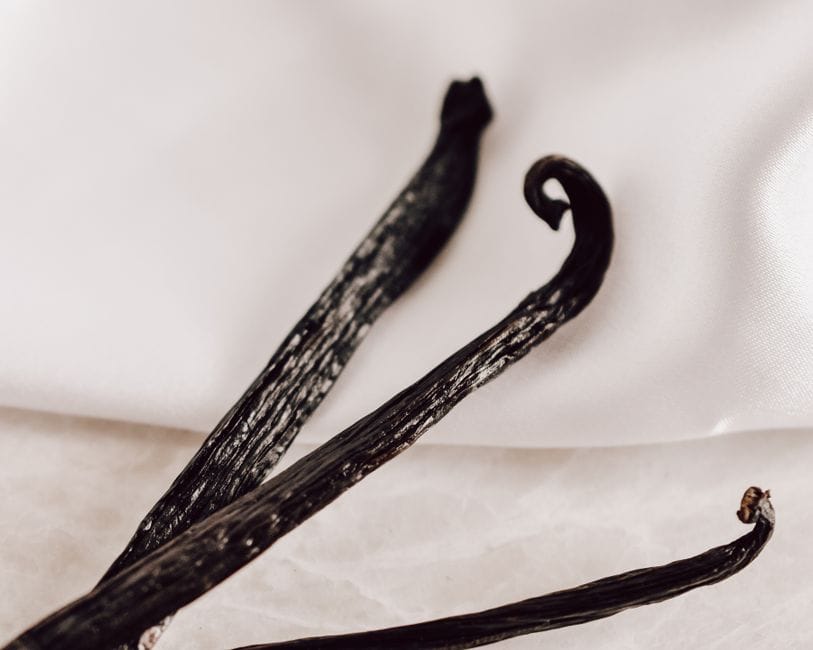
Pure vanilla extract is the result of soaking cured vanilla bean pods in a solution of alcohol and water. The alcohol draws out the flavor compounds from the bean, producing the rich, complex taste that makes vanilla irreplaceable in baking.
Under US FDA standards (21 CFR 169.175), a product must contain at least 13.35 oz of vanilla beans per gallon and at least 35% alcohol by volume to be labeled "pure vanilla extract." Optional permitted additions include glycerin, sugar, corn syrup, and dextrose, though the vanilla flavor must come entirely from the beans themselves, not from added flavorings.
The core three ingredients, vanilla beans, alcohol, and water, are all free from animal products.
Is Vanilla Extract Vegan? Why the Answer Is Yes
Vanilla beans come from the Vanilla planifolia orchid, a flowering plant. The alcohol used is ethanol, derived from fermented plant matter. Water is water. None of the three core ingredients involves any animal.
The FDA-mandated alcohol content (a minimum of 35% by volume) is a fact worth knowing, particularly for those who avoid alcohol for religious or personal reasons. We note it here because honesty matters: pure vanilla extract is alcohol-based. That is why the recipes on this site use alcohol-free vanilla flavoring instead (more on that below).
Beyond the core ingredients, any optional additives allowed by FDA standards, such as glycerin or sugar, are typically plant-based in commercial products. So for vegans evaluating vanilla extract purely through the lens of animal ingredients, it clears the bar comfortably.
The Castoreum Story: A Scare That Does Not Hold Up
You may have seen alarming headlines claiming that vanilla can secretly contain castoreum, a substance derived from the scent glands of beavers. It sounds alarming, but the reality is far more mundane.
Castoreum is a real ingredient. It has GRAS (Generally Recognized as Safe) status in the US, and it does carry a faint vanilla-like aroma. Historically, it appeared in some perfume formulations. But globally, only about 300 pounds of castoreum are produced per year, and virtually all of it goes to the fragrance industry, not to food.
The Vegetarian Resource Group contacted five vanilla manufacturers specifically about castoreum. Every single one confirmed they do not use it. One supplier stated that all their vanilla ingredients are "all-vegetable or synthetic." Major manufacturers uniformly follow the Code of Federal Regulations for vanilla extract, which describes the product as vanilla beans in aqueous alcohol, full stop.
PETA notes on its animal-derived ingredients list that castoreum, while historically animal-derived, is now typically synthetic even for fragrance use. For food, and for vanilla extract specifically, it is simply not a material concern.
The one nuance: products labeled "natural vanilla flavor" rather than "vanilla extract" sit under a broader regulatory category where castoreum is theoretically permissible as a natural flavor. In practice, its scarcity and cost make actual use vanishingly unlikely. But if you want certainty, stick to products that say "vanilla extract" on the label, not just "natural flavor."
What to Look for on the Label
Reading the ingredient list on vanilla products takes about ten seconds and answers most questions:
"Pure vanilla extract" on the label means vanilla beans, alcohol, and water are the base. FDA definitions prevent substituting animal-derived flavor compounds and calling it "pure."
"Imitation vanilla" or "artificial vanilla flavoring" is made from synthetic vanillin, which is derived from petrochemical sources or wood pulp. It is also vegan, though the flavor profile is simpler than pure extract.
"Natural vanilla flavor" is where label scrutiny earns its keep. This phrasing covers a wider range of ingredients and does not carry the same regulatory definition as "vanilla extract." In practice, commercial products with this label still use plant-derived or synthetic vanilla compounds, but if you want to eliminate any theoretical uncertainty, ask the manufacturer or choose a product with the clearer "vanilla extract" label.
Watch for glycerin in the ingredients: glycerin can be plant-based (vegetable glycerin) or animal-derived (from animal fat). In modern vanilla products, vegetable glycerin is the norm, but if a brand does not specify, a quick check of their FAQ or a short email to customer service resolves it fast.
Alcohol-Free Vanilla: The Option We Use in Our Recipes
Because pure vanilla extract is alcohol-based, some cooks prefer an alternative. The good news is that excellent alcohol-free vanilla options exist and are widely available.
Glycerin-based vanilla flavorings replace the alcohol solvent with vegetable glycerin, which is plant-derived. The result is a product with the same vanilla bean flavor but no ethanol content.
Brands readily available online and in specialty grocery stores include:
- Nielsen-Massey Alcohol-Free Vanilla: ingredients are glycerin, water, and vanilla bean extractives, with plant-based glycerin specified by the manufacturer.
- Simply Organic Non-Alcoholic Vanilla Flavoring: made with organic glycerin, organic vanilla bean extractives, and water.
- Native Vanilla Organic Non-Alcoholic Vanilla Flavor: certified organic, using organic glycerin as the base.
- Watkins Organic Alcohol-Free Vanilla Flavoring: glycerin-based, widely available in mainstream grocery stores.
All of these use plant-based ingredients. They perform well in baked goods, smoothies, and desserts. These are the products you will see called for in recipes on this site.
The Bottom Line for Vegan Bakers
Pure vanilla extract made from vanilla beans, alcohol, and water is vegan. The castoreum concern, while frequently repeated online, does not reflect actual manufacturing practice, and major vanilla producers have confirmed this directly. Imitation vanilla is also vegan. The only label to treat with slightly more care is "natural vanilla flavor," where the ingredients are less precisely defined by regulation.
For those who prefer to avoid alcohol entirely, glycerin-based alcohol-free vanilla flavorings deliver genuine vanilla flavor from real beans, with a fully plant-based ingredient list. They are a practical, readily available swap for any recipe.
Frequently asked questions
Is pure vanilla extract vegan?+
Yes. Pure vanilla extract is made from vanilla beans (a plant), alcohol, and water. No animal-derived ingredients are used in its production. It meets the standards of a vegan diet from an ingredient standpoint.
Does vanilla extract contain castoreum from beavers?+
In practice, no. Castoreum is a real substance with FDA GRAS status, but global production is roughly 300 pounds per year and nearly all of it goes to the perfume industry. Every vanilla manufacturer contacted by the Vegetarian Resource Group confirmed they do not use castoreum. Products labeled specifically as "vanilla extract" are defined by the FDA as vanilla beans in alcohol and water, with no provision for animal-derived flavor compounds.
What is an alcohol-free vegan vanilla option?+
Glycerin-based vanilla flavorings use vegetable glycerin instead of alcohol to extract flavor from vanilla beans. Brands like Nielsen-Massey, Simply Organic, Native Vanilla, and Watkins all make alcohol-free versions with plant-based ingredients. These are the type of vanilla products used in recipes on this site.
Is imitation vanilla extract vegan?+
Yes. Imitation vanilla is made from synthetic vanillin, typically derived from petrochemical sources or wood pulp. It contains no animal products, though many vegans prefer pure vanilla extract or alcohol-free vanilla flavoring for quality and transparency reasons.
Written by
VeganDigest Editorial is the small independent team that researches and fact-checks this site. We are not doctors or dietitians. For every is-it-vegan verdict we read the product's current ingredient list and manufacturer information, and for anything health-related we report guidance from recognized bodies such as the NHS, the Vegan Society, and the Academy of Nutrition and Dietetics rather than offering medical advice. Every page shows the date it was last verified, and our full process is on the How We Verify page.
Comments