Vegan Biscuits That Are Actually Flaky (No Dairy Needed)
 Jump to recipe ↓
 In this guide5
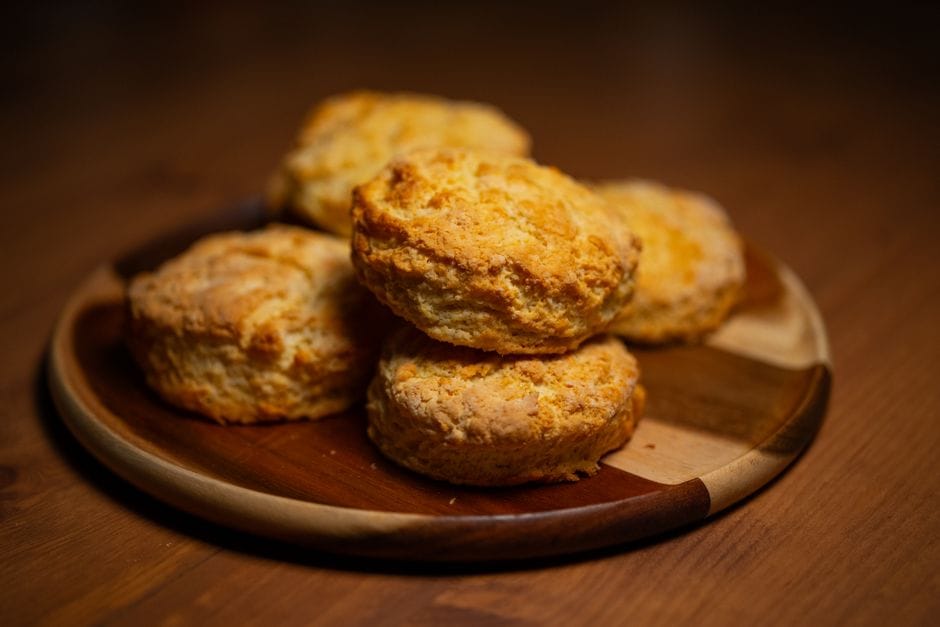
Flaky, buttery, pull-apart vegan biscuits are completely achievable without dairy, and the method is simpler than most people expect. The key is cold fat, a quick fold technique, and a hot oven. Get those three things right and you get tall, layered biscuits that could sit alongside anything at a Southern table.
This guide walks through the exact ratios and technique used by tested, well-regarded vegan recipe developers. You will learn what makes a biscuit flaky (hint: it is not the recipe, it is the handling), which vegan butter brands hold up best, and how a simple soy milk and vinegar swap replaces buttermilk perfectly. Make these once and they will become a permanent part of your weekend rotation.
Why These Vegan Biscuits Work
Traditional biscuits get their flaky layers from cold butter steaming inside the dough as the oven heat hits it. Water in the butter turns to steam, puffs the layers apart, and leaves behind a tender, separated crumb. Vegan butter behaves almost identically because the best stick-style vegan butters (Miyoko's, Earth Balance sticks, Country Crock Plant Butter) contain a comparable water percentage to dairy butter.
The other half of the equation is acid. Combining soy milk with apple cider vinegar creates a plant-based buttermilk that curdles slightly and turns acidic. That acid reacts with the baking powder to produce extra lift, and the slight tang gives the biscuits the same savory depth you get from real buttermilk. Soy milk is the best choice here because its higher protein content causes it to curdle more thoroughly than oat or almond milk, giving you a thicker, more authentic vegan buttermilk.
Key Ingredients and Why Each One Matters
All-purpose flour. Plain unbleached all-purpose flour gives you enough structure without being tough. Bread flour has too much protein and turns the biscuits chewy. Cake flour goes the other way and collapses. Standard AP flour is the right middle ground.
Cold vegan butter sticks. This is the single most important ingredient call in the whole recipe. Use stick-style vegan butter, not the spreadable kind sold in tubs. Tub butter has a higher water content and a softer texture that melts into the dough instead of staying in distinct pieces. Cut the butter into cubes and freeze for 5 minutes before using, or grate it on the large holes of a box grater and put the gratings back in the freezer while you measure everything else.
Soy milk plus apple cider vinegar. One cup of unsweetened soy milk mixed with one tablespoon of apple cider vinegar, left to sit for 5 to 10 minutes, becomes your vegan buttermilk. The mixture will look slightly thickened and curdled. That is exactly what you want.
Baking powder. Two tablespoons may look like a lot but this is the correct amount for a tall, well-risen biscuit at this flour quantity. Do not cut it back.
Salt. Biscuits need it. A full teaspoon in the dough makes a real difference to the final flavor. Under-salted biscuits taste flat even when the texture is perfect.
Method Tips for Tall, Layered Results
Work fast and cold. Every minute the dough spends in warm hands is butter melting into the flour instead of staying in pockets. Measure everything in advance, work in a cool kitchen if possible, and aim to go from mixing bowl to oven in under 15 minutes.
Use the fold method, not just rolling. Once the dough comes together into a shaggy mass, transfer it to a lightly floured surface and press it into a rough rectangle. Fold one third over the center, then the other third on top (like a letter). Turn the dough 90 degrees and flatten again. Repeat this twice more. Each fold creates new layers of butter and dough. This is what gives you visible strata when you pull a biscuit apart.
Cut straight down, no twisting. Twisting the cutter seals the edges of the biscuit and prevents it from rising as tall. Press the cutter straight down and lift it straight back up.
Place biscuits so they are just touching. Biscuits bake better when they lean on each other slightly. This gives them support to grow up rather than spreading out.
Brush tops with reserved buttermilk. Before they go into the oven, brush the tops with the leftover soy milk and vinegar mixture. This gives a golden, slightly glossy crust without any egg wash.
Do not overbake. Pull the biscuits when they are just lightly golden on top, around 15 to 20 minutes at 425 degrees F. The bottoms will be golden too. If the tops are deeply browned, they have gone too far and the interior will be dry.
Variations Worth Trying
Herb biscuits. Add 2 teaspoons of fresh chopped rosemary or thyme to the dry ingredients. These pair especially well with soups and stews.
Garlic butter biscuits. Melt a tablespoon of vegan butter with half a teaspoon of garlic powder and a pinch of dried parsley, then brush this over the biscuits immediately after they come out of the oven. These taste very close to a well-known restaurant chain's biscuits, without the dairy.
Scallion biscuits. Fold 3 tablespoons of thinly sliced scallions into the dough just before the final fold. They soften in the oven and add a mild savory note.
Gluten-free version. Swap the all-purpose flour for a 1-to-1 gluten-free baking blend (the kind that contains xanthan gum). The texture will be slightly less layered but still pleasantly tender. Chilling the cut biscuits for 10 minutes before baking helps them hold their shape.
Serving and Storage
Vegan biscuits are best eaten warm from the oven, within about 30 minutes of baking. At that point the exterior is still slightly crisp and the interior is soft and steamy. Serve them with vegan butter and jam, split them for a breakfast sandwich with tofu scramble, or use them to top a pot pie or serve alongside vegan chili.
For storage, let the biscuits cool completely, then seal them in an airtight container or zip bag at room temperature. They will keep for up to 2 days but soften as they sit. Reheat in a 350-degree F oven for 5 to 8 minutes to revive the crust. Avoid the microwave, which makes them dense and gummy.
To freeze, arrange cooled biscuits in a single layer on a baking sheet and freeze until solid, then transfer to a freezer bag. They keep well for up to 2 months. Reheat from frozen at 350 degrees F for 12 to 15 minutes. You can also freeze the unbaked cut biscuits and bake them straight from frozen, adding 3 to 5 minutes to the bake time.
The recipe
Flaky Vegan Biscuits
Prep
15 min
Cook
18 min
Makes
10 to 12 biscuits
Ingredients
- 1 cup (240ml) unsweetened soy milk
- 1 tablespoon apple cider vinegar
- 2 1/2 cups (315g) all-purpose flour, plus more for dusting
- 2 tablespoons baking powder
- 2 teaspoons granulated sugar
- 1 teaspoon fine sea salt
- 1/2 cup (112g) cold vegan butter sticks (such as Miyoko's or Earth Balance sticks), cut into 1/2-inch cubes
Instructions
- 1 Preheat your oven to 425 degrees F (220 degrees C). Line a baking sheet with parchment paper.
- 2 Make vegan buttermilk: stir together the soy milk and apple cider vinegar in a measuring cup. Set aside for 5 to 10 minutes until slightly curdled and thickened.
- 3 Place the cubed vegan butter in the freezer for 5 minutes while you prepare the dry ingredients.
- 4 Whisk together the flour, baking powder, sugar, and salt in a large bowl until well combined.
- 5 Add the frozen butter cubes to the flour mixture. Use your fingertips or a pastry cutter to work the butter into the flour until the mixture resembles coarse crumbs with some pea-sized pieces of butter still visible. Work quickly so the butter stays cold.
- 6 Reserve 2 tablespoons of the vegan buttermilk for brushing. Pour the rest into the flour mixture and stir gently with a fork just until a shaggy dough forms. Stop as soon as no dry flour remains. The dough will look rough and uneven.
- 7 Turn the dough out onto a lightly floured surface. Gently pat it into a rough rectangle about 3/4 inch thick. Fold one third of the dough over the center, then fold the other third on top (like folding a letter). Turn the dough 90 degrees and flatten gently again. Repeat this fold twice more, for 3 total folds. This builds the layers.
- 8 After the final fold, pat the dough to about 1 inch thick. Use a sharp 2 1/2-inch round cutter or the rim of a glass to cut biscuits. Press straight down and lift straight up without twisting. Re-pat scraps gently and cut remaining biscuits.
- 9 Arrange biscuits on the prepared baking sheet so they are just touching each other. Brush the tops with the reserved vegan buttermilk.
- 10 Bake for 15 to 20 minutes, until the tops are lightly golden and the biscuits have risen tall. Remove from the oven and serve warm.
Notes
- ·Use stick-style vegan butter, not tub or spreadable. Tub butter is too soft and will not create flaky layers.
- ·Soy milk curdles most reliably for vegan buttermilk. Oat or almond milk will work in a pinch but give a thinner result.
- ·Do not over-mix or over-knead. The dough should look rough and shaggy, not smooth. Overworking develops gluten and makes the biscuits tough.
- ·Cut straight down without twisting the cutter. Twisting seals the edges and prevents the biscuits from rising as tall.
- ·For the tallest biscuits, make sure the dough is a full 1 inch thick before cutting.
Frequently asked questions
Can I use oat milk or almond milk instead of soy milk?+
Yes, both will work, but soy milk gives the best result. It has more protein and curdles more completely with the vinegar, creating a thicker vegan buttermilk that mimics dairy buttermilk closely. Oat and almond milk produce a slightly thinner mixture but the biscuits will still rise and taste good.
Why are my vegan biscuits not rising tall?+
The three most common causes are: butter that was too warm when it went into the dough (melt the fat and you lose the steam pockets that create layers), overmixed dough (stop stirring as soon as the flour is incorporated), and twisting the biscuit cutter when cutting (this seals the edges). Check all three on your next batch.
Can I make vegan biscuits ahead of time?+
The best make-ahead approach is to cut the biscuits, place them on a parchment-lined tray, and freeze them unbaked. Once solid, transfer to a freezer bag. Bake straight from frozen at 425 degrees F for 18 to 22 minutes. This gives you fresh-baked biscuits with almost no effort on the day.
What is the best vegan butter for biscuits?+
Miyoko's Creamery Cultured Vegan Butter and Earth Balance Vegan Buttery Sticks are consistently recommended by tested vegan baking recipes. Both are sold as sticks, which is the form you need. Country Crock Plant Butter sticks also work well. Avoid any vegan butter sold in a tub for biscuits.
Written by
VeganDigest Editorial is the small independent team that researches and fact-checks this site. We are not doctors or dietitians. For every is-it-vegan verdict we read the product's current ingredient list and manufacturer information, and for anything health-related we report guidance from recognized bodies such as the NHS, the Vegan Society, and the Academy of Nutrition and Dietetics rather than offering medical advice. Every page shows the date it was last verified, and our full process is on the How We Verify page.
Comments