Vegan Queso (Cashew and Potato Versions)
- Gluten-free
- Soy-free
- Oil-free
In this guide8
- 01Why Regular Queso Isn't Vegan
- 02The Blended Cashew Queso
- 03The Oil-Free Potato-and-Carrot Version
- 04Getting It Pourable, Not Pasty
- 05The Spices That Make It Taste Cheesy
- 06Nachos, Dips, and Everything You Pour It On
- 07Is Store-Bought Vegan Queso Any Good? (And the Best Brands)
- 08Which Queso Should You Make or Buy?
The first time I made vegan queso I served it at a Sunday gathering, set the bowl on the table, and watched it sit there going stiff while everyone ate the guacamole instead. By the time someone finally tried it, my beautiful cashew dip had set into something closer to hummus.
It tasted fine. It just refused to flow, and queso that won't flow isn't really queso. That afternoon taught me the single most important thing about this dip, the thing I'll repeat until you're tired of hearing it: queso is a texture before it's a flavor.
It has to pour.
So this guide gives you two versions that both pour, both taste genuinely cheesy, and both lean on nutritional yeast and a warm spice blend to get there. One is a rich blended cashew queso for when you want indulgent.
The other is an oil-free potato-and-carrot version for when you want lighter, cheaper, and nut-free. I'll also walk you through the spices, the pourability fixes, the best store brands when you can't be bothered to blend, and exactly how to use it for nachos and dip night.
Why Regular Queso Isn't Vegan
Let me clear this up fast, because the question comes up at every party. Classic queso is dairy, plain and simple.
Whether it's the jarred stuff, the white queso blanco at your local Tex-Mex spot, or a pot of melted Velveeta, the base is cheese plus milk or cream. There's no quiet vegetarian version hiding in there.
Two things keep traditional queso off the vegan list. The first is the cheese itself, usually a processed melting cheese built on cow's milk.
The second, and the one people miss, is casein, the milk protein that even some so-called dairy-free dips sneak back in for stretch and melt. Casein is not vegan no matter what the front of the package implies.
If you want the longer story on why these dips behave the way they do, the savory umami note we're chasing comes from glutamates, and you can read the plain background on the Wikipedia umami entry if you're curious.
The takeaway: if a queso doesn't clearly say vegan or dairy-free, assume it's dairy. So you either buy a plant-based one (brands further down) or you make your own, which is faster than it sounds.
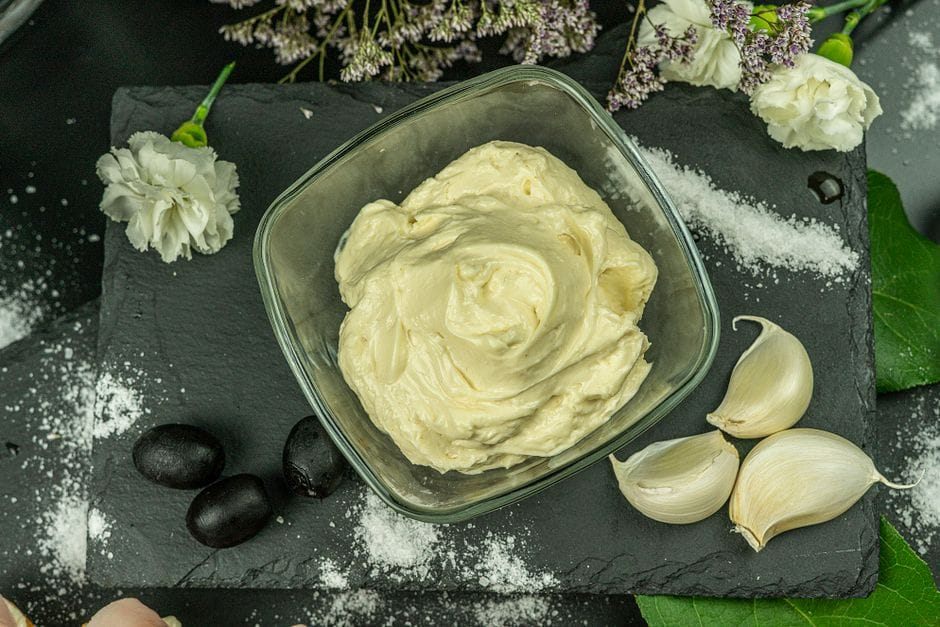
The Blended Cashew Queso
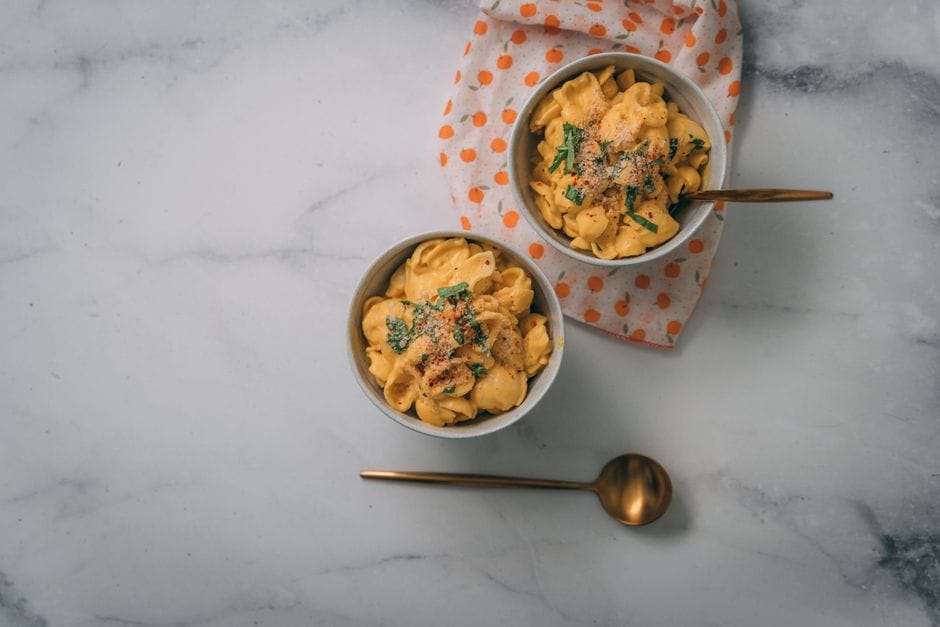
 Photo: Macourt Media / Pexels
This is the version I make when I want it to feel like a treat, and the recipe card above has the exact amounts. Here's what's actually happening so you can adjust it to your own taste.
You start with soaked cashews blended completely smooth, which gives you that rich, clingy body real queso has. Nutritional yeast is the savory cheesy backbone doing the heaviest lifting here.
If you've never cooked with it, my nutritional yeast guide explains why it tastes the way it does and how much is too much. Then you build the Tex-Mex character with smoked paprika, cumin, and chili powder, brighten it with lime and a splash of pickled jalapeno brine, and salt it until it actually tastes like cheese.
The whole thing comes together in about twenty minutes. Blend, warm gently on the stove, thin to a pour, then fold in diced green chiles or jalapenos at the end for that flecked, Rotel-style look. If you've made cashew cream before, the blending stage will feel familiar.
The difference is the spice load and the deliberate thinning, because a queso is supposed to be looser and more savory than a sweet cashew cream ever is.
The Oil-Free Potato-and-Carrot Version
Here's the one people are skeptical about until they taste it. You can make a genuinely good, pourable queso with no cashews and no oil at all, built on boiled potato and carrot. It sounds like internet nonsense.
It is not.
The method is simple. Boil diced potato and carrot until soft, then blend them hot with nutritional yeast, lime juice, the same spice blend, and enough of the starchy cooking water to loosen it into a pourable sauce.
The starch from the potato gives it body and that clingy queso texture, the carrot deepens the orange color naturally so you don't need any food coloring, and the cooking water lets you dial the pour exactly where you want it. It's lighter than the cashew version, it costs a fraction, and it's nut-free for anyone at the table with an allergy.
Be clear-eyed about what this version is. It's slightly less rich than the cashew one, so I push the nutritional yeast and salt a touch harder to compensate.
What it does brilliantly is stay pourable, because potato starch loosens beautifully with a little extra warm water and doesn't seize the way a fat-heavy sauce can. This is my go-to when I'm feeding a crowd and want a big batch without buying two cups of cashews.
Getting It Pourable, Not Pasty
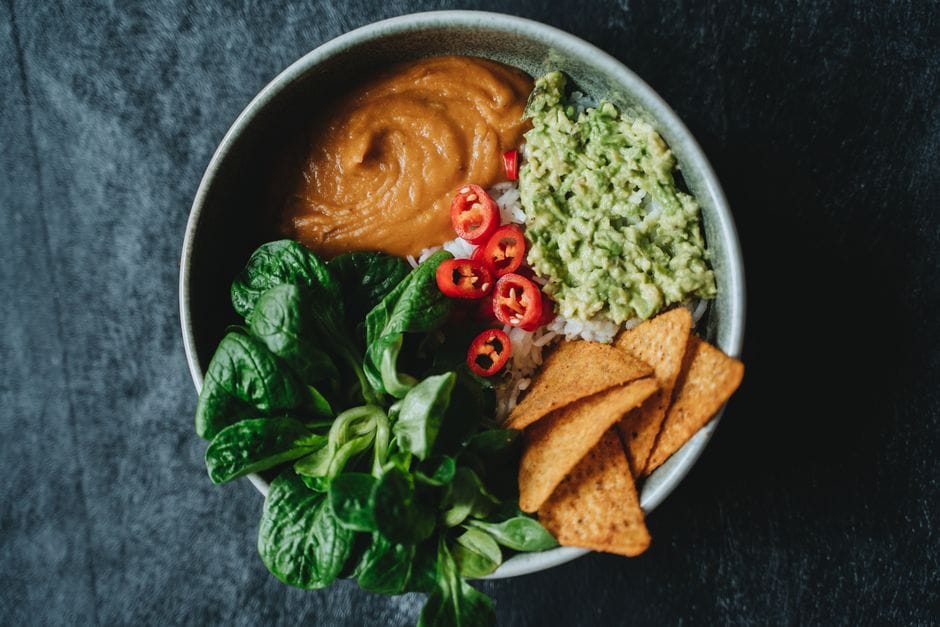 Photo: Alesia Kozik / Pexels
This is the part I got wrong at that first gathering, so I'll be blunt about it. Cashew queso thickens as it sits, and it thickens dramatically once it cools. A queso that's a perfect ribbon in the pan will be a stiff paste by the time it reaches the table if you don't account for that.
The fix is to thin it on purpose, right before serving. Whisk in plant milk or hot water a tablespoon at a time over low heat until it ribbons off the spoon and barely holds a line when you drag a finger through it.
If it holds a firm peak, it's too thick, full stop. I aim for something that looks almost too loose in the pan, because it firms up the second it stops moving.
When it inevitably stiffens after a while on the table, don't panic and don't toss it. Scrape it back into a warm pan, whisk in a splash of liquid over low heat, and it comes right back to a pour.
The potato version is the more forgiving of the two here, since potato starch reconstitutes easily, while a cashew queso needs a gentler hand so it doesn't split. Either way, warm liquid plus a whisk is the whole rescue.
The Spices That Make It Taste Cheesy
This is where beginners go quiet and timid and then wonder why their queso tastes like bland sauce. Cheesy flavor without cheese is built deliberately from three directions, and then you layer the Tex-Mex warmth on top.
The savory base is nutritional yeast, the ingredient that makes your brain read cheese. Don't be shy with it. The tang comes from acid, lime juice plus a splash of pickled jalapeno brine, which gives queso that subtle sharpness real melted cheese has.
And then salt, which I'll keep harping on because it's the difference between cashew sauce and cheese. Add it in pinches, keep tasting, and push it further than feels comfortable.
On top of that foundation, the warm queso character comes from smoked paprika, cumin, a little chili powder, and garlic powder. The smoked paprika is the secret one, lending a faint smokiness that mimics the depth of a good aged cheese.
If you like it spicier, lean on more chili powder or fold in extra chopped jalapenos. The flavor is fully adjustable, so taste as you go and trust that an extra pinch of salt or squeeze of lime usually fixes a queso that reads flat.
The same logic powers my vegan cheddar, if you want to see how acid, salt, and nooch build cheese flavor across the board.
Nachos, Dips, and Everything You Pour It On
This is where queso earns its keep, and the two versions both shine once you put them to work.
For a proper bowl dip with tortilla chips, keep it on the looser side and serve it warm, because a chip drags a lot of dip with it and you want it to coat, not clump. Stir in diced tomato, more jalapenos, or a spoon of black beans to make it heartier.
For loaded nachos, this is where pourability pays off the most. Build your tray of chips, then drizzle the warm queso back and forth so it threads into every layer rather than sitting in one cold lump.
Run it under the broiler for a minute if you like it bubbling, then top with the usual suspects.
Beyond chips, I pour it over baked potatoes, fold it into rice and bean burrito bowls, and drape it over roasted broccoli to bribe people into eating their vegetables. It makes a quick nacho-cheese pasta when tossed hot with shells, the same trick that powers a good mac.
A spoon of vegan butter whisked into the cashew version at the end adds a glossy richness if you want it extra indulgent for a movie night. Whatever you pour it on, warm it first and loosen it second, and it behaves.
Is Store-Bought Vegan Queso Any Good? (And the Best Brands)
Yes, and honestly the category has gotten good enough that I keep a tub in the fridge for lazy nights without guilt. Here are the ones I actually buy.
Siete Foods Cashew Queso is my top pick. It's smooth, properly pourable straight from the jar with a quick warm-up, and the flavor is the most convincingly cheesy of the bunch.
They make a mild blanco and a spicier version, and both reliably scratch the itch. Good Foods Dairy-Free Queso is the other one I reach for, an oat-and-cashew style dip that's creamy and easy to find in the big refrigerated dip section at warehouse stores and bigger groceries. It leans a little thicker, so I thin it with a splash of plant milk when I want it to flow over nachos.
Beyond those two, plant-based queso brands appear and vanish regionally, so availability is the real wild card.
Here's my honest buying advice: don't assume, even with products that look plant-based. Some dips marketed as dairy-free still slip in milk solids or casein for that melt, and casein is not vegan no matter how the label is styled.
Read the ingredient list every time, and if a name is unfamiliar, drop it into our vegan ingredient checker before it goes in your cart. For specific products and clear verdicts, our Is It Vegan database is faster than squinting at a jar in the aisle.
Which Queso Should You Make or Buy?
Let me make this simple, because I spent one whole gathering learning it the hard way. If you want rich and indulgent, make the blended cashew queso and thin it more than feels right.
If you want lighter, cheaper, nut-free, or oil-free, make the potato-and-carrot version, which stays pourable with almost no effort and turns naturally orange. If you don't feel like blending anything, buy Siete Cashew Queso or Good Foods Dairy-Free Queso, warm it gently, and loosen it with a splash of plant milk.
That's the whole thing. Build nutritional yeast, acid, and salt into whichever version you make, layer in smoked paprika and cumin for that Tex-Mex warmth, and above all keep it pourable.
Serve it loose and warm, loosen it again whenever it stiffens, and your queso will be the bowl that empties first instead of the one sitting forgotten next to the guacamole. Mine does now, and that stiff hummus afternoon feels like a long time ago.
The recipe
Blended Cashew Queso
Prep
15 min
Cook
5 min
Makes
About 2 cups (roughly 480 ml), serves 6 as a dip
Ingredients
- 1 cup (130 g) raw cashews, soaked in hot water 15 minutes then drained, for the creamy base
- 3/4 cup (180 ml) water or unsweetened plant milk, plus more to thin to a pourable queso
- 4 Tbsp nutritional yeast, for the savory cheesy backbone
- 2 Tbsp fresh lime or lemon juice, plus a splash of pickled jalapeno brine for tang
- 1 tsp fine sea salt, then more to taste, because queso needs salt to read as cheese
- 1 tsp smoked paprika and 1/2 tsp ground cumin, for warm Tex-Mex depth
- 1/2 tsp chili powder and 1/4 tsp garlic powder, for savory roundness (more chili for heat)
- 2 Tbsp diced canned green chiles or pickled jalapenos, stirred in at the end for texture
- 1 small Roma tomato, diced, optional, stirred in for a Rotel-style dip
Instructions
- 1 Soak the cashews in just-boiled water for 15 minutes, then drain. This softens them so they blend silky even in a regular blender.
- 2 Blend the drained cashews with the water or plant milk, nutritional yeast, lime juice, jalapeno brine, salt, smoked paprika, cumin, chili powder, and garlic powder. Blend a full 2 minutes until completely smooth with no grit.
- 3 Pour into a small saucepan and warm gently over low heat, whisking. It will thicken slightly as it heats, which is normal and gives it that clingy queso body.
- 4 Thin to a pourable consistency with extra water or plant milk, a tablespoon at a time, until it ribbons off the whisk. Don't skip this, since cashew queso always thickens as it sits.
- 5 Stir in the diced green chiles or jalapenos and the tomato if using. Warm one more minute so the flavors come together.
- 6 Taste and adjust. Add salt for savoriness and a little more lime or brine for tang until it tastes like cheese, not cashew sauce.
- 7 Serve warm right away with tortilla chips. Reheat gently with a splash of liquid whisked in to bring back the pour.
Notes
- ·Oil-free potato-carrot version: boil 1.5 cups diced potato and 1/2 cup diced carrot until soft, then blend with 3 Tbsp nutritional yeast, 2 Tbsp lime juice, the same spices, and the starchy cooking water to loosen. No cashews, no oil, naturally orange, and gloriously pourable.
- ·For nacho cheese flow, keep it looser than you think. Queso that holds a peak on the spoon is too thick once it hits a warm chip.
- ·Undersalted queso tastes flat. Salt and acid are what flip your brain from cashew sauce to cheese, so be bold with both.
Calories
140 per 1/4 cup
Protein
5 g
Fat
9 g
Carbs
9 g
Frequently asked questions
Is store-bought queso vegan?+
The classic jarred and restaurant queso is dairy, made with melted cheese, milk, and often cream, so the standard stuff is never vegan. The good news is that there are now genuinely good plant-based versions sold in jars and tubs, mostly cashew or oat based. If a label doesn't clearly say vegan or dairy-free, assume it has dairy, and run anything unfamiliar through a vegan ingredient checker before you buy.
Which vegan queso brands are best?+
Siete Foods Cashew Queso is my top pick for flavor and a smooth pourable texture, and the mild and spicy blanco are both reliable. Good Foods Dairy-Free Queso is creamier and easy to find in big-box fridges. Beyond those, regional brands come and go, so I always read the label rather than trusting the front of the tub, because some so-called dairy-free dips still slip in milk solids or casein.
How do I make vegan queso pourable instead of thick?+
Queso is supposed to flow, so thin it on purpose with a splash of plant milk or hot water, a tablespoon at a time, until it ribbons off the spoon. Cashew versions thicken as they sit and especially once they cool, so always loosen them right before serving and again after reheating. If it ever seizes up into a paste, a little warm liquid whisked in over low heat brings it right back.
What makes vegan queso taste cheesy without cheese?+
Three things do the heavy lifting: nutritional yeast for the savory cheesy note, acid from lemon juice or pickled jalapeno brine for tang, and enough salt to wake all of it up. A small amount of smoked paprika, cumin, and chili powder pushes it toward that warm Tex-Mex queso flavor. Taste and keep pushing the salt and acid, because an underseasoned queso reads as bland cashew sauce, not cheese.
Written by
VeganDigest Editorial is the small independent team that researches and fact-checks this site. We are not doctors or dietitians. For every is-it-vegan verdict we read the product's current ingredient list and manufacturer information, and for anything health-related we report guidance from recognized bodies such as the NHS, the Vegan Society, and the Academy of Nutrition and Dietetics rather than offering medical advice. Every page shows the date it was last verified, and our full process is on the How We Verify page.
Comments