Creamy Vegan Mac and Cheese (Cashew or Potato-Carrot Sauce)
 Jump to recipe ↓
 In this guide5
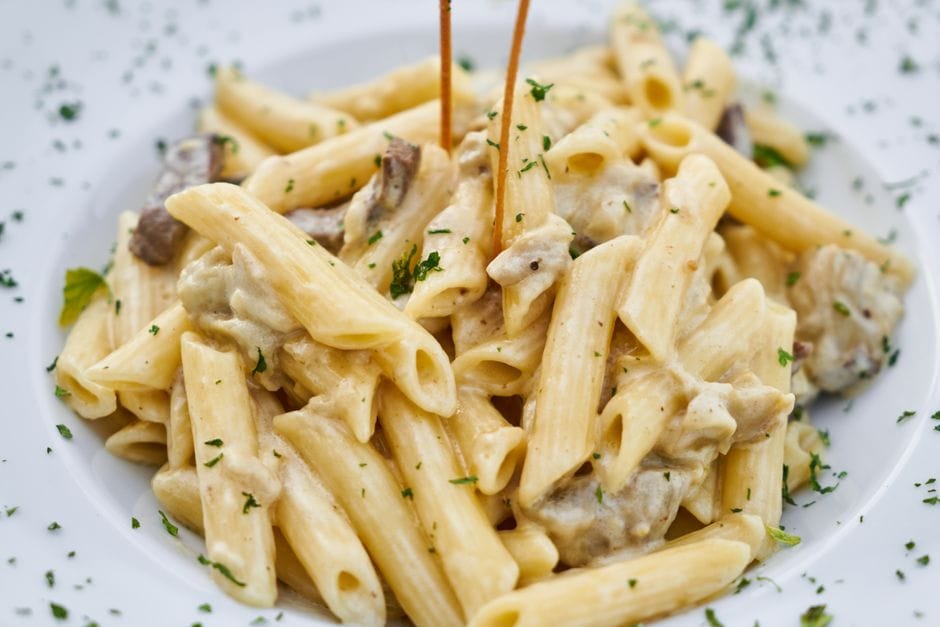
Vegan mac and cheese can be genuinely creamy, savory, and satisfying without a drop of dairy. This guide covers two proven sauce approaches: a blended cashew sauce that turns silky in a high-speed blender in minutes, and a nut-free potato-carrot sauce that coats pasta with a naturally golden, almost identical color and texture. Both are 100 percent plant-based, both work on a weeknight, and both hold up as leftovers.
The secret to either version is not mimicking dairy exactly. It is building a sauce with the right fat content, the right acid for brightness, nutritional yeast for that savory depth, and enough starch or body to cling to the noodles. Nail those elements and the result is a bowl of mac and cheese you will make on repeat.
Why This Recipe Works
Vegan cheese sauces fail in one of two ways: they taste flat, or they turn gluey. Both problems come down to balance.
Cashews are high in natural fat (roughly 46 percent by weight), and when soaked and blended smooth, they produce a sauce with genuine body and a mild, buttery flavor. Unlike coconut cream, cashews do not compete with the savory notes you are building. The fat carries flavor the same way dairy does.
Nutritional yeast is non-negotiable. It supplies glutamate-driven umami that reads as cheese to your palate. Two tablespoons is a starting floor; four tablespoons is a better target for a pronounced flavor. Lemon juice provides the acid that cheese gets from fermentation. Garlic powder and a pinch of turmeric round the flavor and give the sauce its warm yellow hue without tasting like a spice cabinet.
For the potato-carrot version, the starch from Yukon Gold potatoes thickens the sauce naturally as it blends, so no roux and no cornstarch are needed. Carrots add sweetness and deepen the orange-gold color. The ratio that works: roughly three parts potato to one part carrot by volume. Go heavier on carrot and the sauce tastes sweet; go lighter and the color turns pale.
Pasta water is the final piece. It is starchy, already salted, and thin enough to loosen the sauce without watering it down. Always reserve a full cup before you drain.
Key Ingredients and What They Do
Raw cashews (cashew method). Use raw, unsalted cashews, not roasted. Roasted cashews add a toasty flavor that does not belong here. Quick-soak them in just-boiled water for 15 to 20 minutes; longer is fine but not necessary if you have a powerful blender.
Yukon Gold potatoes (potato-carrot method). Waxy potatoes blend smoother than starchy russets. Peel and dice them so they cook in 15 to 20 minutes alongside the carrots. One cup diced potato plus one-third cup diced carrot makes enough sauce for six servings of pasta.
Nutritional yeast. This is the flavor engine of the sauce. Three to four tablespoons deliver a savory, slightly cheesy depth. It also adds protein and B vitamins. Do not substitute brewer's yeast, which is bitter.
Lemon juice. Fresh-squeezed is noticeably better than bottled. One to two tablespoons brightens the whole sauce and mimics the tang of aged cheese.
Dijon mustard. Half a teaspoon adds complexity and acts as an emulsifier, helping the sauce stay smooth rather than separating.
Turmeric. A quarter teaspoon does nothing for flavor but turns the sauce the same golden-yellow shade you expect from macaroni and cheese. Leave it out and the sauce looks pale.
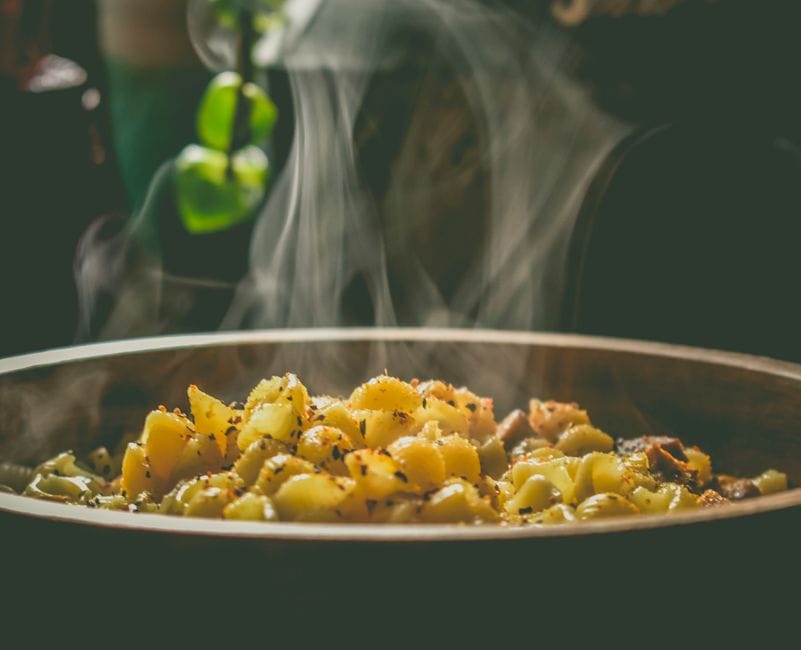
Pasta shape. Elbow macaroni is classic but shells are arguably better because the cup shape traps sauce inside each piece. Both work. Avoid long pasta here; the sauce is thick and does not coat spaghetti well.
Method Tips for a Perfect Sauce
Blend long enough. A cashew sauce needs at least 60 seconds in a high-speed blender to go from grainy to completely smooth. If your blender is not a high-powered model (Vitamix, Blendtec, or similar), soak the cashews for a full hour before blending. Stopping too early leaves a slightly gritty texture that no amount of stirring will fix.
Do not overcook the pasta. The noodles will spend another minute or two in the warm sauce, so pull them at the early end of the package time. Mushy macaroni absorbs sauce instead of wearing it.
Add pasta water gradually. Start with half a cup of reserved pasta water in the blender, blend, then check consistency. The sauce should be pourable but not thin. You can always add more water; you cannot take it back out.
Season at the end. Salt the pasta water generously, but hold final seasoning until the sauce is combined with the pasta. The starch in the noodles absorbs salt, so what tastes right in the blender may need another pinch once everything is mixed.
For the baked version. Transfer the sauced pasta to a greased 9x13 inch dish. Mix 1.5 cups panko breadcrumbs with 4 tablespoons melted vegan butter and a pinch of smoked paprika, scatter over the top, and bake at 350 degrees Fahrenheit for 15 minutes. Broil for two minutes at the end to get a golden crust.
Sauce thickens as it sits. Both the cashew and the potato-carrot sauce continue to thicken off heat. When reheating, always add a splash of plant milk or water and stir over low heat.
Variations Worth Trying
Nut-free version. Follow the potato-carrot sauce recipe below exactly. It is every bit as creamy as the cashew version and safe for anyone with tree-nut allergies. Adding two tablespoons of olive oil to the blender helps the sauce emulsify and adds a richer mouthfeel.
Smoky bacon-style mac. Add half a teaspoon of smoked paprika and a quarter teaspoon of liquid smoke to the cashew sauce before blending. Top each bowl with crumbled crispy baked tofu or store-bought vegan bacon bits.
Broccoli mac. Steam or blanch two cups of small broccoli florets and stir them in just before serving. The Vegan Richa version adds broccoli directly to the pan and lets it cook in the sauce for three to four minutes, which keeps it crisp-tender.
Spicy version. Add half a teaspoon of sriracha and a pinch of cayenne to the sauce. A finely diced pickled jalapeno stirred in at the end adds heat and acid without making the sauce watery.
Higher protein. Use chickpea-based or lentil pasta in place of regular elbow macaroni. The sauce works identically and the protein per serving climbs significantly.
Serving and Storage
Serve vegan mac and cheese immediately after combining sauce and pasta. It is at its creamiest in the first ten minutes. For a complete meal, pair it with a simple green salad, roasted broccoli, or steamed peas stirred directly into the bowl.
Storage. Refrigerate leftovers in an airtight container for up to four days. The sauce will thicken considerably as it chills; this is normal.
Reheating. Add two to three tablespoons of water or unsweetened plant milk per serving, cover, and microwave on medium power for 90 seconds, then stir and continue in 30-second bursts. On the stovetop, reheat over low heat with the added liquid, stirring constantly.
Freezing. The cashew sauce freezes well on its own (up to two months) but the combined dish does not freeze as cleanly because pasta changes texture. If you want to batch-cook, freeze the blended sauce separately and cook fresh pasta when you are ready to serve.
The recipe
Creamy Vegan Mac and Cheese
Prep
15 min
Cook
15 min
Makes
4 to 6
Ingredients
- 12 oz (340g) elbow macaroni or shell pasta
- 1.5 cups (210g) raw unsalted cashews
- 0.5 to 1 cup reserved pasta water
- 3 tablespoons fresh lemon juice (about 1 large lemon)
- 4 tablespoons nutritional yeast
- 0.5 teaspoon garlic powder
- 0.5 teaspoon Dijon mustard
- 0.25 teaspoon ground turmeric
- 1.25 teaspoons fine sea salt, plus more to taste
- A pinch of black pepper
- Optional: 0.5 teaspoon smoked paprika for a deeper flavor
Instructions
- 1 Place cashews in a heatproof bowl and cover with just-boiled water. Soak for 15 to 20 minutes, then drain and rinse.
- 2 Bring a large pot of well-salted water to a boil. Cook pasta according to package directions until just al dente. Before draining, scoop out 1 cup of pasta water and set it aside. Drain the pasta and return it to the pot off the heat.
- 3 Add the soaked, drained cashews to a high-speed blender along with 0.5 cup of the reserved pasta water, lemon juice, nutritional yeast, garlic powder, Dijon mustard, turmeric, salt, and black pepper. Blend on high for 60 to 90 seconds until completely smooth. The sauce should be pourable and creamy. Add more pasta water one tablespoon at a time if it looks too thick.
- 4 Pour the cashew sauce over the drained pasta. Stir well over low heat for 1 to 2 minutes until the sauce thickens slightly and coats every piece of pasta evenly. Add a splash more pasta water if needed to loosen.
- 5 Taste and adjust seasoning, adding more salt, lemon juice for brightness, or nutritional yeast for a stronger cheese flavor. Add smoked paprika now if using.
- 6 Serve immediately in warm bowls.
Notes
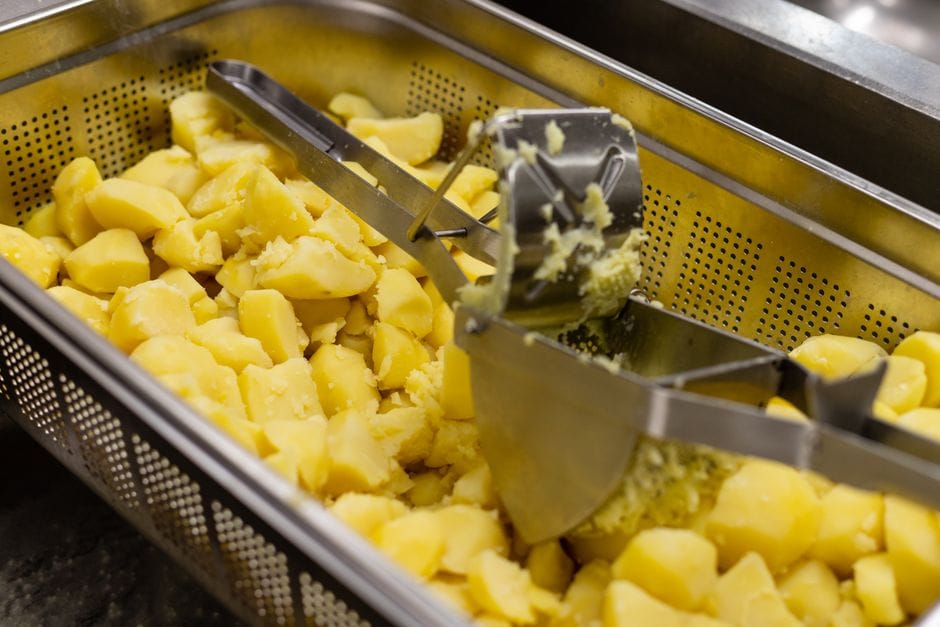
- ·NUT-FREE POTATO-CARROT VERSION: Replace cashews with 2 cups diced Yukon Gold potato and 0.67 cup diced carrot. Simmer both in water for 18 to 20 minutes until completely tender. Drain, then blend the cooked vegetables with 0.33 cup olive oil, 0.33 cup water, 1 tablespoon lemon juice, 0.5 cup nutritional yeast, 0.25 teaspoon garlic powder, 0.25 teaspoon onion powder, and salt to taste. Blend until silky smooth and pour over 16 oz cooked pasta.
- ·BAKED VERSION: Transfer sauced pasta to a greased 9x13 inch baking dish. Mix 1.5 cups panko breadcrumbs with 4 tablespoons melted vegan butter and a pinch of smoked paprika. Scatter over the top and bake at 350 degrees Fahrenheit (175 Celsius) for 15 minutes. Broil 2 minutes to brown.
- ·The sauce thickens as it sits. Always reheat with a splash of plant milk or water.
- ·A Vitamix or high-powered blender gives the smoothest result. If using a standard blender, soak cashews for a full 60 minutes.
Calories
390
Protein
14g
Fat
17g
Carbs
47g
Frequently asked questions
Can I make vegan mac and cheese without a high-speed blender?+
Yes. Soak the cashews for a full hour in room-temperature water rather than a quick soak in hot water. This softens them enough for a standard blender to produce a reasonably smooth sauce. Blend for 2 to 3 minutes, stopping to scrape down the sides. The potato-carrot version is actually easier in a standard blender because cooked vegetables blend much more easily than raw nuts.
Why does my vegan mac and cheese sauce taste bland?+
The two most common causes are under-salting and not enough nutritional yeast. Season the pasta water generously (it should taste like mild sea water), and do not be shy with the nutritional yeast; go up to 5 or 6 tablespoons if you want a stronger cheese flavor. A squeeze of extra lemon juice also lifts the whole sauce and makes it taste more complex.
Is vegan mac and cheese gluten-free?+
The sauce itself (cashew or potato-carrot) is naturally gluten-free. To make the full dish gluten-free, use a certified gluten-free pasta such as a rice-based or chickpea-based elbow macaroni. The panko topping for the baked version should be swapped for gluten-free breadcrumbs.
Can I prepare the sauce ahead of time?+
Yes. Both sauces keep refrigerated in a sealed jar for up to four days. The cashew sauce also freezes well for up to two months. When ready to serve, warm the sauce in a small saucepan over low heat, stirring in a few tablespoons of water or plant milk to restore its pourable consistency before tossing with freshly cooked pasta.
Written by
VeganDigest Editorial is the small independent team that researches and fact-checks this site. We are not doctors or dietitians. For every is-it-vegan verdict we read the product's current ingredient list and manufacturer information, and for anything health-related we report guidance from recognized bodies such as the NHS, the Vegan Society, and the Academy of Nutrition and Dietetics rather than offering medical advice. Every page shows the date it was last verified, and our full process is on the How We Verify page.
Comments