A Guide to Tempeh: What It Is and How to Use It

In this guide8
I ignored tempeh for years because the one block I tried early on tasted like bitter cardboard, and I quietly decided it wasn't for me. Then a friend served me tempeh "bacon" on a sandwich and I asked her three times what it was, because it was smoky, chewy, and genuinely delicious.
It turned out I hadn't bought a bad product the first time. I'd just had no idea what tempeh actually was or how to handle it. Once I understood that it's fermented whole soybeans and not some weird tofu cousin, everything about cooking it clicked.
So let me give you the orientation I wish I'd had. Not a recipe, but the actual answer to "what is this dense brown brick and why should I keep it in my fridge."
What Tempeh Actually Is
Tempeh is whole soybeans that have been cooked and then fermented with a culture, usually a mold called Rhizopus oligosporus, that grows through the beans and knits them together into a firm, sliceable cake. That fermentation step is the entire identity of tempeh.
The culture forms a white, slightly fuzzy web around the beans, the same way good cheese develops a rind, and that web is what holds the block together so you can slice it into clean planks.
It comes from Indonesia, where it has been a dietary staple for centuries, and it's still made fresh and eaten daily there. You can read the fuller history on the Wikipedia entry for tempeh if you want the background.
The short version is that this is an old, traditional food, not a modern meat-substitute invention, which is part of why it tastes like its own thing rather than a pale imitation of something else.
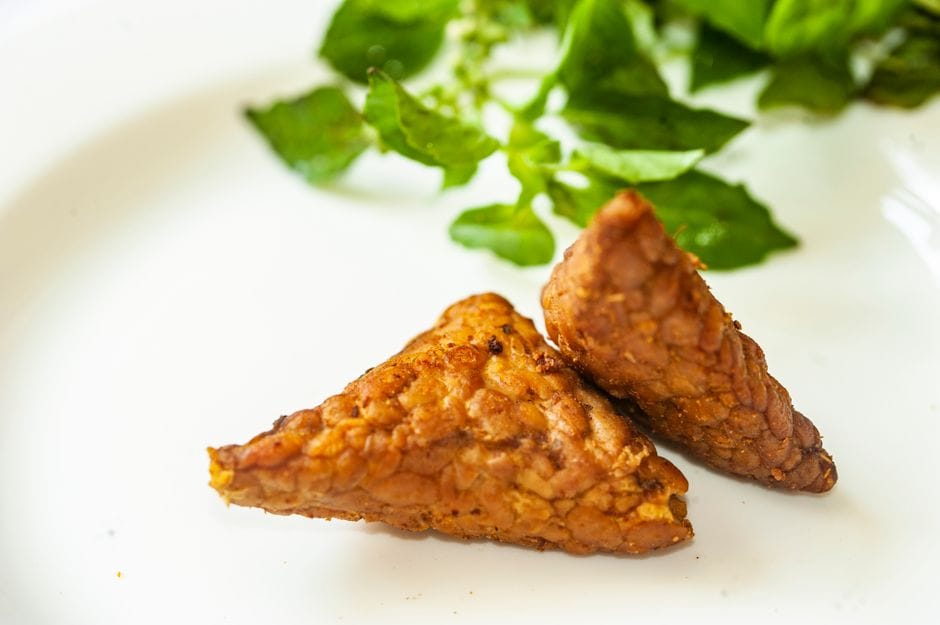
The texture is the giveaway. Pick up a block and you can see the individual beans pressed into a solid slab, marbled with that white culture. It's dense, nutty, and a little chewy, with an earthy, savory, almost mushroomy depth that comes from the fermentation.
If you've only ever eaten soft, neutral tofu, tempeh will surprise you. It has a personality.
Tempeh is naturally vegan, since plain tempeh is just soybeans, culture, and sometimes a bit of vinegar. The only time I double-check is with flavored or pre-marinated blocks, because a smoky strip or a teriyaki variety can sneak in honey or other animal-derived ingredients.
When that happens, I run the label through our vegan ingredient checker or search the Is It Vegan database before I commit.
The Nutrition: This Is Where Tempeh Wins
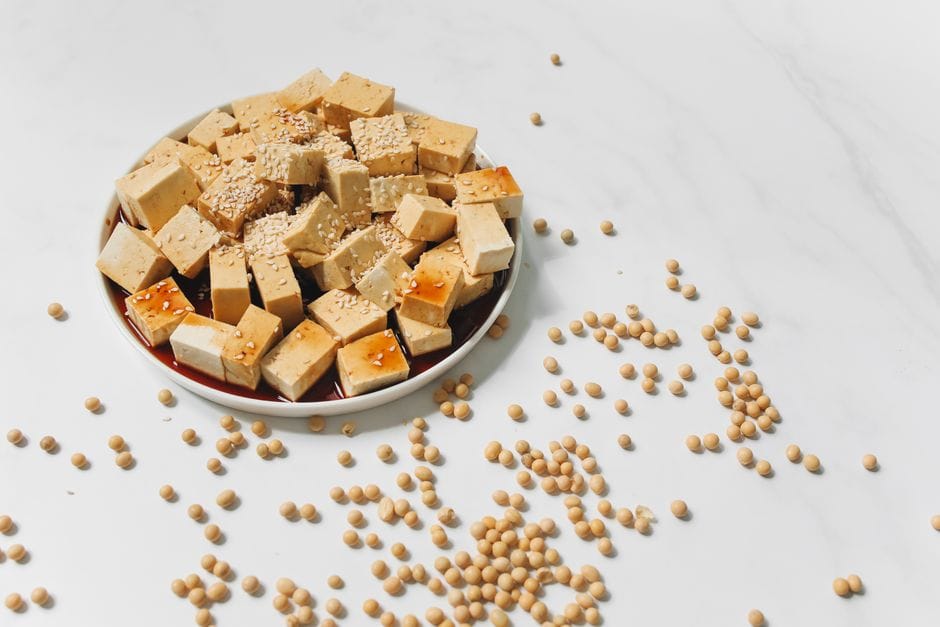
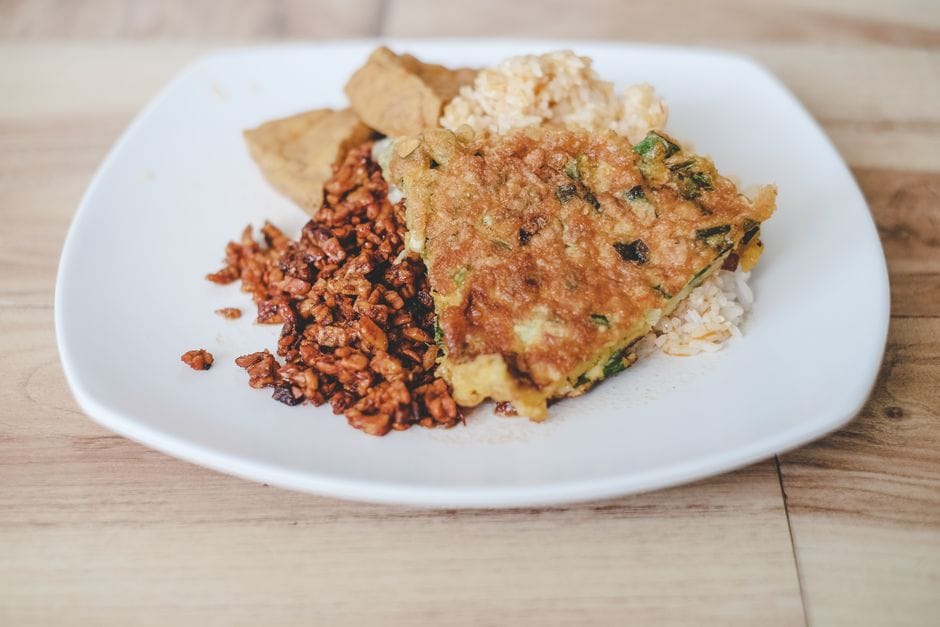 Photo: rakhmat suwandi / Pexels
Here's the number that made me a convert: a 100 gram serving of tempeh has roughly 19 to 20 grams of protein. That's more than the same weight of firm tofu, and it's a complete protein, meaning it contains all nine essential amino acids your body can't make on its own. For a whole, minimally processed plant food, that's outstanding.
But protein isn't the whole story. Because tempeh keeps the entire soybean, it brings real dietary fiber to the table, around 7 to 9 grams per 100 grams, which tofu doesn't have at all (tofu is made from strained soy milk, so the fiber gets left behind).
That fiber is part of why tempeh is so filling. A tempeh sandwich keeps me satisfied for hours in a way a lighter tofu dish sometimes doesn't.
The fermentation does a couple of useful things too. It breaks down some of the compounds in raw soybeans that can make them harder to digest, and it makes certain minerals more available to your body.
Tempeh also delivers iron, calcium, magnesium, and a good hit of B vitamins. It is genuinely one of the most nutrient-dense plant proteins you can put in a bowl.
If you want a reliable overview of soy foods and health, the Vegan Society's protein guidance is a solid, non-hyped read.
One honest caveat: plain tempeh is low in sodium, but flavored and pre-marinated versions can be salty, so glance at the label if that matters to you. The blocks themselves are a clean ingredient. It's the seasoning that adds the salt.
Tempeh vs Tofu: They Are Not the Same Thing
This trips up nearly everyone, so let me be clear. Tempeh and tofu both come from soybeans, and that is where the similarity ends.
Tofu is made by curdling soy milk and pressing the curds into a block, a bit like making cheese from dairy. It's smooth, the soybeans are strained out, and it comes in a range of textures from silky to super-firm.
It's mild and neutral, which is exactly why it's so versatile. If tofu is new to you, our complete guide to tofu breaks down every type.
Tempeh keeps the whole bean and ferments it, so it's denser, nuttier, chewier, and more savory straight out of the package. It doesn't come in soft or silken versions; it's always firm and sliceable. Where tofu absorbs the flavors you give it like a blank canvas, tempeh brings its own fermented, earthy base note that you build on top of.
The practical takeaway: reach for tofu when you want something that can be silky, neutral, or crisped into any shape, and reach for tempeh when you want something hearty, meaty, and substantial with built-in depth. I genuinely use both every week, for different jobs. They're teammates, not rivals.
The Varieties You'll Find at the Store
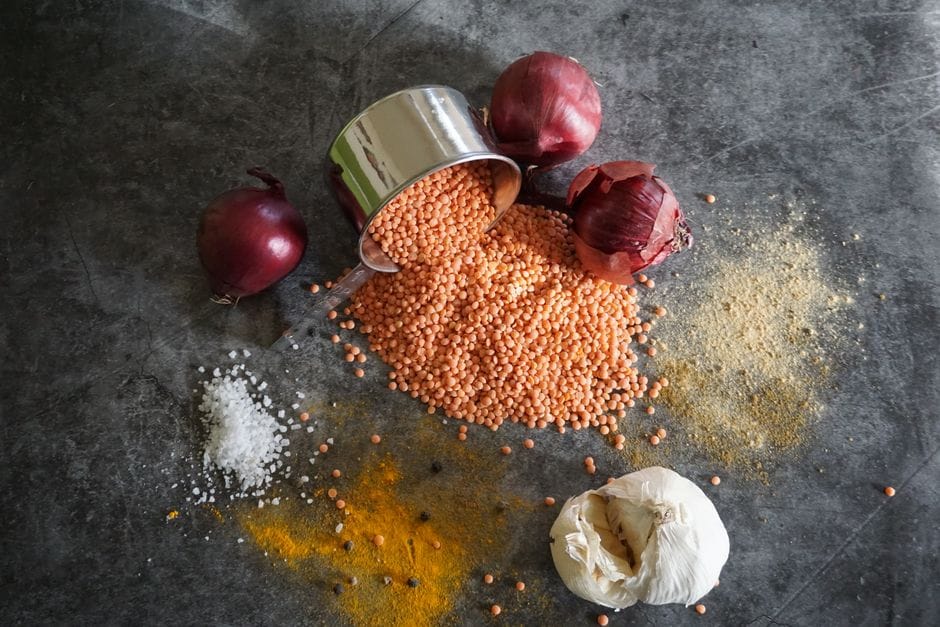
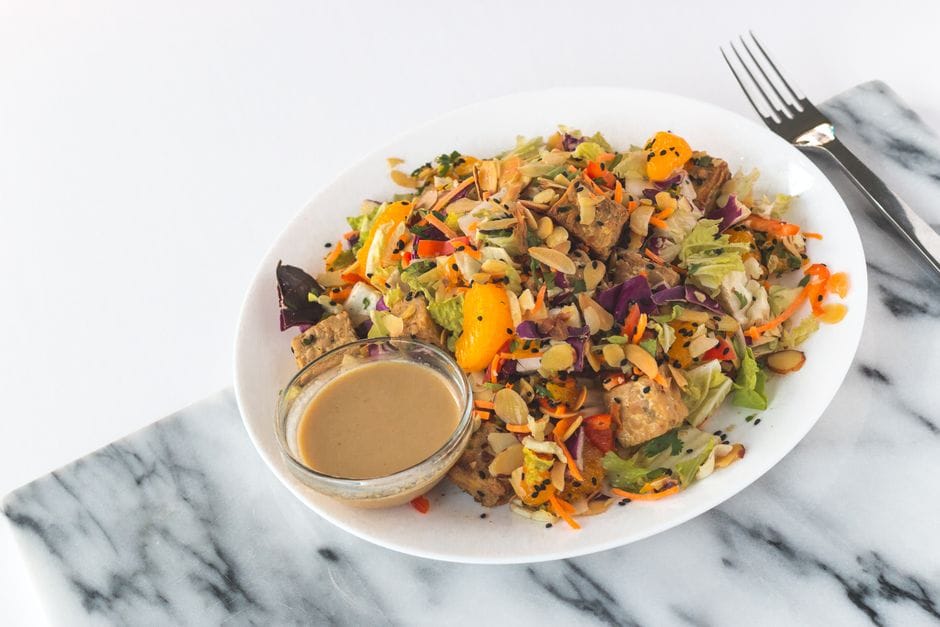 Photo: Loren Castillo / Pexels
Not all tempeh is the same, and knowing the differences saves you from another bitter-cardboard moment.
Pure soybean tempeh is the classic. It's the firmest and nuttiest, with the most assertive fermented flavor, and it holds up best when you slice it into clean strips, planks, or cubes. This is my default for anything I want to crisp.
Multigrain tempeh blends the soybeans with grains like brown rice, barley, or millet. These blocks are a little softer and milder, with less of that sharp fermented edge. If a strong first impression once put you off tempeh, a multigrain block is a friendly place to restart.
Flavored and pre-marinated tempeh comes in smoky, teriyaki-style, and various seasoned versions. They're convenient, but they're also where animal ingredients occasionally hide, so check the label. Plain blocks give you the most control anyway.
For US brands, you'll most often find Lightlife and Tofurky, both widely stocked and reliable. SoyBoy and Trader Joe's own version show up regularly too. If you have an Asian grocery nearby, look for fresh local tempeh, often sold refrigerated or even frozen in plastic.
Fresh tempeh has a livelier flavor and texture, and it's worth grabbing when you spot it.
A quick word on what's normal, because the appearance scares people. The white fuzz is the culture and it's supposed to be there. Small gray or black spots are mature areas of that culture and are completely fine, like the bloom on a good aged cheese.
The only time you toss a block is if you see fuzzy pink, yellow, or blue patches, or if it smells strongly of ammonia. Healthy tempeh smells nutty and mushroomy, not sour.
Why You Steam It First
If you take one practical thing from this guide, make it this: steam your tempeh for about ten minutes before you cook it. I learned this the hard way, and it's the difference between tempeh I love and the bitter brick that scared me off for years.
Tempeh has a natural bitterness baked in, from the soybeans and from the fermentation cultures doing their work. Some batches are mild and some are sharp, and you can't tell from the package which one you've got. When you cook tempeh straight from the fridge, that bitter, earthy quality stays locked in and even concentrates as the surface browns.
The good news is that the bitterness is water soluble and heat sensitive. A quick steam or simmer pulls most of it out before you've added a single seasoning.
Slice the block into whatever shape you want, set it in a steamer basket over simmering water for about ten minutes (or simmer the pieces directly in plain water and drain them well), and the bitterness drops away.
Steaming does a second favor: it opens up the dense block and turns it porous, so it soaks up marinade instead of bouncing it off. Steamed tempeh acts like a sponge. Raw tempeh acts like a wall.
This is the whole trick, and I go deep on the technique, marinades, and crisping methods in our dedicated guide to how to cook tempeh. For now, just remember: steam first, season after.
The Best Ways to Actually Use Tempeh
Once you understand what tempeh is, the uses open up fast. Here are the ones I come back to constantly.
Tempeh bacon is the gateway dish, the one that converts skeptics. Slice the block as thinly as you can, steam it, then marinate it in soy sauce, maple syrup, smoked paprika, and a little tomato paste, and pan-fry until the edges go crackly and caramelized.
It's smoky, chewy, and salty, and it's incredible on a sandwich or crumbled over a salad. The firm, sliceable structure of tempeh is what makes those clean bacon-like strips possible.
Crumbled tempeh is its best party trick. Steam the block, then crumble it with your hands or a fork into small, irregular pieces and brown them hard in an oiled pan.
The texture lands shockingly close to seasoned ground meat, which makes it perfect for tacos, chili, pasta sauce, and stuffed peppers. Season it confidently with chili powder, cumin, smoked paprika, and garlic, and finish tacos with avocado and a spoon of vegan sour cream.
The fermented depth gives these crumbles more savory complexity than a basic plant crumble.
Tempeh sandwiches and wraps are where the protein and fiber really earn their keep. Steamed, marinated, pan-fried planks layered with crisp lettuce, tomato, and a swipe of vegan mayo make a sandwich that actually holds you until dinner. This is my go-to work lunch, because it travels well and doesn't get sad and soggy.
Grain bowls and stir-fries round it out. Cube the steamed tempeh, glaze it, and pile it over rice or quinoa with roasted vegetables. Because tempeh holds its shape and doesn't crumble apart in a hot pan the way soft tofu can, it's forgiving in a busy stir-fry.
If you usually cook with tofu and want to compare how the two behave, our notes on how to cook tofu make a useful side-by-side.
How to Store It So It Lasts
Tempeh keeps well, which is part of why I always have a block on hand.
Unopened, store tempeh in the fridge and use it by the date on the package, which is usually a couple of weeks out. It's a fermented food, so it's more shelf-stable than you'd expect, but the fridge is still where it belongs unless your package specifically says it was sold frozen.
Once opened, wrap the leftover block tightly in plastic or stash it in an airtight container and use it within about four to five days. The culture keeps slowly working, so older opened tempeh can taste sharper and more ammoniated. If it smells strongly sour or ammonia-like, that's your cue to let it go.
For longer storage, freeze it. Tempeh freezes beautifully for up to a few months, with no real loss in texture, which is a genuine advantage over soft tofu. I slice or cube the block first so I can pull out exactly what I need, then thaw it in the fridge overnight or steam it straight from frozen, adding a few extra minutes.
Freezing is the move when you spot fresh local tempeh and want to stock up.
One thing not to do: don't leave opened tempeh loosely covered in the fridge for a week and expect it to taste the way it did on day one. Like any fermented food, it keeps evolving. Wrap it well and use it while it's fresh, and it'll reward you.
The Takeaway
Tempeh is fermented whole soybeans pressed into a firm, nutty cake, and once you know that, it stops being intimidating. It out-proteins tofu, brings fiber and fermentation benefits tofu can't, and holds its shape for everything from smoky bacon strips to ground-meat-style crumbles.
The single rule that turns skeptics into regulars is to steam it for ten minutes first to chase off the bitterness, then season it boldly. Keep a block in your fridge or your freezer, treat it like the hearty, savory protein it is, and it'll quickly become one of those ingredients you reach for without thinking.
Frequently asked questions
What is tempeh made of?+
Tempeh is made from whole soybeans that have been cooked and then fermented with a culture called Rhizopus oligosporus. The culture grows through the beans and binds them into a firm, sliceable cake. Plain tempeh usually contains just soybeans, the culture, and sometimes a splash of vinegar, which makes it one of the least processed plant proteins you can buy.
Is tempeh healthier than tofu?+
They're both excellent, but they're different. Tempeh keeps the whole soybean, so it has more protein and real fiber that tofu doesn't have, plus the benefits of fermentation. Tofu is softer, milder, and more versatile across textures. I keep both in my fridge and reach for tempeh when I want something hearty and meaty and tofu when I want something silky or neutral.
Do you have to cook tempeh before eating it?+
Most tempeh sold in the United States is pasteurized, so it's technically safe to eat without cooking. But it tastes far better cooked, and raw tempeh is where the chalky, bitter quality is strongest. At minimum, steam or simmer it for about ten minutes, which softens it and pulls out most of the bitterness before you season it.
What are the white and dark spots on tempeh?+
The white, slightly fuzzy coating is the fermentation culture itself, and it's completely normal and good. Small gray or black spots are also fine; they're just mature areas of the culture, similar to the bloom on aged cheese. Toss the block only if you see fuzzy pink, yellow, or blue patches, or if it smells strongly of ammonia.
Written by
VeganDigest Editorial is the small independent team that researches and fact-checks this site. We are not doctors or dietitians. For every is-it-vegan verdict we read the product's current ingredient list and manufacturer information, and for anything health-related we report guidance from recognized bodies such as the NHS, the Vegan Society, and the Academy of Nutrition and Dietetics rather than offering medical advice. Every page shows the date it was last verified, and our full process is on the How We Verify page.
Comments