How to Get Enough Protein on a Vegan Diet
In this guide8
- 01How much protein do you actually need
- 02The "complete protein" myth, finally put to rest
- 03Soy: tofu, tempeh, edamame, and soy milk
- 04Seitan: the highest-protein plant food going
- 05Lentils, beans, and chickpeas
- 06Nuts, seeds, and the supporting cast
- 07A real sample day that clears 90 grams
- 08The honest bottom line
For about a year after I stopped eating meat, the question I got most was not "but what about bacon," it was "but where do you get your protein." It came from coworkers, from my own mother, from a personal trainer at my gym who looked genuinely concerned for my wellbeing.
And for a while I let it rattle me. I bought the powders, I weighed my food, I treated dinner like a chemistry assignment.
Then I actually sat down and did the math on what I was eating on an ordinary, unremarkable day, and the punchline was almost funny: I was getting plenty. I had been getting plenty the whole time. The anxiety was doing more harm than the diet ever could.
So here is the guide I wish someone had handed me back then. No fearmongering, no magic, and no pretending plant protein is some delicate thing you have to engineer. It is mostly just food, and once you know the numbers, you stop thinking about it at all.
How much protein do you actually need
Let me get the real number out of the way, because almost everyone overestimates it. The standard recommendation for a healthy adult is about 0.8 grams of protein per kilogram of body weight per day.
For someone who weighs 70 kilograms, around 154 pounds, that is roughly 56 grams a day. That is it. Not 150, not "a gram per pound," not the number on the side of a tub of powder.
The higher figures you see everywhere are aimed at people who are seriously training. If you lift weights, run distances, or you are older than about 65 and trying to hold onto muscle, then yes, you benefit from more, somewhere in the 1.2 to 1.6 grams per kilogram range.
The Vegan Society notes that plant eaters may aim a little above the bare minimum to account for slightly lower digestibility, which is a sensible nudge, not a crisis. For most people reading this, the target is somewhere between 50 and 90 grams a day, and as you will see, that is not hard to clear.
The other thing nobody tells you: spreading protein across your meals matters more than nailing a perfect daily total. Your body uses protein best in moderate doses through the day rather than one enormous hit at dinner. Aim for a meaningful chunk, say 20 to 30 grams, at breakfast, lunch, and dinner, and the math takes care of itself.
The "complete protein" myth, finally put to rest
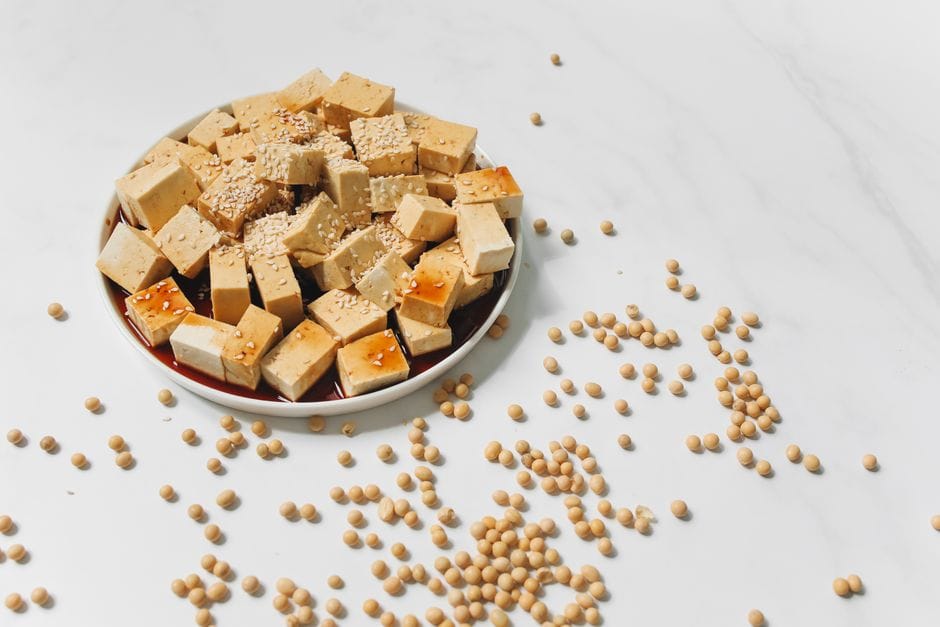
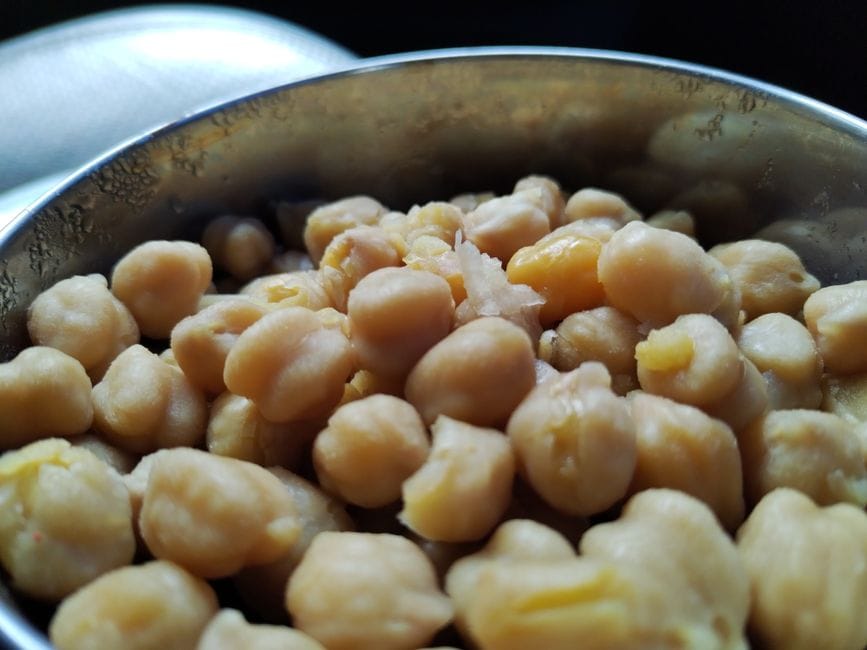 Photo: Wan Fun / Pexels
This is the one I want to spend a minute on, because it is the single most persistent piece of bad advice in plant eating. You have probably heard that plant proteins are "incomplete" and that you must combine them, rice with beans, hummus with pita, in the same meal to get all nine essential amino acids.
It is not true, and it has not been true in any serious nutrition circle for a long time. The idea traces back to a 1971 book, and the author herself walked it back in later editions, saying the combining rule was a mistake.
Your body does not need every amino acid to arrive in the same bowl at the same moment. It maintains a circulating pool of amino acids and assembles what it needs from everything you have eaten across the day.
Eat lentils at lunch and rice at dinner and your body pairs them up just fine.
Even the "incomplete" framing is shaky. Lots of plant foods contain all nine essential amino acids; some are just lower in one of them, usually lysine or methionine. And soy, which we will get to, is a genuinely complete protein on its own, no pairing required.
The practical rule is laughably simple: eat a variety of plant foods over the course of a normal week and you will get every amino acid you need without thinking about it once. If you want the deeper background, the complete protein entry lays out the history of how this myth took hold.
Soy: tofu, tempeh, edamame, and soy milk
If I could give a new vegan only one category to lean on, it would be soy, because gram for gram it is the most efficient and complete protein on the plant side. Let me give you the real numbers, because vague reassurance is useless.
Tofu runs about 8 to 10 grams of protein per 100 grams for firm, and noticeably more for the extra-firm and super-firm blocks, which can hit 14 to 18 grams per 100 grams because they hold less water. A standard block is often 350 to 400 grams, so a block of firm tofu is easily 30-plus grams of protein.
Brands like House Foods super-firm and Wildwood are denser than the soft stuff you find floating in water. If your tofu has been turning out bland and watery, the fix is almost always technique, and our walkthroughs on pressing tofu and cooking tofu will change your opinion of the ingredient.
For the full picture, the guide to tofu covers every type.
Tempeh is the heavyweight: roughly 18 to 20 grams of protein per 100 grams. It is fermented whole soybeans pressed into a firm, nutty cake, so it carries more protein and fiber than tofu and has actual chew. A 225-gram package is around 40 grams of protein.
It took me three tries to like it; the trick was a proper steam-then-marinate, which our tempeh cooking guide walks through. The tempeh guide covers brands like Lightlife and Tofurky and how to pick a good one.
Edamame is the easiest win in this whole article. A cup of shelled edamame is about 18 grams of protein, they take five minutes from frozen, and you eat them with a pinch of salt like a snack. Frozen shelled edamame from any supermarket freezer is one of the highest protein-per-effort foods that exists.
Soy milk is the only plant milk that competes with dairy on protein, at roughly 7 to 8 grams per cup, compared to under 1 gram for most almond and oat milk. If you are using a plant milk to boost protein, soy is the one.
Our soy milk guide covers which brands actually deliver and which are watered down.
Seitan: the highest-protein plant food going
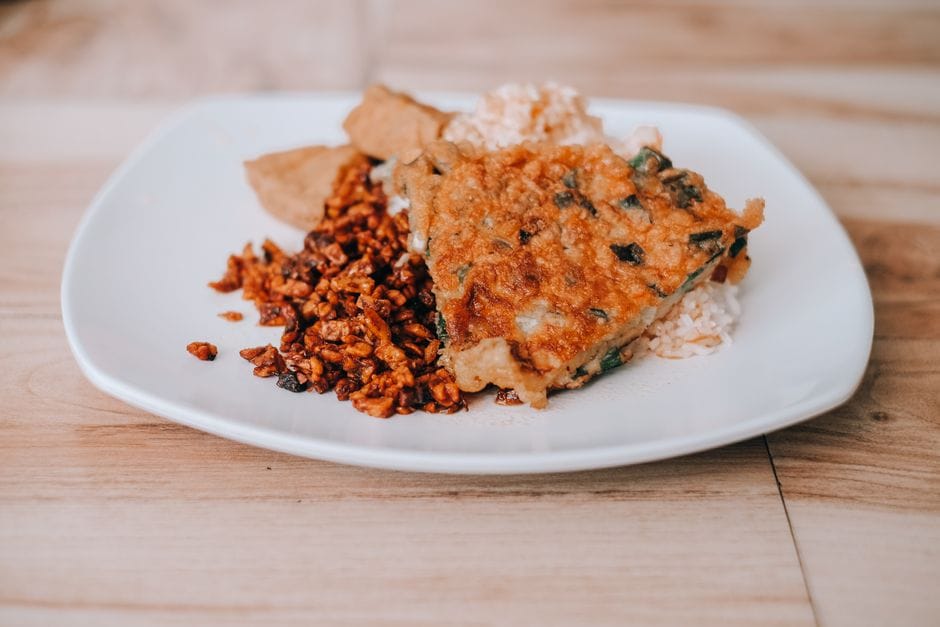
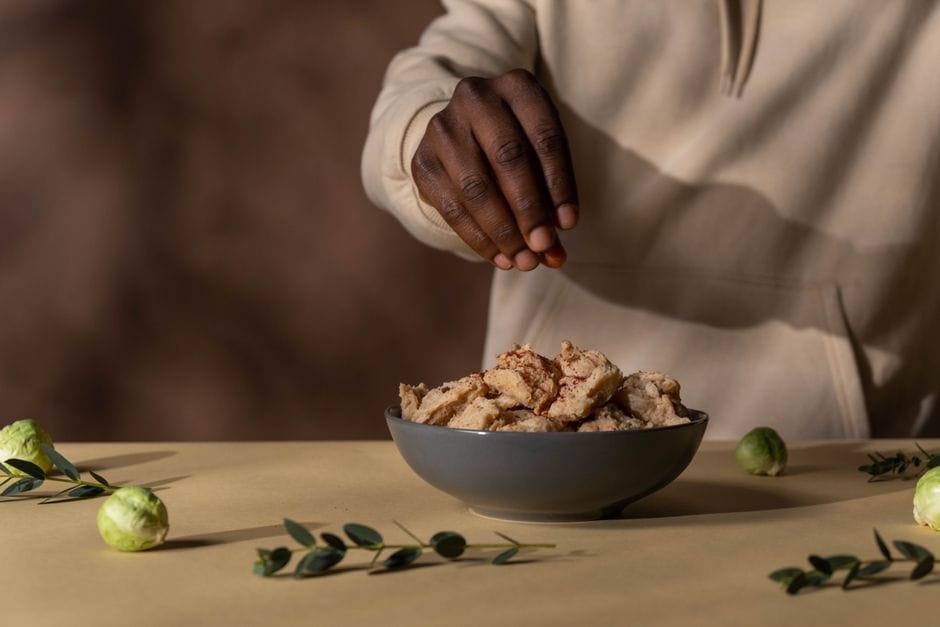 Photo: cottonbro studio / Pexels
If soy is the foundation, seitan is the secret weapon. It is wheat gluten, the protein of wheat with the starch washed away, and it clocks in at a startling 21 to 25 grams of protein per 100 grams, the highest of any whole plant food on this list.
Texture-wise it is the closest thing to meat you can make in your own kitchen, chewy and savory and genuinely satisfying in a sandwich or a stir-fry.
The obvious caveat: it is pure wheat gluten, so it is off the table if you are celiac or avoiding gluten. For everyone else, it is cheap, it freezes well, and you can make it from a bag of vital wheat gluten flour in under an hour.
The one thing to know is that seitan made from gluten flour alone is a little low in lysine, so eat it alongside beans or lentils across your day and you have covered the gap without a single conscious thought. Our seitan recipe is the place to start if you have never tried it; the first batch I made was rubbery because I kneaded it too long, and the guide tells you exactly how to avoid that.
Lentils, beans, and chickpeas
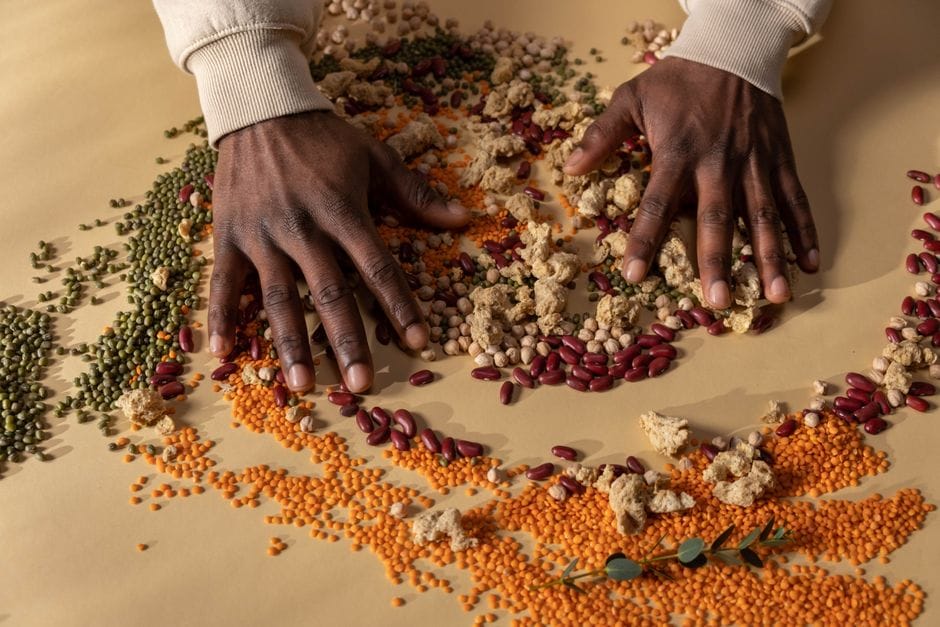
This is the affordable backbone of plant protein, the stuff that has fed most of the world for most of history. The numbers per cooked cup:
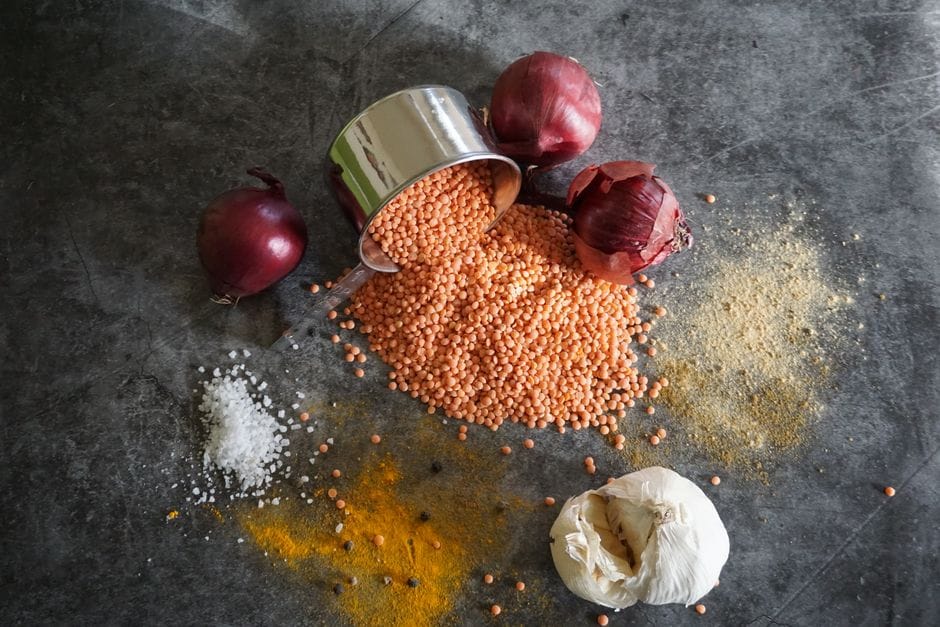
Lentils: about 18 grams of protein, plus a wall of fiber. They need no soaking and cook in 20 to 40 minutes from dry. If you only learn to cook one pulse well, make it this one; our lentil cooking guide covers every type.
Chickpeas: about 15 grams per cooked cup. They become hummus, they roast into a crunchy snack, they hold their shape in a curry. The drained liquid from a can, by the way, is aquafaba, a genuinely useful egg replacer.
Black beans, kidney beans, pinto beans: roughly 13 to 15 grams per cooked cup. Cheap, filling, endlessly flexible. A can costs about a dollar.
A note on canned versus dried, because people fret over it: canned is fine. The protein is the same. Dried is cheaper and gives you better texture if you have the time.
For a salad or a bowl where the bean is the star, cook from dry; for a weeknight chili, open a can and move on with your evening.
Nuts, seeds, and the supporting cast
These will not be the center of your plate, but they add up faster than you would think across a day. Peanut butter is about 7 to 8 grams of protein per two-tablespoon scoop, which is why a peanut butter sandwich on real bread is a more serious protein source than it gets credit for. Hemp seeds are an underrated star at around 9 to 10 grams per three tablespoons, with a complete amino acid profile, and you can shower them over almost anything. Pumpkin seeds, chia, and almonds all chip in 5 to 8 grams per serving.
Then there is nutritional yeast, which carries about 8 grams of protein in a quarter cup and tastes like cheese, which is why it ends up on everything I make; the nutritional yeast guide explains why it is worth keeping on the counter. And whole grains matter more than people expect: a cup of cooked quinoa is around 8 grams, and even regular pasta and bread quietly add several grams per serving.
You are getting protein from foods you do not even think of as protein.
A real sample day that clears 90 grams
Numbers in a list are abstract, so here is an ordinary day of food I actually eat, with the protein tallied. Nothing fancy, no powder required.
Breakfast: A bowl of oatmeal made with a cup of soy milk instead of water, topped with three tablespoons of hemp seeds and a spoon of peanut butter. Roughly 22 grams.
Lunch: A grain bowl with a cup of cooked lentils, a cup of quinoa, roasted vegetables, and a handful of pumpkin seeds. Roughly 28 grams.
Snack: A cup of edamame from the freezer with flaky salt while I make dinner. Roughly 18 grams.
Dinner: Half a block of pressed firm tofu, cubed and crisped, over rice with a peanut-ginger sauce and steamed greens. Roughly 24 grams.
That is about 92 grams of protein, comfortably above what almost anyone needs, from food that costs a few dollars and tastes like dinner rather than a supplement regimen. I did not combine a single thing on purpose, I did not track an amino acid, and I did not open a tub of powder.
If you do want a powder for convenience or a hard training target, pea and soy isolates are both excellent and add 20-plus grams in seconds. They are a tool, not a requirement.
And if you are ever unsure whether a packaged protein product is actually vegan, run it through our ingredient checker or search the Is It Vegan database before you buy.
The honest bottom line
Protein is the easiest nutrient to get on a vegan diet, not the hardest. The thing actually worth paying attention to is vitamin B12, which you do need to supplement, and that genuinely matters in a way protein does not.
Protein takes care of itself the moment you put tofu, lentils, beans, or seitan at the center of your meals instead of treating them as a sad side.
Stop counting, stop combining, stop apologizing at dinner parties. Build your plate around one solid protein source, let the grains and nuts and vegetables fill in the rest, and eat a normal variety of food across the week.
The numbers will land where they need to, and you will never have to answer "but where do you get your protein" with anything other than a shrug and a full plate.
Frequently asked questions
How much protein do I actually need on a vegan diet?+
The baseline figure is about 0.8 grams of protein per kilogram of body weight per day, which works out to roughly 50 to 60 grams for many adults. If you lift weights, run long distances, or are over about 65, aim higher, closer to 1.2 to 1.6 grams per kilogram. The honest takeaway is that most people need less than the fitness internet implies, and you can hit it on plants without tracking every meal once you build protein into the center of the plate.
Do vegans need to combine proteins to get all the amino acids?+
No, not at any single meal. The old idea that you must pair rice with beans in the same bowl to make a complete protein was based on a misreading and was retracted decades ago. Your body keeps a pool of amino acids and combines what you eat across the whole day. Eat a normal variety of beans, grains, soy, nuts, and vegetables and the amino acids sort themselves out. Soy, in particular, is already a complete protein on its own.
Is plant protein as good as animal protein?+
For practical purposes, yes, with two small caveats. Plant proteins are sometimes slightly lower in one or two amino acids and can be a little less digestible, so you may eat a touch more total to land in the same place. Soy, seitan, and a varied diet close that gap easily. The fiber, lack of cholesterol, and the rest of the package that comes with plant protein is a genuine advantage, not just a tie.
Can you build muscle on vegan protein?+
Absolutely, and plenty of strength and endurance athletes do. Muscle is built by training hard, eating enough total calories, and getting enough protein spread through the day, none of which require animal products. Soy, seitan, lentils, and a scoop of pea or soy protein powder make hitting a high target straightforward. The plants do not know they are supposed to be the underdog.
Written by
VeganDigest Editorial is the small independent team that researches and fact-checks this site. We are not doctors or dietitians. For every is-it-vegan verdict we read the product's current ingredient list and manufacturer information, and for anything health-related we report guidance from recognized bodies such as the NHS, the Vegan Society, and the Academy of Nutrition and Dietetics rather than offering medical advice. Every page shows the date it was last verified, and our full process is on the How We Verify page.
Comments