How to Veganize Any Recipe (A Simple Framework)
In this guide9
The first recipe I ever tried to veganize was my grandmother's lasagna, and I made every mistake at once. I bought a block of vegan cheese, shredded it, layered it the way she did, and pulled the pan out forty minutes later expecting a bubbling, golden top.
What I got was a pale, slightly sweaty layer that sat there refusing to brown, with little pools of oil around the edges. The flavor was fine. The dish looked wrong, and I had no idea why.
I had treated "cheese" as one thing you simply replace, instead of asking what the cheese was actually doing in that lasagna.
That lasagna taught me the only idea that matters here. You do not veganize a recipe by hunting for a plant-based clone of each animal ingredient. You veganize it by asking what each ingredient does, then swapping for something that does the same job.
Once that clicked, the whole thing got easy and a little bit fun. This is the framework I use now, broken down by category, including the one or two swaps that still fail on me and exactly why.
By the end you will be able to look at almost any recipe and know your moves before you turn on the stove.
The One Question That Fixes Everything
Before you change a single ingredient, ask this: what is this animal product doing in the dish? Not what is it, what is its job. That question reframes the entire task.
An ingredient is usually pulling one or more of these duties: fat and richness, structure and binding, lift and air, moisture, savory depth, or pure flavor. Butter in a sauce is mostly fat plus a little water. An egg in a cookie is mostly a binder.
Parmesan in a pasta is salt, savory depth, and a little grit. Once you name the job, the swap is almost obvious, because you are matching a function rather than chasing a look-alike.
This is also where most "it didn't work" stories come from. People swap by name and get surprised when the texture changes. Swap by job and the surprises mostly disappear.
The goal, in the words of The Vegan Society's definition of veganism, is simply to exclude animal products as far as is practicable, and a recipe is one of the most practicable places to start. When you hit an ingredient you genuinely cannot read, like a vague "natural flavor" or a sugar of unknown origin, run it through our vegan ingredient checker or look it up in the Is It Vegan database before you decide.
It takes a few seconds and it beats finding out later.
One more mindset note: count how central the animal ingredient is. If it is a supporting player, like the splash of milk in a batter, swap freely.
If it is the entire point of the dish, like the four whipped egg whites in a souffle, you are not veganizing a recipe so much as rebuilding it, and you will have a better time starting from a recipe written to be vegan.
Dairy: The Most Forgiving Category
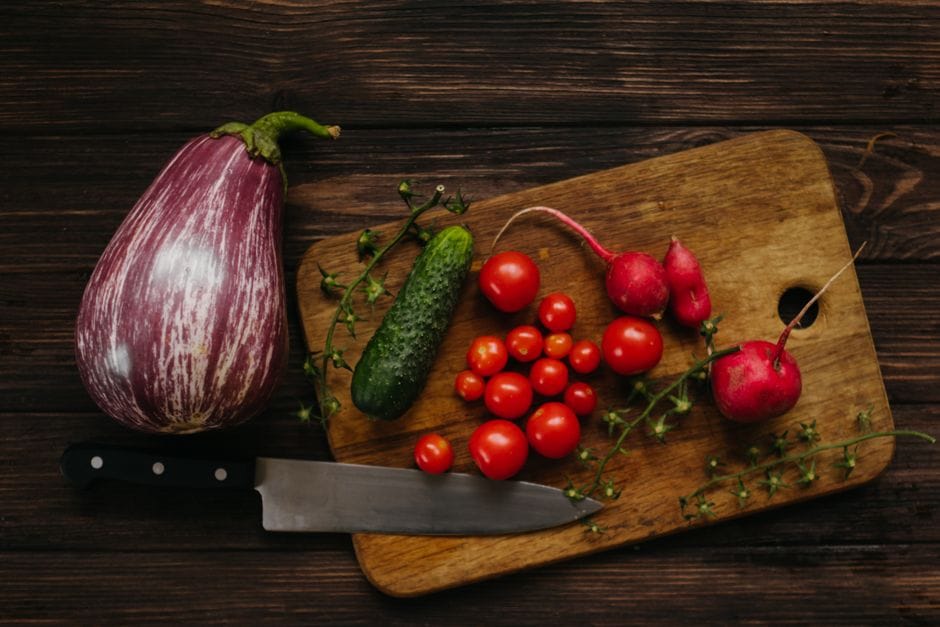 Photo: Polina ⠀ / Pexels
Dairy is where I tell every beginner to start, because the swaps are reliable and the job is usually simple. Milk in baking or sauces is mostly water, a little fat, and a little sugar, so an unsweetened plant milk steps right in at a one-to-one ratio.
I use soy or oat for anything savory because they are creamy and neutral, and I keep the sweetened vanilla cartons away from soups for obvious reasons.
For richness, the workhorse is cashews. A soaked, blended cashew cream stands in for heavy cream in pasta sauces, soups, and gratins, and it does not split the way some packaged creams do.
For butter, the job is fat and a touch of water, so a vegan butter stick covers most cooking and baking; I have written a full breakdown of which brands behave in my vegan butter guide. Hard cheeses are about salt and savory depth, which nutritional yeast delivers without trying to fake the melt.
The honest exception is melting cheese, and I will come back to why that one fights you.
Eggs: Match the Swap to the Job
Eggs are the category people fear, and it is the one where the "swap by job" rule earns its keep, because a single egg can be doing three things at once. In baking, an egg might bind, leaven, and add moisture, and no single substitute does all three equally well.
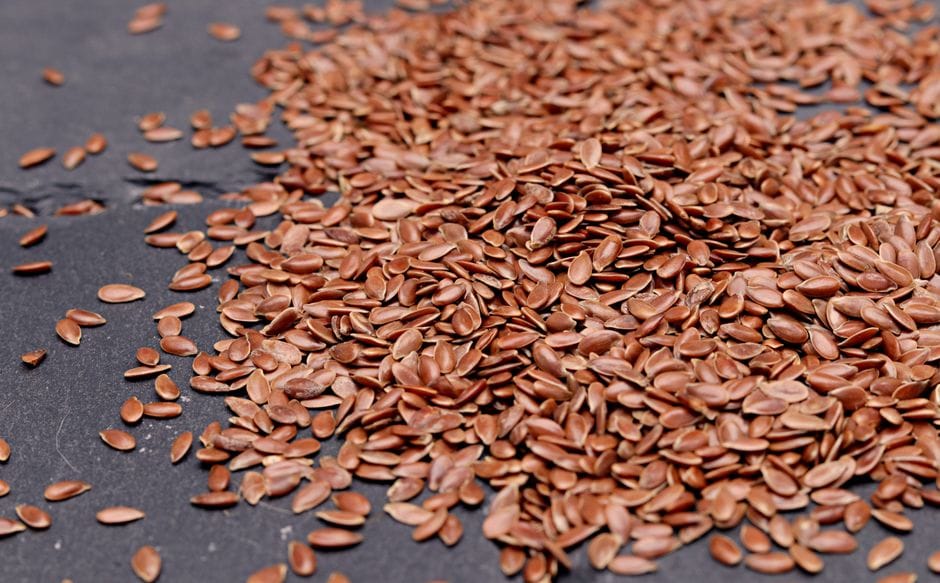
For binding, in cookies, burgers, and quick breads, my default is a flax egg: one tablespoon of ground flax whisked into three tablespoons of water, rested ten minutes until it gels. It is cheap, neutral in flavor, and dependable; here is my full method for the flax egg.
For moisture in dense bakes like brownies and muffins, a quarter cup of unsweetened applesauce or half a mashed banana per egg works, with the caveat that banana tastes like banana. For lift in cakes that need to rise tall, neither of those is enough on its own, and you reach for aquafaba or a commercial replacer plus a little extra baking powder.
The number of eggs is the tell: one or two, swap with confidence; four or more, the eggs were the structure, and you are better off with a recipe built egg-free from the start.
Meat: Texture First, Flavor Second
 Photo: Jayce / Pexels
Meat looks intimidating and is actually one of the easier categories once you separate the two jobs it does: texture and savory flavor. The flavor is the easy part, because the depth we love in meat dishes mostly comes from browning, salt, fat, herbs, and umami, all of which are entirely plant-friendly.
Texture is where you choose your tool. For anything ground, like a bolognese, tacos, or chili, cooked lentils, crumbled firm tofu, or chopped mushrooms give you that hearty bite, and a packaged vegan ground beef gives you the closest clone when you want one.
For chewy, sliceable protein, seitan is your friend, and for a tender, marinade-hungry base, tofu and tempeh both shine once you learn to press and season them. The trick that makes meat swaps believable is building the savory base hard: brown everything well, salt generously, and lean on tomato paste, soy sauce, mushrooms, and nutritional yeast for depth.
Season the plant, do not expect the plant to taste like meat on its own.
Honey and Gelatin: The Sneaky Two
These two hide in recipes you would not suspect, and they are easy to fix once you spot them. Honey shows up in dressings, marinades, granola, and baked goods, and you replace it with maple syrup, agave, date syrup, or brown rice syrup at roughly a one-to-one ratio, nudging the liquid down slightly if the batter looks loose.
The flavor shifts a touch, but in most recipes nobody notices.
Gelatin is the trickier of the pair because it is a setting agent made from animal collagen, so a flavor swap will not do; you need something that gels. For most jellies, panna cottas, and gummies, agar agar is the answer, though it sets firmer and at a different ratio, so follow a recipe rather than swapping by eye.
Plain cornstarch handles thickening jobs where you do not need a true clean set. Both honey and gelatin are the kind of ingredient that slips past a quick read of a label, so when a packaged dessert or a "natural" sweetener is unclear, this is exactly the moment to use the ingredient checker rather than guess.
The Swaps That Fail (And Why)
Here is the honest part most guides skip. Two swaps fail on me with real consistency, and knowing them up front will save you a ruined dish.
The first is melting cheese in a baked dish, which is exactly what burned me on that first lasagna. Dairy cheese browns and stretches because of milk proteins and fats that most vegan cheeses simply do not have, so they tend to soften and weep oil rather than blister into a golden crust.
The fix is to manage expectations and the method: choose a brand made specifically to melt for pizza and bakes, grate it fine, and run the dish under the broiler for the last two or three minutes to coax some color. Even then it will look a little different, and that is fine.
The second is butter in laminated pastry, the croissants and puff pastry that depend on cold, dry, foldable sheets of fat. Vegan butter carries more water and melts at a lower temperature, so when I tried a vegan croissant by simply subbing my usual butter, the layers leaked, the dough slid, and they baked up flat and greasy instead of tall and shattering.
It is not impossible, but it needs a firmer, higher-fat vegan block made for lamination and a colder, more patient method, not a one-to-one swap. For everyday baking the butter swap is seamless; it is only this one demanding technique where it falls down.
Worked Example: Veganizing a Lasagna
Let me walk through that lasagna the way I would now. I read the recipe and circle the animal ingredients: ground beef in the ragu, milk and butter in the bechamel, ricotta in the layers, and parmesan and mozzarella on top.
The ragu is easy: I brown a mix of cooked brown lentils and finely chopped mushrooms in olive oil, build depth with garlic, tomato paste, crushed tomatoes, and a splash of soy sauce, and simmer it down thick. For the bechamel, the milk and butter are just creamy fat, so I make it with soy milk and vegan butter and a flour roux exactly as written.
The ricotta layer is about a soft, mild, slightly grainy curd, which a blended tofu-and-lemon vegan ricotta nails. For the top, I now know not to ask a vegan cheese to do something it cannot, so I use a fine layer of a melting brand, broil it briefly for color, and finish with a savory dusting in place of parmesan.
The result looks like lasagna and tastes like the dish I was chasing, because every swap matched a job.
Worked Example: Veganizing a Cake
A vanilla layer cake is a great test because eggs and dairy are both doing real work. I circle the butter, the milk, and the three eggs.
The butter is fat, so a vegan butter stick goes in one-to-one and creams with the sugar just like dairy. The milk is moisture, so unsweetened soy milk slides in, and I add a teaspoon of lemon juice to lightly sour it, which reacts with the baking soda for a tender crumb.
The eggs are the interesting part: in a three-egg cake they are lift, binding, and moisture together, and that is too much to ask of applesauce alone, which is the mistake that once gave me a sunken middle. So I split the work, using a commercial egg replacer or aquafaba for the structure and adding a quarter teaspoon of extra baking powder per egg to guarantee the rise.
Baked at the same temperature, it comes out level, light, and properly set, frosted with a vegan buttercream that is, again, just fat and sugar.
The Takeaway
You do not need to memorize a hundred substitutions to cook this way. You need one habit: look at each animal ingredient, ask what job it is doing, and swap for something that does that job.
Dairy is fat and creaminess, eggs are binding or lift or moisture, meat is texture and savory depth, and honey and gelatin are a sweetener and a setting agent. Respect the two swaps that fight you, melting cheese and laminated pastry, and treat them with the right product and method rather than a blind substitution.
Do that, and almost any recipe in your collection is one shopping list away from being yours again.
Frequently asked questions
How do I start veganizing a recipe I already love?+
Read the ingredient list and circle every animal product, then ask what each one is doing in the dish rather than what it is. Butter in a cookie is fat and a little water, so a vegan butter stick covers it; an egg in a cake might be lift, binding, and moisture all at once, so you match the swap to the job. Once you swap by function instead of by name, most everyday recipes come together on the first try. The exceptions are recipes built almost entirely around one animal ingredient, like a four-egg sponge or a baked brie, which are easier to remake from a recipe written to be vegan.
Which swaps fail most often when you veganize a recipe?+
The two that burn people are melting cheese and laminated pastry. Most vegan cheese does not brown or stretch like dairy in a baked dish, so a recipe that relies on a bubbling golden cheese top will look and behave differently. Vegan butter also has more water than dairy butter and a lower melting point, so croissants and puff pastry that need cold, dry, foldable fat tend to leak and flatten. Knowing these two limits up front saves you a wasted afternoon and a sad pan of food.
Do I need special vegan ingredients, or can I use pantry staples?+
Most of the framework runs on staples you may already own: flax seed, canned beans and lentils, tofu, oat or soy milk, nutritional yeast, and a neutral oil. You only need to buy a specialty product when texture is the whole point, like a stretchy mozzarella for pizza or a juicy patty for burgers. I lean on pantry swaps for everyday cooking and save the packaged vegan products for the dishes where the texture really has to perform.
How do I know if a packaged ingredient is actually vegan?+
Check the label for the obvious animal terms first: milk, whey, casein, egg, gelatin, carmine, honey, and shellac. Some hidden ones slip past, like certain refined sugars filtered through bone char and some natural flavors. When a label is ambiguous, run the product through a checker tool or look it up in a vegan database before you commit, because it is faster than guessing and you avoid finding out after the dish is on the table.
Written by
VeganDigest Editorial is the small independent team that researches and fact-checks this site. We are not doctors or dietitians. For every is-it-vegan verdict we read the product's current ingredient list and manufacturer information, and for anything health-related we report guidance from recognized bodies such as the NHS, the Vegan Society, and the Academy of Nutrition and Dietetics rather than offering medical advice. Every page shows the date it was last verified, and our full process is on the How We Verify page.
Comments