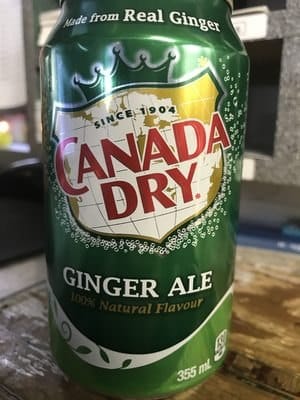
Is Canada Dry Ginger Ale Vegan?
Vegan
Not certifiedCanada Dry Ginger Ale contains no animal-derived ingredients. The standard US formula uses carbonated water, high fructose corn syrup (HFCS), ginger extract, natural flavors, citric acid, sodium benzoate, and caramel color. None of those are from animals. The Canadian formulation swaps HFCS for a sugar/glucose-fructose blend, which remains animal-free. Strict vegans sometimes flag the "Naturally Sweetened" US variant because it uses cane sugar that could have been filtered through bone char, but that concern applies to that one sub-product only and is a processing technicality rather than a direct animal ingredient.
The catch: The "Naturally Sweetened" variant uses cane sugar, which may be processed with bone char at some refineries. The standard HFCS-based version sidesteps this entirely, but if you buy the naturally sweetened line and bone char is a dealbreaker for you, Canada Dry does not publish its sugar sourcing.
Category
Drinks
Verdict
Vegan
Brand
Canada Dry (Keurig Dr Pepper)
Caramel color in Canada Dry is Class IV caramel, produced by heating carbohydrate sources (corn syrup or sugar) under controlled conditions. It contains no dairy or animal inputs.
Natural flavors listed on the label have not been publicly identified as animal-derived by any credible source, and ginger ale flavor profiles are plant-based by nature (ginger, citrus). The US standard version uses HFCS as its sweetener, which is corn-derived and never runs through bone char.
The Canadian version lists sugar/glucose-fructose on its label; glucose-fructose in Canada typically means corn-derived glucose mixed with fructose, also bone-char-free. The "Naturally Sweetened" US variant is the only formulation where bone char becomes a theoretical concern.
No gelatin, carmine, dairy, honey, eggs, or whey appear in any Canada Dry ginger ale formulation. Canada Dry is not certified vegan by any third-party organization, but no meaningful animal ingredient is present in the standard product.
Related ingredient guides: Is sugar vegan? · Is gelatin vegan? · Is honey vegan? · Is whey vegan? · Is carmine vegan?
Vegan alternatives
- ✓ Fever-Tree Ginger Ale (clearly plant-based ingredients, no artificial colors)
- ✓ Bruce Cost Ginger Ale (fresh ginger, cane sugar, but small-batch unfiltered)
- ✓ Boylan Ginger Ale (cane sugar, but Boylan confirms non-bone-char sourcing)
- ✓ Reed's Ginger Beer (ginger root, no artificial colors or animal inputs)
- ✓ Bundaberg Ginger Beer (brewed, plant-based fermentation process)
As an Amazon Associate we earn from qualifying purchases.
Looking to make your own? Browse our vegan swaps.
Other drinks
Frequently asked
Is Canada Dry Ginger Ale Vegan?
Canada Dry Ginger Ale contains no animal-derived ingredients. The standard US formula uses carbonated water, high fructose corn syrup (HFCS), ginger extract, natural flavors, citric acid, sodium benzoate, and caramel color. None of those are from animals. The Canadian formulation swaps HFCS for a sugar/glucose-fructose blend, which remains animal-free. Strict vegans sometimes flag the "Naturally Sweetened" US variant because it uses cane sugar that could have been filtered through bone char, but that concern applies to that one sub-product only and is a processing technicality rather than a direct animal ingredient.
What is the catch with Canada Dry Ginger Ale?
The "Naturally Sweetened" variant uses cane sugar, which may be processed with bone char at some refineries. The standard HFCS-based version sidesteps this entirely, but if you buy the naturally sweetened line and bone char is a dealbreaker for you, Canada Dry does not publish its sugar sourcing.
What can I use instead of Canada Dry Ginger Ale?
Vegan options include Fever-Tree Ginger Ale (clearly plant-based ingredients, no artificial colors), Bruce Cost Ginger Ale (fresh ginger, cane sugar, but small-batch unfiltered), Boylan Ginger Ale (cane sugar, but Boylan confirms non-bone-char sourcing), Reed's Ginger Beer (ginger root, no artificial colors or animal inputs).
Is Canada Dry Ginger Ale certified vegan?
Canada Dry Ginger Ale does not carry a third-party vegan certification, so the verdict here is based on its current ingredient list and manufacturer information.
Sources
Last verified June 20, 2026. See how we verify. Always confirm on the current product label, since recipes change. Product photo via Open Food Facts.
Comments