Is Extra Gum Vegan?
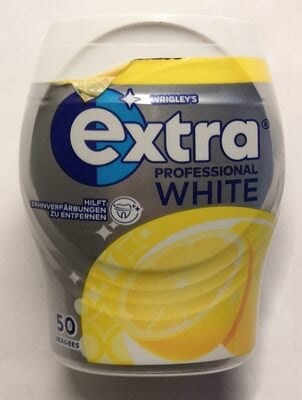
It Depends
Not certifiedExtra Gum removed gelatin, stearic acid, and glycerin from animal sources in a 2019 reformulation, but the current formula still lists glycerol and an undisclosed gum base. Mars Wrigley has not publicly confirmed the origin of the glycerol (plant vs. tallow-derived). The gum base is a proprietary blend that can legally include lanolin without labeling it. Most mainstream vegan resources call it probably fine; strict vegans flag the opacity. A separate plant-based Extra variant launched in Europe uses chicle and is more clearly vegan, but that product is not the standard US version.
The catch: Glycerol and gum base are both potentially animal-derived and Mars Wrigley has not disclosed their sources.
Category
Candy
Verdict
It Depends
Brand
Mars Wrigley
Extra Gum's 2019 reformulation dropped gelatin and stopped explicitly listing stearic acid, which removed the clearest animal-derived red flags. The current ingredient deck (Spearmint as example): sorbitol, gum base, glycerol, natural and artificial flavors, hydrogenated starch hydrolysate, aspartame, mannitol, acesulfame K, soy lecithin, BHT, Blue 1 Lake.
Two ingredients draw scrutiny from strict vegans. First, glycerol can be sourced from plant oils or from animal fat (tallow); Mars Wrigley has not confirmed which source they use, and their responses to direct inquiries have been inconsistent.
Second, gum base is a proprietary blend that the FDA permits to include lanolin (a waxy sheep-derived substance used as a softener) without explicit labeling. Most casual vegan checklists consider Extra acceptable because no animal ingredient is listed by name, but the ambiguity is real.
Blue 1 Lake is a synthetic dye with no animal-derived ingredients, but it has historically been tested on animals, which is a concern for those following a cruelty-free standard beyond ingredient avoidance. Note: Mars Wrigley launched a plant-based Extra Gum (chicle base, European market) that is more clearly vegan, but it is not the same product sold widely in the US.
Related ingredient guides: Is gelatin vegan?
What makes it non-vegan
- ✕Glycerol (source unconfirmed)
- ✕Gum base (may contain lanolin)
Vegan alternatives
- ✓ PUR Gum (non-GMO, aspartame-free, explicitly vegan certified)
- ✓ Simply Gum (organic chicle base, all plant ingredients, US-available)
- ✓ Chicza Organic Chewing Gum (certified organic chicle, vegan)
- ✓ Spry Xylitol Gum (vegan-friendly formulation, no glycerin concerns)
- ✓ Project 7 Gum (no artificial sweeteners, plant-based gum base)
As an Amazon Associate we earn from qualifying purchases.
Prefer to make it from scratch? Try our vegan caramel, marshmallow fluff, or chocolate ganache recipes, or browse all vegan swaps.
Other candy
Frequently asked
Is Extra Gum Vegan?
Extra Gum removed gelatin, stearic acid, and glycerin from animal sources in a 2019 reformulation, but the current formula still lists glycerol and an undisclosed gum base. Mars Wrigley has not publicly confirmed the origin of the glycerol (plant vs. tallow-derived). The gum base is a proprietary blend that can legally include lanolin without labeling it. Most mainstream vegan resources call it probably fine; strict vegans flag the opacity. A separate plant-based Extra variant launched in Europe uses chicle and is more clearly vegan, but that product is not the standard US version.
What is the catch with Extra Gum?
Glycerol and gum base are both potentially animal-derived and Mars Wrigley has not disclosed their sources.
What can I use instead of Extra Gum?
Vegan options include PUR Gum (non-GMO, aspartame-free, explicitly vegan certified), Simply Gum (organic chicle base, all plant ingredients, US-available), Chicza Organic Chewing Gum (certified organic chicle, vegan), Spry Xylitol Gum (vegan-friendly formulation, no glycerin concerns).
Is Extra Gum certified vegan?
Extra Gum does not carry a third-party vegan certification, so the verdict here is based on its current ingredient list and manufacturer information.
Sources
Last verified June 20, 2026. See how we verify. Always confirm on the current product label, since recipes change. Product photo via Open Food Facts.
Comments