Vegan Bechamel (Silky White Sauce, No Dairy)
- Nut-free
- Oil-free
In this guide9
The first vegan bechamel I ever made broke in front of guests. I had people over for a Friday dinner, a tray of vegetable lasagna in the oven, and I was feeling smug about it right up until I cut the first slice and watched a thin grey liquid pool out around it.
The sauce had not held. It tasted fine, but it looked like the dish was weeping, and I spent the whole meal apologizing instead of eating.
I have made this sauce hundreds of times since, and I know exactly what went wrong that night, because I have since done every single thing wrong at least once. The good news is that vegan bechamel is genuinely simple.
It is four moves with a whisk, and once you understand why each one matters, you stop making the mistakes that produce thin, lumpy, or floury sauce. Below is the method I make on a weeknight without thinking, plus the cheese-sauce turn that powers most of my comfort-food cooking.
What Bechamel Actually Is
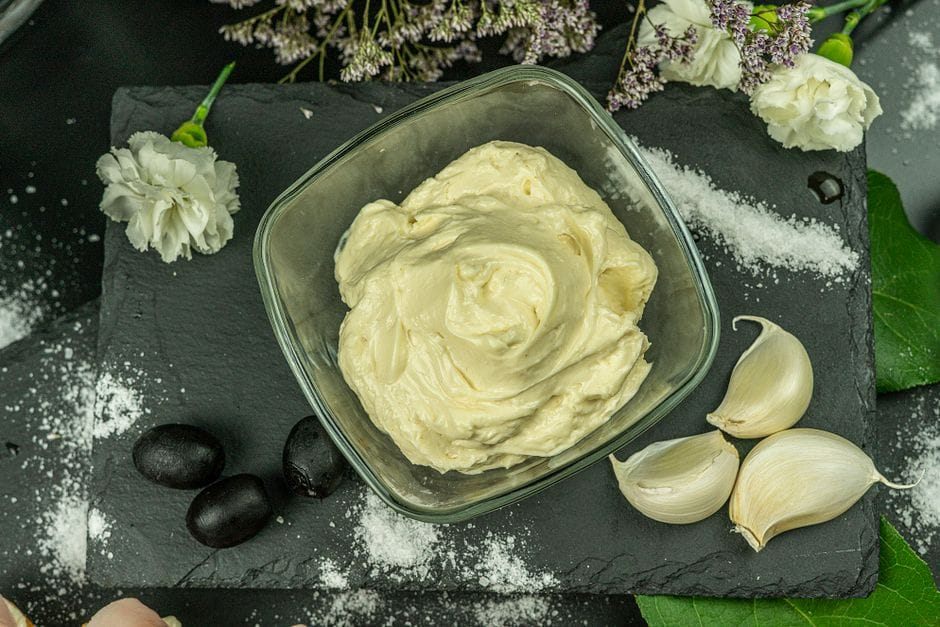
Bechamel is one of the classic French mother sauces, and at its heart it is almost embarrassingly basic: fat and flour cooked into a paste called a roux, then loosened with milk into a smooth white sauce. That is the entire structure.
Everything else, the nutmeg, the salt, the cheese you might stir in later, is seasoning on top of those three building blocks.
The traditional version uses butter and dairy milk, which is what makes the standard recipe off-limits if you are eating plant-based. You can read the plain history on the Wikipedia bechamel entry if you want the full lineage back through French and Italian kitchens.
But here is the part that matters for us: nothing about the technique requires an animal. Swap the butter for a good block of vegan butter and the dairy for the right plant milk, and the sauce behaves exactly as it should. The roux does not care where the fat came from.
The starch thickens the same way. We are not faking anything here. We are just changing two ingredients.
Why Soy Milk Behaves Best
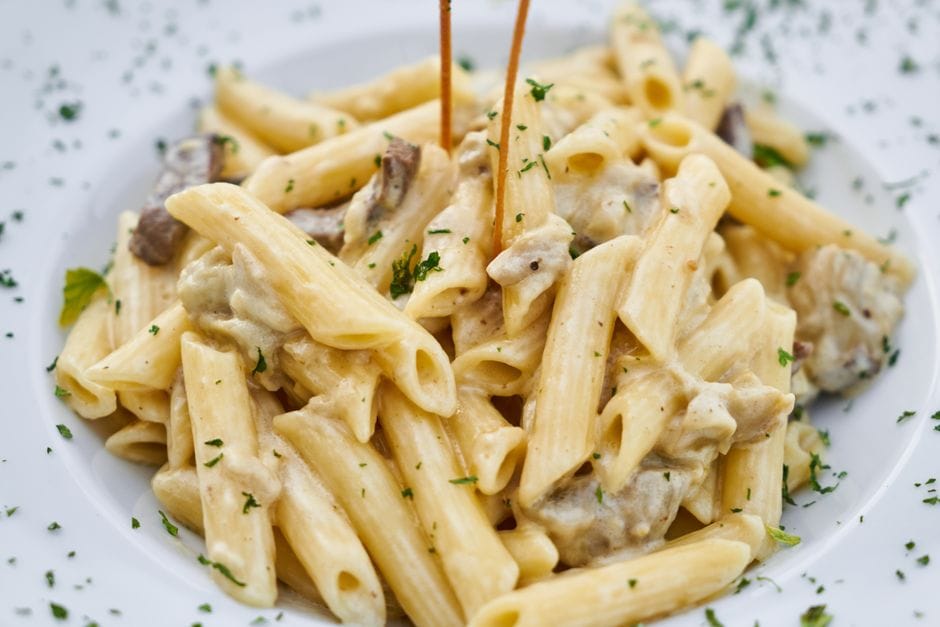 Photo: Polina Tankilevitch / Pexels
This is the single most important choice you will make, and it is the one most recipes gloss over. The plant milk you use changes whether your sauce comes out creamy and stable or thin and prone to splitting.
Reach for unsweetened, unflavored soy milk first. The reason is protein. Soy milk has by far the highest protein content of the common plant milks, usually around 7 to 8 grams per cup, and that protein gives the sauce real body.
It helps the bechamel set up creamy and hold together under gentle heat instead of breaking into a watery, grainy mess. That grey liquid that ruined my first lasagna? That was a low-protein milk splitting under the heat of the oven.
Soy does not do that nearly as readily.
The non-negotiable word is unsweetened. Plain or barista soy milk only. If you grab the vanilla or the sweetened carton, your savory sauce will taste faintly of dessert, and there is no fixing it after the fact.
Check the label, and if you are ever unsure what a thickener or additive in a carton actually is, a quick scan of the ingredients list will usually settle it.
Oat milk is my solid second choice. It makes a rounder, almost richer-tasting sauce because of its own natural creaminess, and I genuinely love it for a gratin.
Its drawbacks are that it runs a touch thinner in body than soy and many brands carry a faint sweetness, so taste as you go and lean a little harder on the salt. Almond milk I would skip for bechamel.
It is too thin and too watery to give you that luscious coating texture, and it can taste oddly nutty in a savory sauce. Cashew milk works if it is the thick homemade kind, but it is overkill for an everyday white sauce.
The Roux Is Everything
The roux is where good bechamel is won or lost, and it takes about ninety seconds of attention.
Melt your vegan butter until it foams, then whisk in an equal amount of flour by spoon, all at once. Use a firm block butter here, like Miyoko's or the Country Crock and Violife block-style plant butters, rather than a soft tub spread.
The block kinds have a higher fat content and less water, which means a cleaner roux. Soft spreads are full of water that throws off your ratio and can make the sauce greasy.
Now cook it. This is the step my floury disasters always skipped. Keep whisking over medium heat for one to two minutes until the paste smells faintly nutty and looks like wet sand.
You are cooking the raw, chalky taste out of the flour. Rush past this and your finished sauce will taste like paste no matter how much nutmeg you add. It is a short, boring minute that you cannot skip.
A note on the ratio: equal parts fat and flour by volume, three tablespoons of each for two cups of milk, gives you a classic pourable bechamel that coats a spoon. Want it thicker for a tight lasagna layer? Nudge up to four tablespoons of each.
Want it thinner to spoon over vegetables? Drop to two. The milk amount stays the same.
You are just dialing the starch.
How to Avoid Lumps Completely
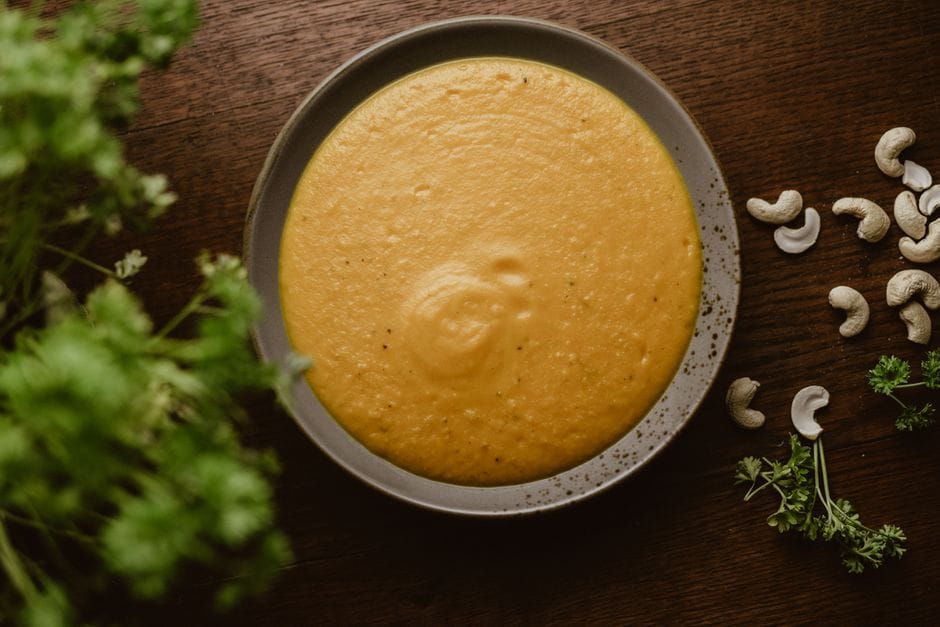 Photo: Sabine Fischer / Pexels
Lumps are the thing everyone fears, and they are entirely preventable. There is exactly one trick, and it is so simple that it feels like cheating: warm your milk first.
Cold milk poured into hot roux seizes the starch into little knots before you can whisk them out. Hot milk, on the other hand, blends in smoothly because it does not shock the roux.
So heat your soy or oat milk until it is hot to the touch, in the microwave or a small pot, before it ever meets the pan. This one habit eliminates ninety percent of lump problems.
The second half is technique. Add the warm milk in stages, not all at once. Pour in about a third, whisk it completely smooth, then add the rest in a steady stream while whisking.
Going slow at the start lets you build a smooth base that the rest of the milk loosens easily. Use a balloon whisk, not a spoon, and get into the edges of the pan where the roux likes to hide and clump.
And if you do get lumps anyway, do not panic and do not throw it out. Push the sauce through a fine-mesh sieve, or hit it for five seconds with an immersion blender right in the pot.
Either one rescues a lumpy sauce instantly, and nobody at your table will ever know it happened. I have served plenty of blender-rescued bechamel to compliments.
Nutmeg and Nooch, the Two Finishing Notes
Two seasonings turn a competent white sauce into one that tastes like it knows what it is doing.
Nutmeg is the classic, traditional bechamel finish, and it is not optional in my kitchen. Just a pinch, a quarter teaspoon, grated fresh if you can manage it. You should not be able to taste nutmeg as nutmeg.
It should sit in the background and make the whole sauce smell warm and a little mysterious. People always ask what the secret ingredient is, and it is almost always this. Too much and it tips into Christmas-cookie territory, so go light.
Nutritional yeast, or nooch, is my plant-based addition, and it does real work here. A couple of tablespoons gives the sauce a gentle savory, faintly cheesy depth that fills in for the subtle richness dairy would have brought.
It is not trying to make the sauce taste like cheese, it is just adding umami and roundness. If you have never cooked with it, my guide to nutritional yeast covers why it works and how much is too much. For a plain bechamel I use two tablespoons.
For the cheese variation below, I use a lot more.
Salt matters more than you expect, too. Plant milks and vegan butter are milder than their dairy versions, so the sauce needs a confident hand with salt to taste like anything. Add it, taste, add a little more.
Under-salted bechamel tastes like wallpaper paste, which is a shame after all that whisking.
The Cheese-Sauce Variation (Mornay)
Here is the variation I make most often, and it is the reason a pot of bechamel earns permanent space in my cooking. Stir cheese into a finished bechamel and you have a Mornay sauce, the classic move behind macaroni cheese, gratins, and anything you want to bury under a blanket of melty richness.
You can read the quick definition on the Wikipedia Mornay entry, but it is honestly just bechamel plus cheese.
To do it plant-based, take the bechamel off the heat first, then whisk in your cheese so it melts gently rather than splitting in a hot pan. I use a generous half cup to a full cup of shredded vegan cheese, the meltier brands like Violife or Daiya, plus an extra two tablespoons of nutritional yeast and a teaspoon of mustard to sharpen the whole thing.
The mustard is a small trick that makes vegan cheese sauces taste more grown-up and less flat. A grating of vegan parmesan on top before it goes under the broiler gives you that browned, savory crust.
One honest warning from experience: vegan cheeses melt differently from dairy, and some never go fully smooth. If yours stays a little stubborn, the nutritional yeast and a splash more warm milk plus hard whisking will pull it together into something glossy.
Do not boil it once the cheese is in, or it can turn stringy and oily. Gentle heat, off the flame, is the move.
Lasagna, Gratin, and Mac
This is where the sauce pays you back, so here are the three dishes I make on repeat.
For lasagna, vegan bechamel is the layer that makes the whole thing feel luxurious. I alternate it with marinara and pasta sheets, letting the white sauce do the creamy, binding work that dairy ricotta or besciamella would in a traditional tray.
Make it slightly thicker than pourable so it holds its layers, and you will never get that weeping grey puddle that humbled me years ago.
For a gratin, pour the bechamel over sliced potatoes, cauliflower, or leeks, top with breadcrumbs and a little vegan parmesan, and bake until bubbling and golden. The oat milk version really sings here, rich and comforting, the kind of dish you make on a cold Sunday.
For macaroni cheese, the Mornay variation is your sauce. Cook the pasta, fold it through the cheese sauce, top with crumbs, and bake. It is the comfort food I make when I want something that tastes like a hug.
The same roux logic carries straight over to almost any creamy sauce you build from here.
Is Store-Bought Vegan Bechamel Worth Buying?
Honestly, this is a category that barely exists, so let me be straight with you. Jarred bechamel and ready-made white sauces are built on butter, milk, and often cream. The default jar in the pasta aisle is dairy, full stop.
A handful of brands sell plant-based white or cheese sauces, but they are genuinely rare, availability is regional, and they come and go.
So my real advice is not a brand recommendation, it is a vetting habit. The word bechamel on a label almost always means dairy, so never assume.
Read the ingredients every single time, and watch specifically for milk, butter, cream, casein, and whey, since casein and whey are milk proteins that sneak into products marketed as if they were innocent. If an ingredient name is unfamiliar, run it through the vegan ingredient checker before you buy, and for specific products and verdicts our Is It Vegan database is faster than squinting at a jar in the aisle.
Given how fast and cheap the homemade version is, ten minutes and a whisk, I almost never buy it anyway. This is a sauce that is genuinely better, cheaper, and more reliable made from scratch.
Make It Once and It Is Yours
The thing I want you to take away is that vegan bechamel is not a fragile, finicky skill. It is four moves: cook the roux, warm the milk, whisk it in slowly, season with confidence. Get those right and the sauce works every time.
Use unsweetened soy milk for the most reliable body, cook the flour for a minute so nothing tastes pasty, and keep your whisk moving.
Once it is in your hands, a pot of this opens up lasagna, gratins, mac, creamed greens, and a dozen weeknight dinners. My first one broke in front of guests. Yours does not have to, because now you know the why behind every step.
Press parchment on the surface if it has to wait, salt it like you mean it, and you will have a silky white sauce on demand for the rest of your cooking life.
The recipe
Silky Vegan Bechamel
Prep
5 min
Cook
10 min
Makes
About 2 cups (500 ml), enough for one 9x13 lasagna or gratin
Ingredients
- 3 Tbsp (42 g) vegan butter, the firm block kind like Miyoko's or Country Crock Plant Butter, not soft spread
- 3 Tbsp (24 g) all-purpose flour, measured level so the sauce is not gluey
- 2 cups (480 ml) unsweetened, unflavored soy milk, warmed (oat milk works too)
- 1/4 tsp ground nutmeg, freshly grated if you have it, for that classic warm bechamel note
- 3/4 tsp fine sea salt, then more to taste
- 1/4 tsp white or black pepper
- 2 Tbsp nutritional yeast, for a gentle savory, faintly cheesy depth (optional but recommended)
- 1 small clove garlic, grated, or 1/4 tsp garlic powder (optional)
Instructions
- 1 Warm the soy milk in the microwave or a small pot until it is hot to the touch but not boiling. Cold milk hitting hot roux is the number one cause of lumps.
- 2 Melt the vegan butter in a saucepan over medium heat until it foams. Whisk in the flour all at once.
- 3 Cook the roux, whisking constantly, for 1 to 2 minutes until it smells faintly nutty and looks like wet sand. This cooks out the raw flour taste.
- 4 Pour in the warm milk in a thin stream, whisking hard the whole time. Add about a third, whisk until smooth, then add the rest.
- 5 Bring to a gentle simmer, whisking often, until the sauce thickens enough to coat the back of a spoon, about 4 to 6 minutes.
- 6 Whisk in the nutmeg, salt, pepper, nutritional yeast, and garlic if using. Taste and adjust salt.
- 7 Use right away, or press parchment onto the surface to stop a skin forming if it has to wait.
Notes
- ·Cheese-sauce (Mornay) variation: off the heat, whisk in 1/2 to 1 cup shredded vegan cheese plus an extra 2 Tbsp nutritional yeast and a teaspoon of mustard until melted and glossy.
- ·Too thick? Whisk in warm milk a splash at a time. Too thin? Simmer a few minutes longer, it will keep tightening.
- ·Lumpy already? Push it through a fine sieve or hit it with an immersion blender. Nobody at the table will ever know.
Calories
70 per 1/4 cup
Protein
3 g
Fat
5 g
Carbs
4 g
Frequently asked questions
Is store-bought bechamel vegan?+
Almost never. Jarred bechamel and most ready-made white sauces are built on butter, milk, and sometimes cream, so the default product is dairy through and through. A small number of plant-based white and cheese sauces exist, but they are rare and regional, and the word bechamel on a label nearly always means dairy. Read the ingredients every time and look for an explicit vegan or plant-based claim.
Why does my vegan bechamel taste like flour?+
You did not cook the roux long enough before adding the milk. Raw flour has a chalky, pasty taste that only cooks out with a minute or two of gentle bubbling in the fat. Whisk the butter and flour together over medium heat until it smells faintly nutty and looks like wet sand, then add your milk. That short cook is the whole difference between a clean, creamy sauce and one that tastes like paste.
Can I make vegan bechamel ahead of time?+
Yes, and it reheats well. Store it in the fridge for up to four days with a piece of parchment or plastic pressed onto the surface so it does not form a skin. It thickens to almost a paste when cold, so reheat it gently with a splash of plant milk, whisking until it loosens back to a pourable sauce. It does not freeze beautifully, since the starch can turn grainy, so I make it fresh when I can.
What plant milk is best for bechamel?+
Unsweetened, unflavored soy milk is the one I reach for first. It has the highest protein of the common plant milks, which gives the sauce real body and helps it stay smooth and creamy under heat instead of splitting or turning thin. Oat milk is a good second choice for a richer, rounder sauce, though it runs a little thinner and sometimes sweeter. Avoid anything labeled vanilla or sweetened.
Written by
VeganDigest Editorial is the small independent team that researches and fact-checks this site. We are not doctors or dietitians. For every is-it-vegan verdict we read the product's current ingredient list and manufacturer information, and for anything health-related we report guidance from recognized bodies such as the NHS, the Vegan Society, and the Academy of Nutrition and Dietetics rather than offering medical advice. Every page shows the date it was last verified, and our full process is on the How We Verify page.
Comments