Vegan Fish and Seafood Substitutes That Work
- Nut-free
In this guide7
I grew up two streets back from a chip shop on the Welsh coast, and the smell of frying batter and malt vinegar is wired into me at a level no amount of going vegan was ever going to override. So when people tell me vegan fish is a lost cause, that you simply cannot fake the sea, I think of the first battered tofu fillet I made that actually worked, the one where I bit through a crisp golden shell into a soft white interior and got that unmistakable briny tang, and I knew the whole thing was solvable.
The secret was not some expensive specialty product. It was a thirty-cent sheet of nori.
Here is the thing most people get wrong: they try to make plant food taste like fish, when fish does not really have a flavor of its own. What we read as fishy is the sea.
It is minerals, salt, iodine, and a faint vegetal-oceanic note that fish absorb from the water they swim in. Once you understand that, the job stops being impossible and becomes a recipe. You add the sea back with seaweed.
Below is exactly how I do it across battered fillets, flaky crab cakes, and shredded jackfruit, plus an honest read on the store brands worth buying.
The Nori and Kelp Trick That Does All the Work
If you take one idea from this whole guide, take this one. The flavor of the sea lives in seaweed, and seaweed is cheap, shelf-stable, and sitting in the international aisle of most supermarkets.
Nori, the dark sheets used for sushi, dried kelp (kombu), and dulse all carry the briny, mineral, slightly iodine taste that we associate with seafood. They are the same thing fish eat and swim in, so they carry the same flavor, just at the source.
I use them three ways. The simplest is to wrap or layer a sheet of nori onto a tofu or banana blossom fillet, where it softens as it cooks and reads exactly like a strip of dark fish skin.
The second is to crumble dried kelp or stir kelp powder into a marinade so the flavor soaks all the way through. The third, for shredded dishes like crab cakes, is to grind a sheet of nori into flakes and fold it right into the mix.
A spoon of brine from a jar of capers, plus a squeeze of lemon, adds the salty-tangy hit that pushes it over the line from plant to seafood. That is genuinely the entire trick. Everything else below is just texture.
Marinated Tofu Fish, the Battered Fillet
 Photo: Nic Wood / Pexels
For a proper battered fillet, the kind you want with chips, firm tofu is my workhorse. It gives you a pale, dense, slightly flaky interior that survives a hot fryer and contrasts against a crisp shell, which is exactly the structure a piece of cod has.
The whole method lives in the full recipe block above, but the two things that decide success are worth saying plainly here.
First, the tofu has to be bone dry. Press it hard, because any water trapped inside steams in the oil and leaves you with a soggy, separating coating instead of a crisp one.
If you have never pressed tofu, our guide to pressing tofu walks through it, and it makes the difference between a fillet that crunches and one that flops. Second, that sheet of nori pressed onto the fillet before battering is what makes it taste of the sea rather than of fried tofu.
The marinade glues it on, and as it fries it melds into the slab and browns at the edge like fish skin.
The batter itself is the same one I use for everything that needs to shatter when you bite it: flour, a little cornstarch for crispness, ice-cold sparkling water for lift, and baking powder. And no, you do not need beer for good batter, which I mention because almost every fish-and-chips recipe insists on it.
Cold and fizzy is the whole point of beer batter, and sparkling water gives you both with none of the alcohol. For more on coaxing the best texture out of tofu in general, our guide to cooking tofu is full of the fundamentals this recipe leans on.
Banana Blossom, the Flakier Option
If tofu is the dense option, banana blossom is the flaky one, and for a lot of people it is the more convincing fish. Banana blossom is the purple-pink flower of the banana plant, sold canned in brine or water in South Asian and Southeast Asian groceries and increasingly in big supermarkets.
When you drain it and pull it apart, it separates into soft, layered petals that flake exactly like cooked white fish. That natural flakiness is something tofu cannot quite match.
I treat it almost identically to the tofu method. Drain it well, squeeze and pat it very dry (this matters even more than with tofu, because canned blossom holds a lot of water), then marinate it in soy sauce, kelp powder, caper brine, and lemon so the sea flavor gets right into the layers.
From there you can batter and fry it just like the fillet recipe above, or flake it into fish tacos and a vegan fish pie. The texture is uncanny when it is fresh out of the fryer, soft and shreddy inside a crisp shell.
The honest catch, and I learned this the messy way, is that banana blossom is more fragile than tofu. The first time I battered it I did not dry it nearly enough and the petals fell apart in the oil into a sad scramble.
Dry it thoroughly, handle it gently, and keep the pieces a decent size so they hold together. Done right, it is the closest thing to a flaky white fish fillet I have found in any plant.
Hearts of Palm Crab Cakes
 Photo: Nic Wood / Pexels
Now for the dish that converts skeptics at dinner parties: crab cakes. The texture of crab is shreddy, soft, and a little stringy, and hearts of palm mimics it almost perfectly.
Hearts of palm is the tender inner core of certain palm trees, sold in cans or jars, and when you drain and shred it with a fork it falls into pale, stringy pieces that look startlingly like lump crab meat.
To build the cakes, I shred a can of hearts of palm, then bind it with mashed chickpeas or a few tablespoons of vegan mayo, a little dijon, some old bay seasoning, and the crucial sea flavor from a sheet of nori ground into flakes plus a spoon of caper brine. A couple of tablespoons of breadcrumbs hold everything together.
I form them into patties, chill them for twenty minutes so they firm up (skip this and they fall apart in the pan), then pan-fry them in a little oil until golden and crisp on both sides. A flax egg works as extra insurance for the bind if your mix feels loose, though I usually find the chickpeas and breadcrumbs are enough.
The result is genuinely the dish I am proudest of in this whole category. Crisp outside, soft and shreddy inside, briny and bright with lemon. Served with a caper-and-dill vegan tartar sauce, they fool people who have eaten crab their whole lives.
If you want to round out the spread, our vegan substitutes hub has the other plant-based standbys I serve alongside them.
Jackfruit for Shredded Seafood
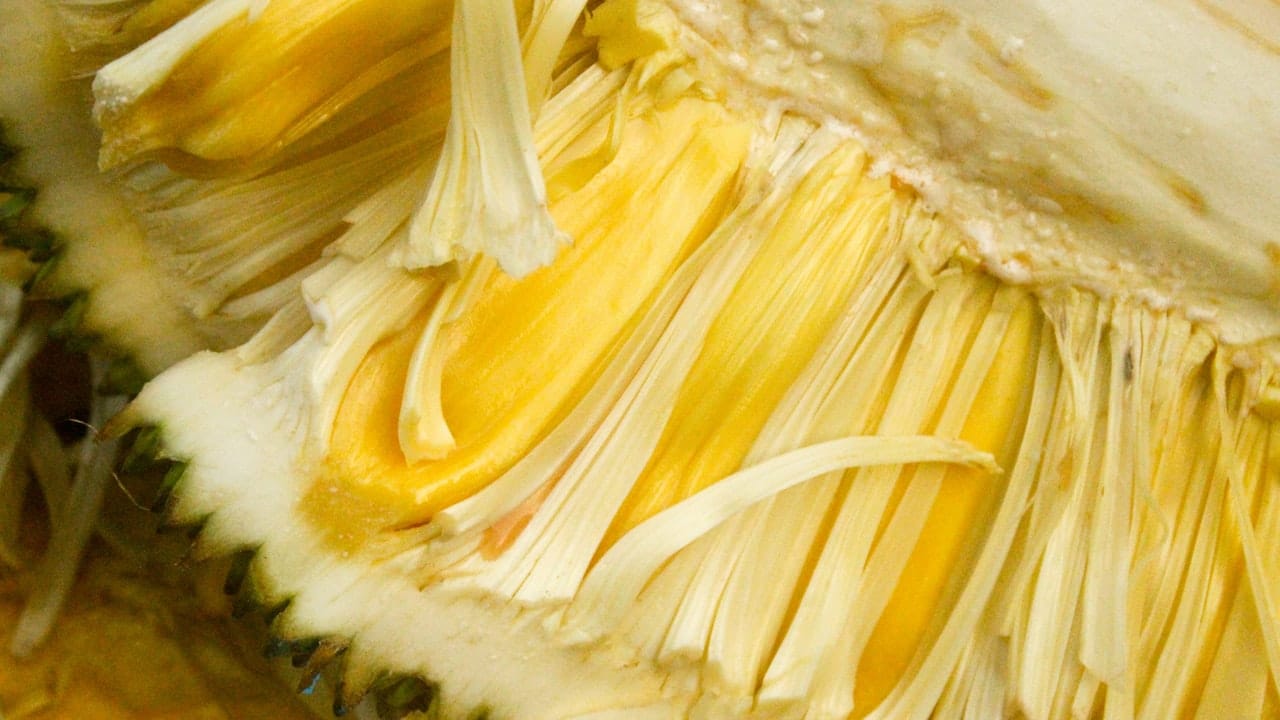
Jackfruit is the other shredding hero, and it works for the same flaky, pulled seafood that hearts of palm does, crab and tuna especially. The key, and people get this wrong constantly, is to use young green jackfruit in brine or water, never the sweet ripe jackfruit in syrup, which is a dessert fruit and will ruin your crab cakes with a cloying mango note.
Young green jackfruit is neutral and stringy, and once cooked it pulls into soft strands that drink up whatever you season it with.
For a mock tuna, I drain and rinse the jackfruit hard, squeeze out every drop of water, then simmer or sauté it briefly to soften before shredding it fine with two forks. Then I season it aggressively, because jackfruit on its own tastes of almost nothing.
Nori flakes, kelp powder, vegan mayo, lemon, celery, and a little dijon turn it into a tuna-salad filling that genuinely works in a sandwich or a melt. For the full breakdown of buying, draining, and cooking it, our guide to cooking jackfruit covers everything, and it applies directly here, just with the seaweed seasoning added.
One warning from experience: under-drained jackfruit makes a watery, bland mush, so squeeze it like you mean it.
Is Store-Bought Vegan Fish Vegan, and Which Brands Are Best
Here is the honest answer: most dedicated plant-based seafood is vegan, but not every meat-free fish is, and the difference is worth a label check. The traps are the older vegetarian-but-not-vegan products and some frozen breaded seafood-style items, a handful of which use egg white as a binder or carry dairy in the crumb.
The word plant-based on the front is your green light, but I still read the allergen line every single time, because this is a young, fast-moving category. When a label leaves me guessing, I run it through our vegan ingredient checker or check our Is It Vegan database before buying.
A Vegan Society trademark on the front is the cleanest signal you can ask for.
As for which to actually buy, here is my take after working through most of them. Good Catch is the most ambitious, built on a six-legume protein blend, and their fish-free tuna pouches and crab cakes have a flaky, genuinely seafood-like texture that takes the seaweed flavor well, all fully vegan.
Gardein makes the most available battered option, their f'sh fillets, a wheat and soy base that fries up crisp and is the easiest thing to grab for a quick fish-and-chips night. Sophie's Kitchen, a coconut-and-pea-starch line, does a wide range including crab cakes, smoked salmon, and scallops, and is reliably vegan and often gluten-free.
If you want one all-rounder for tuna salads and sandwiches, Good Catch. If you want a freezer-to-fryer fillet, Gardein. If you want variety across crab, salmon, and scallops, Sophie's Kitchen.
None of them is cheaper than the from-scratch tofu fillet above, which is the main reason I still make my own most weeks.
Putting It Together: Fish and Chips at Home
The dish that pulls all of this together, and the one that took me back to that chip shop, is a proper plate of vegan fish and chips. Batter the marinated tofu or banana blossom fillets from the recipe above, fry them crisp, and serve them with thick-cut chips.
For the chips, the move is to par-boil them first until just tender, dry them completely, then fry or roast them hot so they go fluffy inside and crunchy outside. Soggy chips are almost always under-dried chips.
The sauce matters as much as the fish. I whisk vegan mayo with chopped capers, a little dill, lemon juice, and a pinch of salt for a tartar sauce that brightens the whole plate, and I never skip the malt vinegar shaken over everything at the end, because that sour, sharp hit is half the memory of a chip-shop dinner.
A scoop of mushy peas on the side, and you have a plate that holds up against anything I ate growing up.
The whole game with vegan fish comes down to one realization: you are not faking fish, you are recreating the sea, and the sea comes in a packet of dried seaweed. Wrap your tofu in nori, stir kelp into the marinade, fold ground nori into your crab cakes, and season your jackfruit hard with both.
Get the texture right by matching the seafood you are after, dense tofu for fillets, flaky banana blossom for fork-tender fish, shreddy hearts of palm and jackfruit for crab and tuna, and the seaweed does the rest. Once you stop chasing fishiness and start adding the ocean back, you stop missing fish entirely.
The recipe
Battered Tofu Fish with Nori
Prep
25 min
Cook
12 min
Makes
4 fillets (about 2 fillets per person, from one 14 oz / 400 g block)
Ingredients
- 1 block (14 oz / 400 g) extra-firm tofu, the body of the fillet, pressed well so it fries crisp not soggy (see our tofu-pressing guide)
- 2 sheets nori, cut into strips to wrap each fillet, the single ingredient that delivers the sea flavor
- 2 Tbsp soy sauce or tamari, the salt and umami in the marinade
- 1 tsp kelp powder or 1 crumbled dulse flake sheet, for a deeper briny, oceanic note
- 1 tsp caper brine plus 1 tsp lemon juice, the salty-tangy hit that reads as seafood
- 3/4 cup (90 g) all-purpose flour, plus 2 Tbsp cornstarch, the batter base (cornstarch fries lighter and crispier)
- 3/4 cup (180 ml) ice-cold sparkling water, the lift that makes the batter shatter-crisp (cold and fizzy, never warm)
- 1/2 tsp baking powder, 1/2 tsp salt, 1/4 tsp white pepper, the seasoning in the batter
- Neutral oil for shallow frying, about 1/2 inch deep in the pan
Instructions
- 1 Press the tofu for at least 20 minutes to drive out water, then slice the block into 4 thick fillet-shaped slabs. Dry tofu is non-negotiable here, wet tofu steams instead of crisping.
- 2 Whisk the soy sauce, kelp powder, caper brine, and lemon juice together. Lay the tofu slabs in the marinade, turn to coat, and leave for 15 minutes while you make the batter.
- 3 Press a strip of nori onto one wide face of each marinated slab. The marinade moisture glues it down, and as it fries it softens into the fillet and gives you the sea flavor and a dark fish-skin edge.
- 4 Whisk the flour, cornstarch, baking powder, salt, and white pepper in a bowl. Just before frying, pour in the ice-cold sparkling water and whisk to a smooth batter the thickness of pancake batter. Do not make it ahead, the fizz dies.
- 5 Heat about 1/2 inch of oil in a wide pan to 350F (175C). Dip each tofu fillet in the batter, let the excess drip off, and lower it gently into the oil, nori-side down first.
- 6 Fry for 3 to 4 minutes per side until deep golden and crisp all over. Do not crowd the pan, fry two at a time so the oil stays hot, or the coating goes greasy and pale.
- 7 Lift onto a wire rack, not paper towels, so the bottoms stay crisp. Salt immediately while hot.
- 8 Serve with chips, a squeeze of lemon, and a spoon of caper-spiked vegan tartar sauce.
Notes
- ·The sparkling water is doing real work. The bubbles make the batter puff and shatter. Flat water or pre-mixed batter gives you a dense, bready coat.
- ·If kelp powder is hard to find, double the nori and add an extra teaspoon of caper brine. The seaweed is the flavor, so do not skip it.
- ·Banana blossom swaps in directly for the tofu here. Drain canned banana blossom, pat it very dry, and batter it the same way for an even flakier interior.
Calories
290 per 2 fillets
Protein
16 g
Fat
16 g
Carbs
22 g
Frequently asked questions
How do you make vegan fish taste like the sea?+
The flavor of the sea is not fishiness, it is minerals, salt, and a faint vegetal-iodine note that comes from the ocean itself. You recreate it with seaweed. Nori, dried kelp, and dulse all carry that briny, slightly oceanic taste, so I wrap or layer my tofu and banana blossom with a sheet of nori, or stir a little kelp powder into the marinade. A splash of brine from a jar of capers or a few mashed capers adds the salty-tangy hit that pushes it from plant to seafood. No actual fish required, just the same minerals fish absorb from the water they live in.
Is store-bought vegan fish actually vegan?+
The dedicated plant-based brands are, but not every meat-free seafood is. Gardein, Good Catch, and Sophie's Kitchen are all fully vegan with no egg, dairy, or shellfish. The trap is the older vegetarian-but-not-vegan products and frozen scampi-style items, some of which use egg white as a binder or contain dairy in the crumb. The phrase plant-based on the front is your green light, but I still read the allergen line every time, because seafood substitutes are a newer category and formulas change quickly.
What is the best vegan substitute for fish fillets?+
It depends on the dish. For battered fish and chips, marinated firm tofu or banana blossom gives you the flaky white interior that holds up to a crisp coating. For something flaky and fork-tender straight away, banana blossom wins because its layered petals naturally pull apart like cooked white fish. For crab cakes and tuna-style salads, hearts of palm and chickpeas do the job. There is no single best swap, you match the texture of the seafood you are replacing.
Does jackfruit work as a seafood substitute?+
Young green jackfruit works well for shredded, flaky seafood like crab or tuna, because once cooked it pulls apart into soft strands that hold sauce and seasoning. It does not work for a solid fillet, because it has no structure to batter and fry whole. I use it for crab cakes, fish tacos, and a mock tuna melt, always young green jackfruit in brine or water, never the sweet ripe kind in syrup, and always squeezed dry and seasoned hard with nori and seaweed before cooking.
Written by
VeganDigest Editorial is the small independent team that researches and fact-checks this site. We are not doctors or dietitians. For every is-it-vegan verdict we read the product's current ingredient list and manufacturer information, and for anything health-related we report guidance from recognized bodies such as the NHS, the Vegan Society, and the Academy of Nutrition and Dietetics rather than offering medical advice. Every page shows the date it was last verified, and our full process is on the How We Verify page.
Comments