Vegan Mozzarella That Actually Melts
- Soy-free
In this guide8
The first vegan mozzarella I ever bought was a coconut-oil block that I optimistically grated over a homemade pizza, slid into the oven, and watched do absolutely nothing. Twelve minutes later it had gone slightly shiny and warm, like a candle that was thinking about it, and that was the entire performance.
No melt, no stretch, no bubbling brown spots. I ate the pizza. It was fine.
It was also a sad, flat disc of softened oil sitting on top of bread, and it taught me that "vegan mozzarella" on a label means almost nothing about whether the stuff will actually behave like cheese.
It took me a while, and a lot of failed experiments, to understand that the melt and the stretch come from one specific ingredient, and once you know what it is you can spot a good store-bought product in two seconds and make a great one at home for pocket change. That ingredient is tapioca starch, and this whole guide is really built around it.
Why Dairy Mozzarella Isn't Vegan
Let me clear this up first, because it's the question that brings most people here. No, mozzarella is not vegan, and there isn't a "depends on the brand" caveat for the traditional cheese. It's dairy through and through.
Classic mozzarella is made by curdling cow's milk, or buffalo milk for the real fresh stuff in Italy, then stretching and kneading the warm curds in hot water until they turn smooth and elastic. That stretching technique even has a name, pasta filata, meaning "spun paste."
The protein doing all that stretching is casein, the main protein in milk, and it's exactly why dairy mozzarella pulls into those long strings off a hot slice. You can read the plain-language version on the Wikipedia mozzarella entry if you want the full history.
So the famous stretch is literally a milk-protein property. That's the thing we have to recreate from plants, and casein is non-negotiably an animal product, which is why no real mozzarella will ever be vegan. The good news is that tapioca starch does a startlingly good impression of that stretch, which is the whole reason the recipe below works.
Tapioca Is the Whole Secret
 Photo: K Zoltan / Pexels
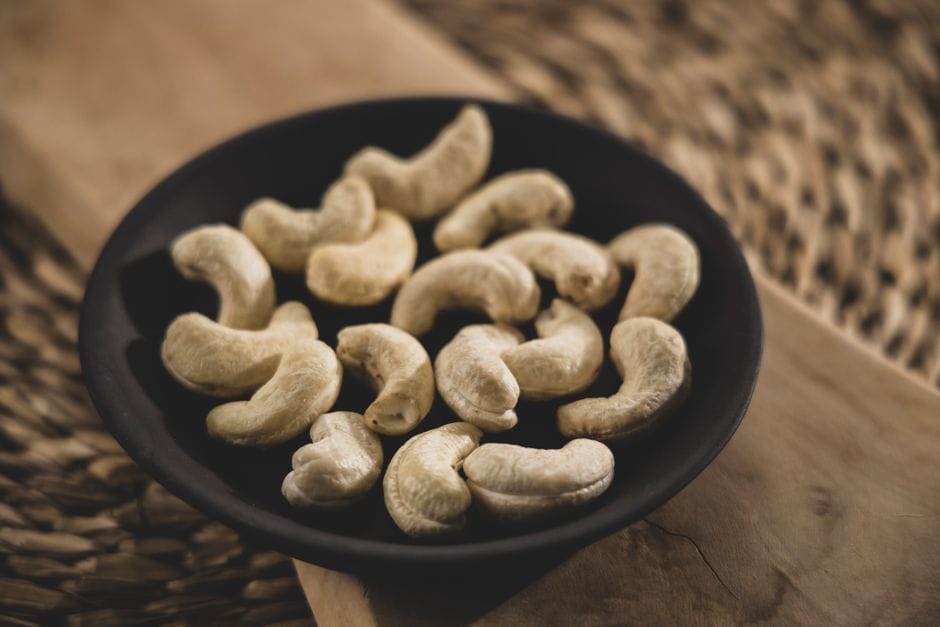
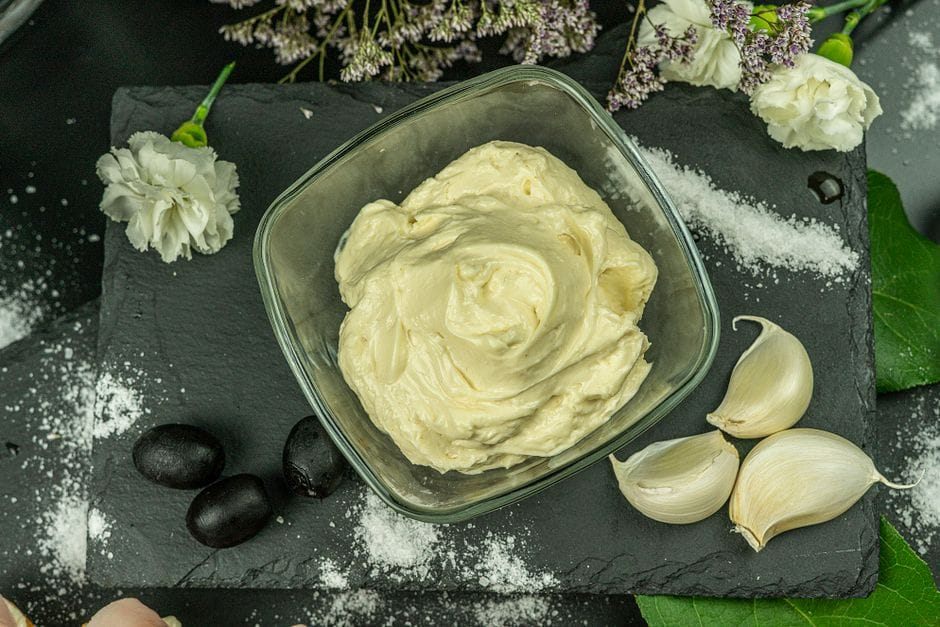
Here is the single most useful thing I can tell you. The stretch in vegan mozzarella does not come from the cashews, the coconut oil, or any clever cheese flavoring. It comes from tapioca starch, sometimes labeled tapioca flour, and they're the same thing.
When you heat tapioca starch with liquid and keep stirring, the starch granules swell and burst and link into long, springy chains. That gel is glossy, slightly gluey, and wonderfully elastic. Cool it a touch and it holds a shape.
Pull a spoon through it while it's hot and it stretches in a thick ribbon. That is your stretch, manufactured from a root starch, no milk protein required.
Everything else in the recipe is supporting cast. The cashews give you a creamy, mild, neutral body. The coconut oil adds richness and helps it firm up when cold.
Nutritional yeast, lemon, salt, and a splash of vinegar do the flavor work so it reads as cheese instead of warm starch. But if you forget the tapioca, or try to swap in cornstarch or flour, you'll get a thick, pleasant sauce with zero pull.
I've tested the cornstarch swap more than once out of stubbornness. It thickens beautifully and it never, ever stretches.
The Cashew and Tapioca Recipe
The recipe card above has exact amounts, but here's what's actually happening so you can troubleshoot it in real time.
You soak raw cashews in hot water for fifteen minutes so they blend silky instead of gritty, then everything goes in the blender at once: cashews, water, tapioca starch, melted refined coconut oil, nutritional yeast, lemon juice, salt, and a little vinegar. Use refined coconut oil, not virgin, because virgin will make your mozzarella taste like a tropical dessert, which is not the goal on a pizza.
Blend it until it's completely smooth and milky, a good sixty to ninety seconds. Rub a drop between your fingers; if it's grainy, blend longer.
Then it goes into a saucepan over medium heat, and this is the part that matters. You stir constantly. For the first couple of minutes it looks like nothing is happening and you'll be tempted to crank the heat.
Don't. Suddenly it seizes into stiff, lumpy clumps, and this is the stage where beginners panic and assume they've ruined it. Keep stirring.
Those clumps melt back into one glossy, stretchy, fondue-like mass, and when you can drag the spatula through and see a thick shiny ribbon pull behind it, you're done. The whole stovetop part takes about five to eight minutes.
Use it warm and gooey straight onto pizza, or pour it into a plastic-wrap-lined bowl and chill it for a couple of hours to get a soft, sliceable block. If you've ever made cashew cream, the blending half of this will feel familiar; the cooking half is the new trick.
Getting the Stretch Right
 Photo: Márcio Carvalho / Pexels
If your batch comes out as a smooth paste with no pull, one of three things went wrong, and they're all fixable next time.
Most often, you didn't cook it long enough. The stretch only develops once the tapioca fully gelatinizes, and that takes real time over steady heat. Push past the scary clumpy stage and keep going until it's glossy and elastic.
Undercooked tapioca cheese is gloppy, not stretchy. Cooked-through tapioca cheese pulls into ribbons.
Second, your heat was too low and timid. Medium is right. On low it can take fifteen slow minutes and never quite get there; too high and the bottom scorches before the middle gelatinizes, which is why you stir constantly and scrape the corners.
Third, you measured the tapioca short. Tapioca is the active ingredient, so an accidentally skimpy five tablespoons that was really three will give you a weak, soupy melt. When in doubt, level your spoons properly or weigh it.
I keep the tapioca generous because more stretch is rarely a problem in a melty cheese.
One honest failure of mine to save you the trouble: I once tried to double the batch in a too-small pan to rush a party pizza. The outer ring gelatinized and turned rubbery while the center was still raw starch, and stirring just folded the two together into a lumpy mess.
Use a roomy saucepan and don't crowd it. Tapioca cheese wants room to be stirred.
Is Store-Bought Vegan Mozzarella Any Good? (And the Best Brands)
Yes, and the category has come a long way from my sad candle pizza. On a busy night I happily buy it. The trick is reading for melt before you buy, and the tell is right there in the ingredient list: products built on tapioca or potato starch melt and stretch; products that are mostly coconut oil mainly just soften.
Miyoko's Creamery makes a cultured fresh mozzarella that's the closest thing to the real fresh ball I've found, genuinely creamy and lovely torn over a caprese. Their pizza-style products melt well too.
It's pricey and worth it for special occasions. Violife makes shreds and a block "Just Like Mozzarella" that melt and brown reliably on pizza, which is what I keep in the freezer for weeknights; it's coconut and starch based and it actually flows. Whole Foods 365 sells a budget plant-based mozzarella shred that melts decently for the price, a solid everyday option if you have a Whole Foods nearby. Beyond those, availability gets regional fast and new brands launch constantly.
Here's my honest buying advice: don't assume "dairy-free" means vegan, and don't assume "vegan cheese" means it melts. Some products labeled mozzarella-style still contain casein, the milk protein, which is not vegan even when a product is marketed as dairy-free, because casein is lactose-free and slips into "dairy-free" or "lactose-free" framing while still being an animal product.
Read the label every time, and if an ingredient name is unfamiliar, drop it into our vegan ingredient checker before you buy. For specific products and verdicts, our Is It Vegan database is faster than squinting at a bag in the aisle.
And if you want melt, scan for tapioca or potato starch near the top of the list.
Pizza: Where Vegan Mozzarella Earns Its Keep
Pizza is the whole reason most of us want melty vegan mozzarella, so let's get it right.
The homemade cashew and tapioca version is fantastic here because you can use it warm and spreadable. Don't try to grate it. Instead, drop spoonfuls of the hot cheese across the sauced dough, leaving gaps; it spreads and bubbles as it bakes and the gaps fill in.
Those little bare patches of sauce that brown around the cheese are exactly what you want. A whisper of garlic powder in the batch makes it taste properly pizza-ready.
For store-bought shreds, the biggest mistake people make is a lukewarm oven. Plant cheese needs real heat to flow, so get your oven as hot as it goes, ideally 475 to 500 F, and use a preheated tray or stone.
A cool oven is why so many people conclude vegan cheese "doesn't melt" when really it just never got hot enough. If you want browning and blistering, a couple of minutes under the broiler at the end does it, watched closely.
A finishing tip I use every single time: a light dusting of vegan parmesan over the top before baking adds salt, savor, and those crispy golden flecks that make a pizza look and taste finished. It covers any faint starchiness from the mozzarella and ties the whole thing together.
Caprese and Cold Uses
Melt isn't the only job mozzarella does. Fresh, cool, milky mozzarella sliced over summer tomatoes is its own glory, and you can get surprisingly close.
For caprese, chill the homemade version in a plastic-wrap-lined bowl until it's firm enough to slice, two hours or so. It won't be identical to a fresh dairy ball, which has a delicate squeaky bite, but sliced thin and layered with ripe tomatoes, fresh basil, flaky salt, cracked pepper, and good olive oil, it's genuinely lovely.
The tapioca gives it just enough body to hold a slice. For a true fresh-ball texture, this is the one moment I'd reach for Miyoko's instead, because cultured fresh vegan mozzarella shines uncooked.
Cold uses are also where you stop chasing an exact dairy copy and start aiming for delicious in its own right. A thick slice on a sandwich with roasted peppers, a few cubes tossed into a pasta salad, a slab griddled until golden for a caprese-style stack.
Anywhere you'd want mild, creamy white cheese cold, the chilled block slots in. Just salt it like you mean it, because a mild cheese eaten cold needs more seasoning than you'd think to read as cheese instead of as starch.
Which Should You Make or Buy?
If you're making pizza tonight and want the best melt for the least money, make the cashew and tapioca version warm and spoon it on. It costs a fraction of a fancy store block and it stretches better than most of them.
If you want fresh, sliceable, caprese-style mozzarella with that creamy bite, buy Miyoko's. If you want a reliable weeknight bag of shreds that browns on a pizza without any fuss, Violife or the Whole Foods 365 shreds will do the job.
And if you only remember one thing from all of this, make it the tapioca rule. The stretch lives in the tapioca starch, not in any magic cheese flavoring, so when you're reading a label or stirring a pot, that's the thing to look for.
Get a generous amount of tapioca, give it real heat, stir it through the scary clumpy stage to the glossy stretchy one, and you'll never again pull a sad, unmelted disc out of the oven and call it cheese. I certainly haven't since.
The recipe
Stretchy Cashew Mozzarella
Prep
10 min
Cook
8 min
Makes
About 2 cups melty cheese (roughly 480 g), enough for one large pizza
Ingredients
- 3/4 cup (105 g) raw cashews, soaked in hot water for 15 minutes, then drained (the soak is what lets them blend silky-smooth)
- 1 1/4 cups (300 ml) water, the liquid that the tapioca will thicken into stretch
- 5 Tbsp (40 g) tapioca starch, also sold as tapioca flour, the single ingredient that makes it stretch
- 3 Tbsp refined coconut oil, melted, for richness and a clean melt with no coconut taste
- 2 Tbsp nutritional yeast, for a gentle savory, faintly cheesy depth
- 1 Tbsp fresh lemon juice, for the mild tang real mozzarella has
- 1 1/4 tsp fine sea salt, then more to taste, because mild cheese needs salt to read as cheese
- 1/2 tsp apple cider vinegar, for a touch more brightness and a cleaner flavor
- 1/4 tsp garlic powder (optional, lovely on pizza)
Instructions
- 1 Drain the soaked cashews and add them to a blender with the water, tapioca starch, melted coconut oil, nutritional yeast, lemon juice, salt, vinegar, and garlic powder if using.
- 2 Blend on high for a full 60 to 90 seconds until completely smooth, with no grit left. Rub a drop between your fingers to check.
- 3 Pour the thin, milky mixture into a small saucepan and set it over medium heat.
- 4 Stir constantly with a silicone spatula, scraping the bottom and corners. For the first couple of minutes nothing happens, then it suddenly seizes into clumps.
- 5 Keep stirring through the clumpy stage. The clumps melt back together into one glossy, stretchy, fondue-like mass. This takes about 5 to 8 minutes total.
- 6 When you can pull a spatula through it and the cheese stretches in a thick, shiny ribbon behind it, it's done. Stop here.
- 7 Use it warm and spreadable straight onto pizza, or scoop it into a container, chill until firm, then slice for caprese or sandwiches.
Notes
- ·Tapioca starch is non-negotiable. Cornstarch or flour will thicken it but won't give you the stretch, so don't substitute.
- ·If it never gets stretchy, you likely didn't cook it long enough or your heat was too low. Push through the clumpy stage and keep the heat at a steady medium.
- ·For sliceable mozzarella, line a small bowl or jar with plastic wrap, pour in the hot cheese, chill for 2 hours, then unmold. It firms into a soft block you can slice.
Calories
70 per 2 Tbsp
Protein
2 g
Fat
5 g
Carbs
4 g
Frequently asked questions
Is store-bought mozzarella vegan?+
No, regular mozzarella is dairy. It's made from cow's or buffalo milk and contains casein, the milk protein that gives it that famous stretch, so there's no vegan version of the traditional cheese. Several brands now sell plant-based mozzarella alternatives that melt well, but the standard ball or shredded bag in the dairy case is never vegan. Check the label or run it through a vegan ingredient checker if you're unsure.
What makes vegan mozzarella stretch?+
Tapioca starch. When tapioca is heated with liquid and stirred, it gelatinizes into long, elastic strands, and that gooey gel is what mimics the pull of melted cheese. Cashews or another fat give you the creamy body and mild flavor, but the stretch itself comes almost entirely from the tapioca. No tapioca, no stretch, just a soft paste.
Why won't my vegan mozzarella melt?+
Usually it's the brand or the recipe, not your technique. Many older plant-based cheeses are coconut-oil based and soften rather than truly flow, so they sit on a pizza without spreading. For melt, you want a product that lists tapioca or potato starch, or you make the cashew and tapioca version below. Also give it real heat. A lukewarm oven won't melt any cheese, dairy or not.
Can you freeze vegan mozzarella?+
The homemade cashew and tapioca version freezes reasonably well in a block, though it gets slightly grainier when thawed, which is fine for cooking since it melts smooth again. I wouldn't freeze it for fresh, sliced caprese use. Most store-bought shreds freeze fine too. Either way, use frozen vegan mozz in something hot rather than cold.
Written by
VeganDigest Editorial is the small independent team that researches and fact-checks this site. We are not doctors or dietitians. For every is-it-vegan verdict we read the product's current ingredient list and manufacturer information, and for anything health-related we report guidance from recognized bodies such as the NHS, the Vegan Society, and the Academy of Nutrition and Dietetics rather than offering medical advice. Every page shows the date it was last verified, and our full process is on the How We Verify page.
Comments