Vegan Cheddar Cheese (Sliceable and Meltable)
- Gluten-free
In this guide9
- 01Why Dairy Cheddar Isn't Vegan
- 02The Firm Sliceable Cashew Block
- 03Getting the Color Right
- 04The Budget Potato-and-Carrot Version
- 05The Tang and the Sharpness
- 06Why It Slices but Won't Truly Melt
- 07Mac and Cheese, and Grilled Cheese
- 08Is Store-Bought Vegan Cheddar Any Good? (And the Best Brands)
- 09Which Cheddar Should You Make or Buy?
I gave up on vegan cheddar twice before I figured it out. The first attempt was a sad beige puddle that tasted faintly of cashews and nothing else.
The second looked promising in the pan, all glossy and orange, and then set into something with the exact texture of a pencil eraser. I sliced it, bit into it, and made a face my husband still imitates.
It took me a long stretch of trial and error to learn the thing nobody tells you up front: sliceable cheddar and meltable cheddar are two different problems, and trying to solve both with one recipe is why so many people quit.
So this guide is split that way on purpose. Below is the firm cashew block I make for sandwiches and cheese boards, set with agar so it cuts into clean squares.
I'll also walk you through the color, the tang, the budget potato-and-carrot route, and which store brands are genuinely worth buying when you don't feel like cooking. By the end you'll know exactly which cheddar to make or buy for whatever you're actually trying to eat.
Why Dairy Cheddar Isn't Vegan
Let's clear this up because the question comes up constantly. Cheddar is dairy, full stop. It's made from cow's milk, cultured, and curdled.
There's no vegetarian-with-an-asterisk version of the classic stuff.
Two things in particular keep traditional cheddar off the vegan list. The first is rennet, an enzyme used to coagulate the milk into curds.
Animal rennet comes from the stomach lining of slaughtered calves, and while plenty of cheddar now uses microbial or vegetarian rennet, that only makes it vegetarian, never vegan, because it's still milk-based. The second is the milk itself, which is the whole point of the cheese.
That orange color, by the way, isn't dye in a bad sense. It's annatto, a seed-based coloring the dairy industry has used for centuries, and you can read the plain history on the Wikipedia annatto entry if you're curious. We'll borrow that exact trick later.
The takeaway: if a block just says cheddar with no plant-based or vegan claim, it's dairy. So you either buy a vegan cheddar (brands further down) or you make your own. Making it is more satisfying than it has any right to be.
The Firm Sliceable Cashew Block
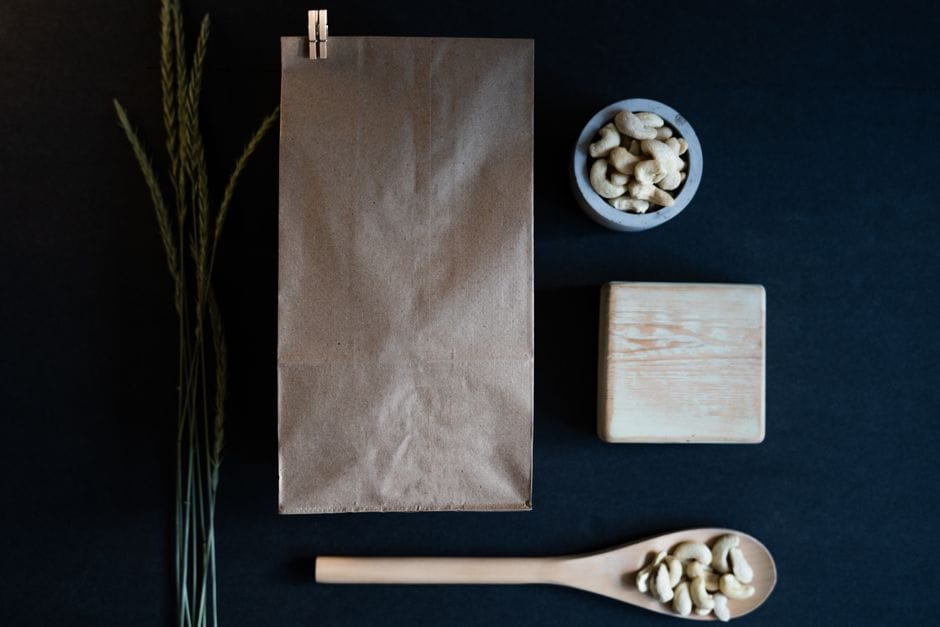 Photo: PNW Production / Pexels
This is the recipe I make most, and the card above has the exact amounts. Here's what's actually happening so you can adjust it to your own taste.
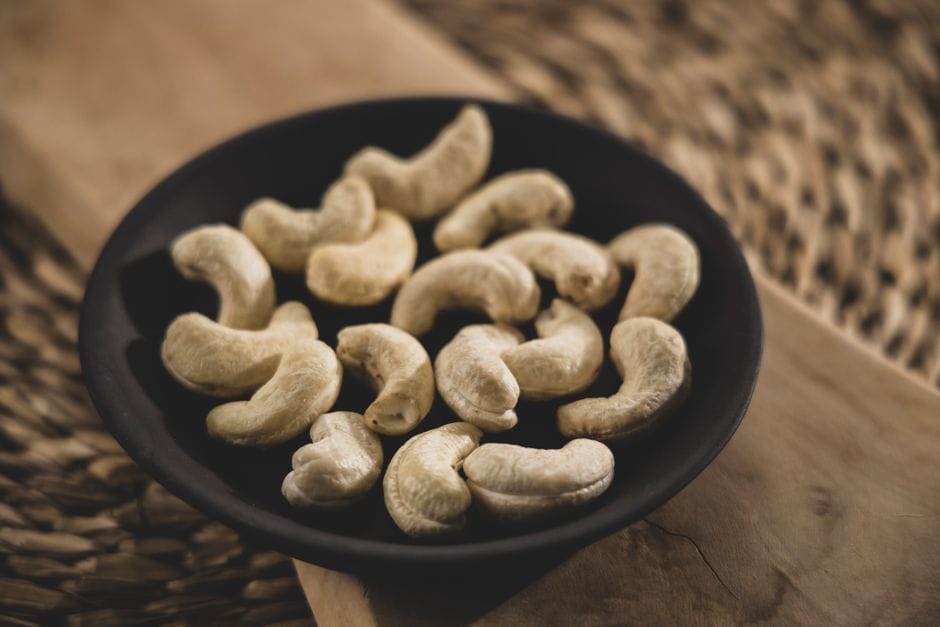
You start with soaked cashews blended completely smooth with water, then you build flavor in layers. Nutritional yeast is the savory cheesy backbone, the ingredient doing the heaviest lifting.
If you've never cooked with it, my nutritional yeast guide explains why it tastes the way it does and how much is too much. Lemon juice brings the sharp tang, miso adds the aged funk, and salt ties the whole thing together. Then color, then the setting agent.
The magic ingredient is agar agar, a seaweed-based gelling powder. It's what turns a pourable cashew cream into something you can pick up, turn out of a mold, and slice. The non-negotiable step is that agar has to actually boil for several minutes to set.
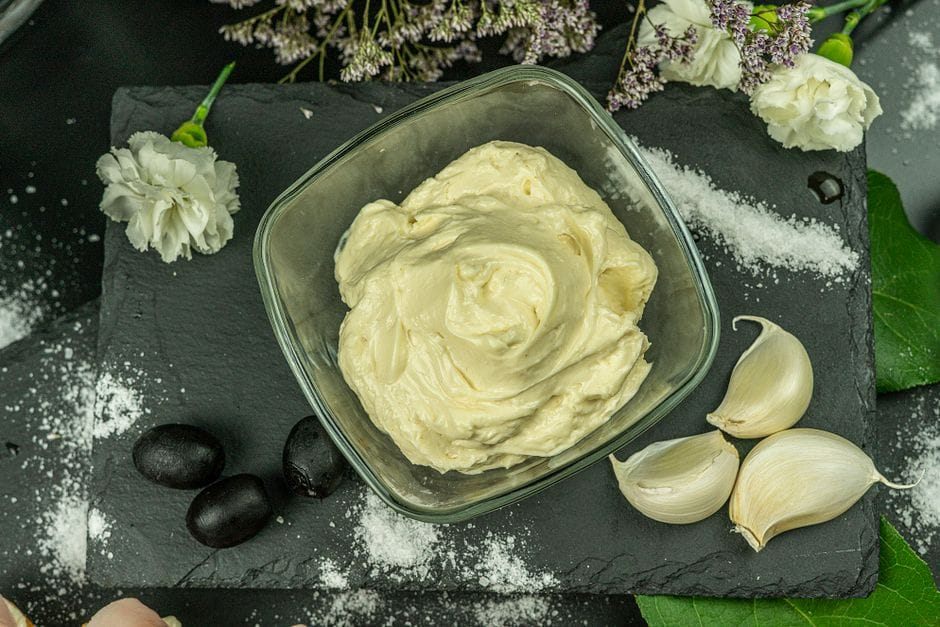
Whisk it constantly over medium heat until the mix goes glossy and stretchy, hold it at a low boil for a full five or six minutes, then pour it into your mold fast because it begins setting the second it cools. Chill it for at least three hours, overnight if you can wait, and it turns out as a firm block that cuts into clean squares for crackers and sandwiches.
If you've made cashew cream before, the blending stage will feel familiar. The difference is everything that happens after, on the stove.
Getting the Color Right
Vegan cheddar that's the wrong color tastes wrong even when it isn't, because we eat with our eyes first. A pale cheddar reads as fake before it hits your tongue.
The cleanest way to get that classic orange is annatto, the same seed coloring dairy cheddar uses. A quarter teaspoon of ground annatto or a few drops of annatto extract turns the block a warm, convincing orange with no flavor of its own. It's worth ordering a small jar if you make this often.
If you don't have annatto, the pantry workaround is turmeric plus sweet paprika. Turmeric brings the yellow, paprika warms it toward orange. The catch, and I learned this the hard way, is that turmeric tastes medicinal and bitter if you use too much.
My first turmeric-only batch was the color of a highlighter and tasted like one. Use half a teaspoon of turmeric at most, lean on the paprika for warmth, and you'll land somewhere believable.
White cheddar fans can skip color entirely and just leave the block ivory, which is honest and lovely with apples.
The Budget Potato-and-Carrot Version
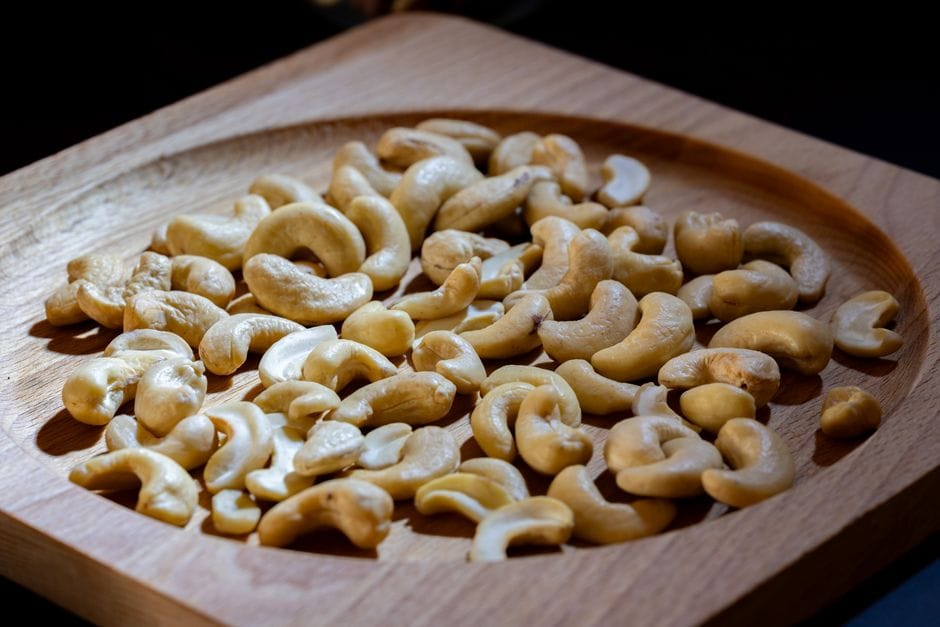 Photo: Gundula Vogel / Pexels
Here's the version people are often surprised by. You can make a genuinely good cheddar-style cheese with almost no nuts, built on boiled potato and carrot. It sounds like internet nonsense until you try it.
The method is simple. Boil diced potato and carrot until soft, then blend them with just a quarter cup of cashews, nutritional yeast, lemon juice, salt, and enough water to loosen it into a pourable sauce.
The starch from the potato gives it body and a clingy, sauce-like texture, the carrot deepens the orange color naturally, and the small handful of cashews adds just enough richness. It costs a fraction of an all-cashew block and it's lighter, too.
Be clear-eyed about what this version is and isn't. Without the agar step, it won't slice into a firm block. What it does brilliantly is melt gently into things, which makes it my go-to base for a quick stovetop cheese sauce.
If a full cup of cashews feels expensive, and it genuinely can be, this is your route. I keep both in rotation and pick based on the job and the week.
The Tang and the Sharpness
This is the part beginners skip and then wonder why their cheese tastes flat. Cheddar isn't just savory, it's sour and salty and a little funky, and you have to build all three on purpose.
The acid does the most work. Lemon juice or apple cider vinegar gives that sour bite real aged cheddar has.
Start with the two tablespoons in the recipe, then taste and add more if you want it sharper, because sharp cheddar is mostly just more acid and more salt. The funk comes from miso, a spoonful of white miso paste folded in, which adds the aged, slightly fermented depth that separates a convincing cheddar from a generic cheesy spread.
A splash of sauerkraut brine does the same job if you have a jar in the fridge.
And the salt. I'll keep saying this across every cheese I make: undersalted vegan cheese tastes like wet nuts. Salt is what flips your brain from tasting cashew paste to tasting cheese.
Add it in pinches, keep tasting, and push it further than feels comfortable. Cheddar is a salty cheese and your copy should be too.
If yours still reads a little flat after all that, it's almost always one of those three knobs turned down too low. Add acid, add salt, add a touch more miso, in that order, tasting between each.
Why It Slices but Won't Truly Melt
Time for the honest disappointment, because I wish someone had told me this on day one. An agar-set block slices beautifully and it will not melt like dairy cheddar. It can't, and here's why.
Real cheese melts because of casein, the milk protein, which loosens and flows and stretches when heated. Agar does the opposite.
It's a firm gel that holds its shape, so when you heat an agar block it softens and goes gooey but never stretches into that classic melty pull. My pencil-eraser disaster was actually agar doing its job perfectly, just for the wrong application.
I was asking a setting agent to behave like a melting one.
So you pick your tool. For slices on crackers, sandwiches, and a cheese board, the firm agar block is exactly right and the lack of melt doesn't matter.
For grilled cheese and anything where you want stretch and flow, you swap the agar for tapioca starch, which goes stretchy and gloriously gooey when cooked. I've put that swap in the recipe notes.
The short version is, agar for cutting, tapioca for melting, and don't expect one block to do both. Accepting that fixed my cheddar more than any single ingredient ever did.
Mac and Cheese, and Grilled Cheese
This is where vegan cheddar earns its keep, and the two dishes want two different things.
For mac and cheese, you don't even need the firm block. I make the sauce closer to the potato-and-carrot version: blend the cooked vegetables with cashews, plenty of nutritional yeast, lemon, mustard powder, and salt into a pourable sauce, then toss it hot with cooked macaroni.
The starch makes it cling to every noodle. A spoon of vegan butter stirred in at the end adds the richness that takes it from good to the kind people ask you to bring again.
Push the cheddar flavor harder than you think you need to, because pasta dilutes it.
For grilled cheese, melt is everything, so this is the one job where I reach for store-bought shreds or the tapioca-based melty version rather than my agar block. Build the sandwich with thinly sliced cheese or a generous handful of shreds, butter the bread well, and cook it low and slow with a lid on for the first minute or two so the cheese has time to go gooey before the bread burns.
Rushing the heat is the number one grilled cheese mistake, vegan or not. Low and patient wins.
Is Store-Bought Vegan Cheddar Any Good? (And the Best Brands)
Yes, and honestly the category has gotten good enough that I buy it without guilt for the melting jobs. Here are the brands I actually keep around.
Violife is my top pick for melting. Their cheddar-flavor block and slices melt into proper gooey grilled cheese and the flavor is clean and sharp.
It's coconut-oil based, so it behaves a lot like real cheese under heat, which is exactly what you want for sandwiches and quesadillas. Daiya makes cheddar-style shreds that are everywhere and melt reliably into mac and cheese and on pizza, though I find the flavor milder, so I push the seasoning in whatever I'm cooking. Chao by Field Roast, the original creamy block, slices well and has a tangy, fermented edge I genuinely love on a sandwich, and it melts decently, landing somewhere between the firm-slice and full-melt camps. Beyond these three, availability gets regional fast and new plant cheese brands appear constantly.
Here's my honest buying advice: don't assume, even with products marketed as dairy-free. Some cheese-style products still sneak in casein, the milk protein, which is not vegan no matter what the front of the package implies.
Read the label every time, and if an ingredient name is unfamiliar, drop it into our vegan ingredient checker before it goes in your cart. For specific products and clear verdicts, our Is It Vegan database is faster than squinting at a block in the aisle.
And if you're stocking a plant-based cheese drawer, a wedge of vegan parmesan for grating rounds it out nicely alongside your cheddar.
Which Cheddar Should You Make or Buy?
Let me make this simple, because I spent too long not having it spelled out. If you want clean slices for a sandwich or a cheese board, make the firm agar cashew block.
If you want a quick budget cheese sauce or mac and cheese, make the potato-and-carrot version, which is lighter on your wallet and melts gently into sauces. If you want true stretchy melt for grilled cheese and pizza, buy Violife or Daiya, or use the tapioca swap, because agar will only ever soften, not stretch.
That's the whole thing, and it's the lesson my two failed batches eventually taught me. Stop asking one cheddar to do every job. Build acid, salt, and savory depth into whichever version you're making, get the color right, and respect the difference between setting and melting.
Do that and you'll have a cheddar for every craving instead of one mediocre block trying to be all of them. My husband still imitates the eraser face, but he hasn't had a reason to make it in years.
The recipe
Firm Sliceable Cashew Cheddar
Prep
20 min
Cook
8 min
Makes
One block, about 2 cups set (roughly 450 g)
Ingredients
- 1 cup (130 g) raw cashews, soaked in hot water 15 minutes then drained, for the creamy base
- 1 cup (240 ml) water, plus a splash more if the blend is too thick to pour
- 4 Tbsp nutritional yeast, for the savory cheesy backbone
- 2 Tbsp fresh lemon juice, for the sharp cheddar tang
- 1 Tbsp white miso paste, for the aged, faintly funky depth (sauerkraut brine works too)
- 1.5 tsp fine sea salt, then more to taste because cheddar is a salty cheese
- 1 tsp onion powder and 1/2 tsp garlic powder, for savory roundness
- 1/4 tsp ground annatto OR 1/2 tsp turmeric plus 1/2 tsp sweet paprika, for the orange color
- 2 Tbsp (about 16 g) agar agar powder, the setting agent that makes it sliceable (not flakes)
- 2 Tbsp refined coconut oil, melted, optional, for a richer sliceable texture
Instructions
- 1 Soak the cashews in just-boiled water for 15 minutes, then drain. This softens them so they blend smooth without a high-speed blender.
- 2 Blend the drained cashews with the water, nutritional yeast, lemon juice, miso, salt, onion and garlic powders, coloring, and coconut oil if using. Blend a full 2 minutes until completely smooth with no grit.
- 3 Add the agar powder and pulse just to combine. Don't skip blending it in evenly or you'll get rubbery lumps in the finished block.
- 4 Pour the mixture into a small saucepan and cook over medium heat, whisking constantly. It will thicken, then start to bubble and turn glossy and stretchy as the agar activates.
- 5 Keep whisking at a low boil for a full 5 to 6 minutes. Agar needs to actually boil to set, so don't pull it early or your block won't firm up.
- 6 Working fast, scrape the hot mixture into a lightly oiled container or small loaf tin. Smooth the top. It starts setting almost immediately.
- 7 Let it cool 20 minutes on the counter, then chill at least 3 hours, ideally overnight, until firm enough to turn out and slice.
- 8 Run a knife around the edge, invert onto a board, and slice. It holds clean squares for sandwiches and crackers and keeps about a week wrapped in the fridge.
Notes
- ·Potato-and-carrot version: boil 1 cup diced potato and 1/2 cup diced carrot until soft, then blend with 1/4 cup cashews, 3 Tbsp nutritional yeast, 2 Tbsp lemon juice, water to loosen, and salt. It's the nut-light, budget-friendly route and melts gently into sauces, though it won't slice as firm without the agar step.
- ·For a melty cheddar instead of a sliceable one, swap the agar for 3 to 4 Tbsp tapioca starch and stop cooking once it turns thick and stretchy. That version won't hold a clean slice but it stretches in grilled cheese.
- ·Undersalted cheddar tastes like plain cashew paste. Salt and acid are what make your brain read it as cheese, so be bold with both.
Calories
110 per 1 oz slice
Protein
4 g
Fat
8 g
Carbs
5 g
Frequently asked questions
Is store-bought cheddar vegan?+
No, regular cheddar is dairy through and through, made from cow's milk with rennet and often colored with annatto. Plenty of brands now sell vegan cheddar-style blocks, slices, and shreds, but the standard block in the cheese case is never plant-based. If a label says cheddar with no vegan or dairy-free claim, assume it's dairy, and run anything unfamiliar through a vegan ingredient checker before you buy.
Why won't my homemade vegan cheddar melt?+
Agar sets firm but it doesn't melt the way casein does, so an agar block softens and goes gooey rather than stretching. If you want a proper melt for grilled cheese, either add a little tapioca starch to the mix or shred a melty store brand like Violife or Daiya for those jobs. I keep an agar block for slicing and a bag of shreds for melting, and I stopped trying to make one cheese do both.
What makes vegan cheddar taste tangy and sharp?+
Three things working together: acid, salt, and savory depth. Lemon juice or apple cider vinegar gives the sour bite real cheddar has, nutritional yeast brings the savory cheesy note, and a little white miso or sauerkraut brine adds the funky aged edge. Sharp cheddar is mostly about more acid and more salt, so taste and push both until it bites back.
How do you get vegan cheddar that orange color?+
The same way the dairy industry does, with annatto, a mild seed-based coloring. A pinch of ground annatto or a few drops of annatto extract turns the block that classic cheddar orange. If you don't have it, a small amount of turmeric plus sweet paprika gets you close, though turmeric can taste medicinal if you overdo it, so go light and adjust.
Written by
VeganDigest Editorial is the small independent team that researches and fact-checks this site. We are not doctors or dietitians. For every is-it-vegan verdict we read the product's current ingredient list and manufacturer information, and for anything health-related we report guidance from recognized bodies such as the NHS, the Vegan Society, and the Academy of Nutrition and Dietetics rather than offering medical advice. Every page shows the date it was last verified, and our full process is on the How We Verify page.
Comments