Vegan Sausage From Scratch (Seitan Method)
- Nut-free
In this guide8
- 01What Makes a Sausage Taste Like Sausage
- 02Why Beans, Not Just Gluten
- 03The Two Rules That Decide Everything
- 04Shaping and Steaming the Links
- 05Browning Is Where It Becomes Dinner
- 06Crumbling for Pasta, Pizza, and Tacos
- 07Is Store-Bought Vegan Sausage Vegan, and Which Brands Are Best
- 08A Few Honest Notes Before You Start
I spent years thinking I was a person who did not like sausage. Then a friend made me a plate of homemade seitan Italian sausage with peppers, the kind that hisses and spits in a cast iron pan and leaves those dark sticky bits stuck to the bottom, and I realized the thing I disliked was the actual pork sausage I grew up around, not the idea.
The fennel, the garlic, the crackle of a browned casing, the way it crumbles into a tomato sauce and disappears into it. That was always the good part. The meat was just the carrier.
So when I went vegan, sausage was the one thing I refused to give up, and after a humbling number of dense, rubbery, sad-hot-dog batches, I figured out how to make a genuinely great one at home. It costs almost nothing, it freezes well, and it beats most of what is in the freezer aisle.
Here is exactly how, plus an honest rundown of the store brands worth buying when you do not feel like cooking.
What Makes a Sausage Taste Like Sausage
Before any gluten or beans, it helps to know what you are actually chasing. A sausage is three things working together: a firm, slightly snappy bite, a generous hit of fat and salt, and a very specific seasoning blend. Get those three right and your brain reads "sausage" no matter what the protein underneath is.
The bite comes from vital wheat gluten, the powdered wheat protein that is the backbone of all homemade seitan. It is what gives the links their chew and snap. If you have never worked with it, my full guide to making seitan covers the basics, and this recipe is really just a heavily seasoned, shaped version of that.
The fat and salt are non-negotiable. Sausage is a rich, salty food, and the single most common reason a homemade vegan one tastes flat is timidity with both. A tablespoon of olive oil in the dough and a solid pour of soy sauce do the heavy lifting.
The seasoning is where you decide between Italian (fennel, garlic, chili, oregano) and breakfast (sage, thyme, a whisper of nutmeg and maple). That fork in the road is the only real difference between the two styles.
Why Beans, Not Just Gluten
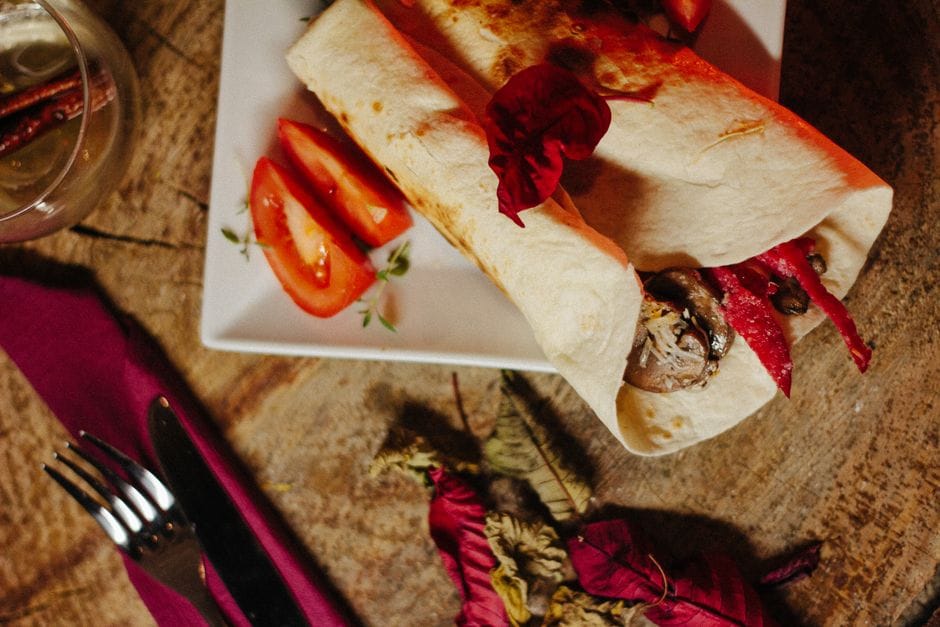
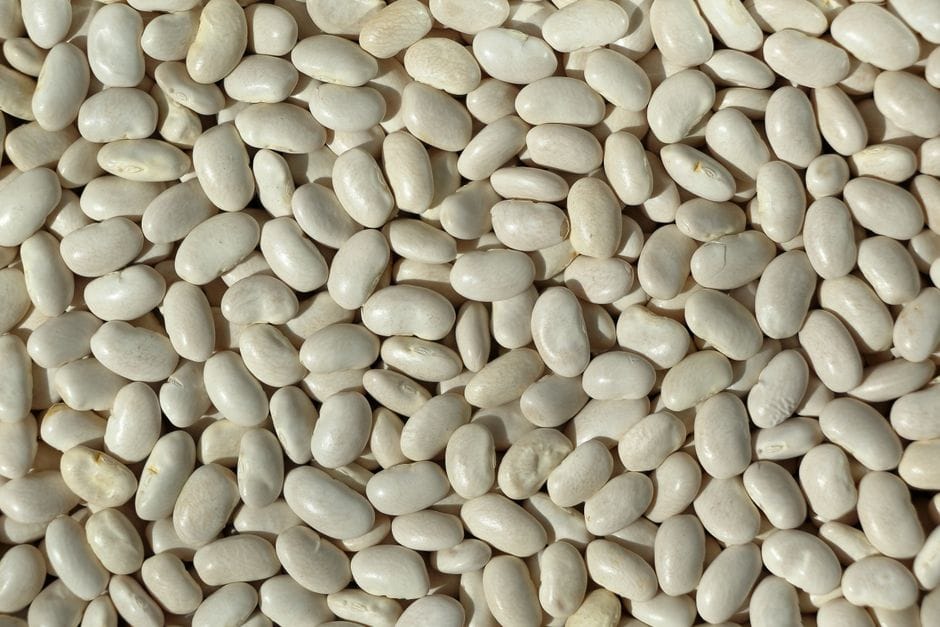 Photo: Mustafa Akın / Pexels
Here is the lesson that took me about six failed batches to learn. A sausage made from vital wheat gluten and broth alone comes out dense and bouncy, closer to a firm hot dog than a real sausage. The gluten forms one tight, continuous network, and tight gluten is rubbery.
Beans fix this. When you mash cooked white beans or chickpeas into the dough, the soft starch physically interrupts the gluten strands, breaking that tight network into something looser and more tender.
The result is a sausage with a crumb, a bite that gives way instead of bouncing back. The beans also add a gentle savory body and a little extra protein. I use cannellini beans most often, but any cooked white bean or chickpea works.
You do not technically need beans. A bean-free version holds together and tastes fine. But once you have had the tender, bean-loosened version, the pure-gluten one feels like a downgrade.
Mashed firm tofu or cooked lentils work well here, and if you want more swap ideas like these, our vegan substitutes hub is full of them. They all do the same job of breaking up the gluten.
The Two Rules That Decide Everything
If you remember nothing else, remember these. They are the difference between a sausage you are proud of and one you quietly feed to the compost.
First, do not over-knead. Gluten tightens the more you work it, so a long, enthusiastic knead builds dense, squeaky strands you cannot undo.
You want to mix the dough until it just pulls together, then knead for no more than about a minute, only until it holds and feels springy. The moment it is cohesive, stop. I set a 60-second timer because my hands always want to keep going.
Then let the dough rest ten minutes, which relaxes the gluten and gives you a more tender bite.
Second, steam, do not boil. A hard boil forces the sausage to expand and trap air, which is exactly how you get that spongy, puffed-up texture. Steaming over gently simmering water cooks the links through while the tight parchment wrap keeps them compact and meaty.
I learned this the hard way with a first batch I dropped straight into rolling water, which produced six wrinkled, bloated objects that bounced off the cutting board.
Shaping and Steaming the Links
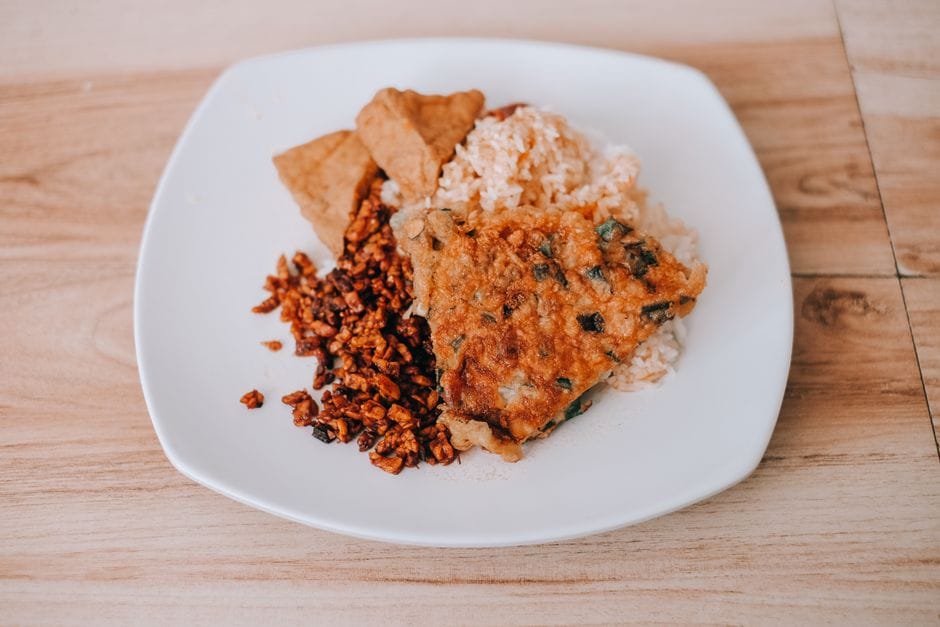
 Photo: Novkov Visuals / Pexels
Once the dough has rested, divide it into six equal pieces. Roll each into a log roughly the size of a real sausage, then wrap it snugly in a square of parchment and twist the ends tight like a candy wrapper.
The snug wrap is what stops the link from puffing and keeps the shape. Some people add a foil layer over the parchment for extra structure, and it does help the first time you make these.
Set the wrapped logs in a steamer basket over gently simmering water, cover, and steam for 40 to 45 minutes. You are looking for firm-to-the-squeeze, not soft and squishy.
Then, and this matters more than it sounds, let them cool in their wrappers for at least fifteen minutes, ideally chill them for an hour. Warm sausage straight from the steamer is always softer and a little fragile.
The texture sets dramatically as it cools, going from delicate to properly firm and sliceable.
For crumbled sausage, the kind you scatter over pizza or stir into a Bolognese, do not bother shaping. Steam the dough as one flat packet for about thirty minutes, cool it, then grate or hand-tear it into rough crumbles. We will come back to those crumbles, because they are arguably the most useful thing this recipe makes.
Browning Is Where It Becomes Dinner
This is the step beginners skip, and it is the whole payoff. A steamed sausage is cooked, but it is not finished. It is pale, a little soft, and tastes underwhelming if you eat it right out of the steamer.
The magic is in the second cook.
Unwrap your cooled links and pan-fry them in a little oil over medium heat, turning until every side is deeply browned and the surface goes crisp and blistered. That browning is the same reaction that makes roasted vegetables and toast taste good, and it is the exact moment a homemade vegan sausage stops tasting like a science experiment and starts tasting like the real thing.
A finishing knob of vegan butter in the pan, basted over the links for the last thirty seconds, gives them a rich, glossy edge that is hard to stop eating.
For grilling, brush the steamed links with a little oil and grill over medium heat for a few minutes a side, turning often, until you get char marks and a tight, snappy skin. Grilled is genuinely my favorite, because the dry heat firms the casing in a way a pan cannot quite match.
Just keep the heat moderate, since these have no animal fat to render and protect them, so a screaming-hot grill will scorch the outside before the inside warms through. I lost a whole batch to a too-hot grill once, blackened on the outside and still cool in the middle, so now I keep one side of the grill cooler and finish the links there if they color too fast.
One more browning tip: do not crowd the pan. Vegan sausage browns by direct contact with hot metal, and a packed skillet steams the links instead of searing them, leaving you with that pale, soft surface again.
Give each link room, let it sit undisturbed for a minute or two before you turn it, and you will hear the difference, a steady sizzle rather than a damp hiss.
Crumbling for Pasta, Pizza, and Tacos
The crumbled version deserves its own moment because it is so endlessly useful. Take your hand-torn or grated steamed sausage, heat a glug of oil in a wide skillet, and fry the crumbles hard, pressing them into the pan so they catch and crisp. You want browned, slightly crunchy edges, not a steamy stir.
Those crispy crumbles are a workhorse. Stir them into a tomato sauce for a sausage ragu, scatter them over pizza, fold them into a breakfast scramble, or pile them into tacos. Because you have already built so much flavor into the dough, they need almost nothing else.
A pinch more fennel and chili if you are going Italian, a splash of soy sauce if they need salt. This is also a brilliant way to use up the slightly misshapen links from a batch that did not roll evenly.
Nobody can tell once it is crumbled and crisped.
Is Store-Bought Vegan Sausage Vegan, and Which Brands Are Best
Most dedicated vegan sausage brands are indeed fully vegan, but you still have to read the label, because a few "meat-free" or "plant-based" products sneak in egg white or milk-derived ingredients, and some are made on shared lines. When a label leaves me guessing, I run it through our vegan ingredient checker or search our Is It Vegan database rather than assume.
The Vegan Society trademark on a package is the cleanest signal you can ask for.
As for which to actually buy, here is my honest take after working through most of them. Beyond Sausage is the closest to a juicy, snappy bratwurst, with a real casing-like bite and a lot of plant fat, so it grills like the real thing but is the most processed of the bunch.
Field Roast is my personal favorite for flavor, especially their Italian and apple-sage links, which are grain-and-vegetable based and taste genuinely homemade, with visible bits of vegetable in the cut. They are firmer and less juicy than Beyond, more like a proper coarse-ground sausage.
Tofurky makes a reliable, widely available link that is leaner and a little drier, great sliced into a pasta or a sheet-pan dinner where it picks up sauce, less exciting eaten plain off the grill.
If you want the absolute closest grill-and-eat experience, Beyond. If you want the best flavor and a more wholesome ingredient list, Field Roast. If you want affordable and easy to find, Tofurky.
None of them, for the record, comes cheaper than making your own, which is the main reason I still make mine.
A Few Honest Notes Before You Start
These sausages lean heavily on wheat gluten, so the obvious caveat applies: they are not gluten-free, and there is no safe swap that makes them so, because the gluten is the structure. If wheat is off the table for you, a sausage built on tofu and beans bound with a bit of starch is a different recipe worth seeking out, but this is not it.
They are also a treat, not a daily protein. Like any sausage, they are salty and a bit indulgent, so I make a batch, freeze most of it, and pull a couple of links out when I want them rather than living on them.
Across the week I round things out with whole foods, and if you want a smoky, crispy companion for breakfast, my vegan bacon guide pairs perfectly with these breakfast links.
The takeaway is short and it is the whole game. Mash beans into your gluten for tenderness, season boldly, knead for under a minute, steam gently instead of boiling, cool the links so they set, and always finish with a hard sear or a grill.
Get those right and homemade vegan sausage stops being a fussy project and becomes the thing you make a double batch of every time, because the freezer version is too good to run out of.
The recipe
Steamed Italian and Breakfast Vegan Sausage
Prep
15 min
Cook
45 min
Makes
6 sausage links (about 90 g each)
Ingredients
- 1 cup (130 g) cooked white beans or chickpeas, drained and well mashed, for tenderness and body
- 1 1/4 cups (150 g) vital wheat gluten, the protein backbone that gives the snap (Bob's Red Mill or Anthony's)
- 3/4 cup (180 ml) cold low-sodium vegetable broth, kept cold so the dough doesn't seize
- 3 Tbsp nutritional yeast, for savory, faintly cheesy depth
- 2 Tbsp soy sauce or tamari, the main salt and umami source
- 1 Tbsp olive oil, plus 1 Tbsp tomato paste, for richness and color
- 2 tsp fennel seed, lightly crushed, the flavor that makes it read as Italian sausage (omit for breakfast)
- 2 tsp garlic powder, 1 tsp onion powder, 1 tsp smoked paprika, the savory base
- 1/2 tsp red chili flakes and 1/2 tsp dried oregano, for an Italian hot-sausage kick
- For breakfast sausage instead: skip fennel and chili, add 1 tsp dried sage, 1/2 tsp dried thyme, 1/4 tsp ground nutmeg, and 1 tsp maple syrup
Instructions
- 1 Mash the beans in a large bowl with a fork until almost no whole beans remain. A few small lumps are fine and add texture.
- 2 Stir the cold broth, soy sauce, olive oil, and tomato paste into the mashed beans, then add all the dry seasonings and the fennel. Mix into a wet, sloppy base.
- 3 Add the vital wheat gluten all at once and stir with a fork until it pulls into a shaggy dough, about 15 seconds. It grabs the liquid fast.
- 4 Knead the dough in the bowl for just 45 to 60 seconds, until it holds together and feels springy. Do not over-knead or the sausages turn rubbery. Let it rest 10 minutes.
- 5 Divide the dough into 6 equal pieces. Roll each into a log, then wrap snugly in parchment and twist the ends like a candy wrapper so it can't puff up.
- 6 Set the wrapped logs in a steamer basket over gently simmering (not boiling) water. Cover and steam for 40 to 45 minutes, until firm to the squeeze.
- 7 Let them cool in the wrappers for at least 15 minutes, ideally chill them, so the texture sets. They firm up considerably as they cool.
- 8 To serve, unwrap and pan-fry or grill the links in a little oil until deeply browned and crisp on all sides. This searing step is what makes them taste finished.
Notes
- ·The beans are doing real work here. A bean-free version is denser and chewier, closer to a hot dog than a sausage, so don't skip them if you want a tender crumb.
- ·For crumbled sausage (pasta sauce, pizza, tacos), skip the shaping. Steam the dough flat in a parchment packet for 30 minutes, cool, then grate or hand-tear it and fry the shreds crisp.
- ·Keep the broth cold. Warm liquid makes the gluten seize unevenly and bake in toughness before you even cook the links.
Calories
190 per link
Protein
21 g
Fat
5 g
Carbs
14 g
Frequently asked questions
Is store-bought vegan sausage healthy?+
It depends entirely on the brand and how often you eat it. Most vegan sausages are still processed foods with a fair amount of sodium and added fat, so they are not a health food, but they are generally lower in saturated fat than pork sausage and contain no cholesterol. Brands like Field Roast lean on grains and vegetables, while Beyond is more processed and protein-dense. Treat them like any sausage, a tasty sometimes-food, and round out your week with beans, tofu, and tempeh.
Why is my homemade vegan sausage rubbery?+
Almost always too much kneading or too hard a cook. Vital wheat gluten tightens every time you work it, so a long aggressive knead builds dense, bouncy strands. The fix is to mix and knead for under a minute, just until it holds together, then let it rest. The second culprit is boiling instead of steaming, which puffs the sausage into a spongy texture. Steam over gently simmering water and the texture stays compact and meaty.
Can you freeze homemade vegan sausage?+
Yes, and it freezes beautifully. Steam the links, let them cool completely, then wrap each one individually and freeze on a tray before bagging them so they do not stick together. They keep for about three months. Thaw overnight in the fridge before you pan-fry or grill, and they crisp up just like fresh. I always make a double batch for exactly this reason.
Do you need beans to make vegan sausage?+
No, but they make a real difference. A pure vital wheat gluten sausage can come out dense and chewy, while mashed white beans or chickpeas break up that tight gluten network, adding tenderness and a softer, more sausage-like crumb. Beans also add a little body and a savory background flavor. You can swap in cooked lentils or even firm tofu, but the goal is the same, a starchy mash that loosens the gluten so the bite is meaty rather than rubbery.
Written by
VeganDigest Editorial is the small independent team that researches and fact-checks this site. We are not doctors or dietitians. For every is-it-vegan verdict we read the product's current ingredient list and manufacturer information, and for anything health-related we report guidance from recognized bodies such as the NHS, the Vegan Society, and the Academy of Nutrition and Dietetics rather than offering medical advice. Every page shows the date it was last verified, and our full process is on the How We Verify page.
Comments