How to Store Tofu (Opened, Cooked, and Frozen)

In this guide8
I used to throw away half a block of tofu every single week. I'd open a package for a stir-fry, use what I needed, wrap the rest in the torn plastic lid it came in, and shove it to the back of the fridge.
Three days later I'd find it: edges gone tacky, faintly sour, the kind of smell that makes you wrinkle your nose. Into the bin it went, and I'd tell myself tofu just doesn't keep.
It keeps. I was the problem. Tofu is one of the most forgiving fridge staples there is once you understand the one thing it actually wants, which is to stay wet and clean.
Here is everything I've worked out about storing an opened block, what to do with cooked tofu, how to read the warning signs before you make yourself sick, and the freezer trick that turns leftovers into something better than what you started with.
Store an Opened Block in Water (and Change It Daily)
This is the whole game, so I'm putting it first. The moment you open a water-packed block and use only part of it, the rest needs to go back into water. Not the original packing water, which has already done its job, but fresh, clean water.
Here's my exact routine. I grab a container with a tight lid, something glass like a Pyrex or a wide-mouth jar, set the leftover tofu inside, and pour in cool tap water until the block is fully submerged. Lid on, into the fridge.
The tofu sits there like it's back in its package, protected from drying out and from absorbing every other smell in your fridge.
The part most people skip, and the part that matters most, is changing that water every day. I do it when I open the fridge for breakfast: pour off the old water, refill with fresh, lid back on. It takes about ten seconds.
Stale water is where bacteria multiply and where that sour funk comes from, so swapping it daily resets the clock. Skip it and your tofu still spoils in two or three days.
Keep up with it and you reliably get three to five good days out of a block.
If you're not sure what kind of tofu responds best to water storage, or which variety you even bought, my guide to tofu breaks down silken, soft, firm, and extra-firm and how each one behaves. Firm and extra-firm hold up best to several days in water. Silken is fragile and best used quickly.
How Long Opened Tofu Actually Lasts
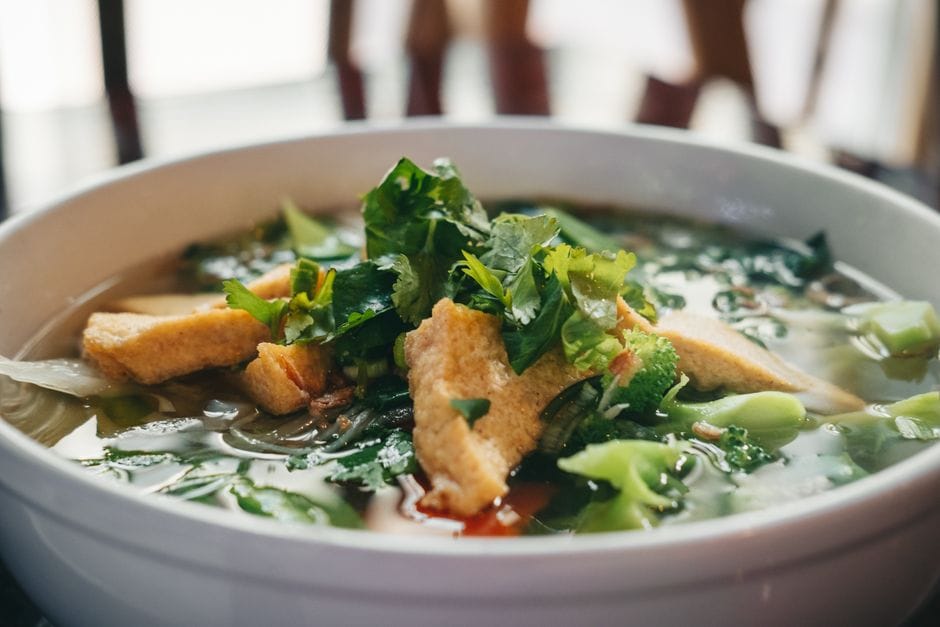 Photo: Connor Scott McManus / Pexels
Let me give you real numbers, because "a few days" is useless when you're standing at the fridge deciding whether to risk it.
Opened, submerged in fresh water, changed daily, sealed: three to five days. That's my working window, and I lean toward the lower end in summer when my fridge runs a little warmer near the door.
Opened, submerged, water never changed: two to three days, and the back half of that range is a gamble.
Opened, patted dry, sealed in an airtight container with no water: about two days before the surface dries out, goes slightly leathery, and starts picking up fridge odors.
Marinated tofu is its own case. If you've already tossed the block in a soy-and-garlic marinade, that liquid is doing the protecting, and it'll keep three to four days sealed.
If you want to get marinating right in the first place, I wrote out my method in how to cook tofu, which covers pressing and flavoring before it ever hits the pan.
One thing worth saying: the printed date on the unopened package is a sell-by date for a sealed, sterile product. Once you've opened it, that date means nothing. You're on the opened-block clock now, and your nose is the real expiration checker.
How to Store Cooked Tofu
Cooked tofu plays by completely different rules, and this is where I see people go wrong. The water trick is for raw blocks only. Never store cooked tofu in water.
It will turn into a sad, waterlogged sponge and lose every bit of the crispness you worked for.
Instead, let it cool to room temperature first. This step feels fussy but it's important: sealing hot tofu traps steam, that steam condenses into water droplets inside the container, and you wake up to soggy tofu.
Once it's cooled, transfer it to an airtight container, lid on, into the fridge. It'll keep three to four days.
Reheating is where you win or lose the texture. The microwave will get it hot but it'll go rubbery and limp.
I reheat cooked tofu in a hot dry pan for a couple of minutes per side, or in the air fryer at around 375°F for four or five minutes, which brings the crisp edges right back. If you cooked it in the air fryer to begin with, my notes in how to cook tofu apply to the reheat just as well.
A quick batch tip I lean on hard: I roast a full tray of extra-firm cubes on Sunday, cool them, and store them plain in a container. Through the week they go into grain bowls, wraps, and salads straight from the fridge, cold or quickly re-crisped.
Plain cooked tofu is more flexible than pre-sauced, because sauce makes it soften faster and locks it into one flavor.
Signs Your Tofu Has Gone Off
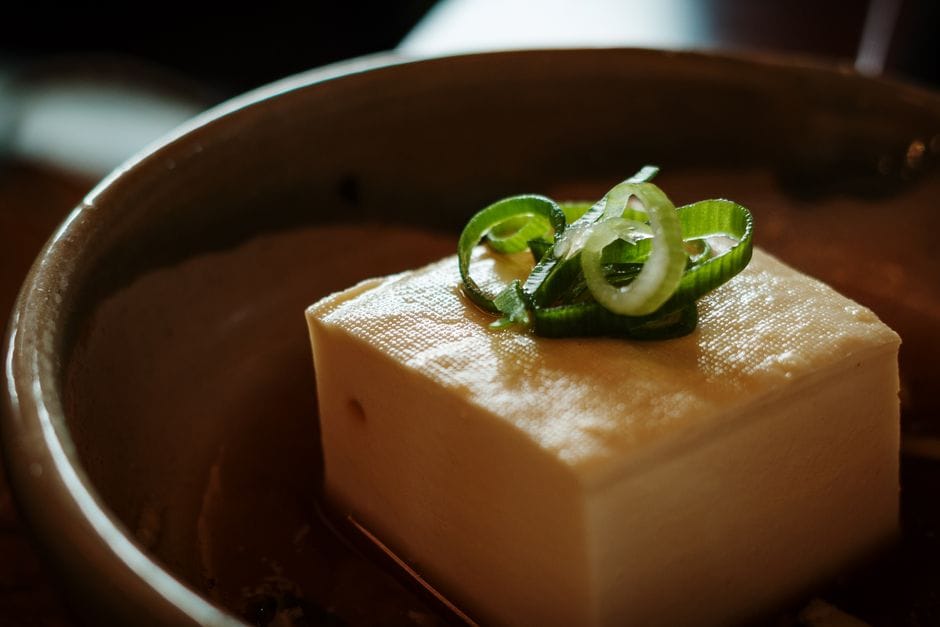 Photo: Leongsan Tung / Pexels
This is the section to actually memorize, because tofu spoilage can be subtle and you do not want to eat a block that's turned.
Smell first. Fresh tofu smells like almost nothing: clean, neutral, a faint beany note. Spoiled tofu smells sour, tangy, or sharp, sometimes like wet cardboard or something faintly fermented. If you open the container and recoil even a little, trust that.
Smell is the most reliable early warning you have.
Then look. Fresh tofu is bright, uniform white or cream. Going-off tofu drifts toward dull tan, yellowish, or gray. The water around it is another tell: clear water is fine, but water that's gone cloudy, milky, or thick and slippery means bacteria are at work.
Then touch. Run a clean finger across the surface. Fresh tofu is firm and slightly tacky. Spoiled tofu turns slimy or slick, with a film that doesn't rinse off easily.
And the deal-breakers. Any fuzz, any dark spots, any pink, blue, or green patches means mold, and there's no rescuing it. You can't cut around mold on tofu the way you might on a hard cheese, because the moisture lets it spread invisibly through the whole block.
If you see mold, the entire thing goes in the trash. When in doubt, throw it out. A four-dollar block is not worth a sick night.
If you're ever unsure whether a packaged tofu product or a flavored, marinated one even counts as vegan or has additives you didn't expect, the vegan ingredient checker and the Is It Vegan database are quick ways to scan a label before you buy.
Freezing Tofu for Better Texture
Here's the trick that changed how I shop: freezing tofu doesn't just preserve it, it improves it. As the water inside the block freezes, it expands into ice crystals that carve out a network of tiny pores.
Thaw and press it, and you're left with a chewy, spongy block that soaks up marinade and sauce far better than fresh ever could. According to the Tofu entry on Wikipedia, this freeze-driven texture change is exactly why frozen-and-thawed tofu, sometimes sold as a distinct product, bites so differently from a fresh block.
The quick version: drain a firm or extra-firm block, cube it or leave it whole, freeze it solid (overnight is easiest), then thaw fully and press out the water before cooking. It'll keep three months in the freezer, though I aim to use mine within two for the best texture.
Don't bother freezing silken tofu unless you specifically want it to crumble for a scramble.
This is genuinely my favorite way to never waste tofu. Whenever a block is creeping toward the end of its fridge life and I know I won't cook it in time, it goes in the freezer instead of the bin.
I've laid out the full method, including what to expect and which uses it's best for, in my dedicated guide on how to freeze tofu.
Storing Frozen Tofu the Right Way
Freezing is forgiving, but a couple of habits make a real difference between tofu you're excited to cook and a freezer-burned brick you forgot about.
Wrap it well. Air is the enemy in the freezer, so squeeze as much of it out of the bag as you can before sealing.
I freeze cubes spread out on a baking sheet first so they don't fuse into one solid lump, then transfer them to a freezer bag once they're firm. That way I can grab a handful at a time instead of chiseling at a block.
Label the date. I have learned this the embarrassing way, finding mystery bags of yellowed tofu with no idea how old they were. A strip of masking tape and a marker solves it.
Frozen tofu stays safe well past three months, but the texture and flavor are best inside that window.
Thaw before you cook. Move the bag to the fridge overnight, leave it on the counter for a few hours, or pour boiling water over the cubes when you're impatient like I usually am. Thaw all the way through, then press out the water that floods out, because a still-frozen center will steam instead of sear in the pan.
Batch-Prep Tips That Save You Money
Once storage stops being a mystery, tofu becomes one of the cheapest, most flexible proteins you can keep on hand. A few things I do every week:
Buy two or three blocks when they're on sale and freeze the ones you won't use in the next few days right away, while they're freshest. Future you gets meal-prep-ready chewy tofu with zero waste.
Press a whole block at once even if you only need half. Pressing is the slowest step in cooking tofu, so I press the full block, cook what I need, and store the pressed-but-uncooked remainder back in water.
It's a head start on the next meal. My short walkthrough on how to press tofu covers doing it without a fancy press.
Cook plain, sauce later. Storing cooked tofu unsauced keeps it flexible all week and slows down how fast it softens. I add sauce or dressing only when it's going on the plate.
Keep tofu in your rotation as a real protein, not an afterthought. It's an excellent, affordable source, and if you want to see where it sits among the others, my guide to vegan protein sources puts it in context next to beans, lentils, tempeh, and seitan.
The Bottom Line
Storing tofu well comes down to a handful of small habits, none of them hard. Keep an opened block submerged in fresh water and change that water every day, and you'll get a reliable three to five days instead of two.
Store cooked tofu cooled and dry in a sealed container for three to four days, and re-crisp it in a hot pan rather than the microwave. Learn the smell, color, and slime tests so you can tell good from gone at a glance, and throw out anything with mold without a second thought.
And when a block is on its way out, freeze it. You won't just save it, you'll end up with the chewiest, most sauce-hungry tofu you've ever cooked. Once these become automatic, you'll stop tossing half-blocks for good, and that adds up faster than you'd think.
Frequently asked questions
How long does opened tofu last in the fridge?+
An opened block kept submerged in fresh water, in a sealed container, with the water changed every day, will stay good for about three to five days. If you don't change the water, plan on two or three days at most before it starts to smell sour. The water-change habit is the single biggest thing that extends its life, and it costs you ten seconds a day.
Can you store tofu without water?+
You can, but it won't last as long. Patted-dry tofu sealed in an airtight container with no water keeps for about two days before it dries at the edges and picks up fridge smells. Storing it submerged in water you refresh daily is genuinely better and gives you several more days. The only time I skip the water is when the tofu is already marinated, since the marinade does the protecting.
How can you tell if tofu has gone bad?+
Trust your nose and eyes first. Spoiled tofu smells sour, tangy, or faintly like wet cardboard instead of the clean, neutral, beany smell of fresh tofu. The surface may turn slimy or slippery, the color can shift toward tan or gray, and the water around it may go cloudy and thick. Any fuzz, dark spots, or pink and blue patches means mold, and the whole block goes in the trash.
How long does cooked tofu keep?+
Cooked tofu, whether you pan-fried, baked, or air-fried it, keeps in an airtight container in the fridge for three to four days. Let it cool before sealing it so condensation doesn't make it soggy, and reheat it in a hot pan or air fryer rather than the microwave if you want the crisp edges back. For longer storage, freeze cooked tofu for up to about two months.
Written by
VeganDigest Editorial is the small independent team that researches and fact-checks this site. We are not doctors or dietitians. For every is-it-vegan verdict we read the product's current ingredient list and manufacturer information, and for anything health-related we report guidance from recognized bodies such as the NHS, the Vegan Society, and the Academy of Nutrition and Dietetics rather than offering medical advice. Every page shows the date it was last verified, and our full process is on the How We Verify page.
Comments