The Best Vegan Protein Sources (With Real Gram Counts)
In this guide9
- 01How I ranked these (and how much you need)
- 021. Seitan: the densest plant protein there is
- 032. Tempeh: the densest whole food
- 043. Tofu, edamame, and soy milk: the easy soy wins
- 054. Lentils, beans, and chickpeas: the workhorses
- 065. Peas and pea protein: quietly excellent
- 076. Nuts and seeds: protein, but fat comes first
- 087. Quinoa: complete, but overrated for protein
- 09Building it into meals (and a high-protein day)
A friend who had just gone vegan texted me a photo of her grocery cart and asked, dead serious, whether a bag of spinach and a tub of almonds was "enough protein for the week." I laughed, then felt bad for laughing, because I had been exactly that lost once.
Spinach has almost no protein. Almonds are mostly fat. She had filled her cart with foods that sound healthy and virtuous and skipped every single one that actually does the heavy lifting.
So here is the article I wish she had read first: a straight, ranked list of the protein sources that matter, with real gram counts, ordered by how much protein they deliver and how easy they are to actually eat. No "powerhouse" filler, no foods that earn a spot on reputation alone. If something is overrated, I say so.
How I ranked these (and how much you need)
Two things decide the order: protein density and practicality. A food can be dense but a pain to cook, or easy but thin on protein, and I weighed both. The numbers come from standard nutrition data, anchored to the USDA's FoodData Central so the figures here line up with reality rather than marketing copy.
On the "how much" question, the short version: a healthy adult needs roughly 0.8 grams of protein per kilogram of body weight, which is around 50 to 70 grams a day for most people. Athletes and folks over about 65 aim higher.
That is a lower bar than the fitness internet implies, and the foods below clear it without drama. I keep this part short on purpose, because the real work is just picking good anchors. Now, the ranking.
1. Seitan: the densest plant protein there is
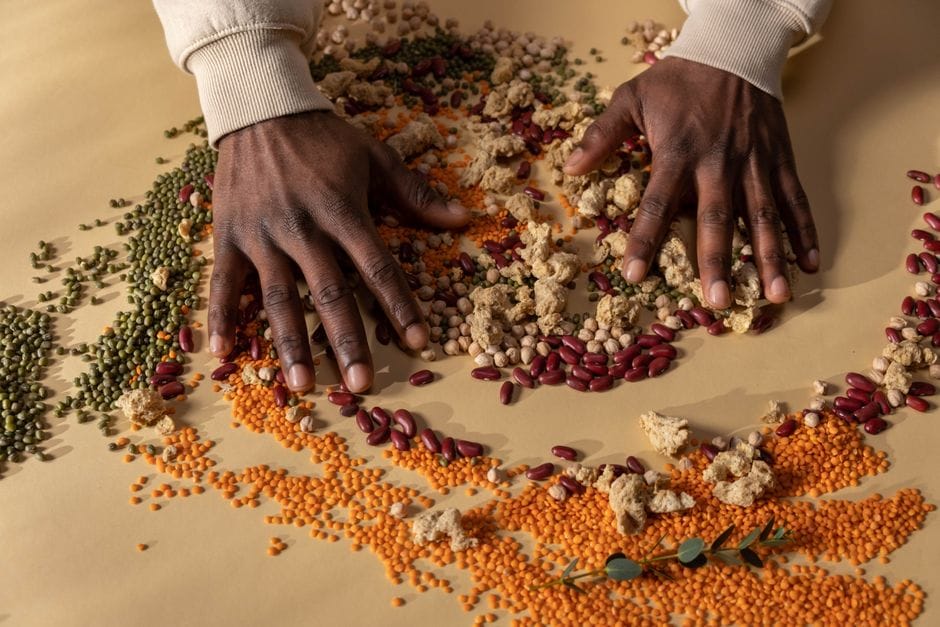
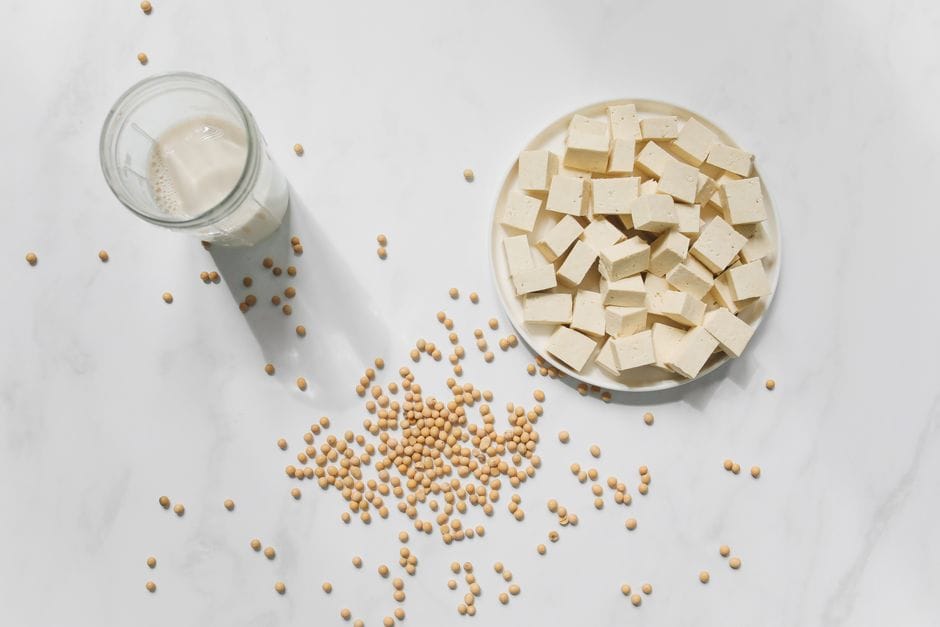 Photo: Polina Tankilevitch / Pexels
Nothing on the plant side beats seitan for raw protein. Cooked, it runs about 21 to 25 grams per 100 grams, which is genuinely higher than chicken breast. It is made from wheat gluten, so it has the chew and pull of meat in a way nothing else here does, and it soaks up marinade like a sponge.
The honest catch: it is pure gluten, so it is out if you are celiac or sensitive. And store-bought seitan can be hit or miss on texture, ranging from pleasantly chewy to weirdly spongy.
Making your own is cheaper and far better, and it is less fiddly than it sounds once you stop kneading it like bread dough. Our seitan recipe walks through the wet-knead method that keeps it from going rubbery, and the full seitan guide covers vital wheat gluten brands and which packaged versions are worth buying.
This is my number-one pick for anyone chasing a high daily target who eats wheat.
2. Tempeh: the densest whole food
If seitan is too processed for your taste, tempeh is the densest whole-food protein on this list at roughly 18 to 20 grams per 100 grams. It is whole soybeans fermented and pressed into a firm, nutty cake, so along with the protein you get real fiber and the gut benefits of fermentation.
A standard 225-gram package is around 40 grams of protein, which is most of a day's worth in one block.
It took me three tries to like tempeh. Straight out of the package it can taste bitter and chalky. The fix is to steam it for ten minutes first, which mellows the bitterness, then marinate and pan-fry.
Our tempeh cooking guide covers that steam-then-sear method in detail. Lightlife and Tofurky are the easy-to-find brands; the plain soy versions have the cleanest flavor.
3. Tofu, edamame, and soy milk: the easy soy wins
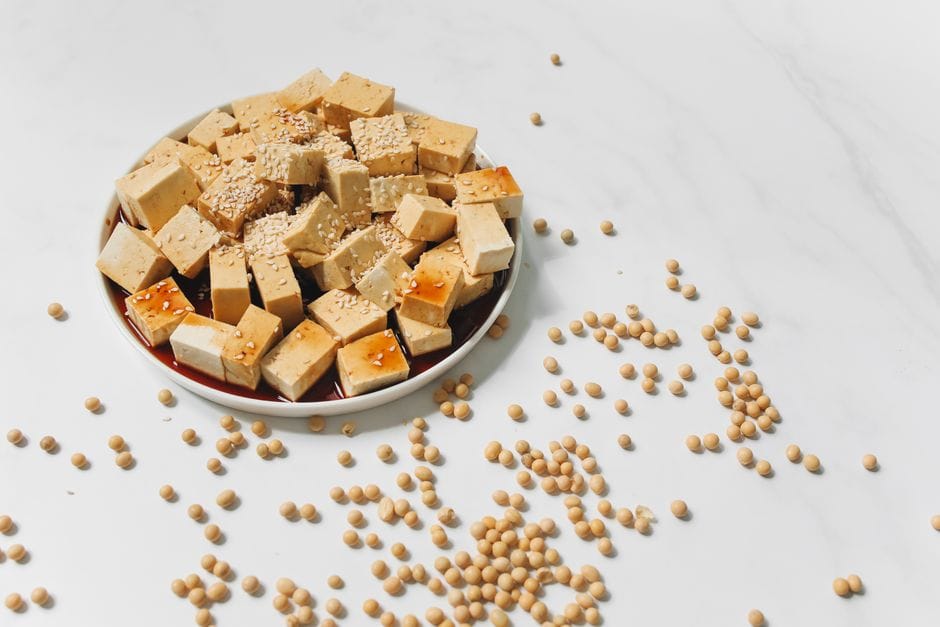
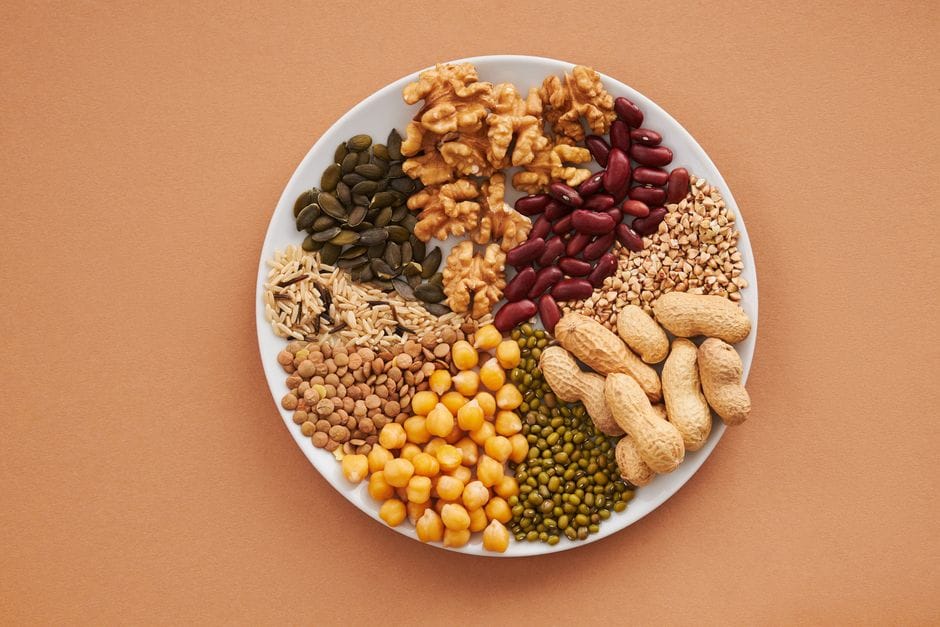 Photo: Vanessa Loring / Pexels
Soy is the most useful protein category for a new vegan because it is complete on its own and absurdly versatile. Three forms of it earn a spot near the top.
Tofu runs about 8 to 10 grams of protein per 100 grams for firm, and noticeably more for extra-firm and super-firm blocks, which can hit 14 to 18 grams per 100 grams because they hold less water. A whole 350 to 400-gram block of firm tofu is easily 30-plus grams.
The mistake almost everyone makes is buying soft tofu, skipping the press, and concluding tofu is bland and watery. The fix is technique: our notes on pressing tofu and cooking tofu changed my whole opinion of it, and the guide to tofu breaks down every type from silken to super-firm.
Edamame is the highest protein-per-effort food in this entire article. A cup of shelled edamame is about 18 grams of protein and takes five minutes from frozen. You salt them and eat them like a snack.
Frozen shelled edamame lives in every supermarket freezer; see how to cook edamame for the boil-versus-steam timing. I keep a bag in the freezer at all times as a no-cook protein bailout.
Soy milk is the lone outlier among plant milks, carrying roughly 7 to 8 grams of protein per cup, comparable to dairy. Almond, oat, rice, and most others sit under 1 gram.
If you drink a plant milk partly to add protein, soy is the only one pulling real weight; the rest are basically flavored water on the protein front. Reach for the unsweetened versions and you have an easy 7 grams in your morning coffee or oatmeal.
4. Lentils, beans, and chickpeas: the workhorses
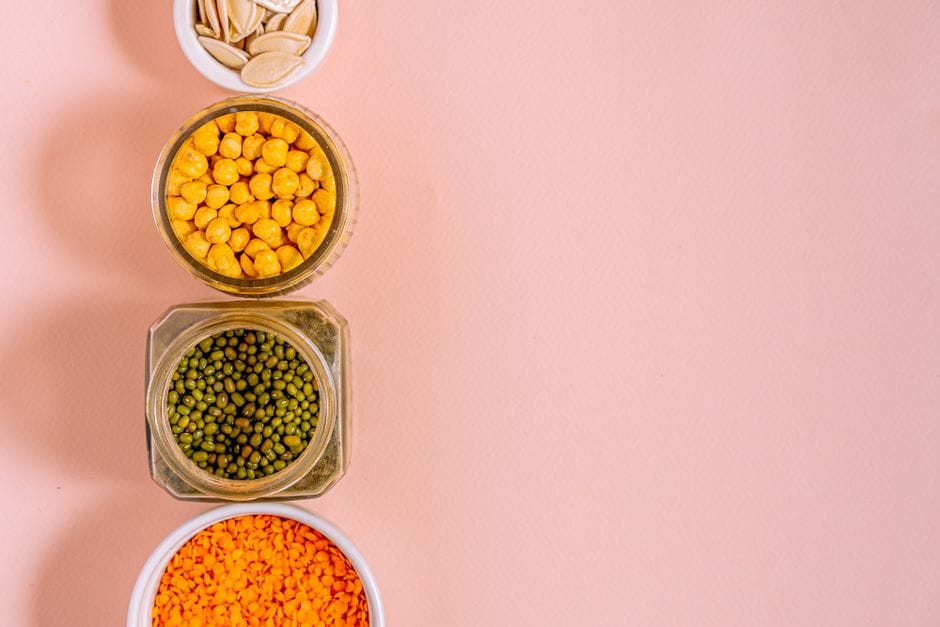
This is the engine room of a vegan diet, and the numbers are better than people think. Cooked lentils land around 18 grams of protein per cup. Most beans, black, kidney, pinto, sit near 15 grams per cup.
Chickpeas are about 15 grams per cup. These are not garnish; a single cup of lentils is the protein equivalent of a couple of eggs, plus a wall of fiber that keeps you full for hours.
The practical edge here is cost and shelf life. A bag of dried lentils costs almost nothing and cooks in 20 minutes with no soaking, which is why I default to them on lazy nights.
Canned beans and chickpeas are the fastest path of all, just rinse and go. Roasted chickpeas make a crunchy, salty snack that beats almonds on protein, and a scoop of chickpea flour folds protein into pancakes and flatbreads.
The one knock is that you eat a fair volume to hit big numbers, so I treat legumes as the reliable base and let a denser anchor like tofu or seitan ride on top.
5. Peas and pea protein: quietly excellent
Green peas are underrated, packing about 8 to 9 grams of protein per cooked cup, which is real protein for a vegetable. But the bigger story is pea protein powder.
It is the cleanest, most neutral-tasting plant protein powder I have used, with roughly 20 to 24 grams per scoop and an amino acid profile that rivals whey. If you want a shake that disappears into a smoothie without grit or a chalky aftertaste, pea protein is the one to buy.
Pea protein is also the base of many of the better mock meats now, which is part of why those products actually hit decent protein numbers.
A quick honesty note on packaged protein products generally: protein bars, powders, and faux meats vary wildly, and some sneak in non-vegan additives like honey, whey traces, or certain D3 sources. Before you trust a label, run the product through our vegan ingredient checker or look it up in the Is It Vegan database.
It takes ten seconds and saves you from the occasional unpleasant surprise.
6. Nuts and seeds: protein, but fat comes first
Here is where I push back on the wellness-blog framing. Nuts and seeds do contain protein, but they are fat-first foods, and treating them as a protein source is how my friend ended up with a cart full of almonds and a deficit.
The real numbers: almonds have about 6 grams of protein per ounce but also around 14 grams of fat and 160-plus calories, so leaning on them for protein means a flood of calories. Peanut butter is about 7 to 8 grams per two-tablespoon scoop, the best of the spreadable bunch.
Among seeds, hemp seeds are the standout at roughly 9 to 10 grams of protein per three tablespoons, and they are genuinely worth sprinkling on things. Pumpkin seeds bring about 8 grams per ounce.
Chia and flax give 4 to 5 grams per couple of tablespoons along with omega-3s and serious fiber.
So: yes, add them. Hemp seeds on oatmeal, tahini drizzled on roasted vegetables (here is how to make tahini), a spoon of peanut butter in a smoothie.
They round out a day nicely and pull double duty on iron, which matters since iron is a nutrient worth watching on plants; see getting enough iron. Just do not expect a handful of nuts to be the backbone of a meal, because it cannot be.
7. Quinoa: complete, but overrated for protein
I will say it plainly: quinoa is overrated as a protein source. A cooked cup has only about 8 grams of protein, roughly the same as a cup of soy milk, and you are eating a starchy grain to get it.
People put it at the top of these lists because it is a complete protein and because it sounds healthy, and both of those things are true. Neither makes it dense.
What quinoa is genuinely good for is an upgrade over rice. Swap quinoa for white rice under your stir-fry or in a grain bowl and you painlessly bump the meal's protein, fiber, and minerals without changing the recipe. That is a real, easy win.
Just build the meal around tofu or beans and let the quinoa be the side, not the star. Treat it as the best grain on this list rather than as a protein anchor and it earns its place.
Building it into meals (and a high-protein day)
The whole system is simpler than any list makes it look: pick one dense anchor per meal and stack lighter sources on top. The anchor does the heavy lifting; everything else is rounding up.
Here is an ordinary day that clears 100 grams without any tracking. Breakfast: oatmeal made with a cup of soy milk, a scoop of pea protein, and a tablespoon of hemp seeds, about 30 grams.
Lunch: a grain bowl with a cup of lentils over quinoa with tahini, roughly 28 grams. Snack: a cup of edamame, 18 grams. Dinner: seitan or tempeh stir-fry with a side of beans, easily 30 grams or more.
That is well over 100 grams, none of it forced, and most of it from foods that taste good. Nutritional yeast is a useful little topper here too, adding a savory, cheesy hit plus a couple of grams of protein per serving; our nutritional yeast guide explains why it shows up on so many vegan plates.
On the old worry about combining proteins at every meal: skip it. That rule was a misreading corrected decades ago. Your body pools amino acids across the whole day, so a varied diet of soy, legumes, grains, and seeds covers everything on its own.
Eat the anchors, vary your week, and stop doing chemistry at the dinner table.
The practical takeaway is short. Rank your shopping by density: keep seitan or tempeh and tofu in the fridge, beans and lentils in the pantry, edamame in the freezer, and a tub of pea protein on the counter.
Anchor every meal with one of them, let nuts, seeds, soy milk, and quinoa fill in around the edges, and you will hit your protein every single day without once weighing your food or thinking about it again.
Frequently asked questions
What is the highest-protein vegan food?+
Seitan, by a wide margin. Cooked seitan runs roughly 21 to 25 grams of protein per 100 grams, which beats tofu, tempeh, and most cuts of meat gram for gram. The catch is that it is wheat gluten, so it is off the table if you are celiac or gluten-sensitive. After seitan, tempeh is the densest whole-food option at about 18 to 20 grams per 100 grams.
Is quinoa actually a high-protein food?+
Not really, and this surprises people. A cooked cup of quinoa has only about 8 grams of protein, which is similar to a cup of cow's milk. It earns its reputation because it is a complete protein and it is a grain rather than a legume, but you would have to eat a lot of it to make it a primary protein source. Treat quinoa as a solid upgrade over rice, not as your protein anchor.
How do I build enough protein into vegan meals?+
Pick one dense anchor per meal and let everything else add on top. A meal built on tofu, tempeh, seitan, lentils, or a cup of beans already carries 15 to 25 grams before you count the bread, vegetables, nuts, or seeds. Aim for a meaningful anchor at breakfast, lunch, and dinner rather than chasing one giant dinner, and the daily total lands on its own without any tracking.
Do I need to combine plant proteins at every meal?+
No. The idea that you must pair rice with beans in the same bowl to make a complete protein was a misreading that was corrected decades ago. Your body keeps a pool of amino acids and assembles what it needs from everything you eat across the whole day. Eat a normal variety of soy, legumes, grains, nuts, and seeds and the amino acids sort themselves out without any planning.
Written by
VeganDigest Editorial is the small independent team that researches and fact-checks this site. We are not doctors or dietitians. For every is-it-vegan verdict we read the product's current ingredient list and manufacturer information, and for anything health-related we report guidance from recognized bodies such as the NHS, the Vegan Society, and the Academy of Nutrition and Dietetics rather than offering medical advice. Every page shows the date it was last verified, and our full process is on the How We Verify page.
Comments