A Guide to Seitan: What It Is, How to Use It, and Is It Healthy
In this guide8
The first time I ate seitan I was certain someone had lied to me about the menu. I was at a tiny vegan spot, half-listening, and bit into what I assumed was a chicken sandwich a friend had ordered by mistake.
It pulled apart in strands, had a real savory chew, and held sauce like a champ. When she told me it was wheat, I genuinely did not believe her. I made her show me the menu.
That sandwich is the reason I spent the next year figuring out what this stuff actually is.
So this is the orientation I wish I'd had back then. Not a single recipe, but the honest answer to "what is this dense, meaty plant protein, is it good for me, and how do I actually use it without messing it up."
What Seitan Actually Is
Seitan is wheat gluten, plain and simple. Gluten is the web of stretchy proteins in wheat that gives bread its chew, and seitan is what you get when you isolate that protein and cook it into a firm, sliceable mass.
The name comes from the Japanese macrobiotic tradition, though forms of cooked wheat gluten go back centuries in Chinese Buddhist cooking, where it stood in for meat in temple food. You can read the longer history on the Wikipedia entry for wheat gluten if you want the background.
There are two ways it gets made. The traditional method is almost meditative: you mix whole wheat flour into a dough, then literally wash it under running water for a long time, rinsing out every bit of starch until only the springy gluten is left.
It works beautifully and uses a lot of water and patience. The modern shortcut, and the only way I bother now, starts from vital wheat gluten, a fine tan powder that is wheat flour with the starch already washed and dried out.
Bob's Red Mill makes the bag I keep on hand, and Anthony's is the other common one.
What you end up with is dense, a little springy, and genuinely meaty in a way no other plant protein quite matches. Out of the package it looks like a pale brown loaf or a pile of strips, and when you cook it, it browns, crisps at the edges, and pulls apart in satisfying fibers.
If you have only ever eaten soft tofu, seitan will surprise you. It has bite.
Plain seitan is naturally vegan, since it's just gluten, water, and seasonings. The only time I double-check is with flavored or pre-marinated packages, where a teriyaki glaze or a smoky seasoning blend can sneak in honey or another animal-derived ingredient.
When that happens I run the label through our vegan ingredient checker or search the Is It Vegan database before I buy it.
The Protein and the Meaty Chew
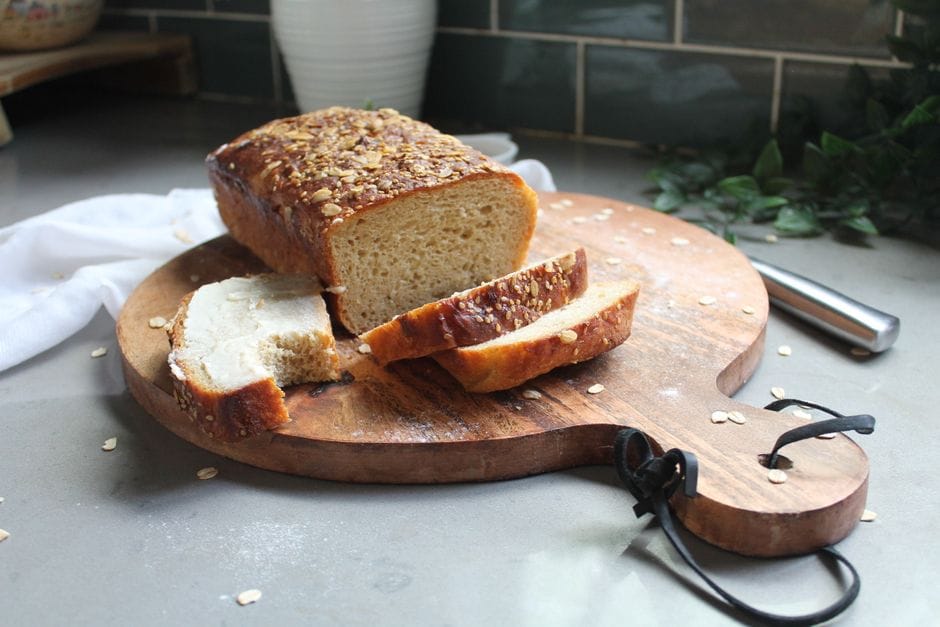 Photo: Nourishment DECODED / Pexels
Here's the number that hooks most people: a 100 gram serving of seitan delivers roughly 20 to 25 grams of protein, depending on the brand and how it's made. That's in the same neighborhood as cooked chicken breast by weight, which is wild for a food made from flour.
For anyone building meals around plant protein, that density is hard to beat. If you're mapping out where your protein comes from across a week, our guide to vegan protein sources puts seitan in context with the rest.
But the chew is really the selling point. Because gluten is naturally stretchy and elastic, cooked seitan has structure. It doesn't crumble or go mushy the way some plant proteins do.
You can slice it thin for deli-style sandwiches, shred it into a barbecue filling that genuinely pulls like pulled pork, or cube it into a stew where it holds its shape through a long simmer. No other vegan protein gives you that fibrous, toothy bite straight out of the gate.
Tofu can be pressed and baked into something firm, but it will never strand and pull the way seitan does.
The trade-off worth saying out loud is that seitan, on its own, is not a complete protein. It's low in the amino acid lysine. This sounds scarier than it is.
The moment you eat seitan alongside beans, lentils, soy, or even a grain across the same day, the amino acid profile fills in and you've got a complete protein anyway. I never think about this at the meal level, because my plates almost always include something from the legume family.
It only matters if seitan is somehow your only protein source, which it shouldn't be for anyone.
Is Seitan Actually Healthy?
For most people, seitan is a lean, high-protein, low-fat food with no cholesterol and very little saturated fat. A 100 gram serving runs around 120 to 140 calories with only a couple of grams of fat.
If your goal is more protein without more fat, that profile is excellent. It's a food I feel good building a meal around.
That said, I want to be honest about the caveats, because a lot of seitan writing oversells it. The first is sodium.
Plain homemade seitan is whatever you season it to be, but store-bought packages and restaurant seitan are often quite salty, sometimes punishingly so, because the broth it cooks in is where most of its flavor lives. If you watch your sodium, the label is worth a glance.
The second is that it's a processed food in the practical sense; it's not a whole bean or a leafy green, and it doesn't bring the fiber that tempeh or beans do. It's a protein source, not a vegetable.
The micronutrient picture is decent but not heroic. Seitan offers some iron and a little selenium, but it's not a standout for the nutrients vegans actually need to plan for.
It contains no B12 at all, which is true of every plant food, so make sure you've got that handled separately with our notes on how to get B12 on a vegan diet. For a sober, non-hyped overview of plant protein needs, the Vegan Society's protein guidance is the reference I trust.
The Gluten Warning You Cannot Skip
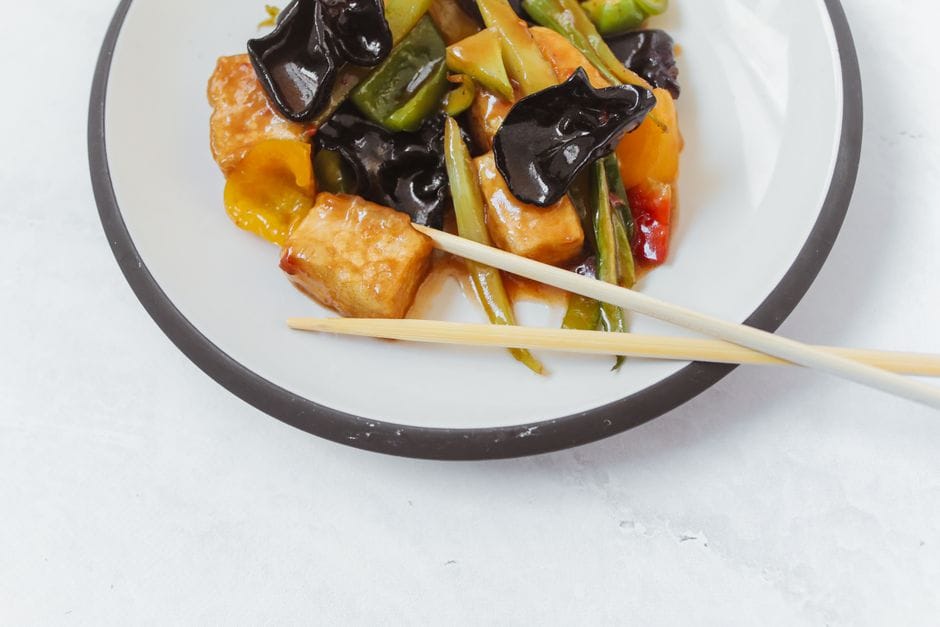 Photo: Polina Tankilevitch / Pexels
This is the one hard rule of seitan, and I'll be blunt about it. Seitan is pure wheat gluten. It is, by definition, the single worst food on earth for anyone with celiac disease or a real gluten sensitivity.
There is no gluten-free seitan and there never will be, because removing the gluten removes the food itself. The whole thing is gluten.
I bring this up because seitan shows up on vegan menus constantly, and people who avoid gluten sometimes assume "vegan" means "safe for me." It does not.
If you're cooking for a crowd, label your seitan dish clearly, and if you're the one avoiding gluten, treat seitan as an automatic no. The good news is you have excellent alternatives that happen to be naturally gluten-free: tofu, tempeh, and beans all give you high-protein, satisfying meals without a speck of wheat.
Tofu in particular is endlessly adaptable once you know how to handle it, and our guide on how to cook tofu is the place to start.
Seitan vs Tofu vs Tempeh
People lump these three together as "the vegan proteins," but they could hardly be more different, and understanding the differences is how you cook each one well.
Seitan is wheat gluten. It's the chewiest and most overtly meat-like, the highest in protein by weight, and the one that strands and pulls. It's also the only one of the three that contains gluten.
I reach for it when I want texture: a sandwich filling, a stir-fry that needs bite, a "chicken" cutlet.
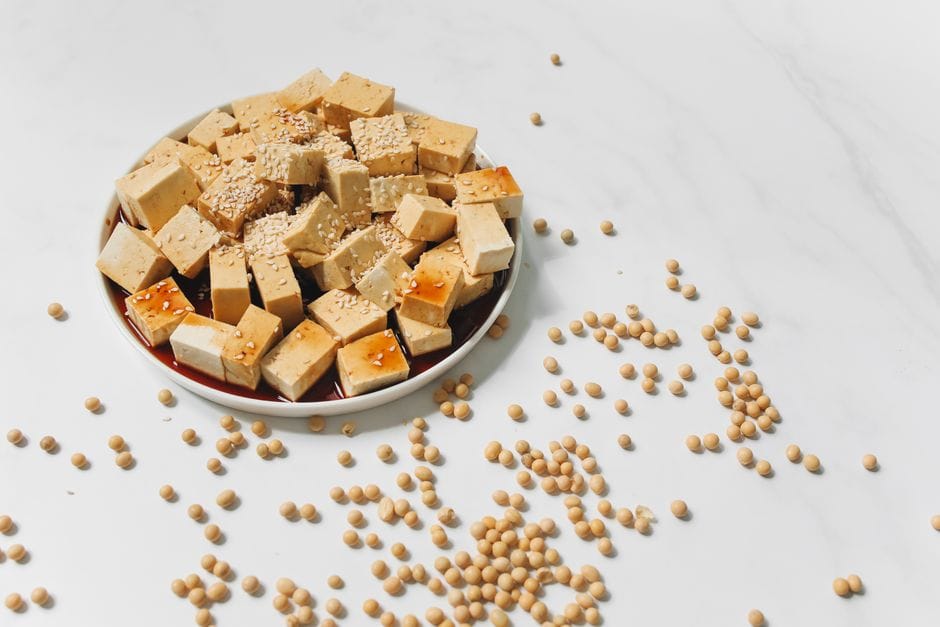
Tofu is made by curdling soy milk and pressing the curds into a block, a bit like making cheese from dairy. It's soft, mild, neutral, and comes in everything from silken to extra-firm.
It absorbs whatever flavor you give it, which makes it the most versatile of the three. If tofu is new to you, our complete guide to tofu walks through every type and how to use it.
Tempeh is whole soybeans fermented into a firm, nutty, sliceable cake. It keeps the entire bean, so it brings real fiber that the other two lack, plus the benefits of fermentation. It's earthy and savory with its own personality.
To get it tasting its best, see our notes on how to cook tempeh.
The honest summary: seitan wins on chew and protein density, tempeh wins on fiber and fermentation, and tofu wins on versatility. None replaces the others. I keep all three in my kitchen and pick based on the texture a dish needs.
Store-Bought vs Homemade
Both have a real place in my kitchen, and I won't pretend store-bought is a sin. The convenience of opening a package and having dinner in twenty minutes is genuine.
Store-bought seitan comes in a few forms: pre-cooked strips and chunks, deli-style slices, and flavored products like Tofurky's seitan-based roasts and sausages, or Upton's Naturals, which makes plain and seasoned blocks I've leaned on for years. The upsides are obvious.
The downsides are that it's pricier per serving, often higher in sodium, and the texture is whatever the manufacturer decided, which sometimes skews spongy. Always glance at the ingredient list on flavored versions, since that's where animal-derived seasonings can hide.
Homemade seitan is dramatically cheaper, fully under your control, and honestly not hard once you know the two things that matter. The whole game is kneading the dough only briefly and then cooking it gently rather than at a hard boil.
I learned the gentle-cook rule the embarrassing way, by boiling my first batch into a spongy, brain-textured blob that bounced when I poked it. If you want to make your own, our step-by-step on how to make seitan has the foolproof base recipe and every mistake I made so you can skip them.
My actual habit: I keep a package of store-bought strips for lazy weeknights and make a big homemade batch on a quiet afternoon when I want it cheaper and better. Homemade also freezes beautifully, so a single session stocks the freezer for weeks.
The Best Ways to Use Seitan
This is where seitan earns its place, because its texture opens up dishes the softer proteins struggle with.
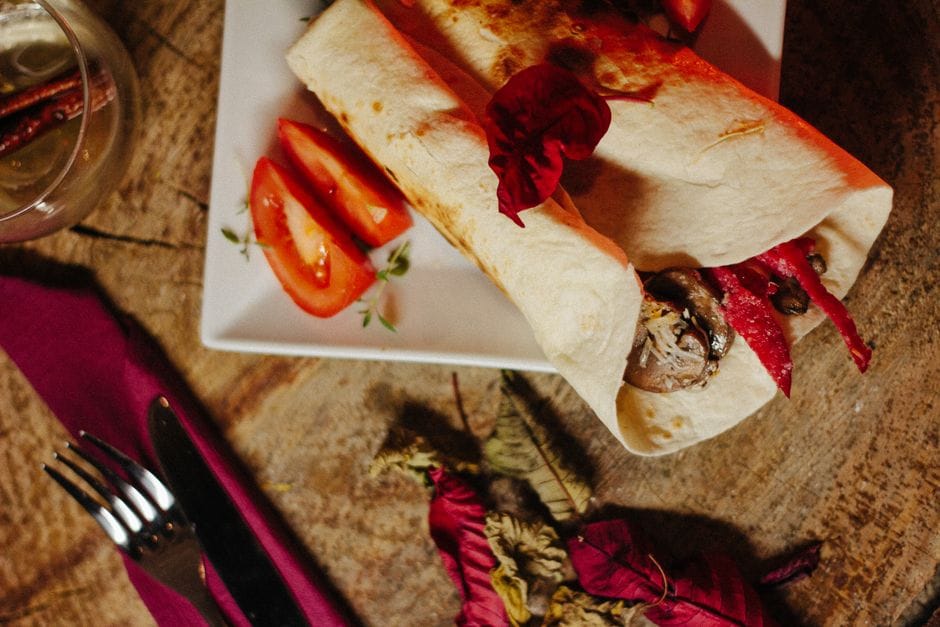
My favorite use is shredded, sauced, and piled onto a bun. Tear cooked seitan into rough strands, simmer it in barbecue sauce, and you've got a pulled "pork" sandwich that fools people. The strands hold the sauce and have real chew, which is the whole point.
A swipe of vegan mayo on the bun and some slaw and it's a genuinely great sandwich.
It's also superb sliced and pan-fried. Thin seitan slices crisped in a hot cast iron pan with a little oil get browned, chewy edges, perfect for a peppery deli-style sandwich or a wrap. I'll finish them with mustard and pickles, or layer them with a slice of vegan parmesan melted on top.
Cubed seitan is a stew and stir-fry workhorse. Because it holds its shape through a long cook, it works in a hearty tomato stew, a curry, or a quick stir-fry where tofu might break down.
Toss the cubes in cornstarch and sear them first for crisp edges that survive the sauce. Strips of seitan also stand in beautifully for chicken in fajitas, kebabs, and noodle bowls.
A few honest notes from my own failures. Seitan doesn't crisp the way it looks like it should unless your pan is genuinely hot and the seitan is reasonably dry on the surface, so pat it before it hits the oil.
And it can dry out if you overcook it in a pan with no sauce, going from chewy to tough fast. Keep it moving, keep it saucy, and pull it before it tightens up.
My Honest Take
Seitan was the food that made plant-based eating feel genuinely satisfying to me, because it gave me the one thing I missed most: chew. It's high in protein, low in fat, cheap to make at home, and more meat-like in texture than anything else from the plant world.
The two things to keep straight are simple. It is not gluten-free, full stop, so it's off the table for anyone who reacts to gluten. And it works best as one protein among several, paired with beans or soy across your day so the nutrition rounds out.
Get a bag of vital wheat gluten, or grab a package of strips for your first try, and put it in a sandwich with plenty of sauce. That's the dish that made a believer out of me, and it's the fastest way to understand why this humble lump of wheat protein has earned its spot in vegan kitchens for centuries.
Frequently asked questions
What is seitan made of?+
Seitan is made almost entirely of wheat gluten, the stretchy protein left over when you wash the starch out of wheat flour. Most modern seitan starts from vital wheat gluten, a tan powder that is basically pure gluten, which you hydrate with seasoned broth and then cook firm. Plain seitan is just gluten, water, and seasonings, which makes it one of the highest-protein plant foods you can put on a plate.
Is seitan healthy?+
For most people, yes, it's a lean, high-protein, low-fat food with no cholesterol. A 100 gram serving has around 20 to 25 grams of protein with very little fat. The honest caveats are that it isn't a complete protein on its own, store-bought versions can be high in sodium, and it contains a lot of gluten. Pair it with beans, soy, or grains across your day and you're in great shape.
Can you eat seitan if you're gluten-free?+
No, and this is the one rule that never bends. Seitan is pure wheat gluten, so it's the single worst food for anyone with celiac disease or a gluten sensitivity. There's no safe gluten-free version, because taking the gluten out removes the food entirely. If you need a meaty, high-protein plant food without gluten, reach for tofu, tempeh, or beans instead.
How is seitan different from tofu and tempeh?+
They come from completely different places. Seitan is wheat gluten and has the chewiest, most meat-like texture of the three. Tofu and tempeh both come from soybeans, with tofu being soft and neutral and tempeh being firm, nutty, and fermented. Seitan wins on chew and protein density, while tofu and tempeh are gluten-free and bring different nutrition, so I keep all three in rotation.
Written by
VeganDigest Editorial is the small independent team that researches and fact-checks this site. We are not doctors or dietitians. For every is-it-vegan verdict we read the product's current ingredient list and manufacturer information, and for anything health-related we report guidance from recognized bodies such as the NHS, the Vegan Society, and the Academy of Nutrition and Dietetics rather than offering medical advice. Every page shows the date it was last verified, and our full process is on the How We Verify page.
Comments