How to Get Enough Iron on a Vegan Diet
In this guide7
- 01How much iron you actually need
- 02The best plant iron sources, with real numbers
- 03The spinach myth: why Popeye oversold it
- 04Vitamin C is the trick that changes everything
- 05What blocks iron absorption: tea, coffee, and timing
- 06A real iron-smart day of eating
- 07When to actually test, and the honest bottom line
The first time iron got my attention, I was halfway up a flight of stairs I climb every single day, and I had to stop to catch my breath like I had run a race. I was tired in a flat, gray way that did not lift with sleep.
"To help your body absorb iron from your food, eat foods containing vitamin C at the same time, and avoid drinking tea or coffee during or after main meals."
Source: NHS
I assumed it was overwork, or winter, or just being a person. It was none of those.
A blood test turned up low iron, and the slightly embarrassing part was that I had been doing several small things wrong at once, all of which were easy to fix once I understood them. I was eating plenty of iron-rich food.
I was just quietly sabotaging my own absorption with a giant mug of tea at every meal and almost no vitamin C in sight.
So this is the guide I needed back then. Not a panic piece about how plant eaters are doomed to anemia, because that is not true, but a clear-eyed look at where iron actually comes from on a vegan plate, how to make your body absorb it, and the handful of habits that quietly work against you.
Get the absorption part right and iron stops being something you worry about.
How much iron you actually need
Let me put the real numbers down first, because they are not as scary as the internet implies. For adult men and post-menopausal women, the standard recommendation is around 8 milligrams of iron a day.
For menstruating women it climbs to about 18 milligrams, because of monthly blood loss, and in pregnancy it goes higher still. Those figures come from the same nutrition bodies that set every other intake guideline, and you can read the plain-language version on the NHS iron page.
Here is the catch that matters for us. Plants contain non-heme iron, which your gut absorbs less efficiently than the heme iron found in meat.
Because of that, some health authorities suggest vegetarians and vegans aim for roughly 1.8 times the standard figure to land in the same place. That sounds like a lot until you see the food, at which point it stops feeling like a hurdle.
A single bowl of lentils already does a surprising amount of the work.
The honest framing is this: iron is a nutrient where the absorption side matters as much as the intake side. You can eat a mountain of spinach and absorb a disappointing fraction of it, or you can eat a modest plate and take up plenty, depending entirely on what else is on the table.
The rest of this guide is mostly about that second part, because it is where the real wins are.
The best plant iron sources, with real numbers
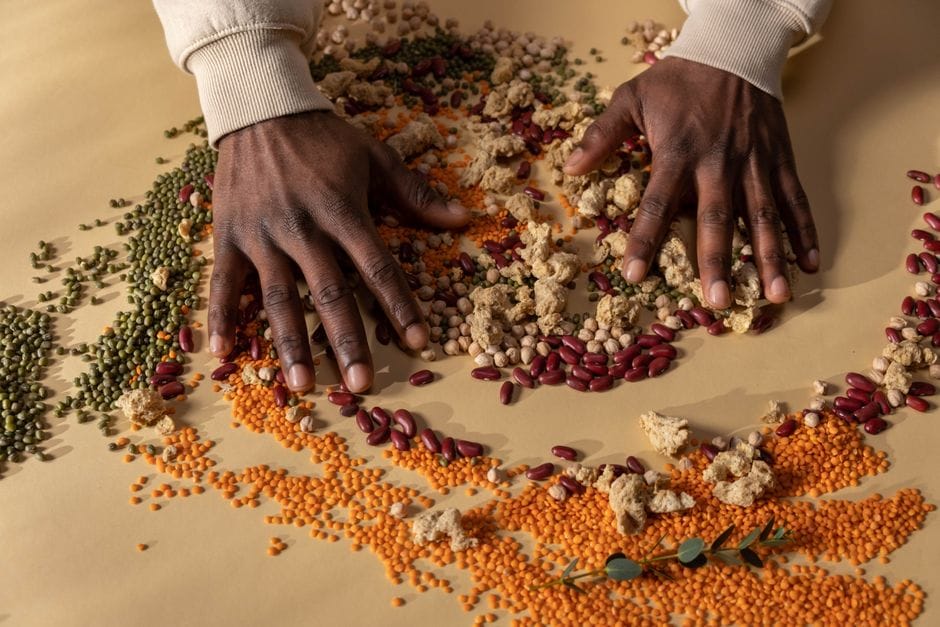
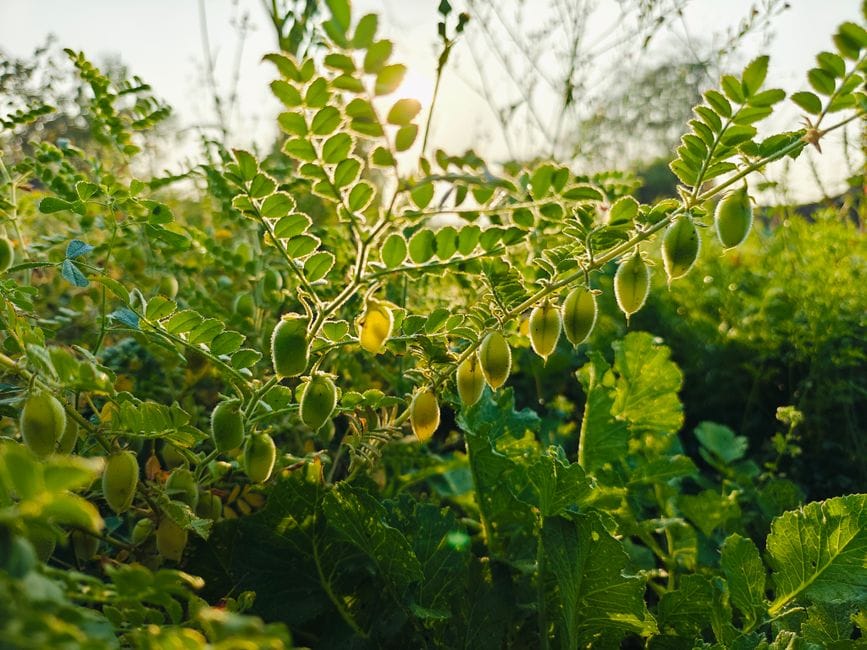 Photo: Sanjeev Singh / Pexels
Vague reassurance is useless, so here are the foods I actually lean on and roughly what they deliver. Treat these as ballpark figures, since brands and growing conditions vary.
Lentils are the backbone. A cooked cup gives you somewhere around 6 milligrams of iron, alongside a serious load of protein and fiber. They need no soaking, they cook in 20 to 40 minutes, and they go into soup, dal, salad, and bolognese without complaint.
If you cook one iron food well, make it this one; our lentil cooking guide covers every type.
Tofu is quietly excellent at roughly 3 to 4 milligrams per half-block, and it is bland enough to carry any flavor you throw at it. The denser super-firm blocks from brands like House Foods pack more in.
If your tofu has been turning out watery and sad, the problem is technique, not the ingredient; our walkthroughs on pressing tofu and cooking tofu fix that, and the full guide to tofu covers the rest.
Beans and chickpeas land around 3.5 to 5 milligrams per cooked cup. A can costs about a dollar, holds its shape in a curry or a chili, and stretches a meal further than almost anything else in the cupboard.
Spinach and other dark leafy greens carry meaningful iron, around 6 milligrams per cooked cup for spinach, though there is an asterisk I will get to in a moment about how much you actually absorb.
Fortified breakfast cereals are the underrated one. Many, including widely sold options from Kellogg's and supermarket own-brands, are fortified to deliver a large share of your daily iron in a single bowl. Check the label, because fortification levels swing wildly between products.
Pumpkin seeds, cashews, dried apricots, and blackstrap molasses all chip in as well. A tablespoon of blackstrap molasses alone carries a few milligrams, which is why it ends up stirred into my morning oats.
The spinach myth: why Popeye oversold it
Spinach has a reputation as the iron king, and it is only half deserved. Yes, cooked spinach is genuinely iron-rich on paper. The problem is that it is also loaded with oxalates, natural compounds that bind to the iron and drag your absorption way down.
So the number on the nutrition label and the number your body actually takes up are not the same thing, and the gap is bigger for spinach than for most foods.
This does not mean spinach is useless. Eat it. It is a fine food full of other good things.
But do not build your entire iron strategy on leafy greens and assume you are covered, because the absorbed amount is lower than the headline figure suggests. The plant foods where more of the iron is genuinely available to you are the legumes: lentils, beans, chickpeas, and soy.
Lean on those as your foundation and treat greens as a useful supporting player rather than the star. The old cartoon did iron a disservice by pointing everyone at the one source with the biggest absorption asterisk attached.
Vitamin C is the trick that changes everything
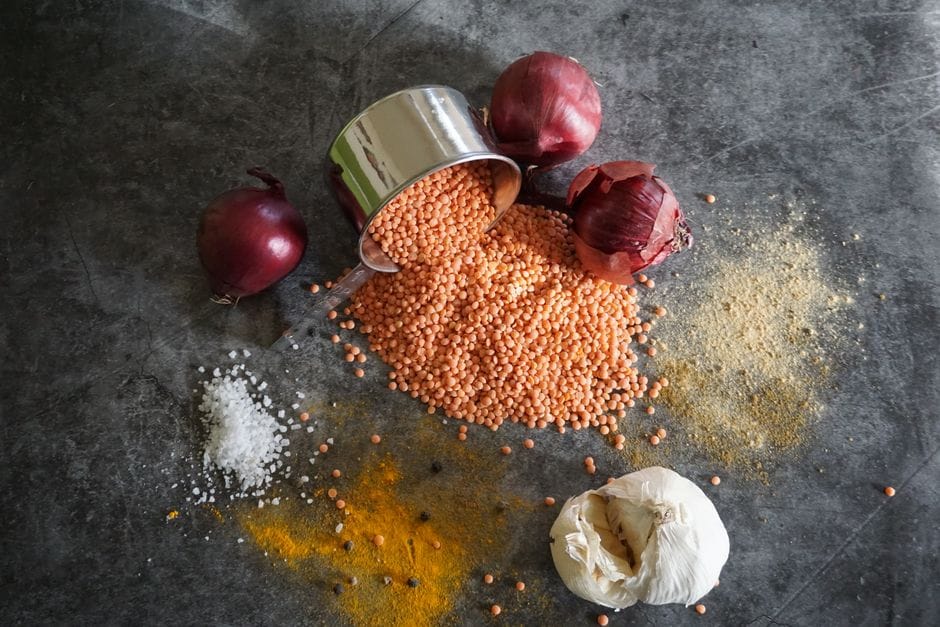
 Photo: Tamanna Rumee / Pexels
If you take one thing from this entire guide, make it this. Vitamin C dramatically increases how much non-heme iron your body absorbs from a meal. It converts the iron into a form your gut grabs onto far more readily, and it can also push back against the compounds that block absorption.
The effect is not subtle. Pairing a vitamin C source with an iron source can roughly double the iron you take up from that plate.
This was the single change that turned my own situation around, and it costs nothing. A squeeze of fresh lemon over a bowl of lentils. Sliced red bell pepper tossed into a tofu stir-fry.
A handful of cherry tomatoes in a bean salad. A glass of orange juice next to a bowl of fortified cereal. Strawberries on your oatmeal, or broccoli alongside your dinner.
Bell peppers, citrus, tomatoes, broccoli, and strawberries are all loaded with vitamin C, and the practical move is simply to make sure something from that list lands on the plate every time you are counting on a meal for iron.
The beauty of this is that it requires no supplements and no tracking. You are not adding a chore, you are adding a lemon wedge. Once it becomes a reflex, you stop thinking about iron absorption because you have built the fix into how you cook.
The NIH iron fact sheet spells out the vitamin C interaction in detail if you want the underlying science.
If you want a number to aim for, registered dietitian Jack Norris, who runs the evidence-based vegan resource VeganHealth.org, suggests getting at least 50 milligrams of vitamin C at a meal to meaningfully boost how much plant iron you absorb, which is roughly what you get from half a bell pepper or a small orange. He also makes the case that most vegans do not need an iron supplement at all and should reach for vitamin C rich foods at meals instead, saving supplements for people who have actually been found to be deficient.
That matches my own experience exactly: the fix was food and timing, not pills.
What blocks iron absorption: tea, coffee, and timing
Here is the mistake I was making, and it is an extremely common one. Tea and coffee contain tannins and polyphenols that bind to non-heme iron in your gut and sharply cut how much you absorb. The numbers are genuinely striking.
A strong cup of tea taken with a meal has been shown to reduce iron absorption from that meal by more than half. I was drinking a large mug of black tea with every single meal, which meant I was undercutting the iron in my food at the exact moment I was eating it.
You do not have to give up tea or coffee. I certainly did not. The fix is timing.
Drink them between meals instead of with them, ideally leaving an hour or so on either side of an iron-rich meal. I moved my tea to mid-morning and mid-afternoon, kept water or a glass of orange juice with meals, and that one scheduling change made a real difference.
A few other absorption blockers worth a mention. Calcium can compete with iron for absorption, so if you take a calcium supplement, do not take it at the same moment as your most iron-heavy meal; space them out.
This is less of a worry from food than from concentrated supplements, but it is the same reason our vegan calcium guide talks about timing too. The phytates in whole grains and legumes also bind some iron, which sounds alarming until you remember that those same foods are your richest iron sources, and the vitamin C trick more than compensates.
Soaking, sprouting, and fermenting reduce phytates, which is one quiet reason fermented soy and well-soaked beans treat you a little better.
A real iron-smart day of eating
Numbers in a list stay abstract, so here is an ordinary day built the right way, with the absorption habits baked in rather than bolted on.
Breakfast: A bowl of fortified cereal or oats topped with sliced strawberries and a small glass of orange juice on the side. The vitamin C from the fruit and juice unlocks the iron in the fortified cereal, and I save my coffee for an hour later rather than drinking it right there.
Lunch: A lentil salad with cherry tomatoes, red bell pepper, and a squeeze of lemon over the top. The lentils bring the iron, the peppers and tomatoes and lemon bring the vitamin C, and the whole thing takes ten minutes if you cooked a batch of lentils ahead.
Snack: A handful of pumpkin seeds and a couple of dried apricots, with tea moved to this between-meal slot where its tannins cannot get at my dinner.
Dinner: A tofu and broccoli stir-fry over rice, finished with a little lemon. Pressed firm tofu carries the iron, the broccoli and lemon carry the vitamin C, and because I am not washing it down with tea, my body actually keeps most of what I ate.
That is a genuinely iron-smart day, and notice that the food itself is completely normal. I did not choke down anything for medicinal reasons. The whole strategy lives in small pairings and a bit of timing, not in suffering.
If you want to round out the nutritional picture, the same approach to being deliberate applies to vitamin B12 and to hitting your protein targets, which all tend to land at once when you build meals around legumes, soy, and whole foods.
When to actually test, and the honest bottom line
Iron is one of the few nutrients where I genuinely think you should get a number rather than rely on a feeling. If you are persistently tired, short of breath on stairs that never used to bother you, unusually pale, or just not yourself, ask your doctor for a simple blood test.
Low iron is common, it is easy to confirm, and it is straightforward to correct. Guessing is the wrong move in both directions: you might be deficient and not know it, or you might start swallowing iron pills you do not need, which can cause constipation and other unpleasantness.
A test settles it in an afternoon.
If a packaged cereal or supplement claims to be fortified and you are not sure whether the whole product is even vegan, run it through our ingredient checker or search the Is It Vegan database before you buy, because fortification and added vitamins sometimes ride in on non-vegan carriers.
This article is general information and not medical advice; if you have symptoms or a known condition, talk to a qualified doctor or dietitian about your specific situation.
Here is the practical takeaway, the thing I wish someone had told me before that breathless flight of stairs. Iron on a vegan diet is not about eating more spinach and hoping.
It is about three habits working together: build your meals on lentils, beans, tofu, and fortified foods; add a hit of vitamin C every single time so your body actually absorbs it; and move your tea and coffee out of mealtimes so they stop undoing your work. Get those three right and iron quietly takes care of itself, no anxiety and no pills required.
Frequently asked questions
Do vegans need more iron than meat eaters?+
Some guidance suggests vegans and vegetarians aim for roughly 1.8 times the standard iron recommendation, because the non-heme iron in plants is absorbed less efficiently than the heme iron in meat. In practice that does not mean iron pills for everyone. It means being a little deliberate: eat iron-rich foods like lentils, tofu, and fortified cereal regularly, and pair them with vitamin C so your body actually takes up what is on the plate.
Why should I avoid tea and coffee with iron-rich meals?+
Tea and coffee contain compounds called tannins and polyphenols that bind to non-heme iron in your gut and sharply reduce how much you absorb. Studies have shown a strong cup of tea with a meal can cut iron absorption by more than half. You do not have to give them up. Just move your tea and coffee to between meals, ideally an hour or so away from the foods you are relying on for iron.
How does vitamin C help with iron absorption?+
Vitamin C converts plant iron into a form your gut absorbs far more readily, and it can also blunt the blocking effect of things like tannins. The effect is large enough to matter at every meal. A squeeze of lemon on lentils, sliced bell pepper in a tofu stir-fry, or a glass of orange juice with fortified cereal can roughly double the iron you take up from that meal, which is the single most useful habit in this whole guide.
Should I take an iron supplement on a vegan diet?+
Not by default. Most people who eat a varied diet built around lentils, beans, tofu, leafy greens, and fortified foods get enough without a supplement, and taking iron you do not need can cause constipation and other issues. If you feel constantly tired, breathless, or notice unusual symptoms, ask your doctor for a simple blood test rather than guessing. Iron is one nutrient where you genuinely want a number, not a hunch.
Written by
VeganDigest Editorial is the small independent team that researches and fact-checks this site. We are not doctors or dietitians. For every is-it-vegan verdict we read the product's current ingredient list and manufacturer information, and for anything health-related we report guidance from recognized bodies such as the NHS, the Vegan Society, and the Academy of Nutrition and Dietetics rather than offering medical advice. Every page shows the date it was last verified, and our full process is on the How We Verify page.
Comments